College Student Home for Summer

Having a college student return home for the summer is an exciting opportunity for families to reconnect, but it also brings a period of adjustment. During the school year, students often develop greater independence, establish their own routines, and learn to make decisions on their own. At the same time, parents become accustomed to a … Read more
Behavioral Therapies for Addiction

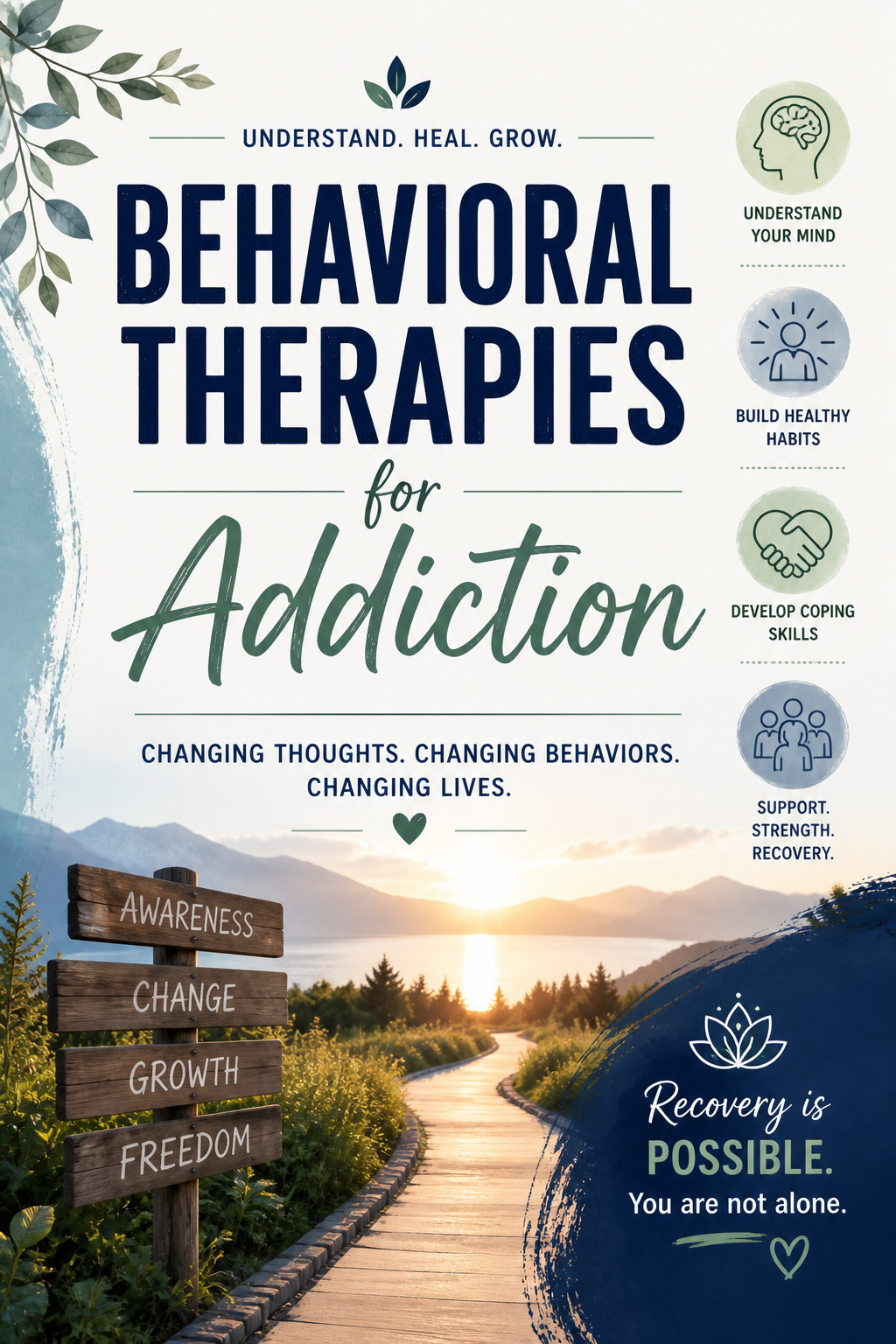
Behavioral therapies are a fundamental component of addiction treatment, focusing on the connection between thoughts, emotions, and actions that contribute to substance use. Unlike approaches that rely solely on medication, behavioral therapies aim to help individuals recognize harmful patterns, develop healthier coping mechanisms, and build the skills needed for long-term recovery. Addiction is not only … Read more

Bullying and Mental Health Link

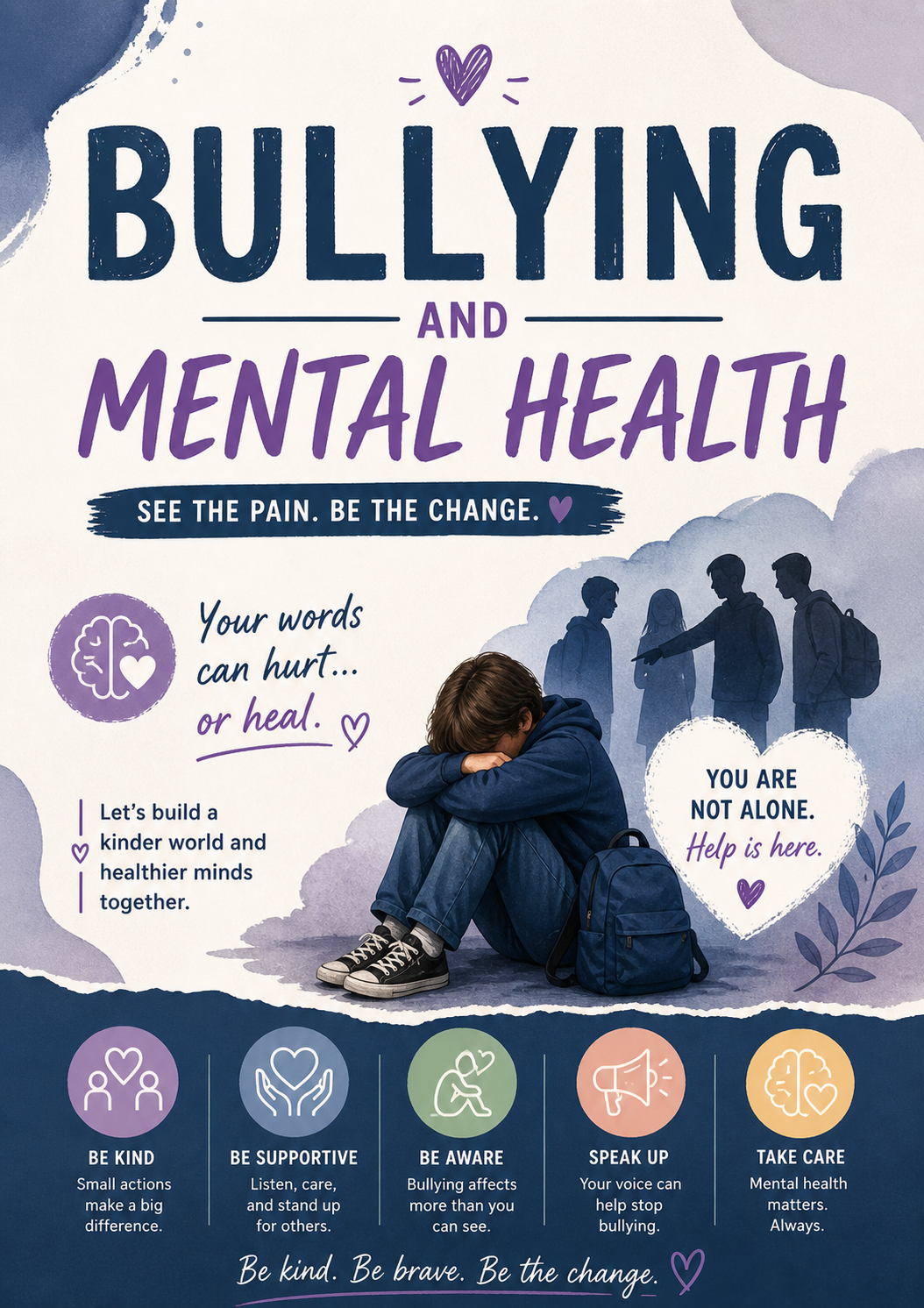
Bullying is a widespread social issue that extends far beyond temporary conflict, significantly impacting an individual’s mental health and overall well-being. It can take many forms, including physical aggression, verbal harassment, social exclusion, and cyberbullying, and often occurs in environments such as schools, workplaces, and online platforms. Repeated exposure to bullying can lead to emotional … Read more

Betty Ford Addiction Center

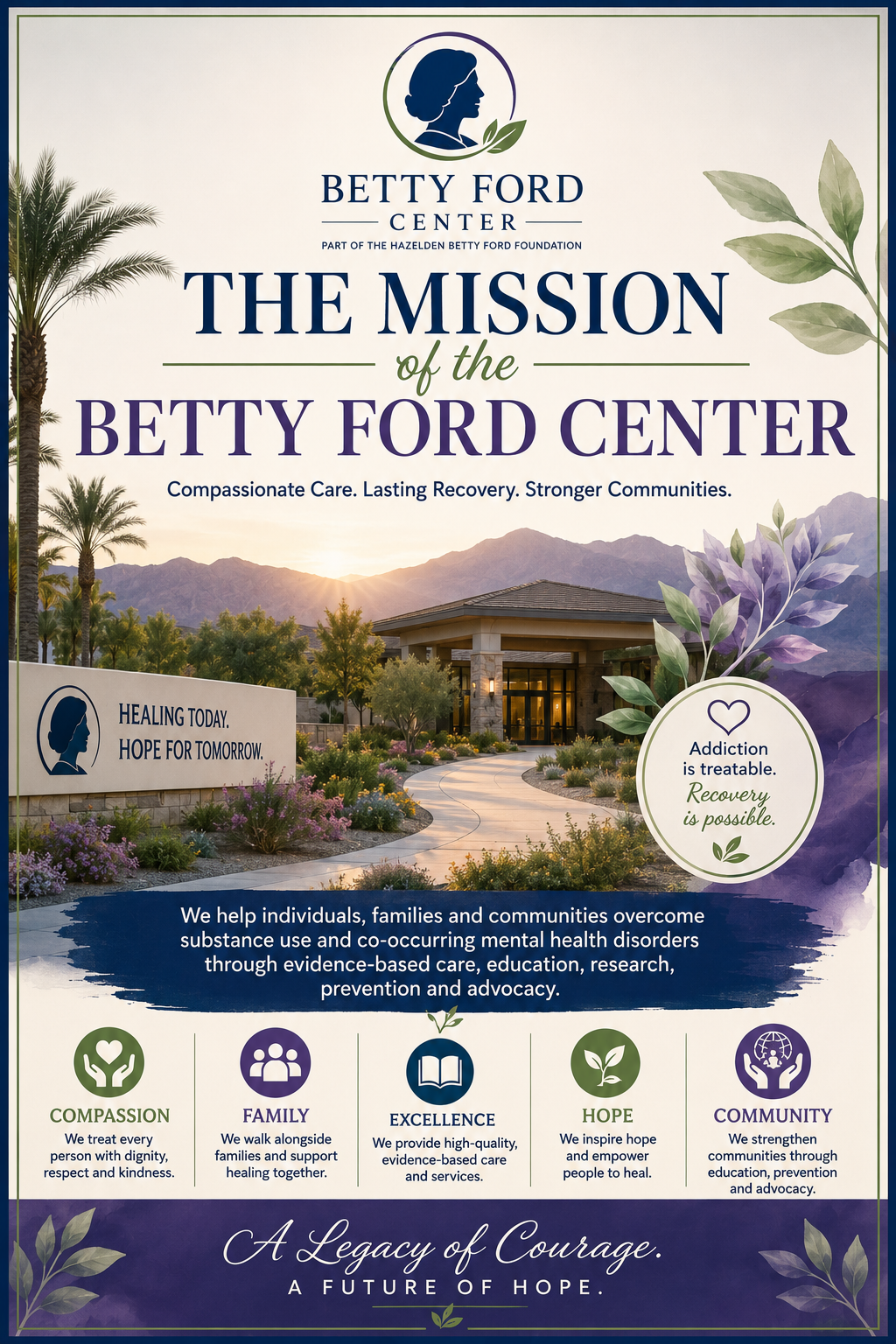
The mission of the Betty Ford Center, now part of the Hazelden Betty Ford Foundation, is to provide compassionate, evidence-based care that helps individuals, families, and communities overcome substance use and co-occurring mental health disorders. Founded on the belief that addiction is a chronic but treatable medical condition, the organization strives to reduce stigma, promote … Read more

Therapist Gender in Recovery

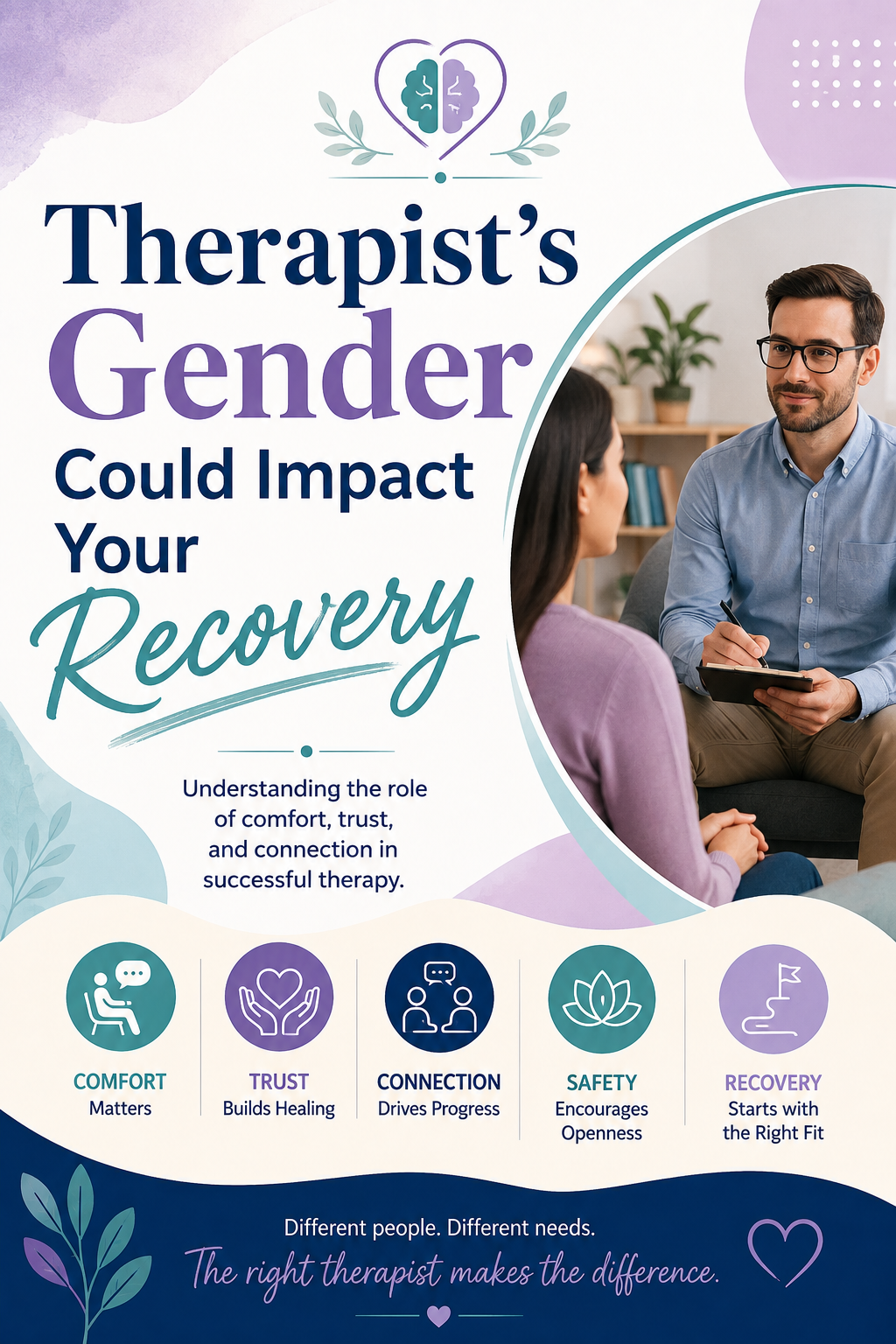
Finding the right therapist is an important step in addiction recovery and mental health treatment. While research consistently shows that a therapist’s clinical expertise, empathy, and ability to build a strong therapeutic relationship are the most important factors in successful treatment, some individuals may feel more comfortable working with a therapist of a particular gender. … Read more

STREETS Initiative Effectiveness

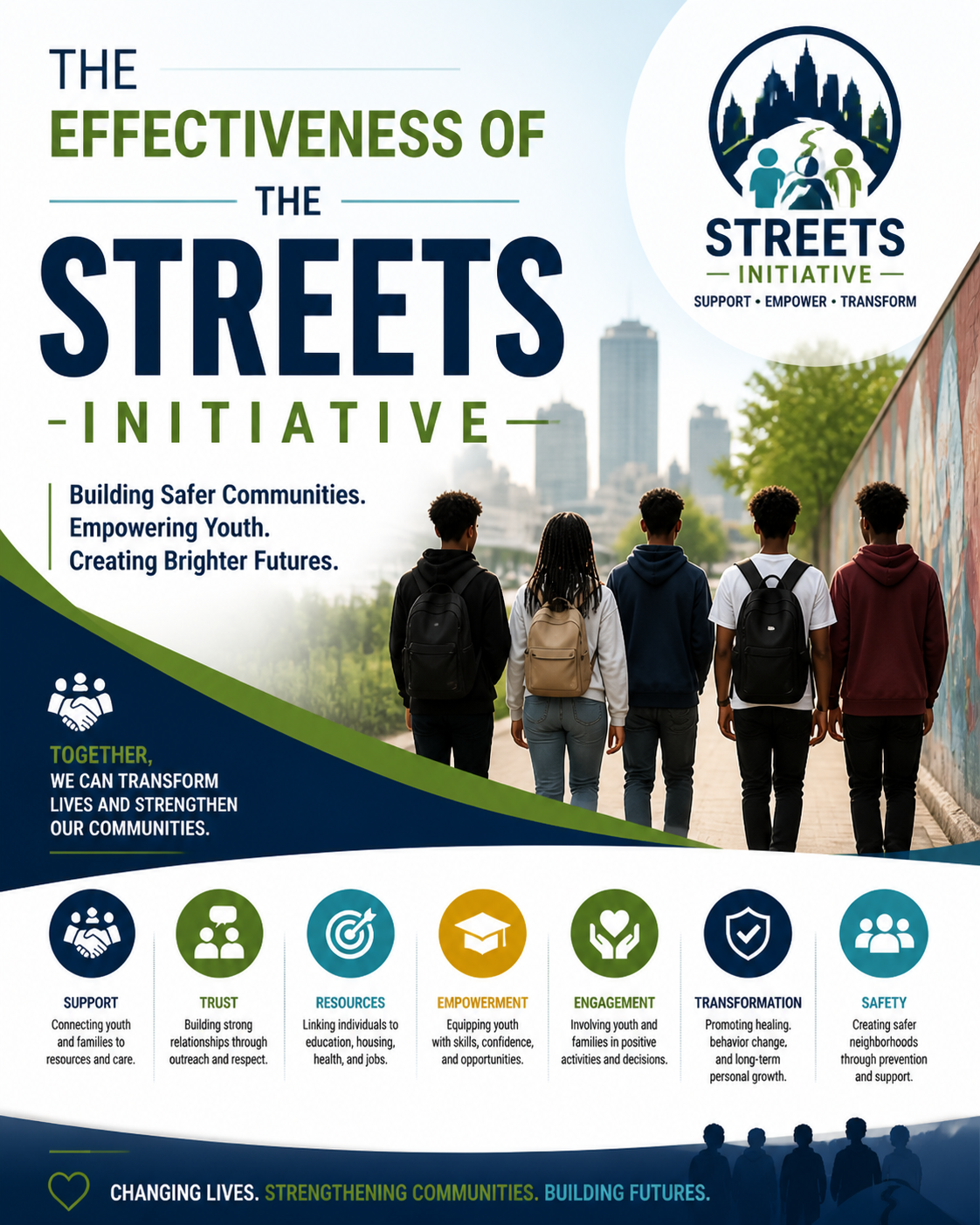
The STREETS Initiative is a comprehensive, community-based program designed to support individuals affected by substance use disorders, homelessness, or the challenges of reentering society after incarceration. By combining vocational training, educational opportunities, mental health services, life skills development, and community reintegration, the initiative promotes a holistic approach to recovery and personal growth. Rather than focusing … Read more

Ethics of the Rehab Industry

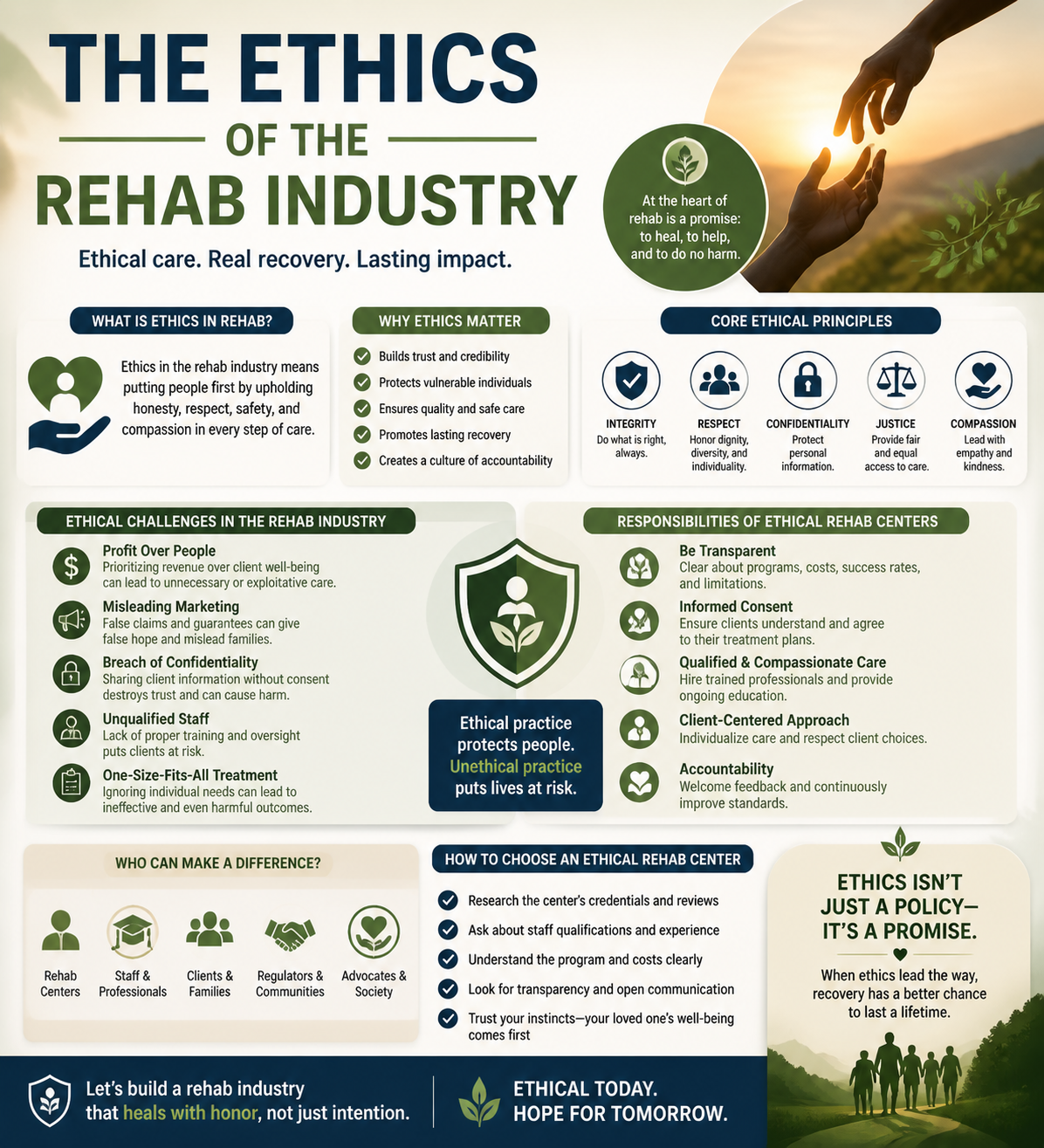
The rehab industry plays a critical role in the recovery process for individuals battling addiction. With thousands of rehab centers worldwide, offering a range of services from detox to long-term care, the industry’s influence on addiction treatment cannot be overstated. However, alongside its immense potential for healing, the rehab industry faces significant ethical challenges. The … Read more

Understanding the ACE Study

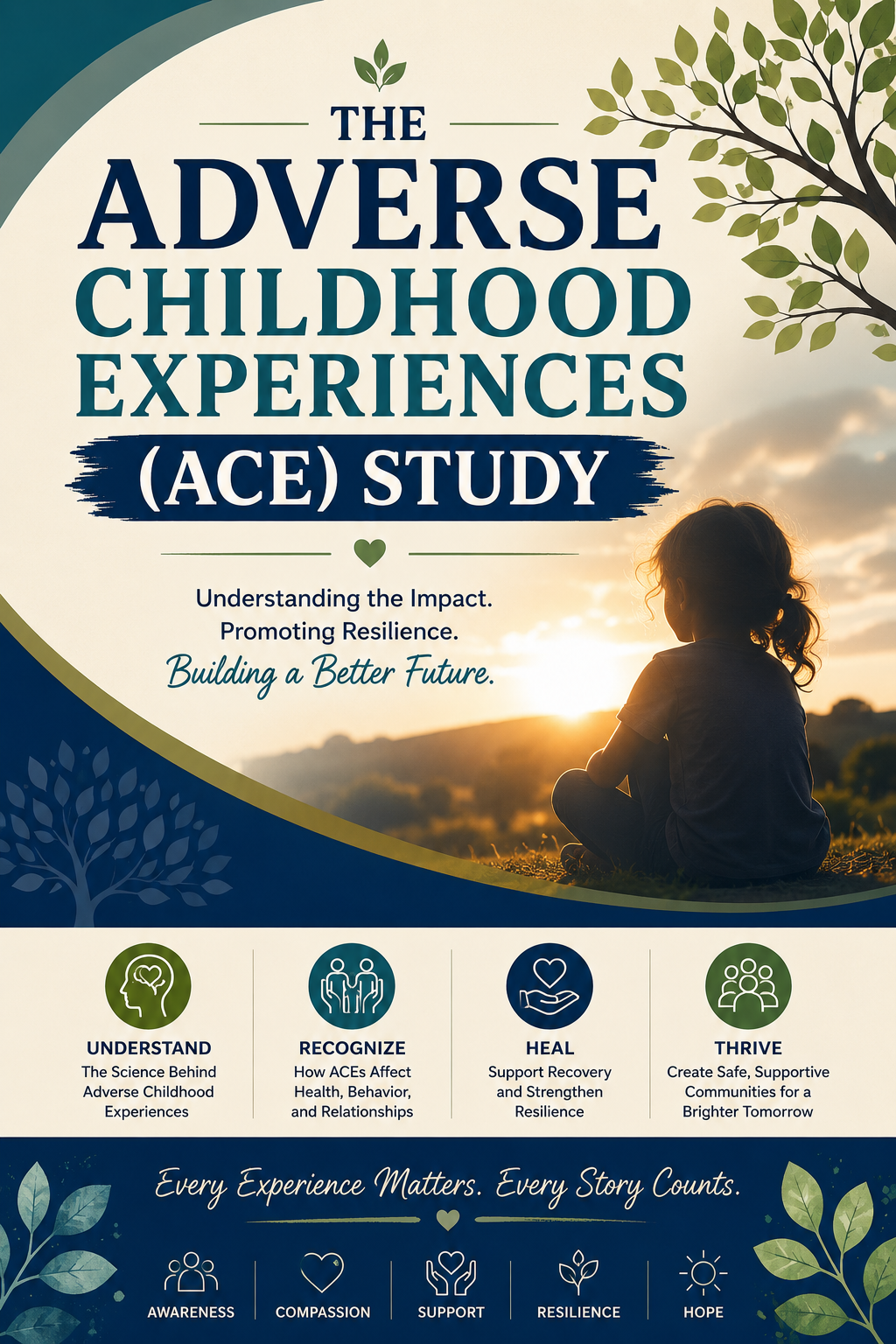
The Adverse Childhood Experiences (ACE) Study has transformed our understanding of how childhood trauma can influence physical health, mental well-being, relationships, and the risk of substance use disorders throughout life. Although adverse childhood experiences can increase the likelihood of future health challenges, they do not determine a person’s destiny. Self-management strategies empower individuals to recognize … Read more

Access Matters in Recovery

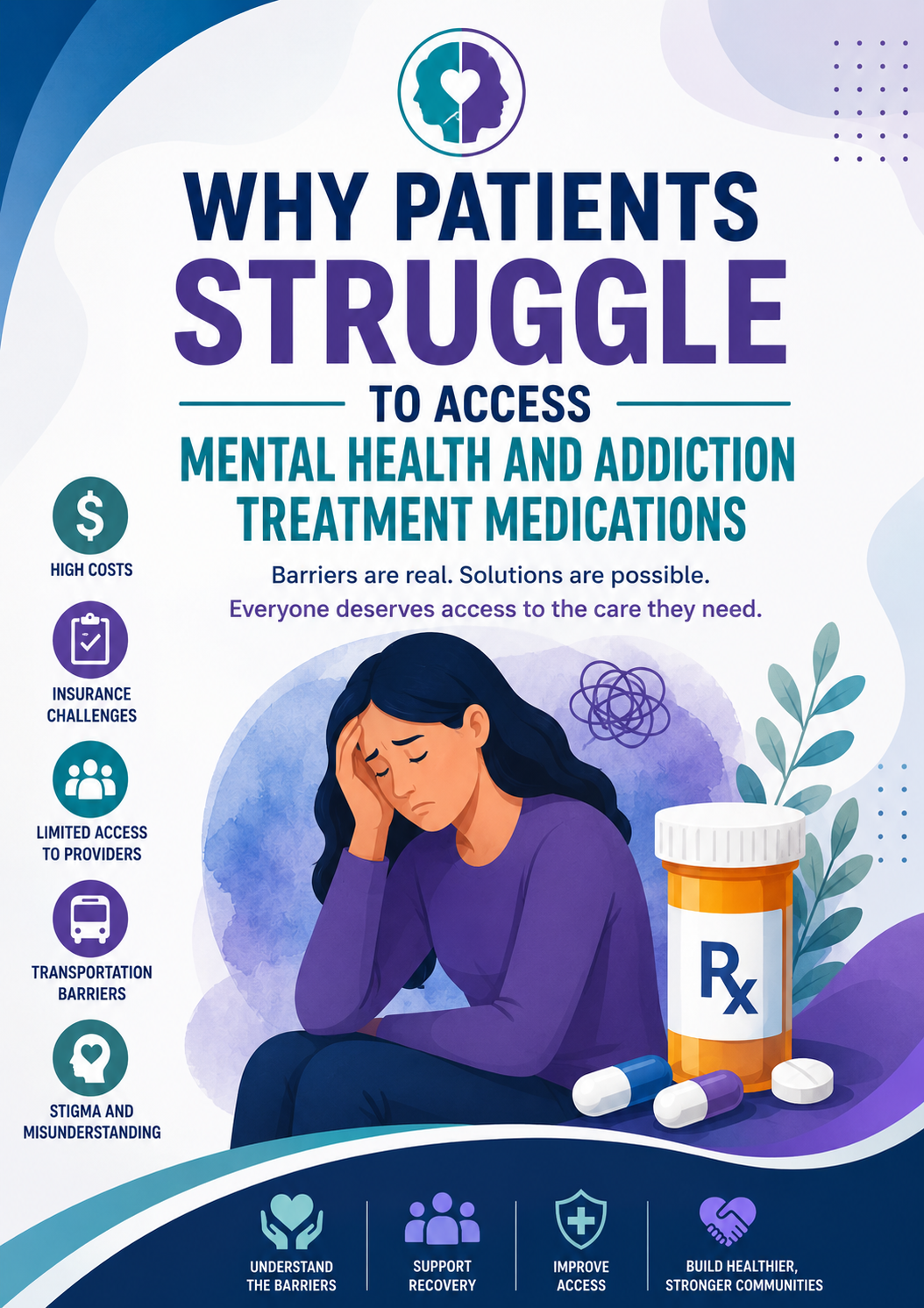
Mental health conditions and substance use disorders affect millions of people worldwide, yet many individuals struggle to obtain the medications that could significantly improve their health, stability, and quality of life. Effective treatments are available for conditions such as depression, anxiety, bipolar disorder, schizophrenia, alcohol use disorder, and opioid use disorder, but access is often … Read more

Understanding Addiction Medicine

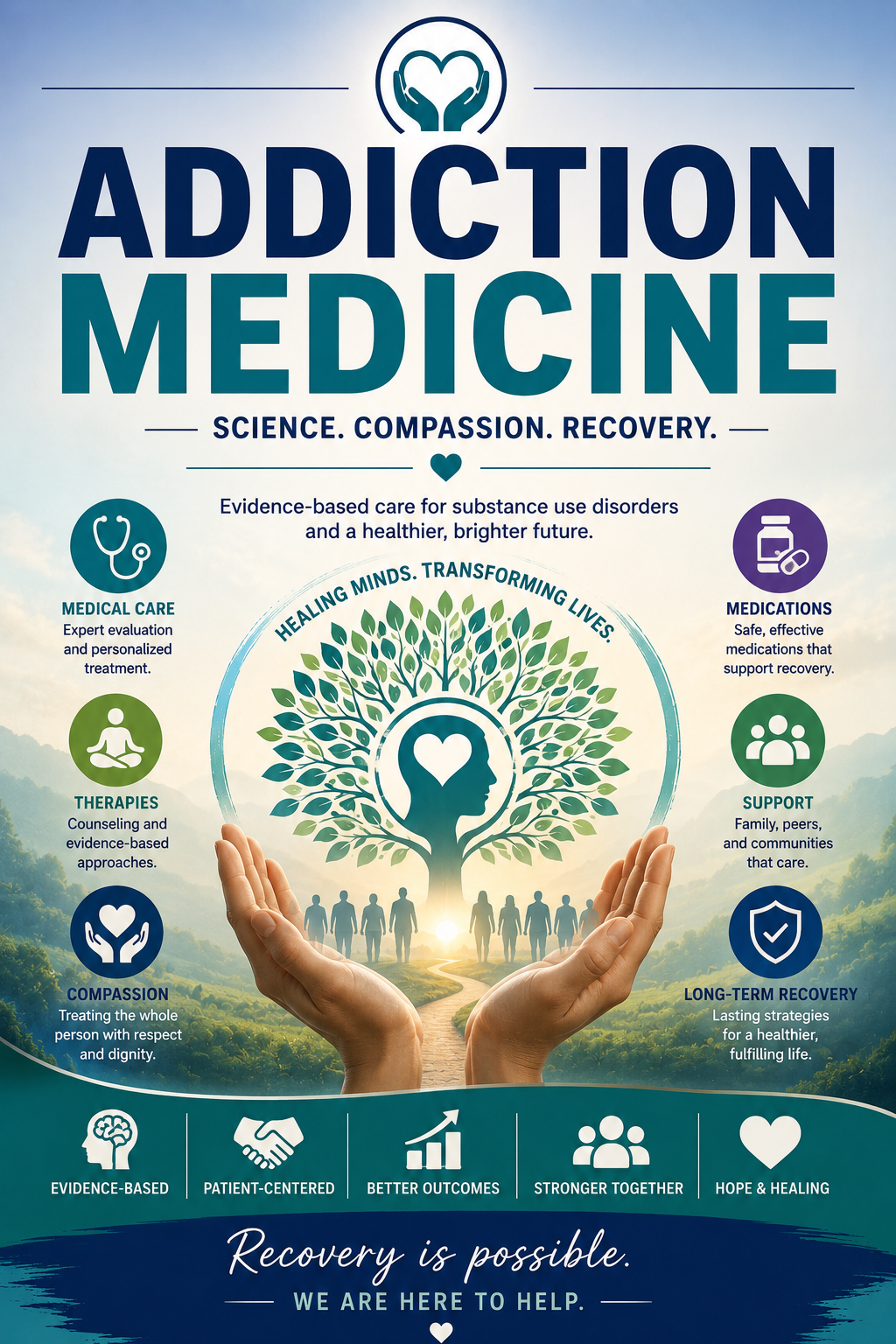
Addiction medicine is a specialized field of healthcare dedicated to preventing, diagnosing, and treating substance use disorders through evidence-based, patient-centered care. Recognizing addiction as a chronic but treatable medical condition, addiction medicine combines medications, behavioral therapies, mental health care, and long-term recovery support to address the physical, psychological, and social aspects of the disease. Rather … Read more