Mobile Addiction Treatment Programs
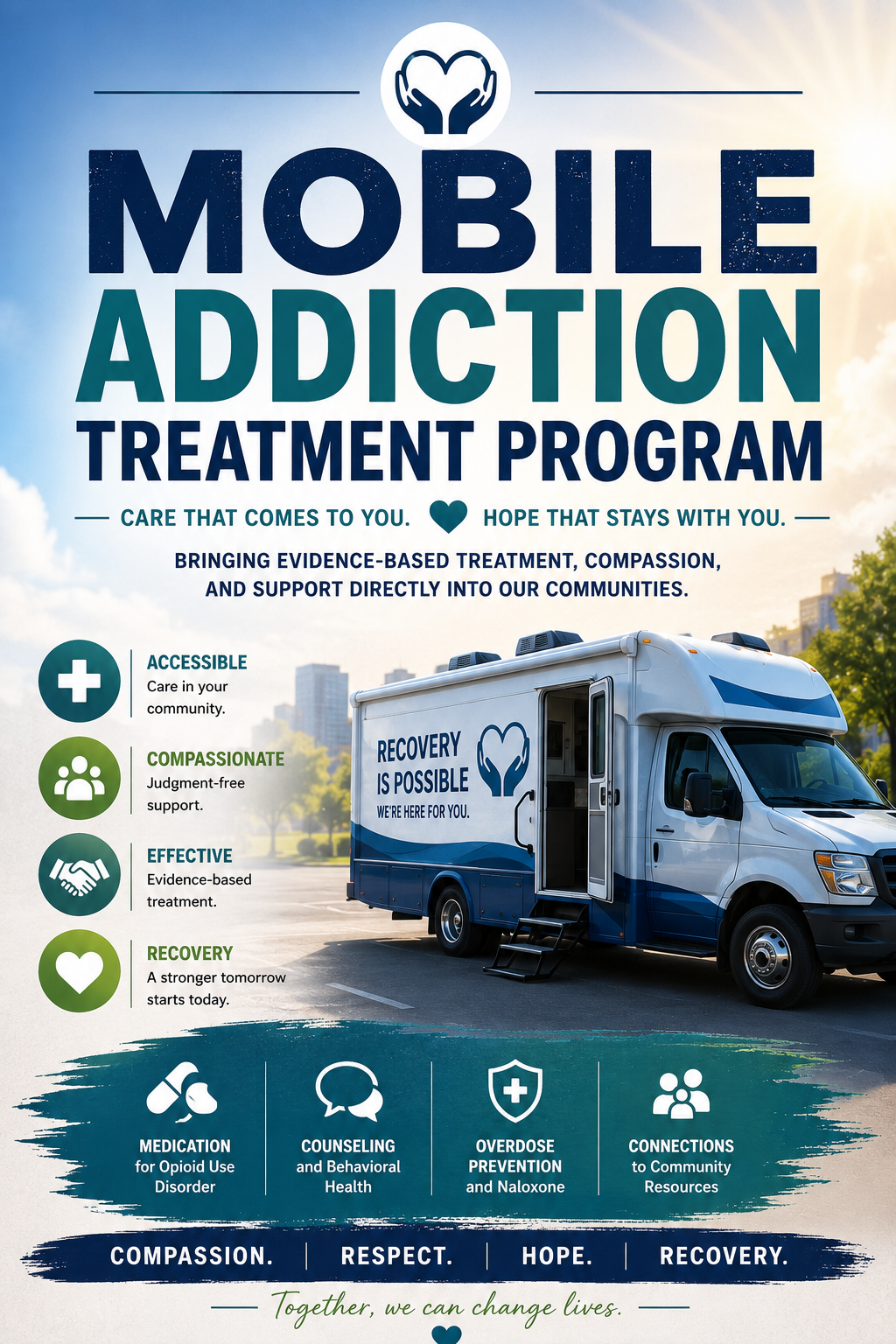
Mobile addiction treatment programs are expanding access to evidence-based care by delivering healthcare services directly to people in their communities. Operating from specially equipped vans or mobile clinics, these programs offer medical assessments, medications for opioid use disorder, counseling, mental health screenings, overdose prevention education, and referrals to additional health and social services. By overcoming … Read more
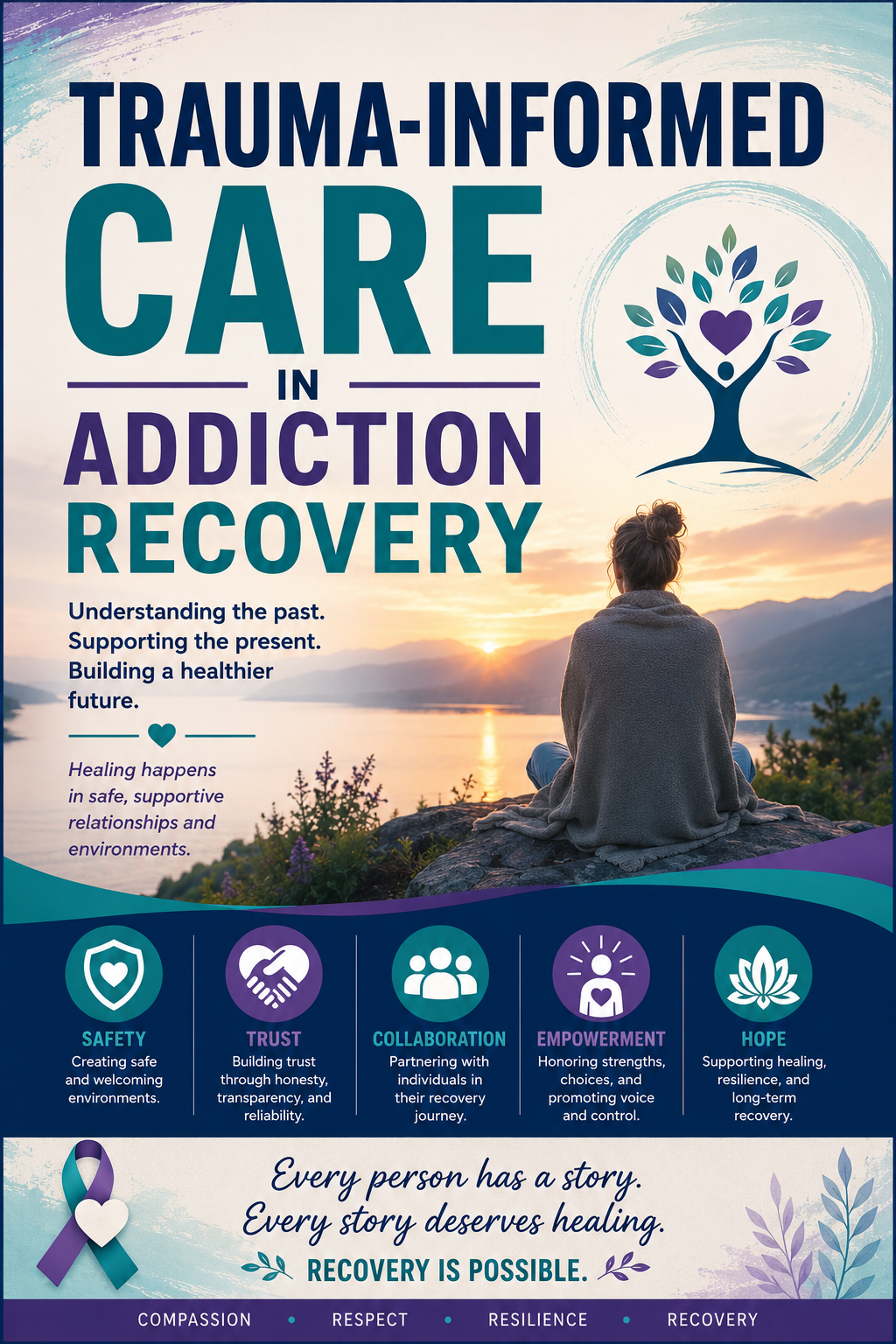
Trauma-Informed Addiction Care

Trauma and addiction are closely connected, with many individuals using alcohol or drugs as a way to cope with the emotional pain caused by adverse life experiences. Trauma may result from childhood abuse or neglect, domestic violence, sexual assault, military combat, serious accidents, natural disasters, community violence, or the loss of a loved one. These … Read more

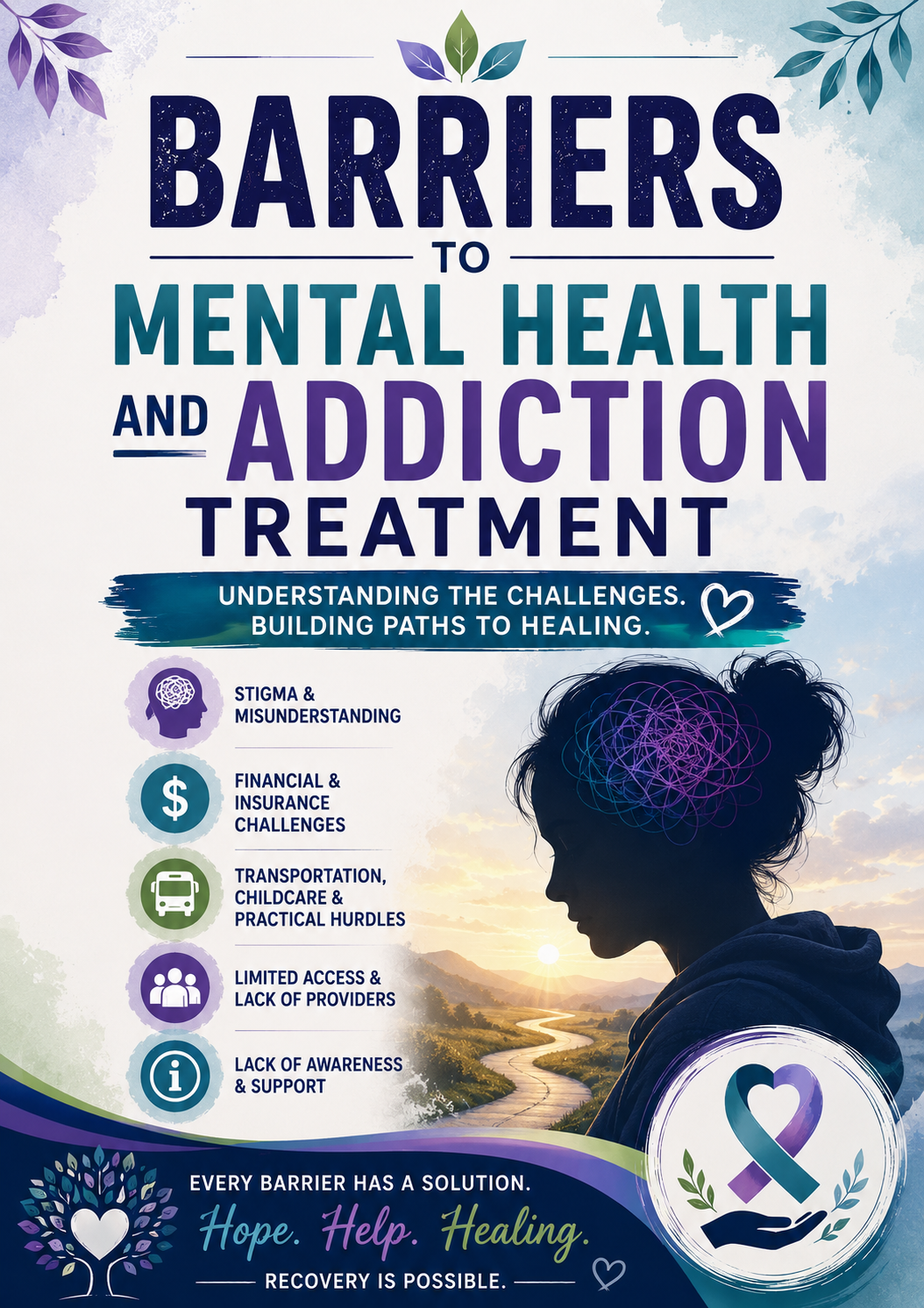
Mental Health & Addiction Barriers

Mental health conditions and substance use disorders are among the most common and treatable health conditions, yet millions of individuals do not receive the care they need because of numerous barriers to treatment. These obstacles may include stigma, financial hardship, limited access to qualified healthcare providers, transportation difficulties, childcare responsibilities, insurance restrictions, cultural differences, and … Read more

Recovery for Mothers with Children

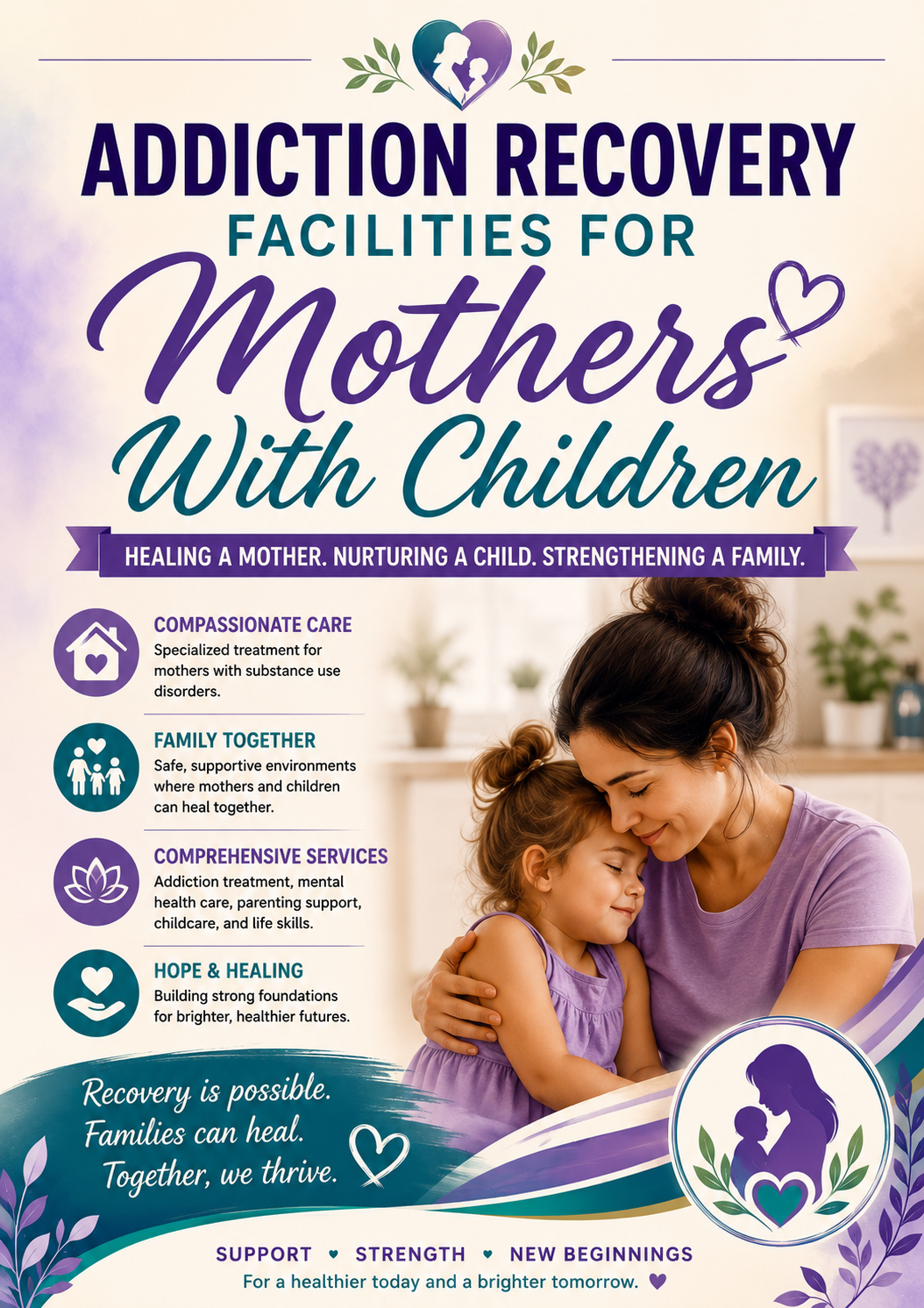
Addiction recovery facilities for mothers with children provide a unique, family-centered approach to treating substance use disorders by addressing the needs of both the mother and her children. Many women delay or avoid seeking treatment because they fear being separated from their children, losing custody, or being unable to meet their parenting responsibilities while receiving … Read more

Why Everyone Recovers Differently

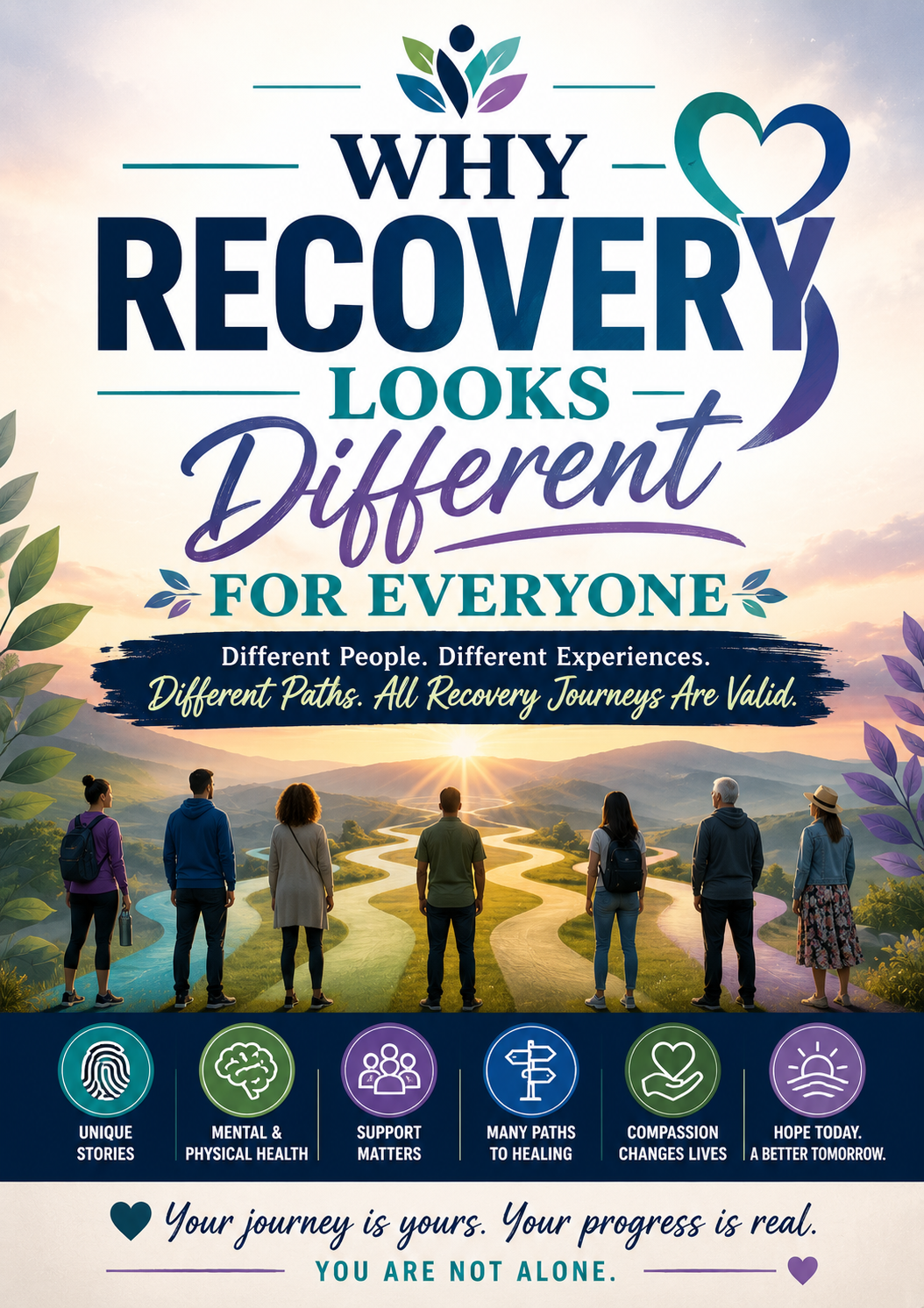
Recovery from addiction is a unique and deeply personal journey that cannot be measured by a single timeline or treatment approach. Every individual enters recovery with different life experiences, health conditions, family dynamics, emotional challenges, and personal goals. Factors such as the type of substance used, the duration of addiction, co-occurring mental health conditions, available … Read more

Gambling Addiction Group Therapy

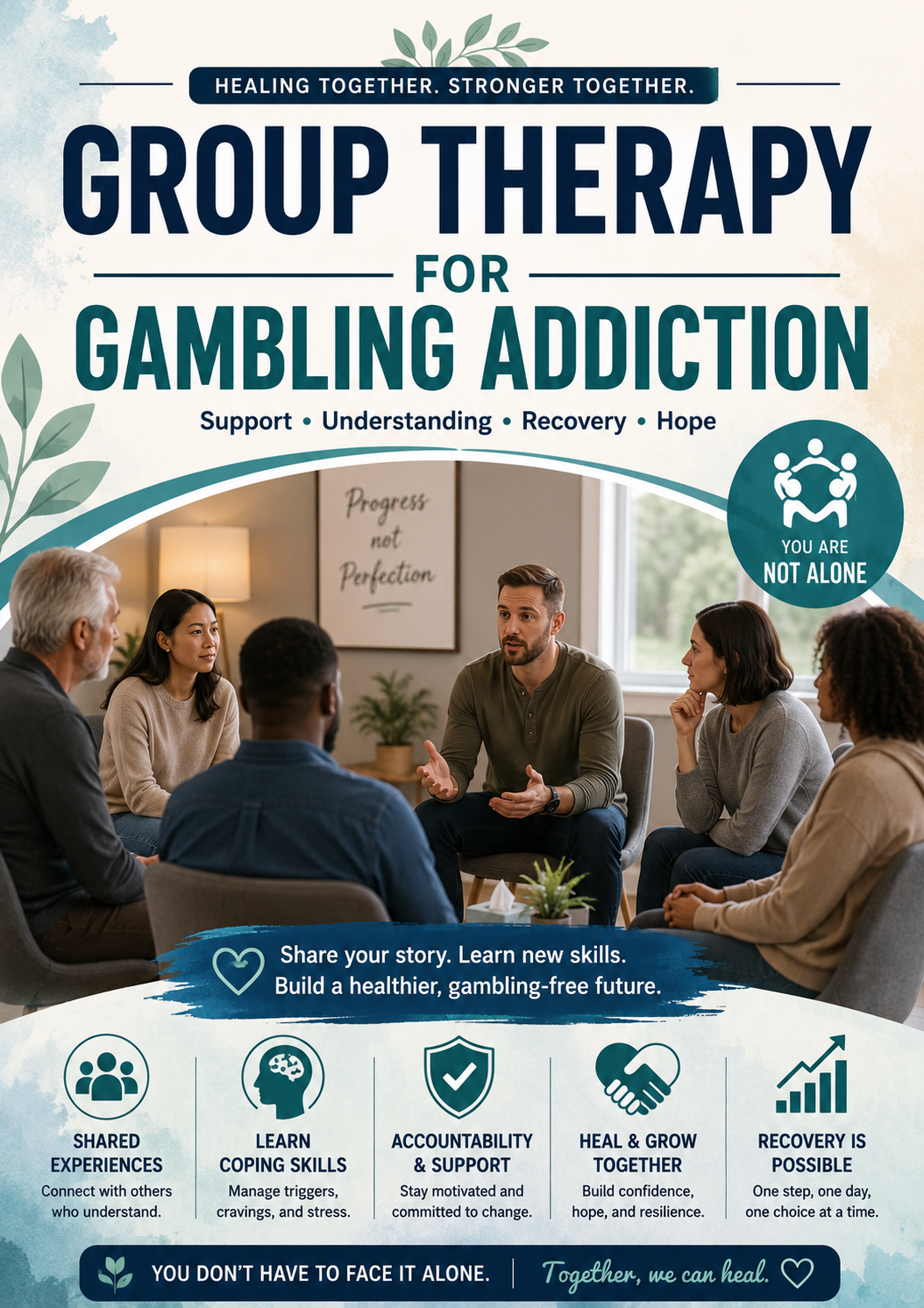
Gambling addiction, also known as gambling disorder, is a behavioral addiction that can have devastating effects on an individual’s financial stability, emotional well-being, relationships, and overall quality of life. Many people who struggle with gambling experience feelings of shame, isolation, anxiety, and hopelessness, making it difficult to seek help on their own. Group therapy has … Read more

Digital Addiction & Society

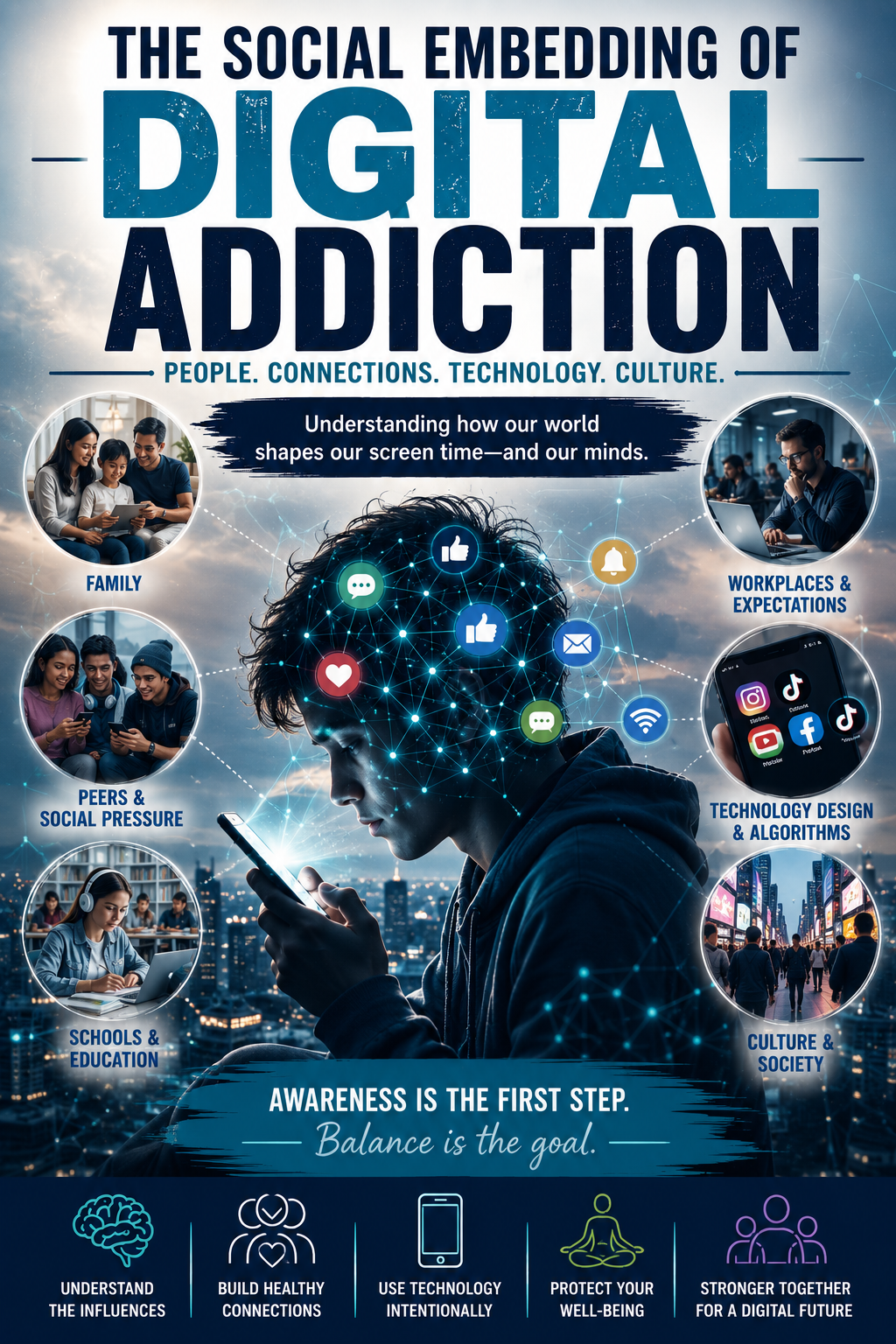
Digital technology has become an essential part of modern life, influencing how people communicate, learn, work, shop, and build relationships. Smartphones, social media, online gaming, streaming services, and digital platforms offer many benefits, but they have also raised concerns about excessive and compulsive technology use. The concept of the social embedding of digital addiction recognizes … Read more

Treating Mental Health & Addiction

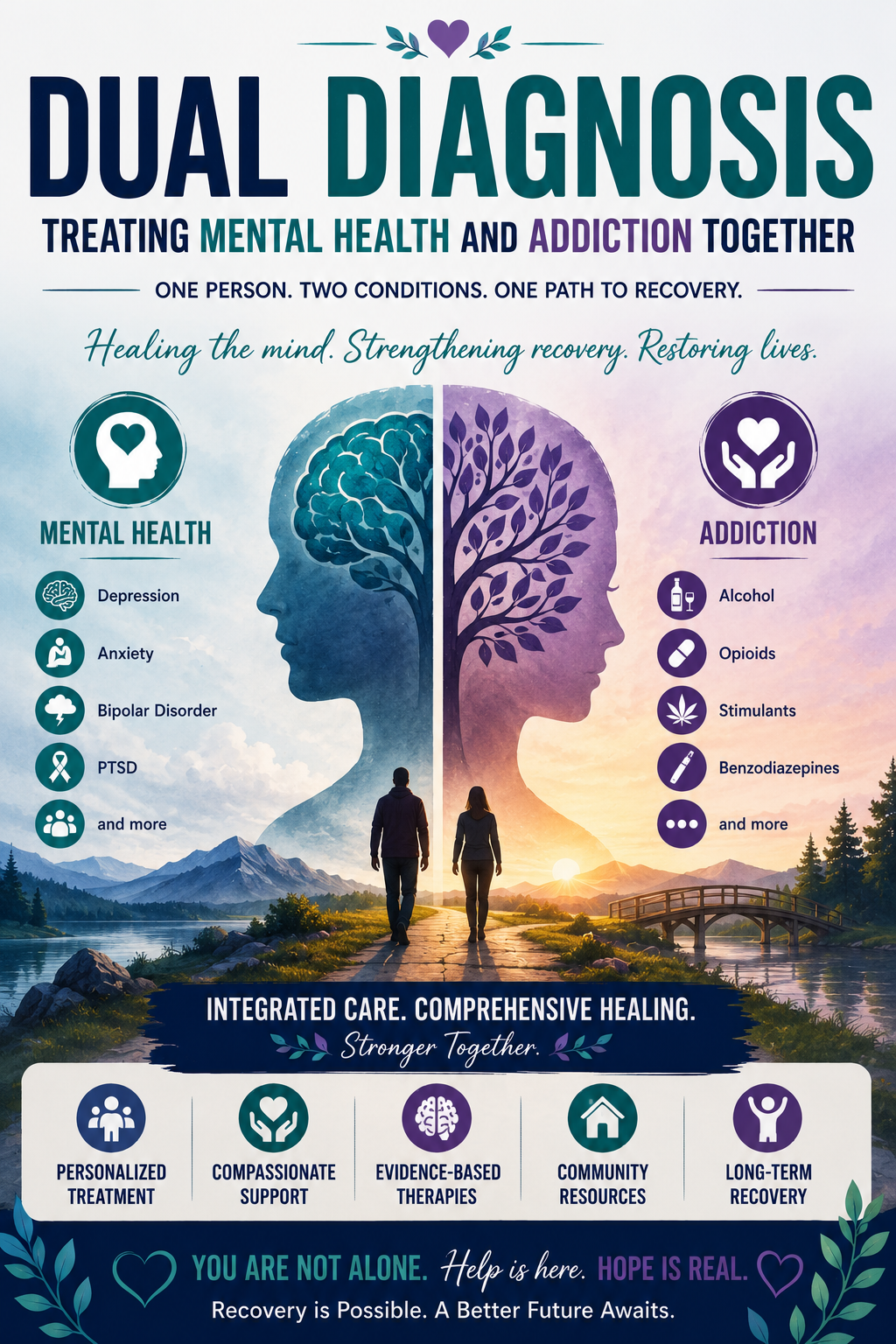
Dual diagnosis, also known as co-occurring disorders, refers to the presence of both a mental health disorder and a substance use disorder in the same individual. Common combinations include depression and alcohol use disorder, anxiety and prescription medication misuse, post-traumatic stress disorder (PTSD) and opioid use disorder, bipolar disorder and stimulant use disorder, or schizophrenia … Read more

Addiction vs. Self-Medication

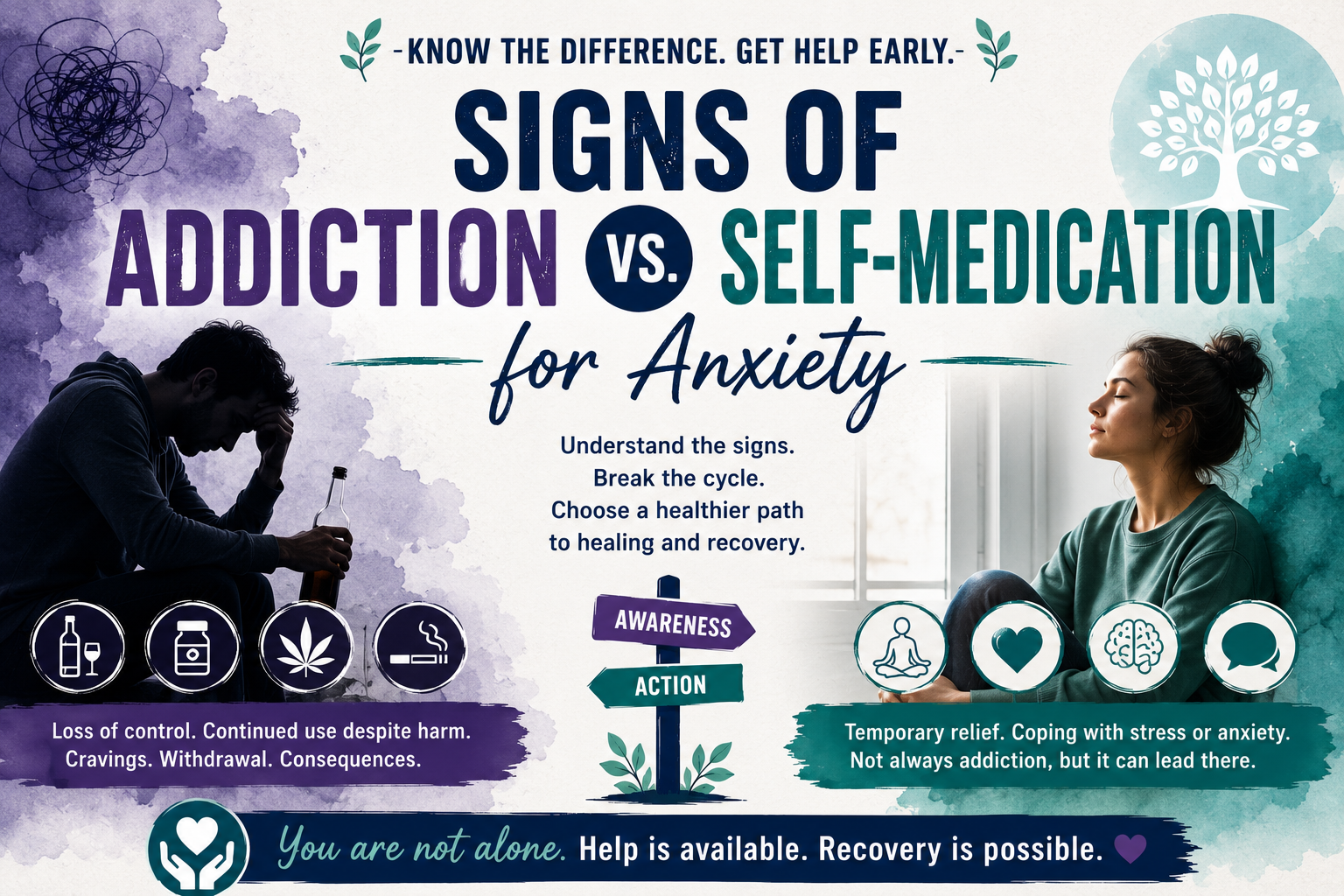
Many individuals living with anxiety attempt to manage their symptoms by using alcohol, cannabis, nicotine, prescription medications, or other substances without medical guidance. This behavior, known as self-medication, may provide temporary relief from feelings of worry, fear, or emotional distress, but it does not address the underlying cause of anxiety and can increase the risk … Read more

Hidden Signs of Workplace Burnout

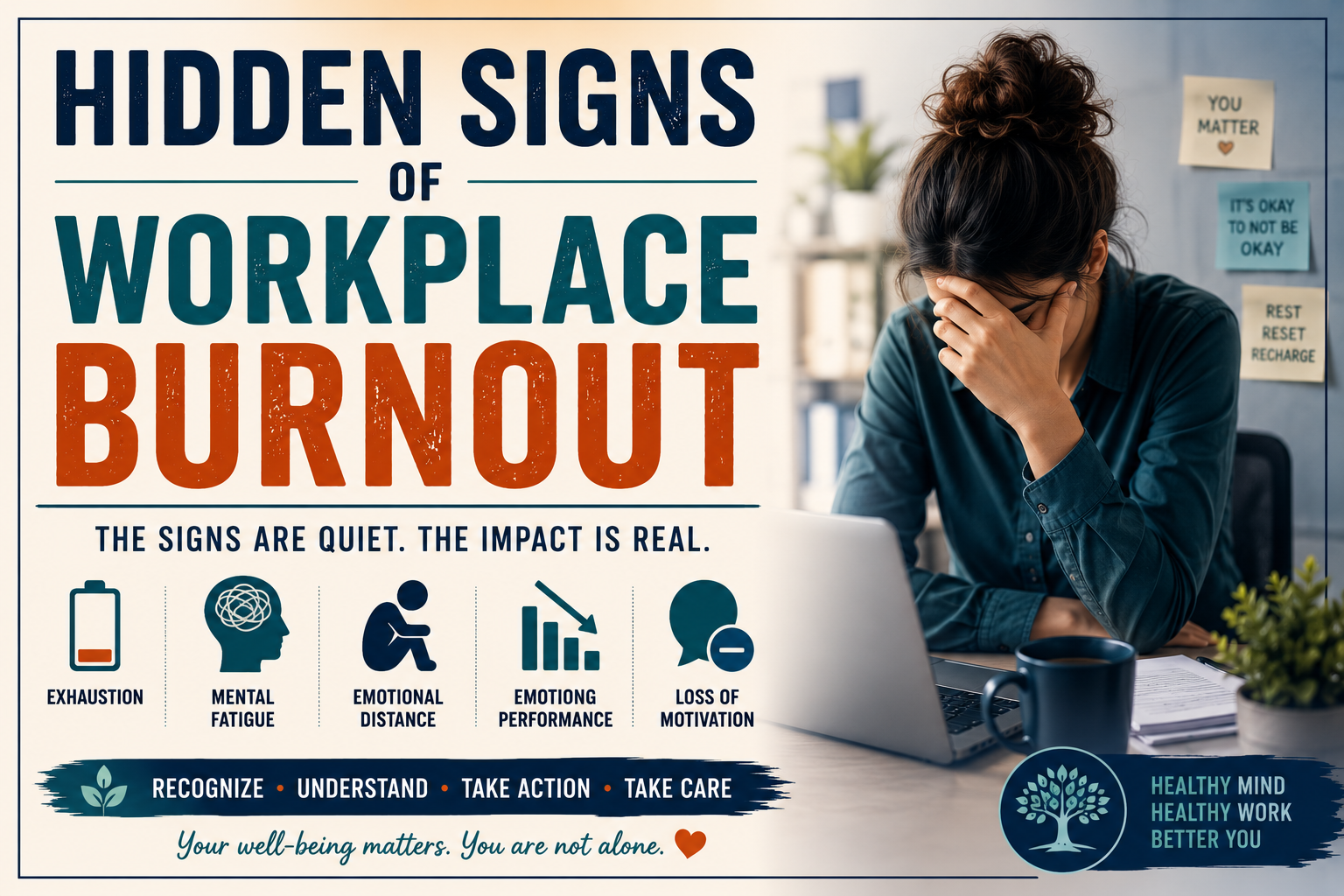
Workplace burnout has become an increasingly common concern across many professions as employees face growing workloads, staffing shortages, constant connectivity, and prolonged job-related stress. Burnout is more than simply feeling tired after a demanding day—it is a state of physical, emotional, and mental exhaustion that develops when chronic workplace stress is not successfully managed. While … Read more