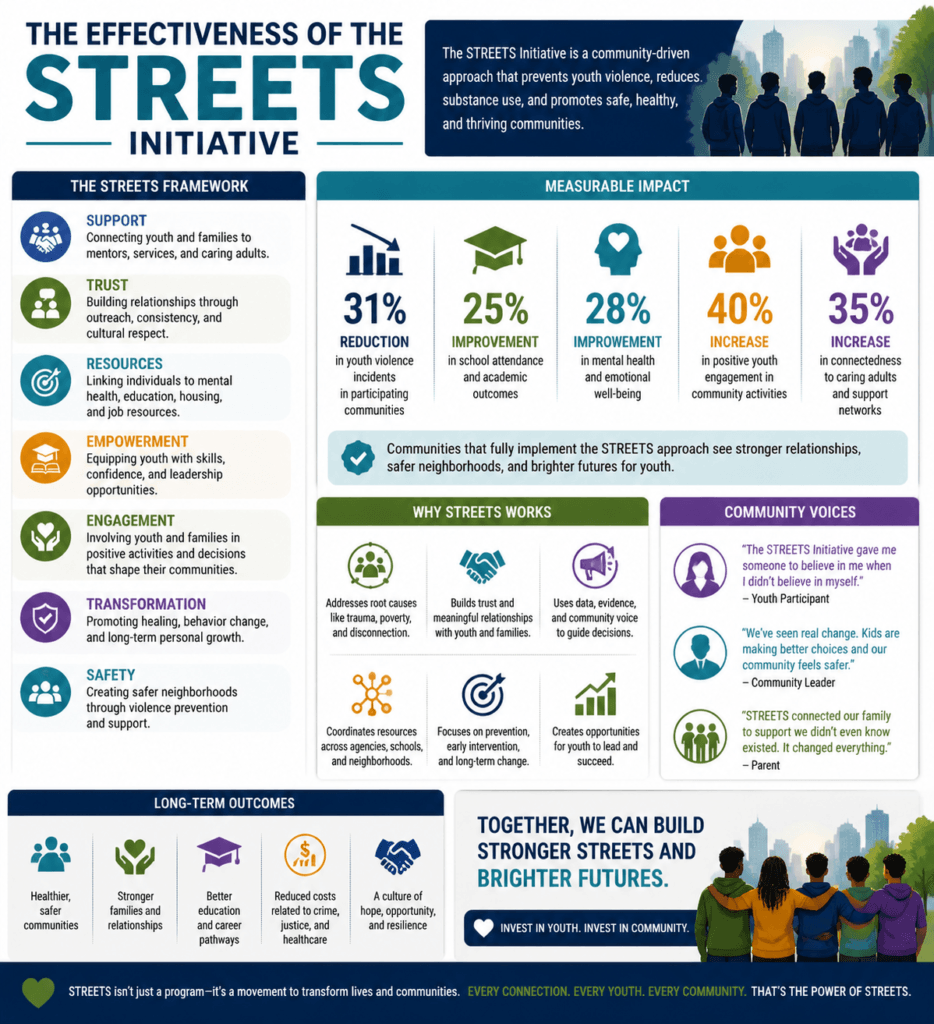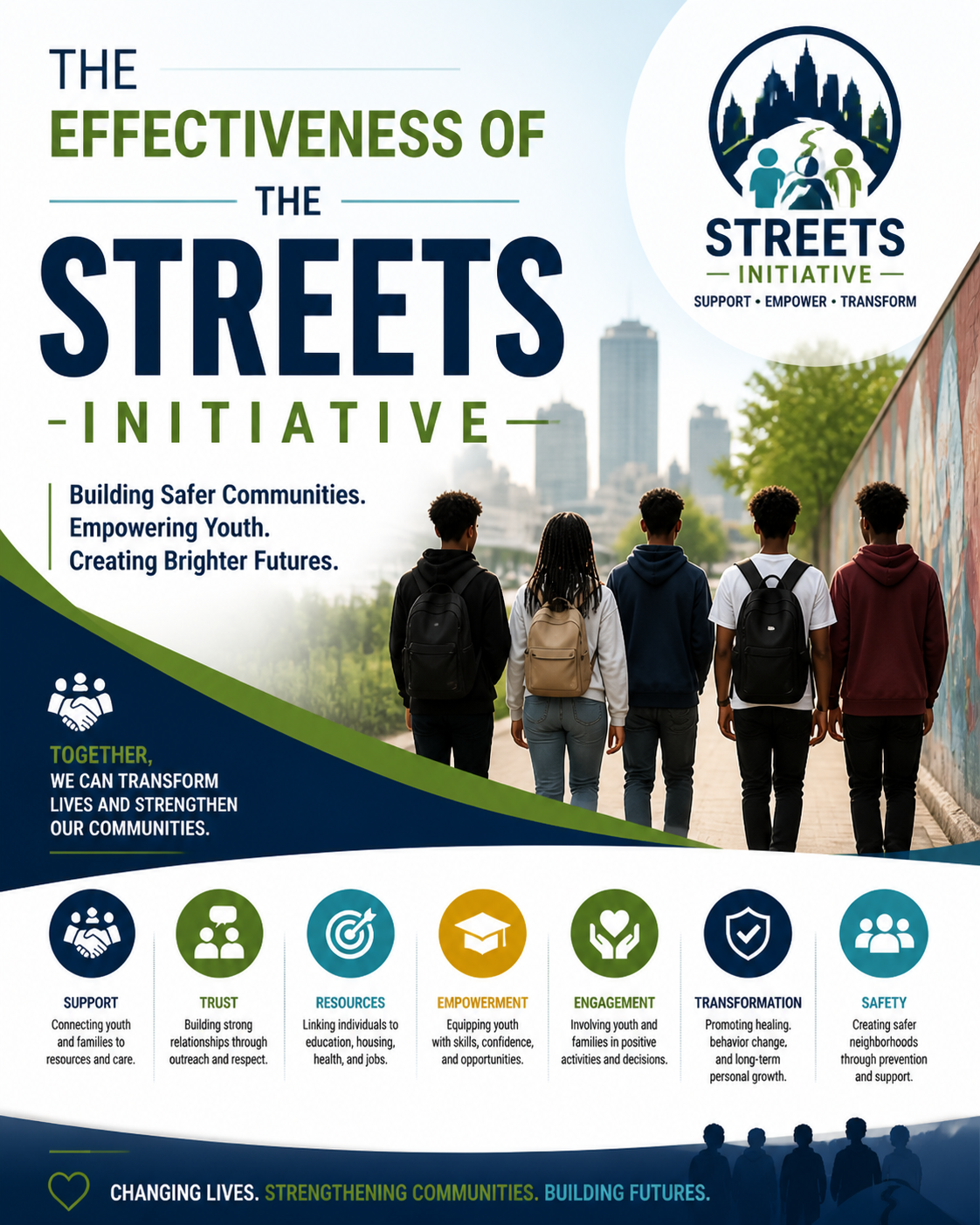
The STREETS Initiative is a comprehensive, community-based program designed to support individuals affected by substance use disorders, homelessness, or the challenges of reentering society after incarceration. By combining vocational training, educational opportunities, mental health services, life skills development, and community reintegration, the initiative promotes a holistic approach to recovery and personal growth. Rather than focusing solely on immediate needs, the program seeks to equip participants with the knowledge, skills, and support necessary to achieve long-term stability, independence, and improved quality of life. As communities continue to face the complex challenges associated with addiction and social reintegration, programs like the STREETS Initiative play an increasingly important role in promoting lasting recovery, reducing barriers to success, and helping individuals become productive members of society.
Effectiveness of the STREETS Initiative: A Holistic Approach to Rehabilitation
The STREETS Initiative is a community-driven program aimed at providing individuals with the resources, support, and skills they need to reintegrate into society after facing challenges such as substance abuse, homelessness, or incarceration. This initiative combines elements of education, vocational training, mental health support, and community engagement to create a comprehensive model for recovery and empowerment. In this blog, we’ll explore the effectiveness of the STREETS Initiative, its key strategies, and its impact on the individuals and communities it serves.
What is the STREETS Initiative?
The STREETS Initiative is designed to address the needs of individuals who are at risk of re-offending, struggling with addiction, or facing homelessness. By offering structured support and opportunities for skill-building, the initiative helps individuals regain their independence and find stability in their lives. The key components of the program include:
- Vocational Training: Participants are taught valuable work skills that can lead to employment opportunities.
- Mental Health and Addiction Support: The initiative provides counseling, therapy, and support for mental health and addiction recovery.
- Community Reintegration: The program focuses on rebuilding connections with family, friends, and communities to support long-term success.
- Education and Personal Development: Offering education opportunities and life skills training to equip individuals for future success.
The initiative is based on the belief that addressing holistic needs—including employment, education, mental health, and social connections—can significantly improve recovery outcomes.
Key Strategies of the STREETS Initiative
The STREETS Initiative uses several strategies to ensure that participants receive the support they need to succeed. These strategies focus on long-term recovery, empowerment, and community integration.
1. Comprehensive Case Management
- Individualized care: Each participant receives personalized case management to assess their unique needs and provide tailored support.
- Goal-setting: Case managers work with individuals to set realistic, achievable goals that focus on personal growth, employment, and recovery.
2. Vocational and Educational Training
- Skill development: Participants engage in job-readiness training, apprenticeships, and educational courses that equip them with valuable workforce skills.
- Work experience: Offering real-world experience through partnerships with local businesses, allowing individuals to gain hands-on experience while earning a living wage.
3. Mental Health and Addiction Recovery Support
- Therapeutic services: The initiative provides counseling and support for individuals struggling with addiction, trauma, and mental health issues.
- Integrated care: By addressing both mental health and addiction simultaneously, the program offers a comprehensive approach to recovery.
4. Peer Support and Mentorship
- Peer mentorship: Participants are paired with mentors who have successfully completed the program or have experience in recovery. This peer support network provides guidance, encouragement, and accountability.
- Community building: By fostering a sense of belonging and shared purpose, the initiative helps participants build meaningful relationships and connections.
Measuring the Effectiveness of the STREETS Initiative
The success of the STREETS Initiative can be measured by its ability to help participants achieve long-term recovery and reintegrate into society. Some of the key indicators of success include:
1. Employment and Economic Stability
- Job placement: The initiative’s vocational training and job-readiness programs have led to higher employment rates among participants, providing them with stable incomes and financial independence.
- Sustained employment: Participants who remain employed over the long term are more likely to avoid involvement with the criminal justice system and build fulfilling, independent lives.
2. Reduction in Recidivism
- Lower re-offending rates: One of the key goals of the STREETS Initiative is to reduce recidivism rates. By offering meaningful rehabilitation, education, and community reintegration, the program has shown success in preventing individuals from returning to criminal behavior.
3. Improved Mental Health and Recovery Outcomes
- Mental health stability: Individuals who receive integrated support for mental health and addiction issues often show significant improvements in their emotional and psychological well-being.
- Long-term sobriety: By addressing the root causes of addiction and providing ongoing support, the initiative has helped individuals maintain long-term sobriety.
4. Community Reintegration
- Stronger family and social ties: Through mentorship and community-building initiatives, participants rebuild relationships with their families and social networks, which provides critical support for long-term recovery.
- Active community participation: Individuals who graduate from the program are more likely to engage in community activities and volunteerism, and to contribute positively to society.
Challenges and Areas for Improvement
While the STREETS Initiative has shown considerable success, there are still areas for improvement. Some of the challenges include:
- Resource limitations: Providing comprehensive services such as mental health support, vocational training, and education requires substantial funding and resources. Ensuring sustainability and accessibility for all participants remains a challenge.
- Stigma and community acceptance: Participants often face societal stigma when reintegrating into their communities, which can make it harder to find employment or maintain relationships.
- Retention rates: While many individuals benefit from the program, some may struggle with consistent participation due to personal challenges or external factors.
Addressing these challenges requires continued investment in resources, community engagement, and collaboration with local organizations.
Conclusion
The STREETS Initiative has proven to be an effective program for helping individuals recover from addiction, rebuild their lives, and reintegrate into society. By offering a comprehensive, community-based approach to recovery, it addresses the root causes of addiction and provides individuals with the tools they need for long-term success. The focus on education, vocational training, mental health support, and community reintegration creates a sustainable pathway for recovery, leading to positive outcomes for individuals and communities alike. Despite challenges, the STREETS Initiative’s success in reducing recidivism, promoting economic stability, and improving mental health makes it a valuable model for addiction recovery programs across the globe.
Self-Management Strategies to Enhance the Effectiveness of the STREETS Initiative
The STREETS Initiative is a comprehensive program that offers individuals an opportunity to recover from addiction, reintegrate into society, and build a stable, fulfilling life. However, the success of the initiative is not solely dependent on the program itself—it also relies on participants’ ability to manage their own recovery journey. Self-management strategies are crucial for individuals who want to take an active role in their recovery, make positive choices, and achieve long-term success. In this blog, we will explore self-management strategies to enhance the effectiveness of the STREETS Initiative and help individuals make the most of their recovery.
What is Self-Management in the Context of Recovery?
Self-management refers to the ability to take responsibility for one’s own recovery, including making choices that support long-term health, well-being, and success. In the context of the STREETS Initiative, self-management strategies can empower individuals to:
- Set personal goals for their recovery and track progress.
- Build resilience by learning how to manage setbacks and challenges.
- Take ownership of their treatment plans and engage fully in the rehabilitation process.
- Maintain motivation by actively working towards the skills and resources that will help them reintegrate into society.
Self-management is essential for sustaining the benefits of the STREETS Initiative and ensuring that recovery is a long-term, ongoing process rather than a one-time intervention.
1. Setting Clear, Achievable Goals
A core self-management strategy is setting clear, achievable goals. In the STREETS Initiative, participants are often provided with case managers or mentors who help them set recovery goals. However, it is up to the individual to take ownership of these goals and work towards achieving them.
Key strategies for goal-setting include:
- Break down long-term goals: Instead of focusing on the entire recovery journey, break down the ultimate goal into smaller, more manageable milestones (e.g., finding a job, staying sober for a certain period, or completing vocational training).
- Set SMART goals: Ensure they are Specific, Measurable, Achievable, Relevant, and Time-bound. This provides clarity and direction as you work through your recovery.
- Track progress: Keep a journal or use apps to monitor your goals and progress, helping you visualize your achievements and stay motivated.
Setting and working towards realistic goals helps individuals stay on track with the STREETS Initiative, boosting confidence and reinforcing a sense of accomplishment.
2. Building and Maintaining Motivation
Motivation can fluctuate during the recovery process, especially when facing challenges or setbacks. Self-management requires participants to develop strategies for maintaining motivation, even in difficult times.
Strategies for staying motivated include:
- Find intrinsic motivation: Reflect on the personal reasons for recovery, such as rebuilding relationships, securing employment, or improving mental health. Intrinsic motivation is often more sustainable than relying on external rewards.
- Create a routine: A structured daily schedule helps individuals stay focused and engaged in recovery activities such as work training, therapy, or peer support.
- Celebrate small wins: Acknowledge and celebrate every milestone along the way, whether it’s completing a course or reaching a sober anniversary. These celebrations can renew motivation and keep individuals focused on their goals.
By cultivating intrinsic motivation and maintaining a structured routine, individuals can stay energized and dedicated to their recovery journey.
3. Practicing Emotional Regulation and Resilience
Addiction recovery is not just about overcoming physical dependence—it’s also about learning to cope with emotions, stress, and triggers that can lead to relapse. Emotional regulation is a critical self-management skill for anyone in recovery.
Ways to build emotional regulation and resilience include:
- Mindfulness and relaxation techniques: Practices such as deep breathing, meditation, and yoga can help calm the mind, reduce stress, and improve emotional balance.
- Cognitive-behavioral strategies: Learn to recognize negative thought patterns and replace them with healthier coping mechanisms. This is particularly important in dealing with triggers and cravings.
- Seek peer support: Connecting with others who have gone through similar struggles can provide emotional support and offer coping strategies for dealing with difficult situations.
Developing emotional regulation helps individuals bounce back from setbacks and build long-term resilience against the challenges of recovery.
4. Actively Engaging in Education and Vocational Training
The STREETS Initiative includes vocational training and education programs as key components of recovery. However, the effectiveness of these programs depends on how actively participants engage in them.
Self-management strategies for maximizing education and vocational training include:
- Set learning goals: Whether it’s acquiring a specific skill or earning a certification, setting educational and training goals can help individuals stay focused and motivated.
- Take initiative: Engage actively in classes, training sessions, or mentorship programs. Seek opportunities to ask questions, develop skills, and take on new challenges.
- Apply new skills: Look for opportunities to practice and apply them, whether through part-time jobs, internships, or volunteering. This hands-on experience helps reinforce learning and prepares individuals for long-term employment.
By actively engaging in educational opportunities, individuals can enhance their employability and create a stronger foundation for a stable future.
5. Building Healthy Relationships and Support Networks
Recovery is not a solitary journey, and having a strong support network is essential for success. Self-managing relationships means building healthy, supportive connections with others and setting boundaries when necessary.
Strategies for strengthening relationships and support networks include:
- Seek positive role models and mentors: The STREETS Initiative provides mentorship opportunities, and connecting with a mentor can offer guidance and accountability.
- Set boundaries: Learn to establish boundaries with individuals or situations that may trigger unhealthy behaviors or temptations.
- Engage in peer support groups: Participating in support groups or 12-step programs can offer mutual encouragement and understanding from individuals who have faced similar challenges.
By cultivating supportive relationships, individuals in recovery can reinforce their commitment to staying sober and achieving their long-term goals.
Conclusion
Self-management is a powerful tool in ensuring the long-term success of the STREETS Initiative. By taking ownership of their recovery journey, setting clear goals, building resilience, and engaging in educational and vocational opportunities, individuals can maximize the program’s benefits. The STREETS Initiative provides the necessary support and resources, but self-management strategies empower participants to actively shape their future and ensure that recovery is not just a phase, but a permanent lifestyle change.
Family Support Strategies for the Effectiveness of the STREETS Initiative
The STREETS Initiative recognizes that lasting recovery and successful community reintegration require more than individual effort. Family members often play a vital role in helping participants build confidence, maintain motivation, and achieve long-term stability. When families are informed, supportive, and actively engaged, they can strengthen the positive outcomes of programs that focus on education, employment, mental health, addiction recovery, and community involvement.
Family support does not mean solving every problem or removing every obstacle. Instead, it involves creating a healthy environment that fosters personal responsibility while offering emotional support and practical assistance. By understanding the goals of the STREETS Initiative, families become valuable partners in the recovery and reintegration process.
Why Family Support Matters
Recovery and community reintegration are more successful when individuals have a dependable support system. Families can reinforce the lessons learned through the STREETS Initiative and help participants remain focused on long-term goals.
Benefits of family involvement include:
- Improved emotional support during challenging times
- Greater accountability for recovery goals
- Increased motivation to complete educational and vocational programs
- Stronger family relationships built on trust and communication
- Reduced risk of relapse or recidivism through ongoing encouragement
1. Learn About the STREETS Initiative
Families who understand the program’s purpose and services are better prepared to provide meaningful support.
Helpful strategies include:
- Learning about the program’s goals and expectations
- Understanding available counseling and educational services
- Becoming familiar with vocational training opportunities
- Asking staff questions about participant progress
- Attending family education sessions when available
Knowledge helps families become confident advocates while avoiding misunderstandings about the recovery process.
2. Encourage Open and Respectful Communication
Recovery is strengthened when individuals feel heard without fear of criticism.
Families can improve communication by:
- Listening without interrupting
- Avoiding blame or judgment
- Encouraging honest conversations
- Recognizing accomplishments, even small ones
- Discussing concerns calmly and respectfully
Healthy communication builds trust and strengthens relationships.
3. Support Educational and Career Goals
Many participants enter the STREETS Initiative to improve employment opportunities and develop new skills.
Families can encourage success by:
- Celebrating educational achievements
- Supporting attendance at classes or training
- Helping prepare for job interviews
- Encouraging consistent work habits
- Recognizing progress toward career goals
Employment often improves confidence, financial stability, and long-term recovery.
4. Promote Healthy Daily Habits
Recovery involves developing routines that support both physical and mental health.
Families can encourage:
- Regular sleep schedules
- Nutritious meals
- Physical activity
- Stress-management techniques
- Consistent attendance at counseling or support meetings
Healthy routines reinforce the structure promoted within the STREETS Initiative.
5. Establish Healthy Boundaries
Supportive families balance compassion with accountability.
Healthy boundaries include:
- Avoiding enabling behaviors
- Encouraging personal responsibility
- Setting realistic expectations
- Following through with agreed-upon consequences
- Respecting everyone’s emotional well-being
Boundaries create stability while promoting independence.
6. Participate in Recovery Planning
Recovery is most successful when families work together with participants and professionals.
Ways to become involved include:
- Attending family meetings
- Participating in counseling sessions
- Helping establish realistic recovery goals
- Supporting discharge or transition planning
- Encouraging continued participation in community services
Working together creates a coordinated support system.
7. Build Positive Community Connections
Strong community relationships reduce isolation and improve long-term success.
Families can encourage involvement in:
- Volunteer activities
- Faith-based organizations, if desired
- Recreational programs
- Community events
- Peer support groups
- Mentorship opportunities
Positive social connections help participants develop healthy lifestyles beyond the program.
8. Recognize That Recovery Takes Time
Recovery and reintegration are gradual processes that require patience.
Families should remember to:
- Celebrate progress rather than expect perfection
- Understand that setbacks can occur
- Encourage continued learning
- Focus on long-term growth
- Maintain hope during difficult periods
Patience allows individuals to build lasting confidence and resilience.
Signs That Family Support Is Making a Difference
Positive outcomes may include:
- Increased participation in education or employment
- Improved communication within the family
- Better emotional regulation
- Greater independence
- Consistent engagement in treatment and recovery activities
- Stronger commitment to long-term goals
These improvements often develop gradually through continued encouragement and support.
Final Thoughts
The effectiveness of the STREETS Initiative extends beyond the services provided within the program. Family members play a significant role in helping participants apply the skills they learn to everyday life. Through education, open communication, healthy boundaries, emotional encouragement, and active participation in the recovery process, families can strengthen the initiative’s impact and promote lasting success.
When families, community organizations, and rehabilitation professionals work together, they create a supportive environment that encourages healing, personal growth, and successful reintegration. This collaborative approach helps individuals build healthier relationships, achieve greater independence, and maintain long-term recovery.
Community Resource Strategies to Enhance the Effectiveness of the STREETS Initiative
The STREETS Initiative is a holistic program designed to provide individuals who are struggling with addiction or homelessness the opportunity to rebuild their lives. By offering a combination of vocational training, education, mental health support, and community reintegration, it seeks to address the root causes of addiction and homelessness while preparing individuals for a sustainable, independent future. While the initiative itself plays a crucial role, leveraging community resources is equally vital in ensuring its effectiveness. In this blog, we will explore key community resource strategies to enhance the impact of the STREETS Initiative and help individuals successfully transition to long-term recovery and self-sufficiency.
What Are Community Resources in the Context of the STREETS Initiative?
Community resources are the local organizations, networks, and services that support STREETS Initiative participants beyond the program’s direct services. These resources play a significant role in enhancing the initiative’s effectiveness by:
- Providing additional support: Resources like mental health services, employment assistance, and housing programs help create a comprehensive support system.
- Building connections: Community resources facilitate connections between individuals in the program and their broader community, fostering a sense of belonging and engagement.
- Ensuring sustainability: By connecting participants with local networks and community resources, the community ensures that individuals have access to support long after completing the program.
By effectively incorporating these community resources, the STREETS Initiative can significantly improve its long-term impact on participants’ lives.
Key Community Resource Strategies for Enhancing the STREETS Initiative
1. Collaborating with Local Employment Agencies and Businesses
One of the primary goals of the STREETS Initiative is to help individuals develop vocational skills and secure sustainable employment. However, this goal can only be fully realized by leveraging local employment agencies and businesses that can provide job opportunities for participants.
Community strategies for enhancing this component include:
- Partnerships with local businesses: Work with local businesses to offer internships, apprenticeships, or entry-level positions to participants. These partnerships can lead to full-time employment opportunities and help participants gain valuable work experience.
- Job readiness training: In addition to vocational training within the STREETS Initiative, local employment agencies can offer workshops on resume writing, interview skills, and job search strategies to prepare individuals for the workforce.
- Job placement services: Connecting participants with employment agencies that specialize in assisting individuals with criminal records, addiction recovery, or prior homelessness can increase the likelihood of successful placement.
By connecting participants to local job markets, the STREETS Initiative helps ensure that they can secure stable, meaningful employment that supports long-term recovery.
2. Connecting Participants with Mental Health and Addiction Support Services
Addiction recovery and mental health support go hand in hand. Even though the STREETS Initiative provides mental health and addiction counseling, community partnerships with local mental health services are essential for ensuring participants have ongoing support after completing the program.
Strategies for enhancing mental health and addiction support include:
- Collaboration with mental health clinics: Partner with local clinics or nonprofit organizations that offer ongoing therapy or support groups for mental health and addiction recovery.
- Peer support networks: Facilitate connections to peer support groups, such as 12-step programs or SMART Recovery, where participants can find ongoing support and build a community of people with shared experiences.
- Access to outpatient care: Ensure that participants have access to outpatient mental health care for continued therapy, medication management, or case management services after they complete the STREETS Initiative.
By building strong connections with local mental health and addiction recovery services, the STREETS Initiative can help participants address the psychological components of their recovery and improve long-term outcomes.
3. Providing Access to Housing and Financial Stability Resources
For many individuals transitioning out of rehab or recovery programs, housing and financial stability are critical factors in maintaining sobriety and independence. Without stable housing or a steady income, the risk of relapse and homelessness remains high. By connecting participants with housing programs and financial resources, the STREETS Initiative can provide a more sustainable path to recovery.
Key community strategies include:
- Collaborations with housing agencies: Partner with local housing authorities and nonprofit organizations that provide transitional housing, sober living environments, and affordable housing for individuals in recovery.
- Financial literacy programs: Collaborate with community organizations that offer financial education workshops to teach budgeting, saving, and credit management, thereby promoting long-term financial independence.
- Rental assistance programs: Help connect individuals to government programs or nonprofit organizations that provide rental assistance for individuals with low income or facing barriers due to criminal records.
These resources create a safety net for participants as they transition from the STREETS Initiative into independent living, reducing the risk of relapse and ensuring long-term recovery.
4. Building Strong Community Support Networks
Successful recovery is not just about medical and therapeutic support; it’s also about belonging. A strong support network of family, friends, mentors, and community members can make a huge difference in someone’s recovery. The STREETS Initiative can play a pivotal role in helping participants build and sustain these connections.
Community strategies for enhancing support networks include:
- Family engagement: Engage participants’ families in the recovery process by offering family therapy, family education sessions, and support groups to help families understand addiction and recovery and better support their loved ones.
- Mentorship programs: Connect participants with mentors who have successfully completed the program or have been through similar recovery journeys. Mentors can offer guidance, encouragement, and accountability.
- Community-building activities: Organize events, workshops, or volunteer opportunities that allow participants to get involved in their community, fostering a sense of belonging and support.
Building strong support networks helps participants stay engaged in the recovery process and creates a foundation for long-term success.
5. Leveraging Public and Private Funding for Resource Access
Ensuring that the STREETS Initiative has access to sufficient resources requires collaboration with both public and private sectors. Funding from government programs, grants, and private donors can help expand and sustain the initiative’s impact.
Key strategies for securing funding and resource access include:
- Government grants: Pursue funding opportunities from federal and state agencies that support addiction recovery, homelessness prevention, and vocational training programs.
- Partnerships with nonprofits: Partner with nonprofit organizations specializing in addiction recovery and social services to provide participants with access to a wide range of resources.
- Corporate sponsorships and donations: Reach out to local businesses and corporations for sponsorships, donations, or employee volunteer programs to help fund the initiative and provide additional support.
Securing and managing funding ensures that the STREETS Initiative can continue to offer its services and support participants in achieving lasting recovery.
Conclusion
The effectiveness of the STREETS Initiative relies heavily on integrating community resources to support participants’ recovery and reintegration into society. By partnering with local businesses, mental health services, housing programs, and financial stability resources, the initiative can provide a comprehensive, sustainable support system for individuals overcoming addiction. Community collaboration enhances the program’s success by providing long-term support and opportunities for participants, ensuring they have the tools they need to maintain their recovery and achieve independence. Through these community resource strategies, the STREETS Initiative can create a positive and lasting impact on individuals and the communities they return to.
Frequently Asked Questions
Here are some common questions:
1. What is the STREETS Initiative?
The STREETS Initiative is a community-based program designed to help individuals overcome barriers such as substance use disorders, involvement with the criminal justice system, homelessness, unemployment, or other social challenges. The program emphasizes education, employment, life skills, mental health support, and community engagement to promote long-term recovery and independence.
2. What are the primary goals of the STREETS Initiative?
The initiative aims to:
- Reduce substance use and relapse
- Improve employment opportunities
- Increase educational achievement
- Promote mental health and emotional well-being
- Strengthen family relationships
- Reduce criminal behavior and recidivism
- Support successful reintegration into the community
3. How is the effectiveness of the STREETS Initiative measured?
Program effectiveness is commonly evaluated by tracking:
- Employment rates after program completion
- Educational achievements or certifications
- Housing stability
- Reduced substance use
- Lower rates of arrest or incarceration
- Improved physical and mental health
- Participant satisfaction
- Long-term program retention
These measures help determine whether participants experience meaningful improvements over time.
4. Why is community involvement important to the program’s success?
Community partnerships provide opportunities that extend beyond treatment.
Benefits include:
- Employment opportunities
- Volunteer experiences
- Mentorship programs
- Housing assistance
- Healthcare access
- Social support networks
These resources help participants maintain progress after completing the program.
5. How does vocational training improve program outcomes?
Vocational training helps participants:
- Develop marketable job skills
- Increase self-confidence
- Build financial independence
- Improve long-term employment prospects
- Reduce reliance on public assistance
- Lower the likelihood of returning to criminal activity
Stable employment is associated with better long-term recovery outcomes.
6. Does the STREETS Initiative address mental health?
Yes. Many participants experience co-occurring mental health conditions alongside substance use disorders.
Programs may include:
- Individual counseling
- Group therapy
- Trauma-informed care
- Stress management
- Anger management
- Crisis intervention
- Referrals to psychiatric services when appropriate
Treating both addiction and mental health conditions improves recovery success.
7. How do families contribute to the effectiveness of the STREETS Initiative?
Families strengthen recovery by:
- Providing emotional encouragement
- Supporting healthy routines
- Reinforcing accountability
- Participating in family counseling
- Encouraging employment and education
- Helping individuals remain connected to recovery resources
Positive family involvement often improves long-term outcomes.
8. What challenges can affect the success of the STREETS Initiative?
Several factors may limit success, including:
- Limited funding
- Housing instability
- Unemployment
- Transportation barriers
- Untreated mental illness
- Family conflict
- Community stigma
- Limited access to healthcare
- Difficulty maintaining long-term engagement
Addressing these barriers increases the likelihood of positive outcomes.
9. Can the STREETS Initiative reduce relapse and recidivism?
Programs that combine addiction treatment, education, employment support, mental healthcare, and community resources have been associated with lower rates of relapse and criminal justice involvement than programs addressing only one area. However, outcomes vary depending on participant needs, program quality, and available community support.
10. Why is long-term follow-up important?
Recovery continues long after a program ends.
Follow-up services help participants:
- Maintain sobriety
- Continue employment
- Access counseling
- Solve new challenges
- Prevent relapse
- Stay connected with mentors and support groups
Ongoing support increases the likelihood of sustained recovery.
11. What role do mentors play in the STREETS Initiative?
Mentors provide guidance by:
- Sharing lived experiences
- Offering encouragement
- Teaching coping skills
- Helping participants set goals
- Providing accountability
- Connecting participants with community resources
Positive mentoring relationships often improve confidence and resilience.
12. Is the STREETS Initiative appropriate for everyone?
The program may benefit many individuals facing substance use, social, or economic challenges, but no single approach works for everyone. The most effective intervention depends on a person’s clinical needs, motivation, support system, and access to services. Comprehensive assessment helps determine whether the STREETS Initiative is an appropriate fit.
13. How can communities support the STREETS Initiative?
Communities can strengthen the program by:
- Offering employment opportunities
- Supporting affordable housing initiatives
- Providing volunteer and mentorship programs
- Expanding access to healthcare and counseling
- Reducing stigma surrounding addiction and recovery
- Partnering with local organizations
- Supporting educational and vocational programs
14. What are the signs of a successful STREETS Initiative?
Indicators of success may include:
- Increased employment and educational attainment
- Stable housing
- Reduced substance use
- Improved physical and mental health
- Stronger family relationships
- Greater community involvement
- Increased self-confidence
- Reduced criminal justice involvement
- Improved quality of life
15. What is the biggest strength of the STREETS Initiative?
Its greatest strength is its comprehensive, person-centered approach. Rather than focusing on a single issue, the initiative addresses multiple factors that influence recovery—including education, employment, mental health, family support, and community engagement. By addressing these interconnected needs, the program aims to help participants build healthier, more stable, and more independent lives.
Conclusion
The STREETS Initiative has proven to be an effective model for addiction recovery, emphasizing the importance of holistic care and community reintegration. By providing participants with the tools to build a stable, fulfilling life — including vocational skills, mental health support, and education — the initiative offers more than just recovery; it provides a path to independence. While challenges remain, such as securing adequate funding and combating stigma, the STREETS Initiative demonstrates that with the right support and resources, individuals can overcome the barriers to long-term success. As the initiative continues to evolve, its potential to positively impact communities and individuals in need remains a powerful example of how collaborative, community-based solutions can lead to meaningful change.
Video: How Long-Term Recovery Actually Looks Different #recovery #addiction #transformation