The Adverse Childhood Experiences (ACE) Study has transformed our understanding of how childhood trauma can influence physical health, mental well-being, relationships, and the risk of substance use disorders throughout life. Although adverse childhood experiences can increase the likelihood of future health challenges, they do not determine a person’s destiny. Self-management strategies empower individuals to recognize the effects of past adversity and to develop healthy coping skills, emotional resilience, and positive lifestyle habits. By learning about ACEs, identifying personal triggers, managing stress effectively, seeking appropriate support, and practicing self-care, individuals can take an active role in improving their overall well-being and reducing the long-term impact of childhood trauma.
The Adverse Childhood Experiences (ACE) Study
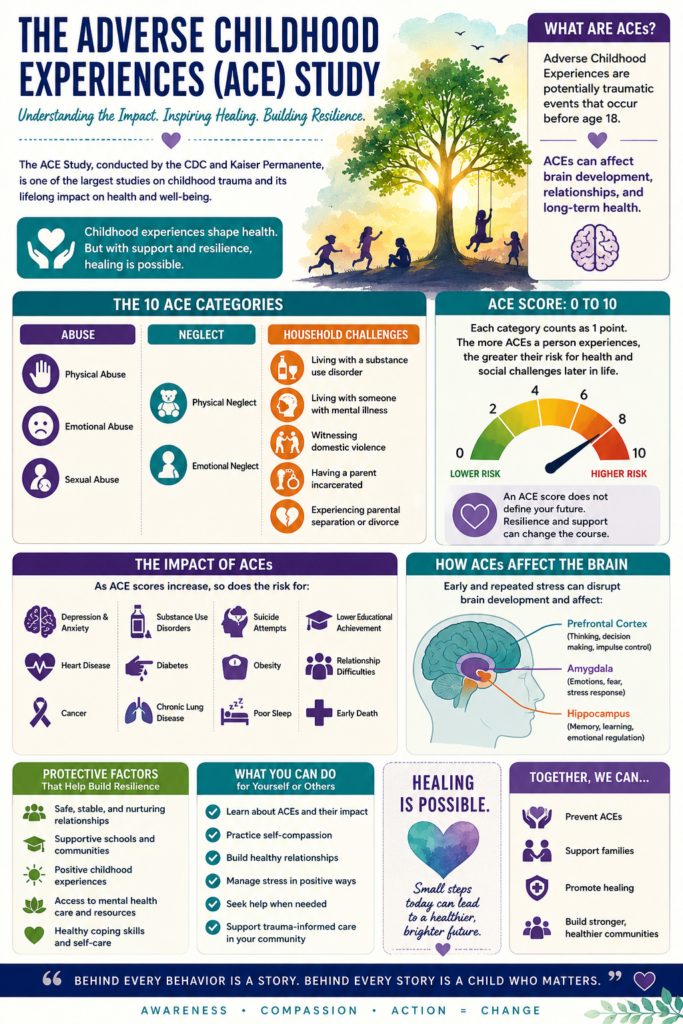
The Adverse Childhood Experiences (ACE) Study is one of the most influential public health studies ever conducted on the long-term effects of childhood trauma. Originally carried out by the Centers for Disease Control and Prevention (CDC) and Kaiser Permanente in the 1990s, the study demonstrated a strong relationship between early-life adversity and an increased risk of chronic disease, mental illness, substance use disorders, and premature death. Its findings transformed the understanding of how childhood experiences shape lifelong health and emphasized the importance of trauma-informed care.
What Are Adverse Childhood Experiences?
Adverse Childhood Experiences are potentially traumatic events that occur before the age of 18. These experiences can disrupt healthy brain development, affect emotional regulation, and increase vulnerability to physical and mental health problems later in life.
The original ACE Study identified ten categories of adverse experiences grouped into three areas:
Abuse
- Physical abuse
- Emotional abuse
- Sexual abuse
Neglect
- Physical neglect
- Emotional neglect
Household Challenges
- Living with a parent or caregiver who has a substance use disorder
- Living with someone with a mental illness
- Witnessing domestic violence
- Having a parent incarcerated
- Experiencing parental separation or divorce
Each category counts as one point toward an individual’s ACE score.
What Is an ACE Score?
An ACE score ranges from 0 to 10, depending on how many categories of adversity a person experienced during childhood. The score is not intended to diagnose a condition but to estimate exposure to childhood adversity.
Research has shown that as ACE scores increase, so does the likelihood of developing a variety of health and social problems throughout life. However, an ACE score does not determine a person’s future. Many individuals with high ACE scores lead healthy, fulfilling lives, particularly when they have supportive relationships, effective coping skills, and access to appropriate care.
How Childhood Trauma Affects the Brain
Repeated exposure to trauma during childhood activates the body’s stress response system. When this occurs over long periods without adequate support, it can lead to toxic stress, which may alter normal brain development.
Areas commonly affected include:
- The amygdala processes fear and other emotional responses.
- The hippocampus, which supports learning and memory.
- The prefrontal cortex, which helps regulate emotions, decision-making, and impulse control.
These changes may contribute to difficulties with emotional regulation, concentration, healthy relationships, and coping with stress.
The Connection Between ACEs and Addiction
One of the most important findings of the ACE Study is the strong association between childhood trauma and substance use disorders. Individuals who experience multiple ACEs are more likely to use alcohol or drugs to cope with emotional pain, anxiety, depression, or unresolved trauma.
Trauma does not directly cause addiction, but it increases vulnerability by influencing stress responses, emotional regulation, and coping behaviors. Without healthy support systems or treatment, substance use may become a way to temporarily relieve emotional distress.
Other Long-Term Health Effects
Higher ACE scores have also been associated with an increased risk of:
- Depression and anxiety
- Post-traumatic stress disorder (PTSD)
- Suicide attempts
- Alcohol and drug misuse
- Smoking
- Obesity
- Heart disease
- Stroke
- Diabetes
- Chronic lung disease
- Certain cancers
- Poor sleep
- Chronic pain
- Relationship difficulties
- Lower educational attainment
- Unemployment and financial instability
These associations highlight the lasting impact of childhood adversity on overall health and well-being.
Protective Factors Build Resilience
Although ACEs increase health risks, many people recover and thrive. Protective factors can reduce the effects of childhood adversity and promote resilience.
Examples include:
- Safe, stable, and nurturing relationships
- Positive parenting and supportive caregivers
- Access to mental health services
- Trauma-informed healthcare
- School support programs
- Mentors and trusted adults
- Healthy friendships
- Community engagement
- Stable housing and financial resources
- Healthy coping skills, such as exercise, mindfulness, and creative activities
These protective factors can buffer the effects of stress and improve long-term outcomes.
Trauma-Informed Care
The ACE Study has encouraged healthcare systems, schools, and community organizations to adopt trauma-informed care. This approach recognizes that many individuals have experienced trauma and emphasizes safety, trust, collaboration, empowerment, and cultural sensitivity.
Rather than asking, “What’s wrong with you?” trauma-informed care asks, “What happened to you?” This shift helps providers understand behaviors in the context of life experiences and supports compassionate, individualized care.
Why the ACE Study Matters Today
The ACE Study changed how healthcare professionals understand the relationship between childhood experiences and adult health. It demonstrated that preventing childhood adversity and supporting families can improve lifelong health outcomes. The study also reinforced the importance of early intervention, trauma-informed care, mental health services, and evidence-based addiction treatment.
Conclusion
The Adverse Childhood Experiences (ACE) Study revealed that childhood trauma can have lasting effects on physical health, mental well-being, and the risk of substance use disorders. While higher ACE scores are associated with increased health risks, they do not define a person’s future. Recovery and resilience are possible through supportive relationships, trauma-informed care, healthy coping strategies, and access to effective treatment. By understanding the impact of childhood adversity, healthcare professionals, families, educators, and communities can work together to prevent trauma, promote healing, and help individuals build healthier, more hopeful futures.
Self-Management Strategies to Understand the Adverse Childhood Experiences (ACE) Study
The Adverse Childhood Experiences (ACE) Study demonstrates that childhood trauma can influence physical health, mental well-being, relationships, and the risk of substance use disorders throughout life. However, an ACE score is not a prediction of a person’s future. Many individuals with high ACE scores live healthy, meaningful lives by developing resilience, seeking support, and learning healthy coping skills. Understanding your experiences and taking an active role in your well-being can promote healing and improve long-term health.
1. Learn About ACEs and Their Impact
Education is the first step toward healing. Understanding how childhood experiences affect the brain and body can reduce self-blame and increase awareness of healthy coping strategies.
Self-management tips:
- Learn what the 10 original ACE categories include.
- Understand the connection between toxic stress and long-term health.
- Recognize that ACEs increase risk but do not determine your future.
- Use reliable educational resources to better understand trauma and resilience.
2. Recognize Your Personal Triggers
Past trauma may influence how you respond to stress, conflict, or emotional situations.
Helpful strategies:
- Identify situations that trigger anxiety, anger, sadness, or fear.
- Keep a journal to notice emotional and behavioral patterns.
- Pause before reacting during stressful situations.
- Practice grounding techniques when you feel overwhelmed.
Recognizing triggers allows you to respond thoughtfully rather than react automatically.
3. Develop Healthy Coping Skills
Many people who experience childhood trauma develop unhealthy coping mechanisms. Replacing these with healthier alternatives promotes recovery.
Healthy coping strategies include:
- Deep breathing exercises
- Mindfulness meditation
- Yoga or stretching
- Regular physical activity
- Journaling
- Creative arts or music
- Spending time in nature
- Practicing gratitude
Healthy coping reduces stress and strengthens emotional resilience.
4. Prioritize Your Mental Health
Trauma can increase the risk of anxiety, depression, post-traumatic stress disorder (PTSD), and substance use disorders.
Support your mental health by:
- Scheduling regular mental health check-ins.
- Seeking counseling or therapy if symptoms interfere with daily life.
- Following treatment recommendations.
- Taking prescribed medications as directed, if applicable.
Early treatment can improve emotional well-being and quality of life.
5. Build Positive Relationships
Supportive relationships are among the strongest protective factors against the long-term effects of childhood adversity.
Focus on:
- Spending time with trusted friends and family.
- Setting healthy boundaries.
- Seeking relationships built on respect and trust.
- Joining community groups or support networks.
Healthy relationships promote healing and reduce isolation.
6. Practice Stress Management
Chronic stress can affect both physical and emotional health.
Daily stress-management techniques include:
- Deep breathing
- Progressive muscle relaxation
- Meditation
- Adequate sleep
- Time management
- Limiting excessive screen time
- Taking regular breaks during the day
Managing stress helps regulate the body’s stress response system.
7. Take Care of Your Physical Health
Physical wellness supports emotional recovery.
Healthy habits include:
- Eating a balanced diet
- Exercising regularly
- Getting 7–9 hours of sleep each night
- Staying hydrated
- Limiting alcohol and avoiding illicit drug use
- Attending routine medical appointments
Healthy lifestyle choices strengthen both the body and the mind.
8. Avoid Using Substances to Cope
Some individuals with higher ACE scores may use alcohol or drugs to manage emotional pain. While substances may provide temporary relief, they often worsen mental and physical health over time.
Instead:
- Reach out to supportive people.
- Practice healthy coping skills.
- Seek professional treatment if substance use becomes difficult to control.
- Participate in recovery support groups if needed.
Choosing healthier coping methods reduces the risk of developing substance use disorders.
9. Build Resilience Through Small Daily Actions
Resilience is the ability to adapt and recover from adversity, and it can be strengthened over time.
Ways to build resilience include:
- Setting realistic goals.
- Celebrating small successes.
- Practicing self-compassion.
- Maintaining hope during difficult times.
- Learning new skills.
- Volunteering or helping others.
Resilience grows through consistent positive habits rather than dramatic changes.
10. Seek Trauma-Informed Care
Healthcare providers who practice trauma-informed care understand how past experiences may affect current health and behavior.
Trauma-informed care emphasizes:
- Safety
- Trust
- Respect
- Collaboration
- Empowerment
- Individualized treatment
Do not hesitate to tell healthcare professionals if past experiences affect your care or comfort.
11. Create a Personal Wellness Plan
Having a written plan helps maintain healthy habits and prepares you for stressful situations.
Your wellness plan may include:
- Daily self-care activities
- Exercise goals
- Sleep schedule
- Healthy coping strategies
- Emergency contacts
- Mental health appointments
- Recovery goals if applicable
Review and update your plan regularly.
12. Remember That Healing Is Possible
An ACE score reflects exposure to childhood adversity—it does not define who you are or what you can become.
Keep in mind:
- Recovery is a gradual process.
- Asking for help is a sign of strength.
- Healing may involve setbacks, but progress is still possible.
- Positive relationships, healthy habits, and professional support can significantly improve long-term well-being.
Every step toward healing is meaningful.
Key Takeaway
The Adverse Childhood Experiences (ACE) Study shows that childhood trauma can influence lifelong physical, emotional, and behavioral health, but it does not determine a person’s future. By learning about ACEs, recognizing personal triggers, developing healthy coping skills, prioritizing mental and physical health, building supportive relationships, practicing stress management, avoiding substance misuse, seeking trauma-informed care, and strengthening resilience, individuals can reduce the long-term effects of adversity and improve their overall quality of life. With knowledge, support, and evidence-based care, healing and recovery are possible at any stage of life.
Family Support Strategies to Understand the Adverse Childhood Experiences (ACE) Study
The Adverse Childhood Experiences (ACE) Study demonstrates that childhood trauma can have lasting effects on physical health, mental well-being, relationships, and the risk of substance use disorders. However, an ACE score does not determine a person’s future. Families play a vital role in helping children and adults heal from the effects of adversity by providing safe, supportive, and nurturing relationships. Positive family involvement is one of the strongest protective factors that can reduce the long-term impact of childhood trauma and promote resilience.
1. Learn About ACEs Together
Understanding the ACE Study helps families recognize that trauma can influence behavior, emotions, and health throughout life.
Families can:
- Learn about the 10 original ACE categories.
- Understand how toxic stress affects brain development.
- Recognize that trauma-related behaviors are often coping responses rather than intentional misbehavior.
- Use evidence-based resources to increase their understanding of childhood adversity.
Education encourages empathy and reduces stigma.
2. Create a Safe and Stable Home Environment
A predictable, supportive home helps children and adults recover from the effects of trauma.
Families should strive to:
- Maintain consistent daily routines.
- Provide emotional and physical safety.
- Encourage respectful communication.
- Minimize exposure to conflict and violence.
- Foster a calm and supportive atmosphere.
Feeling safe is essential for healing.
3. Encourage Open and Honest Communication
Trauma often makes it difficult to express emotions. Families can create an environment where everyone feels heard and respected.
Helpful communication strategies include:
- Listening without interrupting.
- Validating feelings rather than dismissing them.
- Avoiding criticism or blame.
- Asking open-ended questions.
- Encouraging discussions about emotions when the individual feels ready.
Compassionate communication strengthens trust and connection.
4. Recognize Trauma Responses
Individuals with higher ACE scores may respond to stress differently.
Family members should recognize that trauma can contribute to:
- Anxiety
- Depression
- Irritability
- Emotional withdrawal
- Difficulty trusting others
- Trouble concentrating
- Sleep disturbances
- Substance misuse
Recognizing these responses promotes understanding rather than judgment.
5. Encourage Professional Support
Trauma recovery often benefits from professional guidance.
Families can:
- Encourage counseling or psychotherapy.
- Support attendance at medical and mental health appointments.
- Participate in family therapy when recommended.
- Encourage adherence to treatment plans and prescribed medications, if appropriate.
Seeking help early can improve long-term outcomes.
6. Model Healthy Coping Skills
Children and adults often learn coping strategies by observing family members.
Healthy examples include:
- Managing stress constructively.
- Practicing mindfulness or relaxation techniques.
- Exercising regularly.
- Communicating calmly during disagreements.
- Solving problems collaboratively.
Modeling resilience encourages healthier responses to stress.
7. Strengthen Positive Relationships
Supportive relationships are one of the most powerful protective factors identified in trauma research.
Families can:
- Spend quality time together.
- Celebrate accomplishments.
- Offer encouragement during challenges.
- Express affection and appreciation regularly.
- Promote a sense of belonging within the family.
Strong connections help buffer the effects of adversity.
8. Support Healthy Lifestyle Habits
Physical health and emotional health are closely connected.
Encourage family members to:
- Eat nutritious meals.
- Exercise regularly.
- Maintain healthy sleep habits.
- Limit alcohol and avoid illicit drug use.
- Participate in enjoyable recreational activities.
Healthy routines support overall well-being and resilience.
9. Avoid Blame and Reduce Stigma
Many individuals who have experienced childhood trauma carry feelings of shame or guilt.
Families can help by:
- Avoiding judgmental language.
- Recognizing that trauma is not the individual’s fault.
- Viewing recovery as a gradual process.
- Offering encouragement instead of criticism.
- Celebrating progress, even when it is slow.
Reducing stigma makes it easier to seek help.
10. Develop a Family Wellness Plan
Creating a shared plan helps families respond effectively during periods of stress.
A wellness plan may include:
- Healthy daily routines
- Stress-management activities
- Emergency contact information
- Mental health resources
- Crisis response plans
- Family goals for communication and support
Planning together increases confidence and preparedness.
11. Encourage Resilience and Hope
Healing from childhood adversity is possible.
Families can foster resilience by:
- Helping individuals recognize their strengths.
- Encouraging realistic goal setting.
- Supporting education and personal growth.
- Promoting problem-solving skills.
- Reinforcing that setbacks are opportunities to learn rather than signs of failure.
Hope is an important part of long-term recovery.
12. Take Care of Yourself as a Family Caregiver
Supporting someone who has experienced trauma can be emotionally demanding.
Family members should:
- Practice regular self-care.
- Seek counseling if needed.
- Join caregiver or family support groups.
- Maintain friendships and hobbies.
- Set healthy boundaries to prevent burnout.
Healthy caregivers are better equipped to provide consistent support.
Key Takeaway
The Adverse Childhood Experiences (ACE) Study demonstrates that childhood trauma can have lifelong effects, but it also highlights the healing power of supportive relationships. Families can promote recovery by learning about trauma, creating safe and stable environments, communicating with empathy, recognizing trauma responses, encouraging professional treatment, modeling healthy coping skills, supporting positive lifestyle habits, reducing stigma, and fostering resilience. Through compassion, education, and collaboration with healthcare professionals, families can help individuals overcome the effects of childhood adversity and build healthier, more hopeful futures.
Community Resource Strategies to Understand the Adverse Childhood Experiences (ACE) Study
The Adverse Childhood Experiences (ACE) Study demonstrated that childhood trauma can have lifelong effects on physical health, mental health, relationships, education, and the risk of substance use disorders. However, the study also highlights that supportive environments and access to appropriate resources can help reduce the long-term impact of adversity. Communities play an essential role in promoting resilience by providing trauma-informed services, educational opportunities, and supportive programs for children, families, and adults. Working together, healthcare providers, schools, community organizations, and policymakers can help individuals heal and thrive.
1. Promote Trauma-Informed Care Throughout the Community
Trauma-informed care recognizes that many people have experienced adversity and emphasizes safety, trust, collaboration, empowerment, and cultural sensitivity.
Community organizations can:
- Train healthcare providers, educators, and social service professionals in trauma-informed practices.
- Create welcoming and supportive environments.
- Screen for trauma when appropriate while respecting privacy and individual choice.
- Coordinate care among medical, behavioral health, and social service providers.
Trauma-informed communities improve access to compassionate, person-centered care.
2. Expand Access to Mental Health Services
Early access to behavioral health care helps individuals address the emotional effects of childhood adversity before problems become more severe.
Community mental health resources may include:
- Individual counseling
- Family therapy
- Child and adolescent mental health services
- Psychiatric evaluation and medication management
- Crisis intervention services
- Trauma-focused therapies
Timely mental health care supports healing and resilience.
3. Support School-Based Programs
Schools are often one of the first places where the effects of childhood trauma become noticeable.
Communities can support:
- School counselors and psychologists
- Social-emotional learning programs
- Trauma-informed classroom practices
- Anti-bullying initiatives
- Positive behavioral support programs
- Mentoring and tutoring services
Supportive school environments improve both academic success and emotional well-being.
4. Strengthen Family Support Services
Healthy family relationships are among the strongest protective factors against the long-term effects of ACEs.
Community family resources include:
- Parenting education classes
- Family counseling
- Home visitation programs
- Child development education
- Caregiver support groups
- Family resource centers
Strengthening families promotes healthy childhood development.
5. Increase Access to Substance Use Prevention and Treatment
The ACE Study found a strong association between childhood adversity and substance use disorders.
Communities should provide:
- Prevention education
- Screening and early intervention
- Outpatient addiction treatment
- Residential treatment programs
- Medication for opioid use disorder (MOUD), when appropriate
- Peer recovery support
- Relapse prevention services
Integrated treatment addresses both trauma and substance use.
6. Develop Youth Mentoring Programs
Positive adult relationships can help offset the effects of childhood adversity.
Community mentoring opportunities include:
- Big Brother/Big Sister-style mentoring programs
- After-school clubs
- Faith-based youth groups
- Sports teams
- Arts and music programs
- Volunteer organizations
Trusted adults provide guidance, encouragement, and emotional support.
7. Promote Community Education About ACEs
Public education increases awareness and reduces stigma surrounding childhood trauma.
Educational efforts may include:
- Community workshops
- Health fairs
- Parent education seminars
- Professional conferences
- Online educational materials
- Public awareness campaigns
Greater understanding encourages early intervention and compassionate support.
8. Address Social Determinants of Health
Safe environments and basic resources help reduce stress and improve long-term outcomes.
Communities can assist with:
- Affordable housing
- Food assistance programs
- Employment services
- Transportation assistance
- Childcare resources
- Educational opportunities
- Financial counseling
Meeting these needs creates a stronger foundation for recovery and resilience.
9. Encourage Peer Support Programs
Connecting with others who have experienced similar challenges helps reduce isolation and builds hope.
Community peer resources may include:
- Trauma recovery support groups
- Recovery community organizations
- Family support groups
- Youth peer mentoring
- Online support communities moderated by professionals
Peer support complements professional treatment and encourages long-term recovery.
10. Foster Collaboration Among Community Agencies
Healing from childhood adversity often requires coordinated support from multiple organizations.
Community collaboration may involve:
- Healthcare providers
- Schools
- Mental health professionals
- Social service agencies
- Child welfare organizations
- Faith-based organizations
- Law enforcement
- Nonprofit organizations
Working together improves continuity of care and helps individuals access comprehensive services.
11. Promote Safe and Positive Childhood Experiences
Research suggests that positive childhood experiences can help buffer the effects of adversity.
Communities can promote:
- Safe neighborhoods
- Quality early childhood education
- Recreational activities
- Family-friendly events
- Access to libraries and parks
- Youth leadership opportunities
- Volunteer and service-learning programs
Positive experiences help strengthen resilience and healthy development.
12. Advocate for Prevention and Early Intervention
Preventing childhood adversity is one of the most effective ways to improve long-term health.
Community advocacy can support:
- Child abuse prevention programs
- Domestic violence prevention initiatives
- Substance use prevention programs
- Mental health screening in primary care
- Early childhood education
- Policies that strengthen families and expand access to healthcare
Investing in prevention benefits individuals, families, and communities for generations.
Key Takeaway
The Adverse Childhood Experiences (ACE) Study demonstrates that childhood trauma can affect lifelong health, but it also shows that supportive communities can make a profound difference. By expanding trauma-informed care, improving access to mental health and addiction services, strengthening schools and families, addressing social determinants of health, promoting mentoring and peer support, and investing in prevention and early intervention, communities can help reduce the long-term effects of adversity. Through collaboration, education, and compassionate care, communities can foster resilience, improve health outcomes, and create environments where children and adults have the opportunity to heal, grow, and reach their full potential.
Frequently Asked Questions
Here are some common questions:
1. What is the Adverse Childhood Experiences (ACE) Study?
The Adverse Childhood Experiences (ACE) Study is a landmark public health study that examined how stressful or traumatic events during childhood can affect physical health, mental health, behavior, and overall well-being throughout life. The research found that higher exposure to childhood adversity is associated with an increased risk of many chronic health conditions and behavioral challenges.
2. What are Adverse Childhood Experiences (ACEs)?
ACEs are potentially traumatic events that occur before the age of 18. These experiences may include abuse, neglect, and household challenges such as parental substance use, mental illness, domestic violence, incarceration of a household member, or parental separation or divorce.
3. What are the 10 original ACE categories?
The original ACE categories include:
Abuse
- Physical abuse
- Emotional abuse
- Sexual abuse
Neglect
- Physical neglect
- Emotional neglect
Household Challenges
- Household substance use
- Household mental illness
- Domestic violence
- Incarcerated household member
- Parental separation or divorce
4. What is an ACE score?
An ACE score is the total number of ACE categories a person experienced before age 18. Scores range from 0 to 10, with each category counting as one point. The score is used to understand exposure to childhood adversity and identify possible health risks.
5. Does a high ACE score mean someone will develop health problems?
No. A higher ACE score increases the likelihood of certain health conditions, but it does not guarantee that someone will develop physical or mental illness. Many people with high ACE scores lead healthy, fulfilling lives, especially when they have supportive relationships and access to appropriate care.
6. How do ACEs affect the brain?
Repeated childhood stress can influence brain development by affecting areas involved in emotional regulation, memory, learning, decision-making, and the body’s stress response. Positive relationships and supportive environments can help the brain adapt and recover over time.
7. How are ACEs connected to addiction?
Individuals with multiple ACEs have a higher risk of developing substance use disorders because alcohol or drugs may sometimes be used to cope with emotional pain or chronic stress. However, not everyone with ACEs develops addiction, and effective treatment can address both trauma and substance use simultaneously.
8. Can childhood trauma affect physical health?
Yes. Research has shown that ACEs are associated with an increased risk of heart disease, stroke, diabetes, obesity, chronic lung disease, certain cancers, chronic pain, sleep problems, and other long-term health conditions. Healthy lifestyle choices and regular medical care can reduce many of these risks.
9. Can people recover from childhood trauma?
Yes. Healing is possible throughout life. Therapy, supportive relationships, healthy coping skills, regular physical activity, adequate sleep, mindfulness practices, and trauma-informed care can help individuals build resilience and improve overall well-being.
10. What is resilience?
Resilience is the ability to adapt, recover, and grow after adversity. It can be strengthened through supportive relationships, positive coping strategies, emotional regulation, problem-solving skills, healthy routines, and community support.
11. What is trauma-informed care?
Trauma-informed care is an approach that recognizes the widespread impact of trauma and seeks to provide services that promote safety, trust, collaboration, empowerment, and respect. Rather than asking, “What’s wrong with you?” providers ask, “What happened to you?” to better understand an individual’s experiences.
12. What can families do to help someone affected by ACEs?
Families can:
- Learn about childhood trauma.
- Listen with empathy and without judgment.
- Encourage healthy communication.
- Support mental health treatment when needed.
- Promote healthy daily routines.
- Build safe, stable, and nurturing relationships.
- Celebrate progress and provide consistent encouragement.
Supportive family relationships are among the strongest protective factors against the long-term effects of childhood adversity.
13. What community resources are available for people affected by ACEs?
Helpful community resources may include:
- Mental health counseling
- Trauma-informed healthcare providers
- Family resource centers
- Parenting education programs
- School counseling services
- Peer support groups
- Substance use treatment programs
- Crisis intervention services
- Community health centers
- Youth mentoring programs
These services help individuals and families develop resilience and access appropriate care.
14. Can positive childhood experiences reduce the effects of ACEs?
Yes. Positive childhood experiences—such as having caring adults, feeling safe at home and school, participating in community activities, and developing healthy friendships—can help buffer the effects of adversity and promote lifelong resilience.
15. What is the most important message from the ACE Study?
The most important message is that childhood adversity can influence lifelong health, but it does not define a person’s future. Early intervention, supportive relationships, trauma-informed care, healthy coping skills, and community resources can help individuals heal, build resilience, and lead healthy, meaningful lives. Understanding ACEs encourages compassion, reduces stigma, and promotes prevention efforts that benefit children, families, and communities alike.
Conclusion
Understanding the findings of the ACE Study provides hope by showing that healing and resilience are possible at any stage of life. Self-management strategies—including building healthy relationships, practicing stress reduction techniques, maintaining physical and emotional health, avoiding unhealthy coping behaviors, and seeking trauma-informed professional care when needed—can help individuals move beyond the effects of childhood adversity. Recovery is a gradual process that requires patience, compassion, and consistent effort, but every positive step contributes to improved health and quality of life. By combining personal commitment with supportive relationships and evidence-based care, individuals can overcome many of the challenges associated with adverse childhood experiences and build healthier, more fulfilling futures.
Video: Childhood Trauma Isn’t Your Destiny (Here’s Why) #ACE #Resilience #MentalHealth