Therapeutic Boundary and Misconduct

Therapeutic boundaries are the foundation of safe, ethical, and effective mental health care. They define the professional limits within the therapist-client relationship, ensuring that interactions remain focused on the client’s well-being. Because therapy often involves vulnerability, trust, and emotional openness, maintaining clear boundaries is essential to protect clients from harm and preserve the integrity of … Read more

Digital Health in Addiction Care

Digital health is rapidly transforming the landscape of addiction care, shifting it from a traditionally clinic-centered model to one that is more accessible, continuous, and patient-driven. Technologies such as telehealth, mobile health applications, wearable devices, and online support platforms are expanding how individuals engage with treatment and recovery. These tools not only increase access to … Read more

Narcissistic Parents and Recovery

Recovery is often viewed as an individual commitment to change, but in reality, it unfolds within the influence of relationships—especially family. For those raised by narcissistic parents, the path to recovery can be complicated by patterns of control, manipulation, and emotional invalidation that persist into adulthood. As individuals begin to heal, set boundaries, and reclaim … Read more

Digital Knowledge Denial

In an era where information about addiction is constantly available—through articles, social media, research, and personal stories—it might seem that awareness should come easily. Yet, many individuals struggling with addiction actively or unconsciously avoid engaging with this knowledge. This phenomenon, known as digital knowledge denial in addiction, reflects a deeper psychological process where access to … Read more

Substance Withdrawal Support

Substance withdrawal support is a critical component in the early stages of recovery from Substance Use Disorder. When individuals reduce or stop using a substance their body has become dependent on, they may experience a range of physical and emotional symptoms that can be uncomfortable, distressing, and in some cases medically serious. Understanding withdrawal as … Read more

Advancing Psychedelic Medications

Advancing research into psychedelic compounds such as Psilocybin, MDMA, and LSD is reshaping conversations around mental health treatment. Once highly restricted, these substances are now being studied for their potential to address complex conditions like Post-Traumatic Stress Disorder, depression, and addiction—particularly in cases where traditional therapies have been less effective. This renewed scientific interest reflects … Read more

Micro-Habits for Craving Regulation

Cravings can feel immediate, intense, and difficult to control, often leading to impulsive decisions that don’t align with long-term goals. Rather than relying on willpower alone, micro-habits offer a more practical and sustainable approach to craving regulation. These small, intentional actions help interrupt automatic responses and create space for more thoughtful choices. By understanding how … Read more

Childhood Trauma vs. Indiscipline

Distinguishing between childhood trauma and indiscipline is one of the most important—and often most misunderstood—aspects of understanding a child’s behavior. Actions that appear defiant, disruptive, or disrespectful may not always be intentional choices; in many cases, they can be expressions of stress, fear, or unresolved experiences. Because children often lack the language to explain what … Read more

BPD and Co-Occurring Addiction

The intersection of Borderline Personality Disorder (BPD) and co-occurring addiction represents a complex relationship between emotional intensity and behavioral coping. BPD is characterized by heightened emotional sensitivity, impulsivity, and difficulty regulating feelings, while addiction often develops as a way to escape or manage that distress. When these conditions occur together, they can reinforce a cycle … Read more

OCD and Addiction Recovery

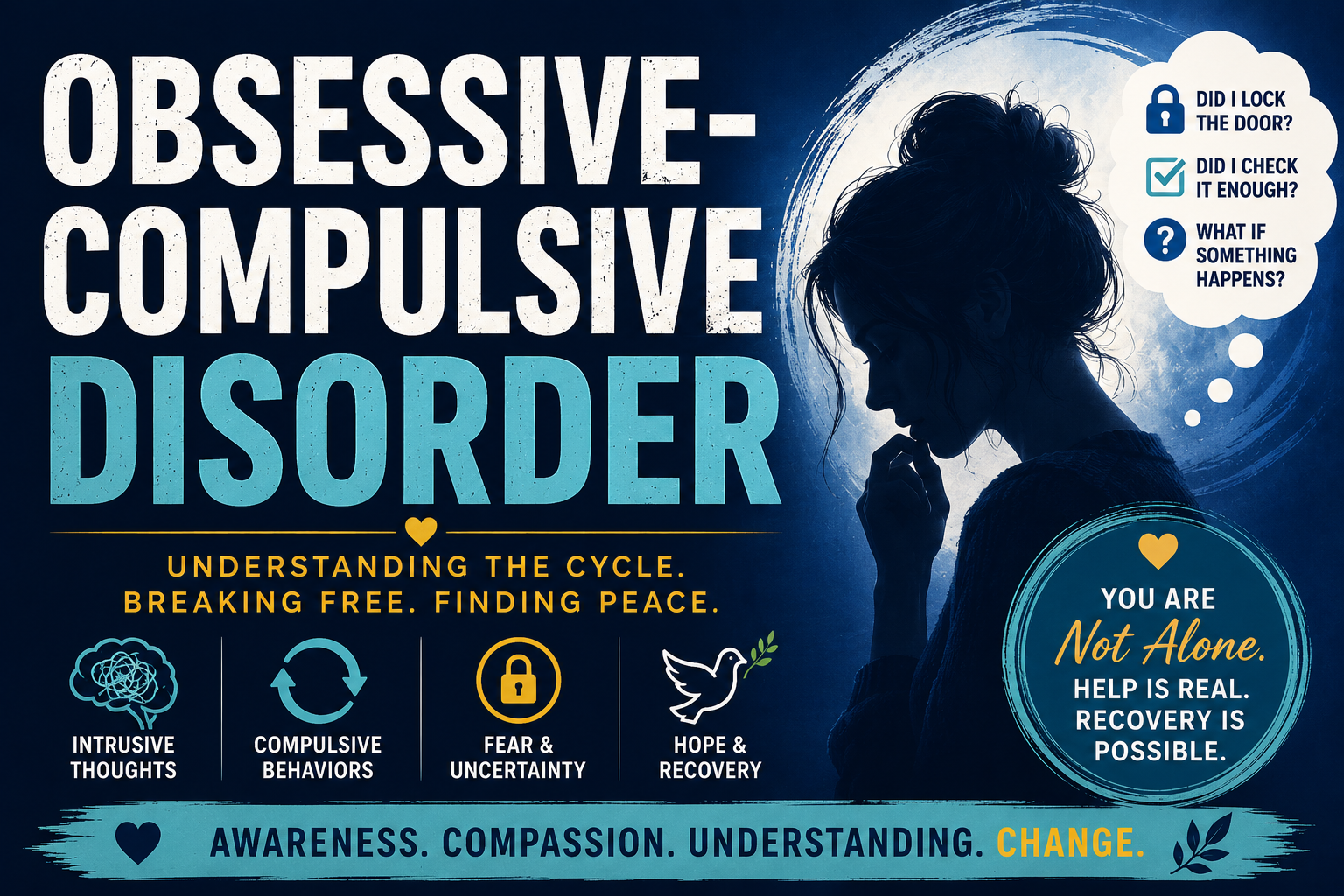
Recovery from the intersection of Obsessive-Compulsive Disorder (OCD) and addiction involves addressing two deeply connected cycles of behavior and emotion. OCD is characterized by intrusive thoughts and compulsive actions, while addiction centers on repeated substance use to manage distress. When these conditions occur together, they can reinforce one another, making it more difficult to break … Read more