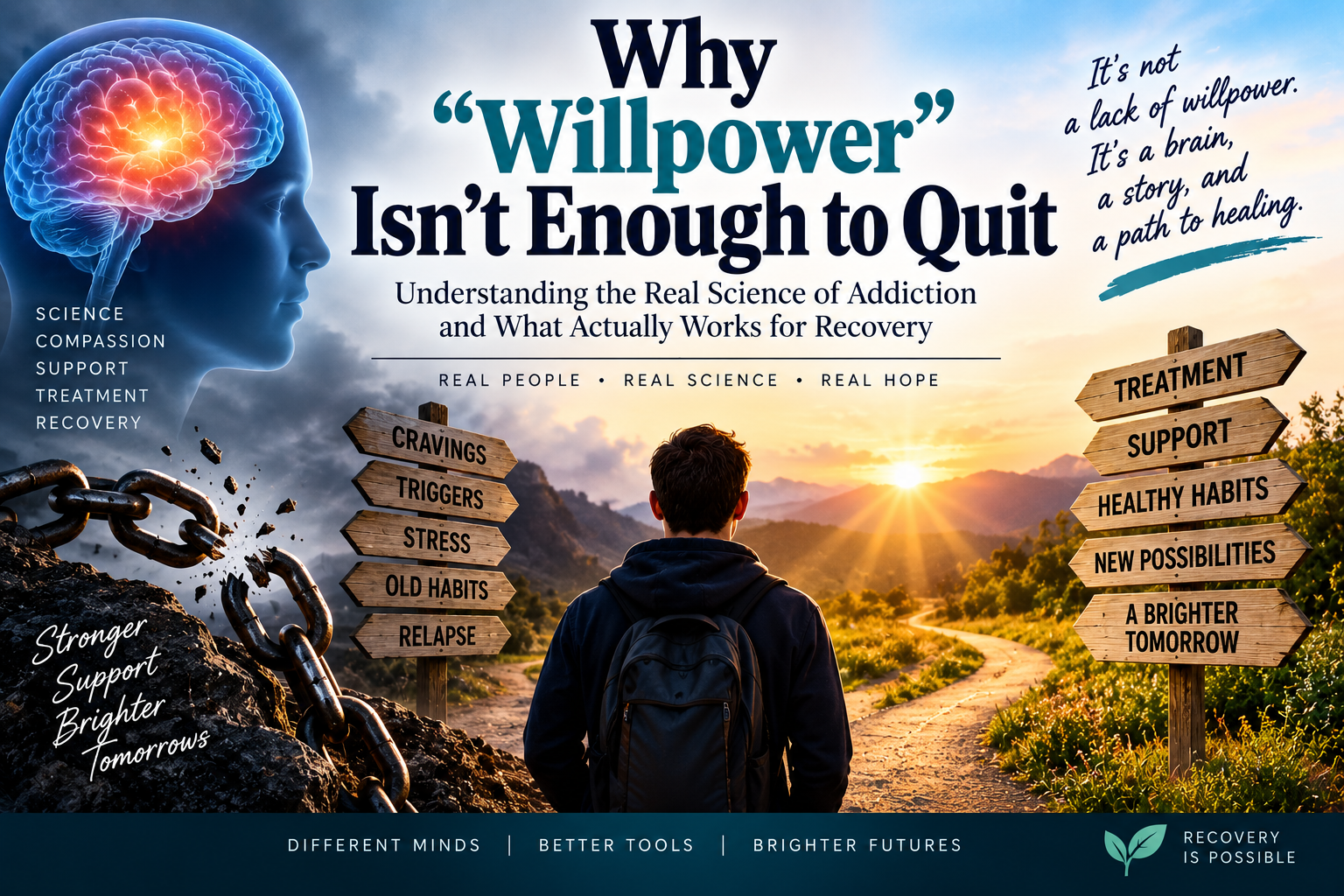
Why Willpower Alone Isn’t Enough

“Why can’t you just stop?” is a question many people struggling with addiction hear, yet it overlooks the challenges involved in changing compulsive behaviors. To someone on the outside, quitting alcohol, drugs, nicotine, gambling, or another addictive behavior may seem like a matter of making a firm decision and sticking to it. When negative consequences … Read more

Emotional vs. Physical Infidelity

Infidelity can cause profound emotional pain, leaving individuals questioning the trust, intimacy, and security they once felt in their relationship. Physical infidelity involves sexual or intimate contact with someone outside the agreed-upon boundaries of a committed partnership, while emotional infidelity occurs when a person develops a secretive or deeply intimate emotional connection with someone else. … Read more

Late-Night Drinking Cycle

Late-night binge drinking can look spontaneous from the outside: someone finishes a stressful day, pours a drink to relax, and suddenly several drinks have disappeared. But excessive drinking rarely occurs in isolation. Stress, loneliness, poor sleep, emotional distress, environmental cues, social habits, and easy access to alcohol can combine to create a powerful pattern. Understanding … Read more

The Hidden Side of Abusive Love

Love should provide safety, respect, trust, and the freedom to be yourself. Yet some people remain deeply emotionally attached to partners who repeatedly hurt, manipulate, intimidate, or control them. From the outside, friends and family may wonder, “Why don’t they just leave?” The answer can be complicated. An abusive relationship can contain periods of affection, … Read more

Social Media and Alcohol Cravings

Your smartphone may seem unrelated to alcohol use, but what happens on your screen can influence emotions, habits, and cravings. Social media posts featuring alcohol, advertisements, stressful messages, loneliness, dating apps, late-night scrolling, and even memories of past drinking experiences can become cues associated with alcohol. This does not mean that phones cause alcohol addiction. … Read more

Dating the Same Toxic Type

Have you ever walked away from a painful relationship, determined to make better choices, only to find yourself attracted to someone who reminds you of your previous partner? Although the person may be different, the relationship follows a familiar cycle of intense attraction, overlooked warning signs, emotional ups and downs, disappointment, conflict, and heartbreak. Repeatedly … Read more

Dating Apps & Compulsive Use

Dating apps have transformed how people meet, flirt, form relationships, and search for companionship. With a smartphone and a few swipes, someone can encounter dozens of potential partners within minutes. For many people, these apps are simply useful tools. For others, however, checking profiles, chasing matches, waiting for messages, and seeking validation can develop into … Read more

Protein Breakfasts and Cravings

Cravings can feel powerful, especially when someone is hungry, tired, stressed, or adjusting to new routines during recovery. One simple strategy that may help some people start the day with greater stability is eating a breakfast that contains adequate protein. Protein is not a cure for addiction, and breakfast cannot eliminate substance cravings. However, a … Read more

Birth Control During Recovery

Recovery from substance use disorder involves more than stopping alcohol or drugs. Physical health, mental health, relationships, medications, reproductive health, and access to healthcare can all influence a person’s recovery journey. For people who can become pregnant, birth control may be an important part of that larger picture. Birth control does not generally cause or … Read more

Break the Binge-Watching Cycle

Streaming services have made entertainment available almost anywhere, at any time. Watching several episodes of a favorite show occasionally may simply be a relaxing way to spend an evening. The problem begins when binge-watching becomes difficult to control and repeatedly interferes with sleep, responsibilities, relationships, exercise, or emotional well-being. Breaking the cycle does not necessarily … Read more