High Blood Pressure in Recovery
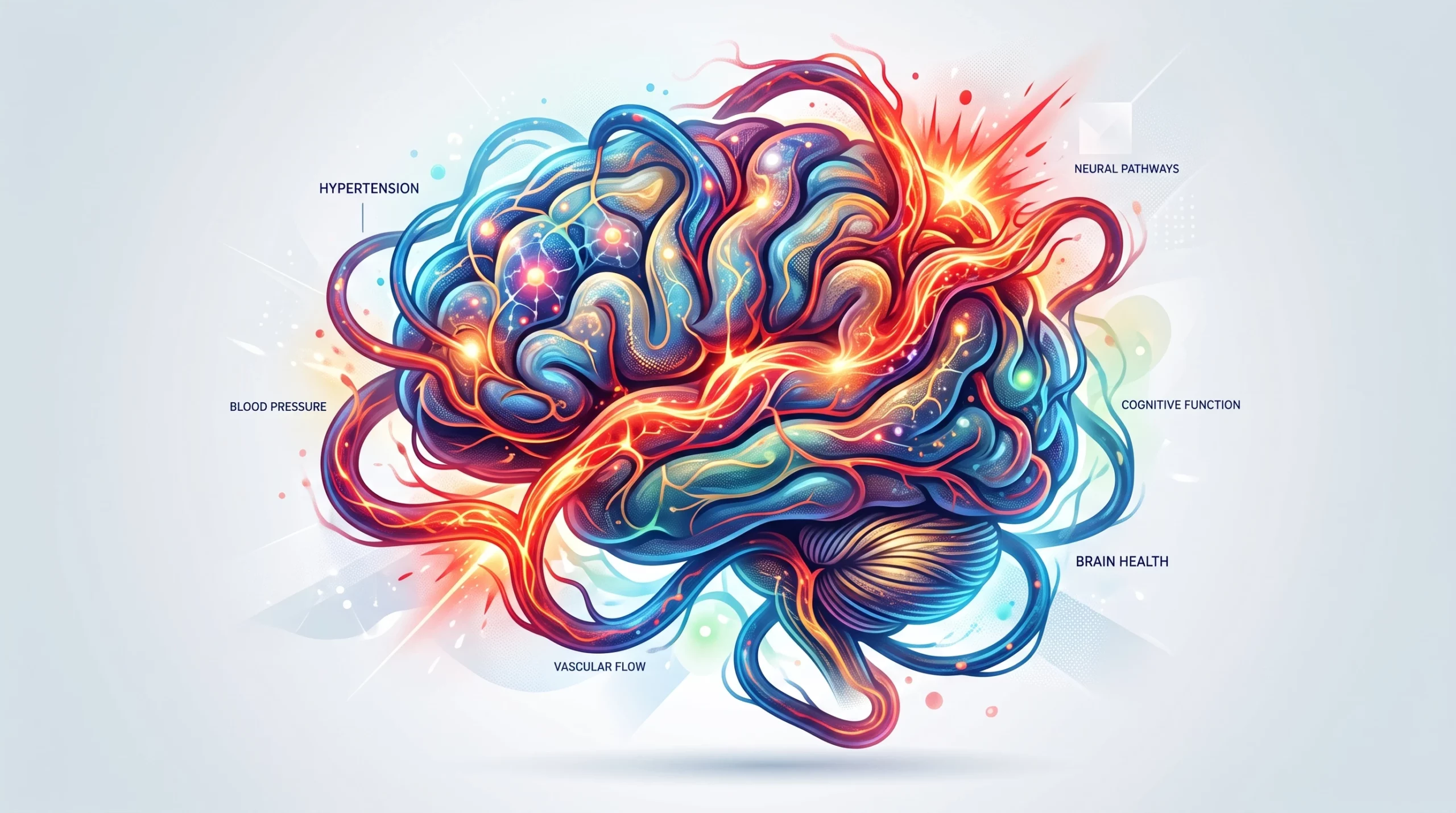
High blood pressure, or hypertension, is usually linked to heart attacks and strokes. But there’s another area where it quietly has a big influence: our brains, especially how they recover after illness or injury. The more I learn about hypertension, the clearer it becomes that how we manage our blood pressure can make a huge … Read more
Addiction’s Hidden Brain Changes

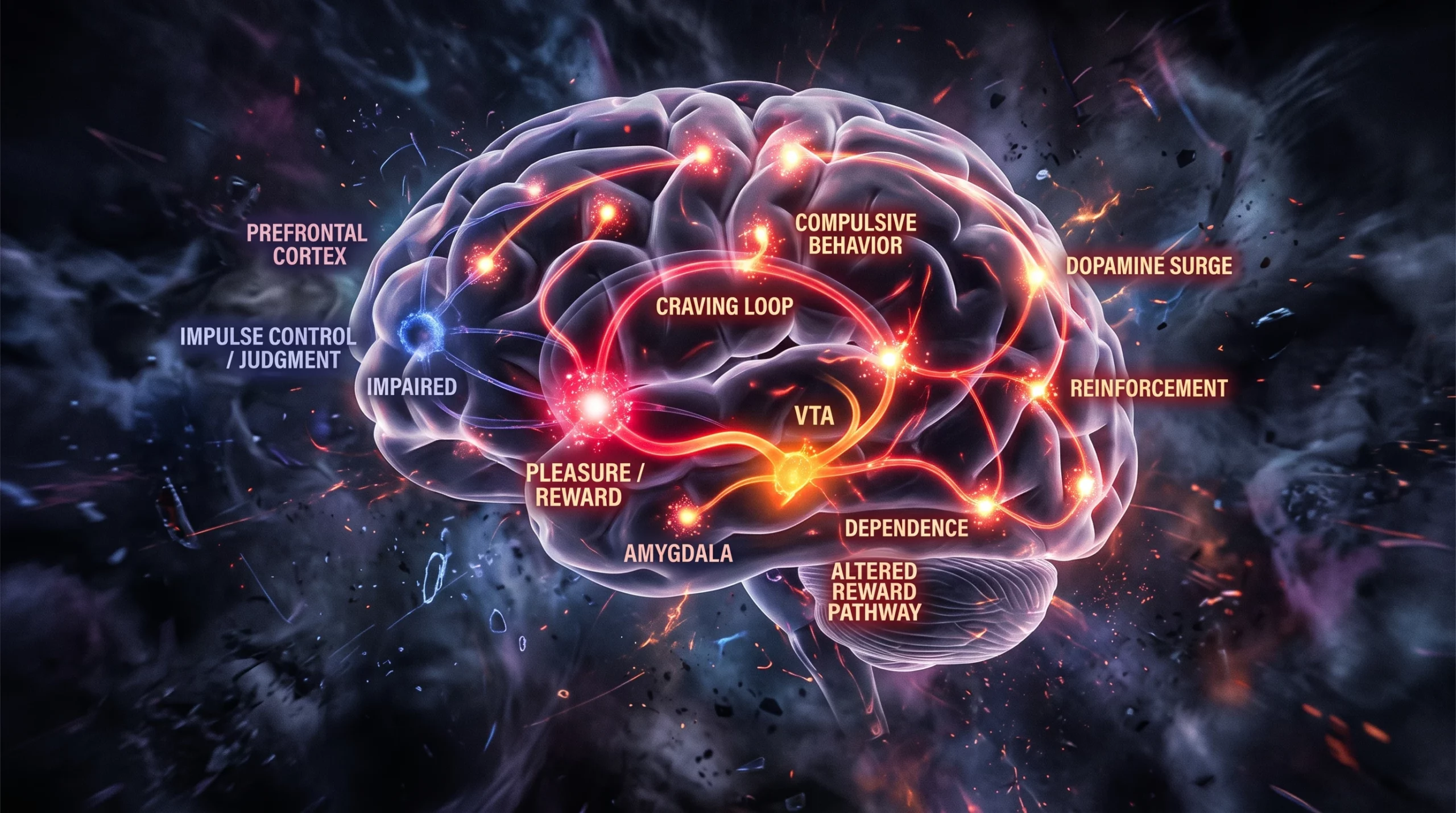
Changes in the brain caused by addiction aren’t always obvious at first, but they can really shape how a person thinks and acts. These changes can show up as switches in mood, motivation, and even memory. Addiction goes way beyond cravings or struggles with willpower. It’s linked to real, measurable differences in the brain’s wiring … Read more

The Myth Of “Cold Turkey” Explained

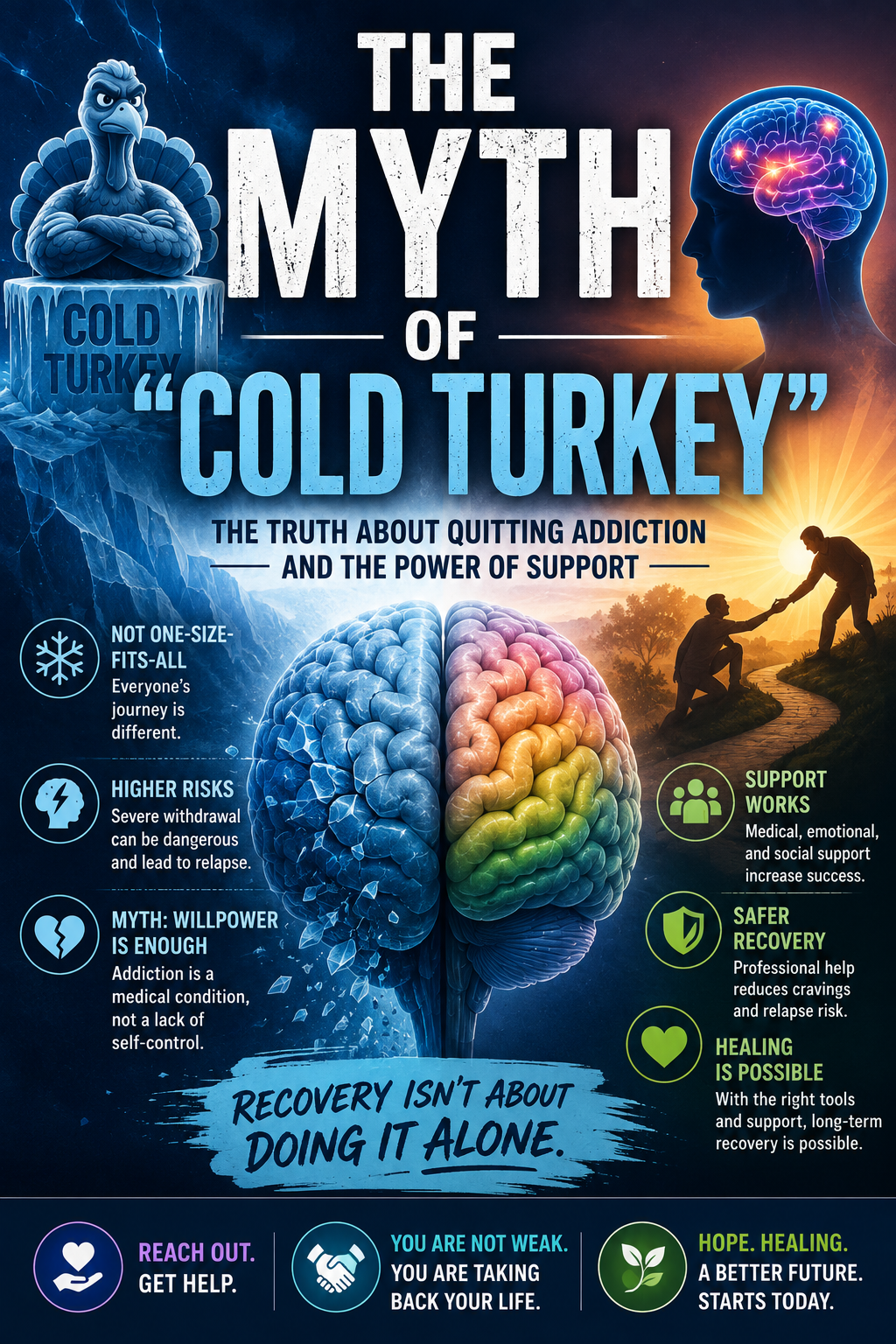
Trying to quit a habit or addiction is rarely easy, and the phrase “going cold turkey” pops up all the time when people talk about stopping something all at once. Movies, friends, and even some internet forums make it sound like quitting cold turkey is either the boldest or the scariest route—a kind of all-or-nothing … Read more

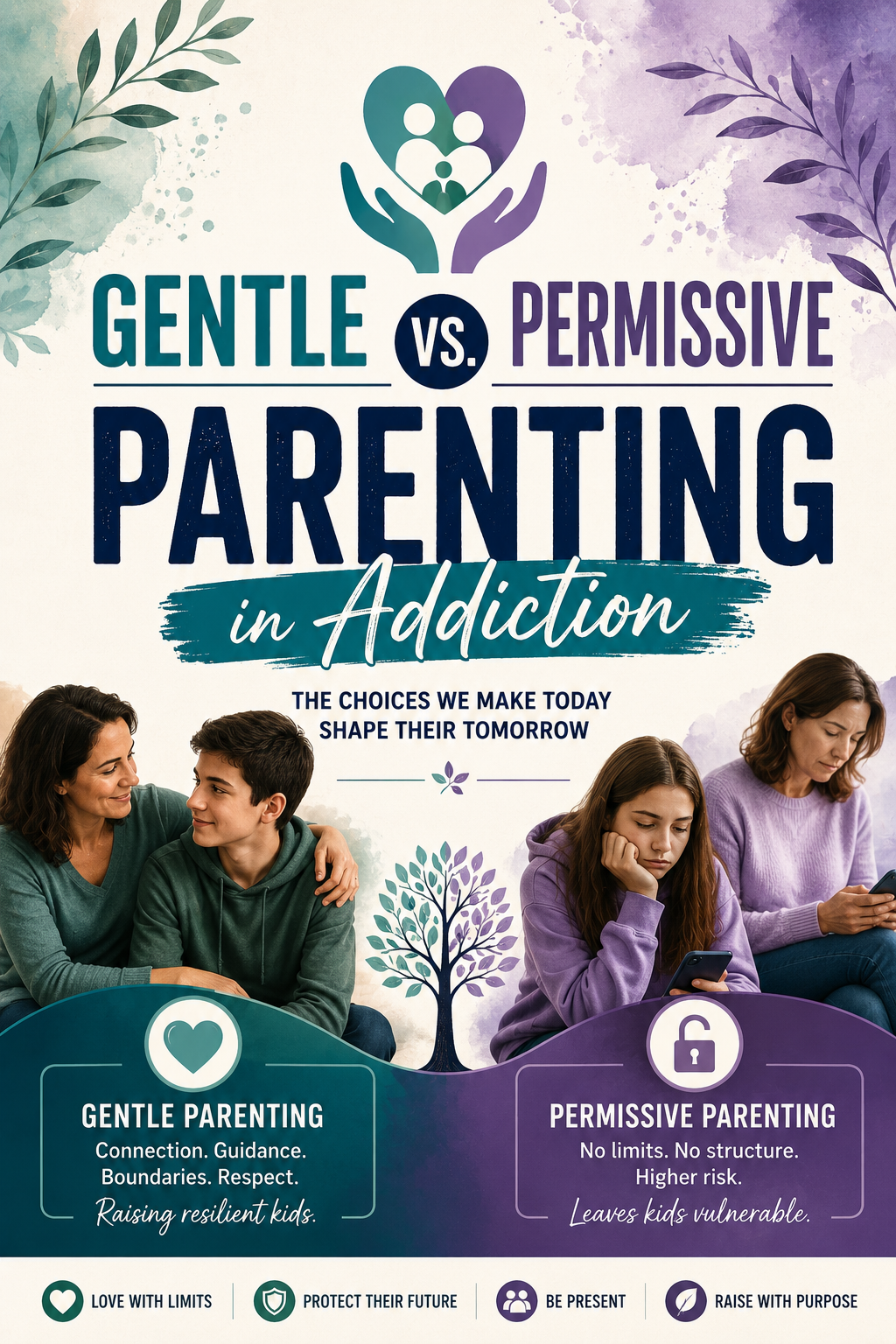
Gentle versus Permissive Parenting

Parenting approaches can have a big impact when you’re supporting a child or teen through recovery, whether it’s from trauma, addiction, anxiety, or other tough patches. The two styles that get talked about a lot are gentle parenting and permissive parenting. The tricky part is, these two sound pretty similar on the surface but work … Read more

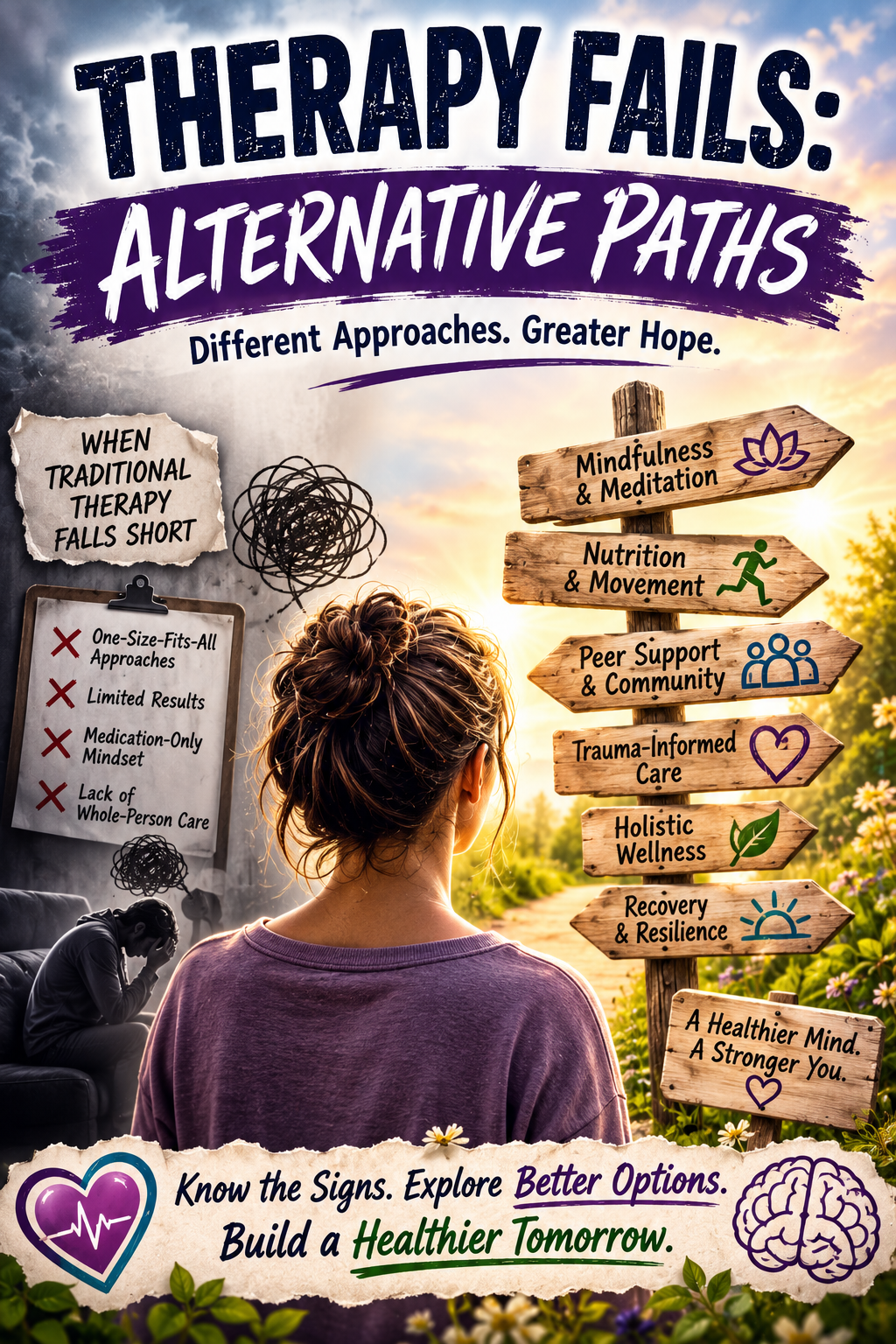
Therapy Fails: Alternative Paths

If you’ve ever felt like therapy isn’t really working in the way you hoped, you’re definitely not alone. It can be tough to keep showing up to appointments and working through difficult emotions, only to feel stuck or discouraged. I’ve experienced these frustrations myself and learned that when therapy doesn’t lead to the changes you … Read more

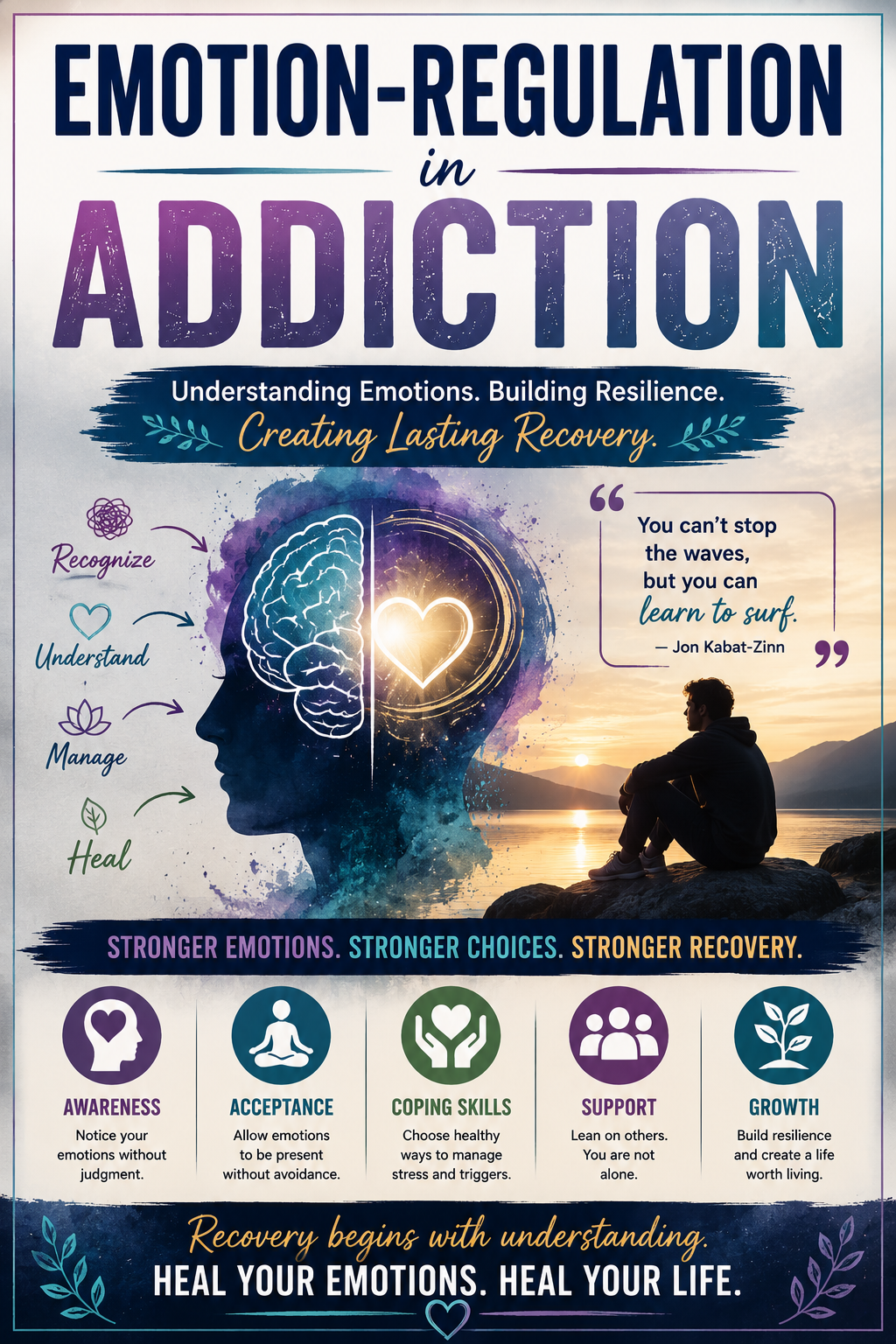
Emotion Regulation in Addiction

Emotion regulation is the ability to recognize, understand, and manage emotional experiences in healthy and adaptive ways. It is a critical psychological skill that influences how individuals respond to stress, disappointment, fear, anger, sadness, and other challenging emotions. In the context of addiction, difficulties with emotion regulation often contribute to the initiation, continuation, and recurrence … Read more

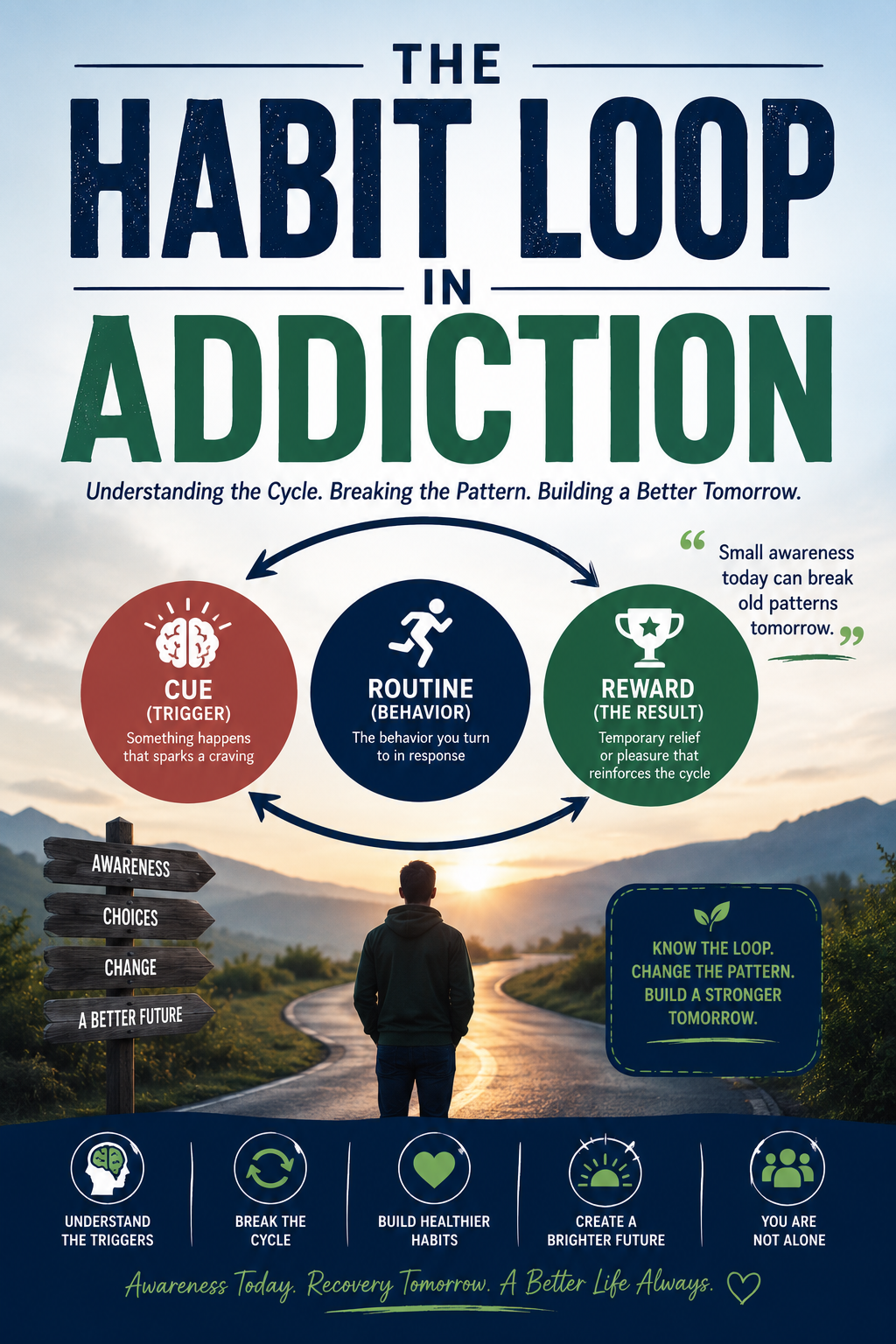
The Habit Loop in Addiction

Addiction is more than repeated substance use or compulsive behavior—it is driven by powerful patterns in the brain that become stronger over time. One of the most helpful ways to understand these patterns is through the habit loop, a cycle consisting of a cue (trigger), routine (behavior), and reward. A stressful event, emotional discomfort, or … Read more

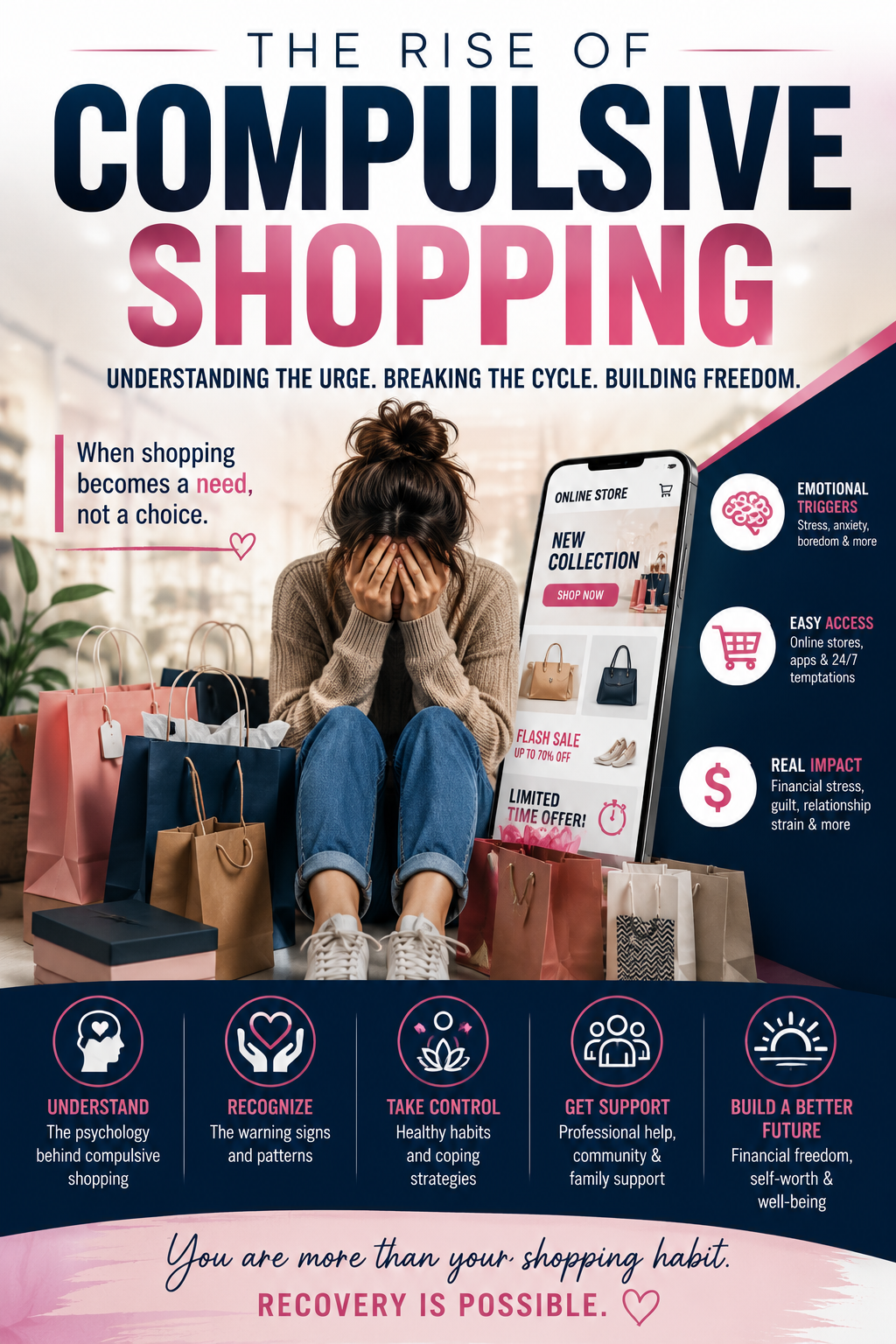
The Rise of Compulsive Shopping

The rise of compulsive shopping has become an increasing concern in today’s digital and consumer-driven society. With online stores available around the clock, personalized advertising, social media influencers, and convenient payment options such as one-click purchasing and “buy now, pay later” services, shopping has become easier and more accessible than ever before. While shopping is … Read more

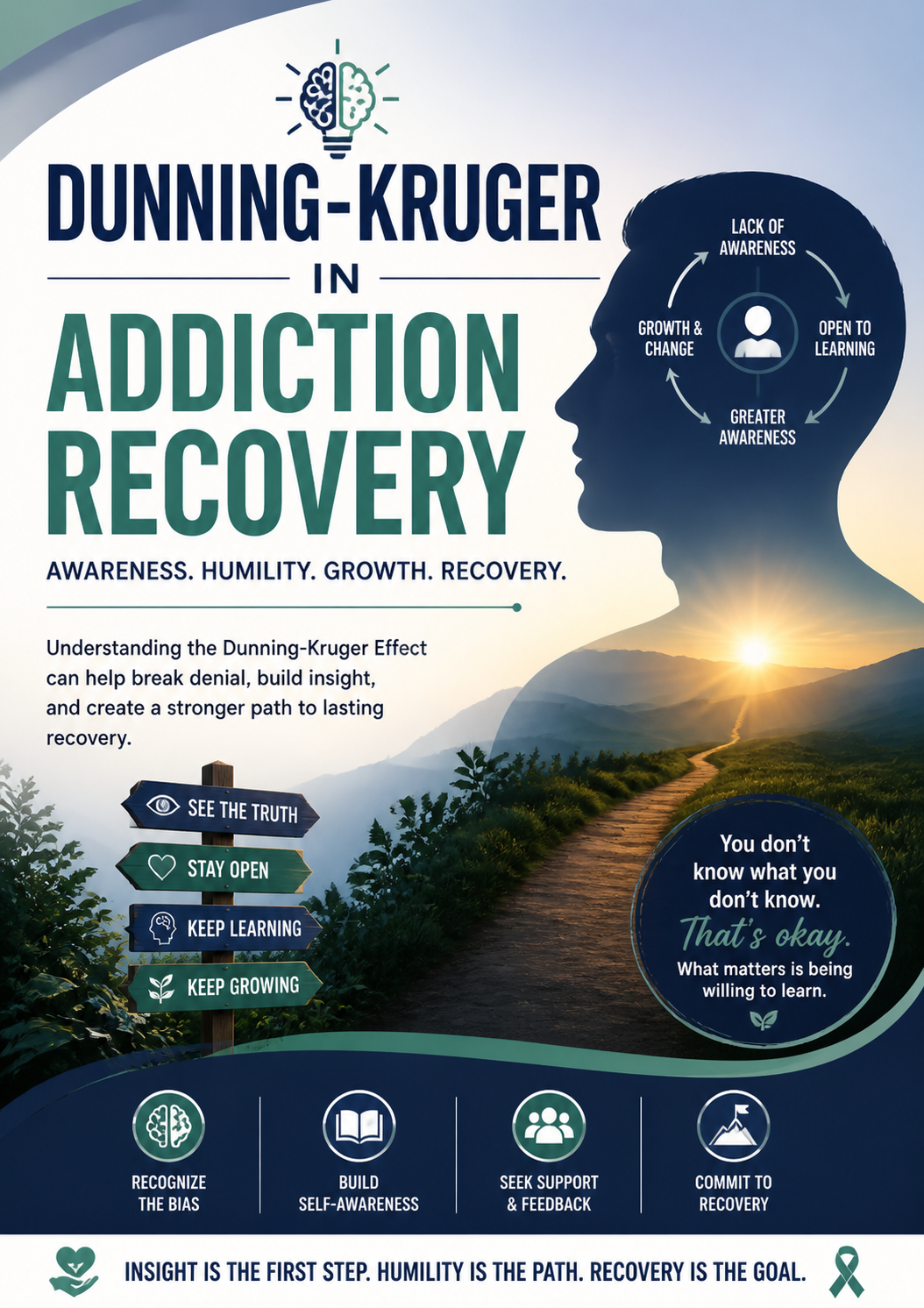
Dunning-Kruger Effect in Addiction

The Dunning-Kruger effect, a psychological phenomenon where people with limited knowledge or experience overestimate their abilities, can have a significant impact on addiction recovery. In the context of addiction, individuals may feel confident about their progress early on and believe they no longer need professional support, even though they have not fully overcome the challenges … Read more

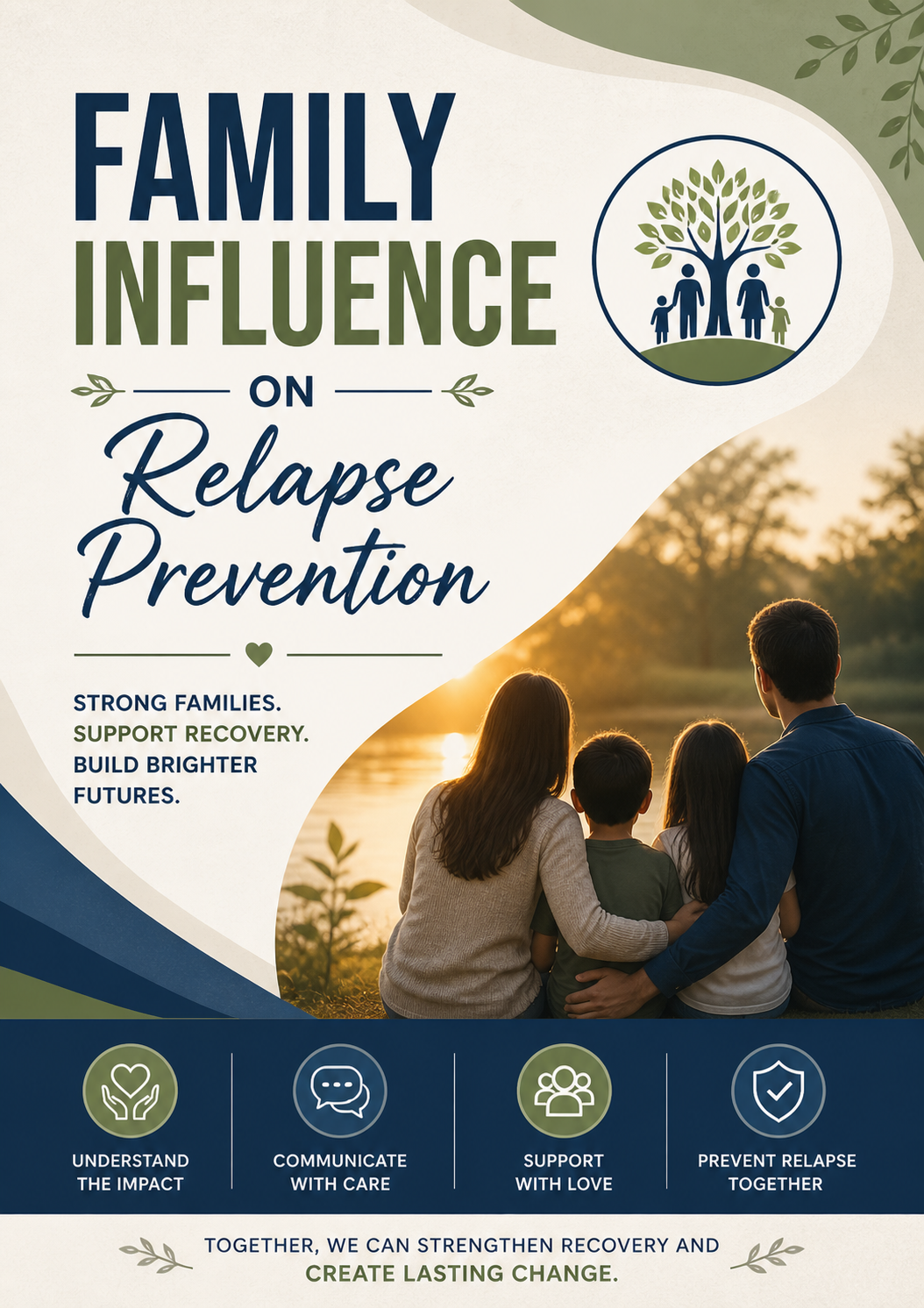
Family and Relapse Prevention

Family plays a central role in the recovery process, often serving as one of the most immediate and influential support systems for individuals overcoming addiction. The way family members communicate, respond to stress, and provide support can significantly impact whether a person maintains recovery or experiences relapse. Relapse is not simply a single event but … Read more