Trying to quit a habit or addiction is rarely easy, and the phrase “going cold turkey” pops up all the time when people talk about stopping something all at once. Movies, friends, and even some internet forums make it sound like quitting cold turkey is either the boldest or the scariest route—a kind of all-or-nothing path for folks who are “serious” about quitting. But is that story about cold turkey really the whole truth? Here I’m going to explain what “cold turkey” really means, check out where the phrase came from, bust a few myths, and share some straightforward advice if you’re thinking about quitting anything cold turkey style.
What Does “Cold Turkey” Actually Mean?
The first thing to know is that “cold turkey” means suddenly stopping a habit, substance use, or behavior without any gradual reduction. So someone who decides to quit smoking cold turkey, for example, hasn’t worked down to one or two cigarettes a day—they just one day decide, “That’s it. No more.” You won’t find any half measures or slow-and-steady plans here. The goal is to go from regular use to zero, pretty much overnight.
The approach can feel straightforward, but it’s also known for its abruptness. No special medical weaning, prescription help, or slow reduction plans. For a lot of folks, the decision to go cold turkey is about taking back control quickly and avoiding the temptation that comes with dragging the process out. In other words, you simply stop, and there aren’t any drawn-out interim stages to get through.
Where Did the Phrase “Cold Turkey” Come From?
The phrase “cold turkey” has been around for over a hundred years, but its origins are kind of fuzzy. One story is that it refers to leftover, unappetizing cold turkey you’re forced to eat—plain, unadorned, and not exactly inviting; similar to how quitting abruptly can feel harsh and unembellished. Another idea is that it grew from the earlier phrase “talking turkey,” which meant speaking plainly or bluntly. By the early 20th century, “cold turkey” was showing up in print as slang for quitting drugs or alcohol all at once.
It makes sense that the phrase stuck. Going cold turkey feels a bit like jumping into cold water. It’s jarring, you feel it right away, and there’s no backing out once you leap. Most sources agree the phrase picked up steam in connection with people quitting addictive substances very suddenly, especially during public discussions about alcohol and opiate withdrawal in the early 1900s.
How Does Cold Turkey Work? (And Why Does It Get So Much Attention?)
Quitting cold turkey is often viewed as a test of willpower, but there’s more to it than just “being tough.” What really happens when someone goes cold turkey? In practical terms, the mind and body are used to getting something regularly—whether that’s nicotine, caffeine, fast food, social media, or even daily sugar. When you stop all at once, you’re not letting the body ease off gradually. This means withdrawal symptoms can sometimes be more intense compared to tapering off slowly.
The popularity of cold turkey is partly because it’s clean-cut and easy to define. You know where you stand at any moment: you’re either doing the habit, or you’re not. Some people find that this black-and-white line helps keep them honest and focused on a single goal. There’s less opportunity for “slipping” or making excuses if you draw a firm boundary. But for others, it’s daunting or practically impossible, especially with physically addictive substances.
Common Myths About Going Cold Turkey
- Myth 1: Quitting Cold Turkey Is Always Dangerous
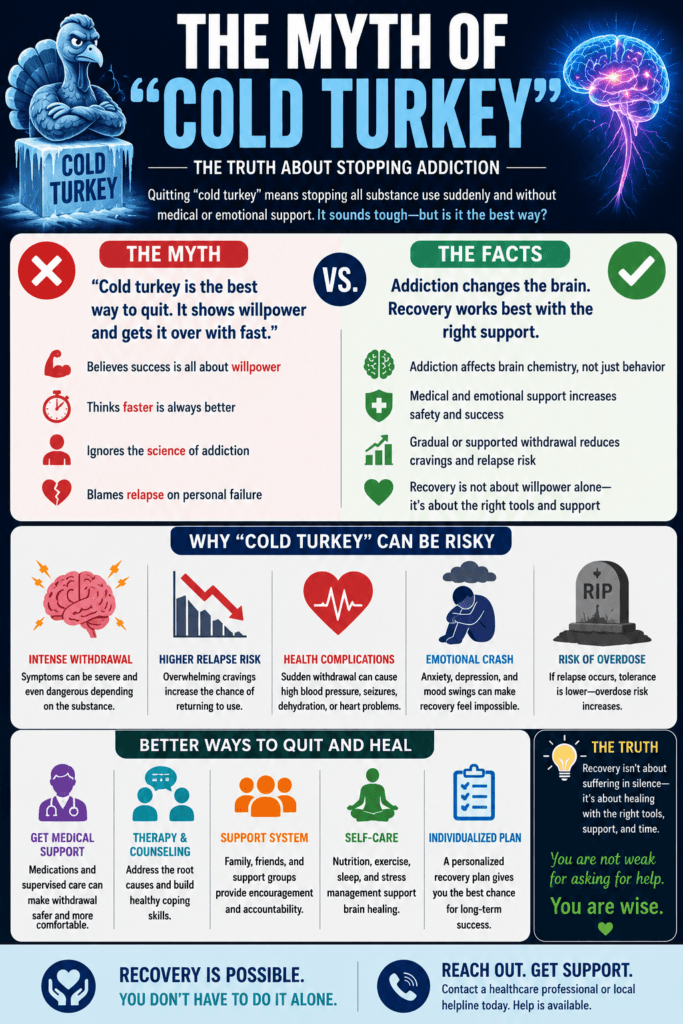
While some substances (like alcohol, certain medications, or benzodiazepines) can be unsafe to quit suddenly without medical support, stopping cold turkey isn’t inherently risky for everything. When it comes to things like caffeine, sugar, or less addictive habits, withdrawal can be uncomfortable but generally isn’t life-threatening. With more serious substances, though, talking to a healthcare provider is super important. - Myth 2: Cold Turkey Only Works for “Strong” People
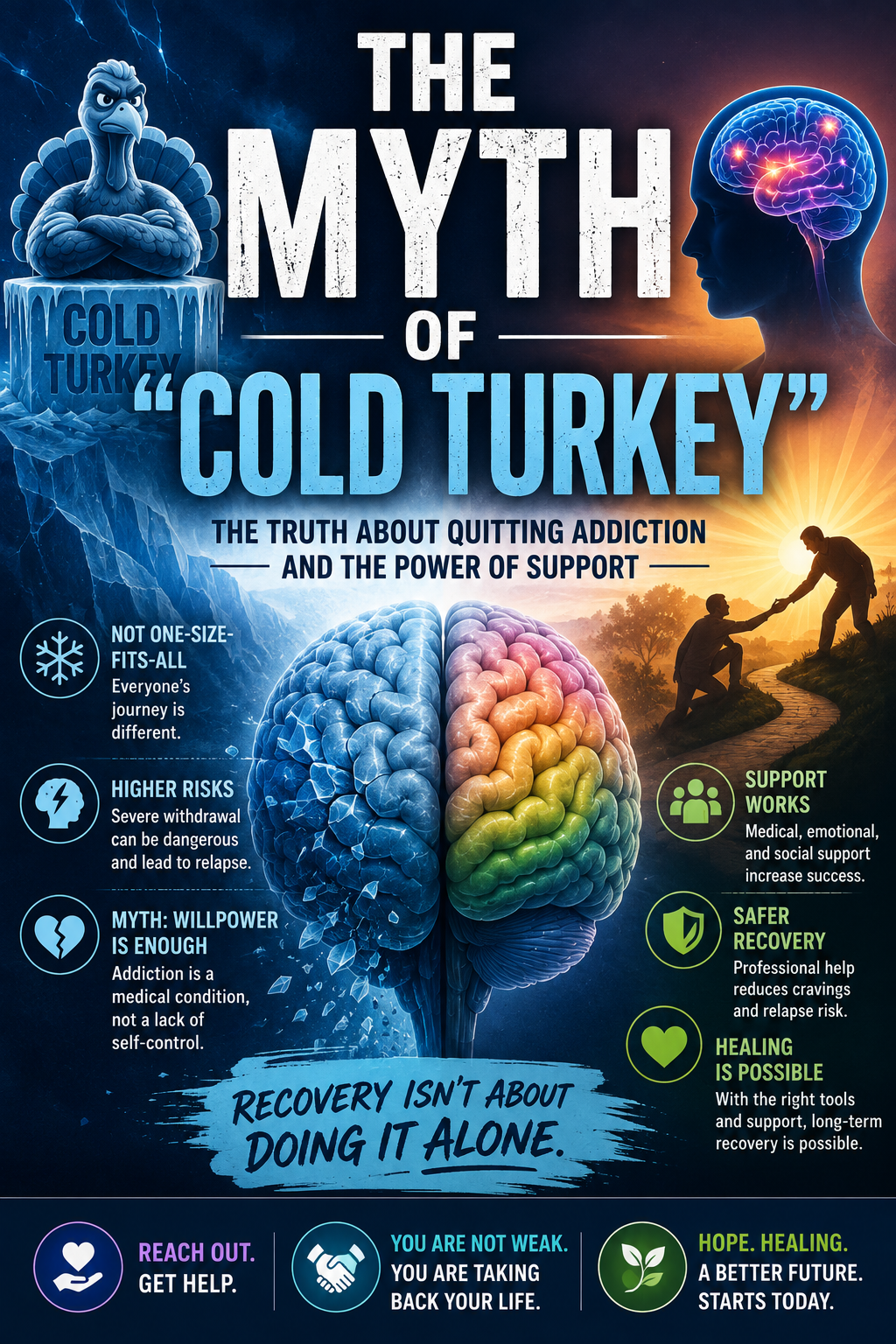
The truth is, quitting a habit is about more than pure grit. Genetics, personal history, your unique brain chemistry, social support, and the specifics of the habit all play a part. Success with cold turkey isn’t a reflection of willpower alone. Some people do well with it; others need a stepped-down approach. Both are completely valid ways to tackle change. - Myth 3: You Should See Results Right Away
The withdrawal process from quitting anything can bring mood changes, weird sleep, cravings, and even physical symptoms. It might take days, weeks, or longer to really settle into your new routine. Cold turkey can start your pathway quickly, but lasting change often means building new routines and getting help when you need it.
Cold Turkey Success Rates: What Do Studies Say?
Research on cold-turkey quitting is actually kind of mixed. For stubborn physical addictions like nicotine, some studies have shown surprisingly similar success rates for people who quit cold turkey versus those who taper down slowly, as outlined in science publications such as The Cochrane Library.
For substances that can cause dangerous withdrawal—such as alcohol, some prescriptions, and opioids—medical advice and withdrawal management really matter. In these cases, medical supervision is recommended, and most guidelines stress safety above speed. But for non-life-threatening habits, cold turkey remains a popular choice because it’s simple (if not always easy), requires no special tools, and is free to try. The main point is that it’s not a one-size-fits-all deal. Some people actually find quitlines, counseling, or substitute therapies work better, and that’s perfectly okay.
When Cold Turkey Makes Sense (…and When It Doesn’t)
- Cold Turkey Works Best For: People who feel motivated by clear boundaries, those with a strong support network, and situations where withdrawal risks are low. It can be super useful for changing nonphysical habits or breaking patterns around things like social media, TV, or late-night snacking.
- Tapering or Medical Support Is Better When: You’re dealing with substances like alcohol, benzodiazepines, or prescription painkillers, where withdrawal can be dangerous. If you have underlying health problems or a history of seizures, talk to a doctor before quitting anything suddenly.
Pros and Cons of Going Cold Turkey
- Pros: Quick change of routine, no extra equipment or tools needed, easy to remember the rules, might help avoid triggering situations if you cut off quickly.
- Cons: Potentially tougher withdrawal symptoms, less room to “adjust” slowly, higher risk of relapse if preparations or support aren’t in place, not the best choice for physically risky substances.
Helpful Tips for Navigating Cold Turkey
- Set a Start Date: Pick a day when stress is lower, and you’ll have free time. Weekends or holidays can sometimes be a good pick.
- Prep Your Environment: Remove triggers, stash reminders like ashtrays or snacks, and set up a space that helps you feel comfortable.
- Tell a Friend: Having someone check in or even just send a daily text can make a huge difference. Accountability and a bit of cheerleading go a long way.
- Plan for Withdrawal Symptoms: Jot down distractions that work for you—walking, chewing gum, calling a buddy, trying a puzzle, whatever helps push through cravings.
- Reward Yourself: Set up little rewards for milestones, whether it’s a favorite meal, a small purchase, or even just an extra episode of your favorite show. Positive reinforcement helps!
What You Might Experience: Common Withdrawal Symptoms
- Physical: Headaches, trouble sleeping, fatigue, or even chills and sweats. These usually improve within a few days to a couple of weeks.
- Emotional: Mood swings, irritability, anxiety, or feeling “on edge.” Give yourself some grace here; these are totally common, and they do pass.
- Cravings: Strong urges can pop up at weird times (mornings, after meals, or during stressful moments). Distraction and patience are your friends here.
Real World Examples and Success Stories
I’ve seen friends quit things like smoking, energy drinks, and even online shopping cold turkey, and some have found quick results with fewer temptations. But I’ve also heard stories of folks sweating through the first few days, then deciding a less intense method fit their style better. It’s definitely not a magic solution, but it is a method that’s been around long enough to have both success stories and tough bumps along the way. Consider reading testimonials or joining online forums to learn from those who have walked this path—the variety of experiences will help you get a sense of what to expect and how to prepare.
Frequently Asked Questions about Cold Turkey
Question: Is cold turkey the best way to quit smoking?
Answer: For some people, yes. Others do better tapering off or using nicotine replacement. Medical advice or quitline support can help figure out the right plan for you.
Question: Can I quit drinking alcohol cold turkey?
Answer: If you drink heavily or regularly, quitting suddenly can actually be dangerous and sometimes life-threatening. Always talk to a doctor or addiction professional before stopping alcohol cold turkey.
Question: How long do withdrawal symptoms last?
Answer: Physical symptoms usually peak in a few days and get better in a week or two, but cravings and mood changes can last longer. Having support, distractions, and patience goes a long way.
Question: Should I try quitting cold turkey without telling anyone?
Answer: Telling a friend or support person can make the process easier and give you extra motivation, even if you’re tackling a private goal.
Final Thoughts
Quitting cold turkey is one of many ways to change a habit or cut out a substance. It’s not the only path, but it’s one lots of people try; sometimes because it feels straightforward, other times because they want a clean break. By learning what’s real and what’s just rumor about cold turkey, you can make better choices about what’s going to work best for you. If you’re on the fence, you don’t have to go it alone, and support or guidance is always worth checking out. Whether you go cold turkey, taper, or mix things up, it’s all about picking the style that fits your needs and your life. If you’re ready for a change, getting informed and reaching out for support is a smart move that can make the whole ride a bit smoother.
Video: Why Cold Turkey Isn’t Always the Answer #shorts