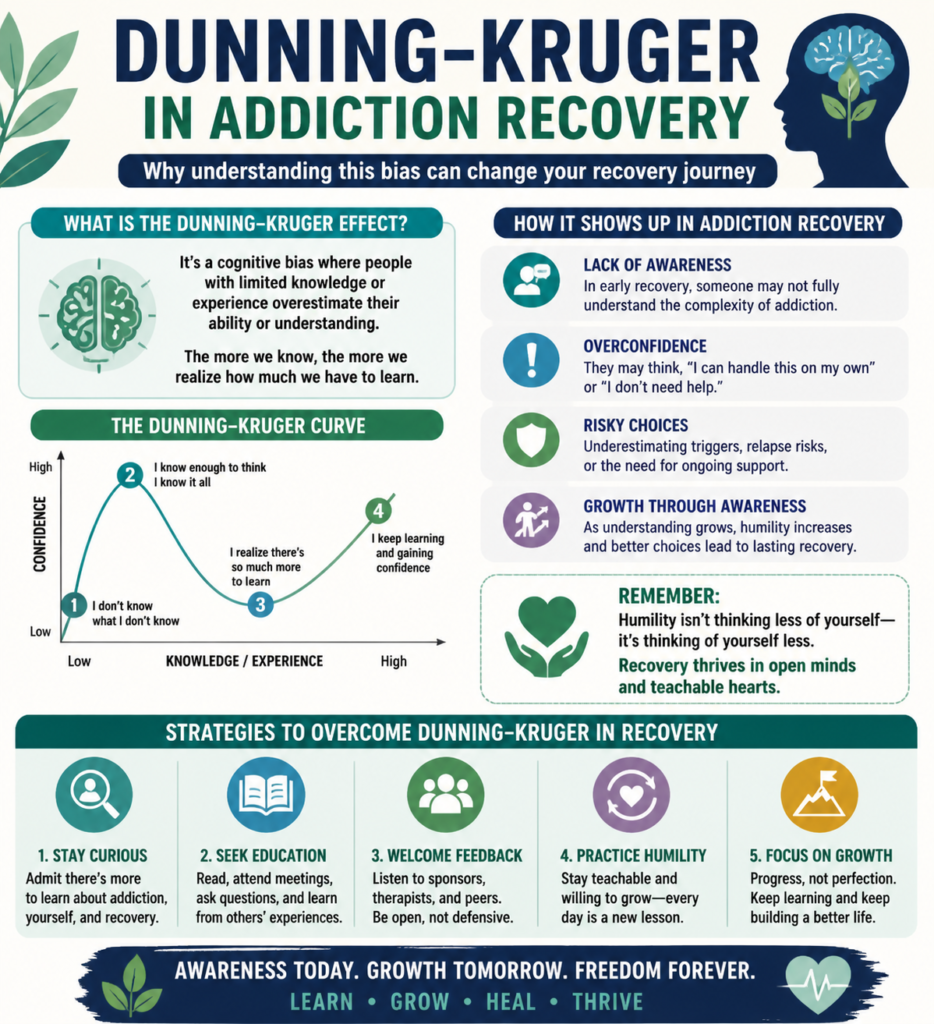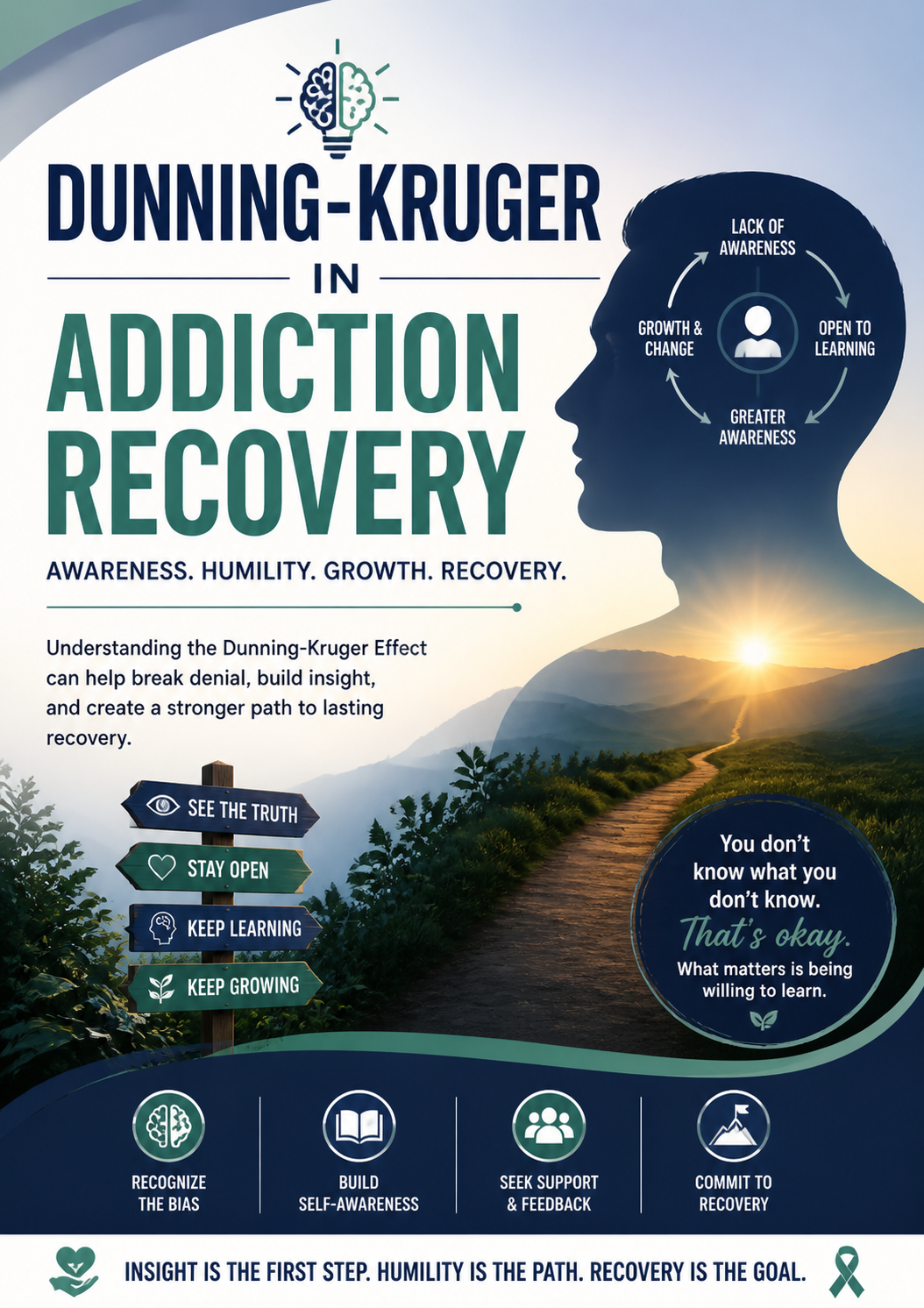
The Dunning-Kruger effect, a psychological phenomenon where people with limited knowledge or experience overestimate their abilities, can have a significant impact on addiction recovery. In the context of addiction, individuals may feel confident about their progress early on and believe they no longer need professional support, even though they have not fully overcome the challenges of recovery. This overconfidence can lead to dangerous decisions, such as reducing participation in therapy or support groups, ultimately increasing the risk of relapse. Understanding the Dunning-Kruger effect in addiction recovery is crucial for building realistic expectations and maintaining long-term sobriety.
The Dunning-Kruger Effect in Addiction Recovery: Understanding Self-Perception and Its Impact
The Dunning-Kruger effect refers to a cognitive bias where individuals with limited knowledge or ability in a specific area overestimate their competence. In the context of addiction recovery, this phenomenon can have significant implications for both individuals in recovery and their support systems. When a person underestimates the complexity of recovery or overestimates their ability to control their addiction, it can lead to setbacks, relapses, or feelings of failure. Understanding how the Dunning-Kruger effect plays a role in addiction recovery is crucial for developing healthier self-awareness and more effective recovery strategies.
By recognizing the tendency to overestimate one’s understanding or ability in certain aspects of recovery, individuals can approach their journey with greater humility, seek appropriate support, and make more informed decisions to sustain long-term sobriety.
What Is the Dunning-Kruger Effect?
The Dunning-Kruger effect occurs when individuals with limited knowledge or experience in a given area mistakenly believe they are more skilled or knowledgeable than they truly are. In addiction recovery, this can manifest as a false sense of confidence in one’s ability to maintain sobriety without professional help or external support.
Key characteristics of the Dunning-Kruger effect include:
- Overconfidence in one’s understanding of the recovery process
- Underestimating the challenges of addiction
- Belief that “one’s recovery journey will be easier than it actually is”
How the Dunning-Kruger Effect Affects Addiction Recovery
In addiction recovery, the Dunning-Kruger effect can create dangerous patterns that hinder progress and self-awareness.
Ways it impacts recovery:
- Underestimating the complexity of addiction: Recovery is not linear, and there are many challenges along the way, including emotional triggers, environmental stressors, and physical cravings. Overconfidence can lead to dismissing the need for professional guidance, support groups, or therapeutic tools.
- Relapse risk: When individuals believe they have “overcome” their addiction after only a brief period of sobriety, they may ignore necessary coping strategies, neglect ongoing treatment, or reduce engagement in support systems, leading to relapse.
- Lack of accountability: If a person believes they have “mastered” their recovery, they may become less inclined to remain accountable to themselves, their loved ones, or their support network, which weakens their chances of long-term success.
Recognizing the Dunning-Kruger Effect in Yourself
Understanding how the Dunning-Kruger effect works is the first step toward combating its impact. Developing self-awareness is key to navigating recovery more effectively.
Signs that you may be experiencing the Dunning-Kruger effect include:
- Overconfidence in short-term sobriety: Feeling like recovery is “under control” after only a brief period of time without relapsing.
- Underestimating emotional or mental challenges: Believing that handling stress, cravings, or triggers is simpler than it is.
- Avoiding professional help: Thinking that attending therapy or support meetings is unnecessary because you have “learned enough” on your own.
- Refusing feedback or advice: Being dismissive of suggestions from others in recovery, including family members, support groups, or counselors.
Combatting the Dunning-Kruger Effect in Recovery
The key to overcoming the Dunning-Kruger effect in recovery is humility, continued learning, and seeking help when necessary. Recovery is a journey that requires self-awareness, consistent effort, and external support.
Effective strategies for managing the Dunning-Kruger effect:
- Maintain humility: Acknowledge that addiction is a complex, lifelong challenge and that recovery requires ongoing effort and learning.
- Seek regular feedback: Stay open to advice from counselors, support groups, and loved ones. Being receptive to input helps build realistic self-perception.
- Embrace the need for professional help: Therapy, counseling, and structured support systems can provide valuable tools and guidance throughout the recovery process.
- Celebrate small victories: Recognize that each step in recovery, whether it’s one day or one year of sobriety, is a significant achievement.
- Stay involved in support systems: Continuous participation in therapy, group meetings, or recovery programs helps reinforce the importance of humility and support in the recovery journey.
Final Thoughts
The Dunning-Kruger effect in addiction recovery highlights the importance of self-awareness, humility, and ongoing support. While confidence is a valuable asset, overestimating one’s ability to handle addiction without the necessary resources or expertise can lead to setbacks. By recognizing the limits of self-perception and seeking appropriate support, individuals in recovery can maintain a healthier, more grounded approach to their journey. Recovery is not about mastering the process on your own, but about building a strong support system, learning from challenges, and moving forward with resilience.
The Dunning-Kruger Effect in Addiction Recovery: How Overconfidence Can Affect Sobriety
The Dunning-Kruger effect is a psychological concept in which people with little knowledge or experience in a given domain tend to overestimate their abilities. In addiction recovery, this means that someone might believe they can manage their recovery on their own, even though they don’t fully understand the challenges they may face. While confidence is important, being too overconfident can lead to problems, like relapse, because a person might not recognize the hard work and support they need to stay sober.
Understanding how overconfidence can affect recovery is important for maintaining long-term sobriety. By staying humble and seeking help when needed, people in recovery can improve their chances of staying clean and healthy.
What is the Dunning-Kruger Effect?
The Dunning-Kruger effect occurs when people overestimate their knowledge. In addiction recovery, it means that a person might feel like they are completely in control of their sobriety, even though they haven’t experienced all the challenges that come with staying clean over time.
Signs of the Dunning-Kruger effect in recovery include:
- Overestimating how easy it will be to stay sober
- Thinking that they don’t need help or therapy
- Believing they can handle everything on their own without support
How Overconfidence Affects Addiction Recovery
When someone is overconfident, they may ignore the tools and strategies that can help them stay sober. They may think they have everything under control after a few weeks of sobriety and stop attending meetings or therapy.
Here’s how it can hurt recovery:
- Underestimating addiction: Addiction is not something that can be “fixed” in a short amount of time. Overconfidence can lead a person to believe they no longer need help.
- Increased risk of relapse: If someone thinks they have beaten their addiction after a short period of time, they might stop following important recovery steps and end up relapsing.
- Not asking for help: People who think they can do it all themselves are less likely to seek help from family, friends, or support groups. This can make it harder to stay on track.
How to Avoid the Dunning-Kruger Effect in Recovery
The key to avoiding this overconfidence trap is to stay grounded, ask for help when needed, and keep learning about addiction. Addiction recovery isn’t easy, and staying sober is a long-term process that requires support.
Here are some strategies to manage the Dunning-Kruger effect:
- Stay humble: Understand that recovery is a long journey and that you will always need to learn more about staying sober.
- Ask for feedback: Listen to what others in your recovery support group or therapist say. They might see things you don’t and can give valuable advice.
- Keep going to therapy and support meetings: These resources help reinforce your recovery and remind you that it’s okay to need help.
- Celebrate small victories: Recognize and appreciate every step you take in recovery, no matter how small. Each day sober is an accomplishment.
- Keep your support system strong: Don’t try to go through recovery alone. Support from family, friends, and recovery groups is essential to staying sober.
Final Thoughts
In addiction recovery, being aware of the Dunning-Kruger effect is important for staying realistic and grounded. While it’s great to have confidence, it’s also important to recognize the challenges addiction presents and to keep learning and seeking help. By staying humble and connected to support systems, people in recovery can improve their chances of long-term success and happiness.
Self-Management Strategies for Understanding the Dunning-Kruger Effect in Addiction Recovery
Addiction recovery is a journey that requires continuous self-awareness, learning, and support. One psychological concept that can affect recovery is the Dunning-Kruger effect, which occurs when individuals with limited knowledge or experience overestimate their abilities. In addiction recovery, this means that someone might think they’ve got their recovery under control after a short time, only to find that they are still vulnerable to relapse. Understanding the Dunning-Kruger effect and applying self-management strategies to avoid overconfidence can significantly improve recovery outcomes.
By recognizing when overconfidence starts to take hold, individuals in recovery can take proactive steps to stay grounded, seek support, and keep learning about addiction recovery. This process helps build a realistic, long-term plan for sobriety.
Understanding the Dunning-Kruger Effect in Recovery
The Dunning-Kruger effect suggests that people who know the least about a subject often believe they know the most. In recovery, this might look like someone who has been sober for a few weeks and feels overly confident about being able to stay sober without needing further help. This overconfidence can lead to dangerous decisions, such as reducing participation in support groups or skipping therapy sessions.
How this affects addiction recovery:
- Short-term thinking: Believing that addiction can be overcome quickly and without much effort
- Underestimating relapse risks: Feeling like one is “cured” after a few weeks, leading to a lack of preparation for long-term sobriety
- Refusing help: Thinking therapy or support groups are no longer necessary after a period of sobriety
Self-Awareness and Self-Reflection
One of the most important self-management strategies in recovery is self-awareness. Recognizing when you may be experiencing the Dunning-Kruger effect can help you stay grounded in the reality of recovery, which is a long-term and ongoing process.
Self-awareness tips:
- Journaling: Keep a daily or weekly journal about your thoughts, feelings, and experiences in recovery. This can help you recognize when you might be feeling overconfident or dismissing challenges.
- Check your progress: Regularly reflect on how far you’ve come, but also be honest about areas that still need improvement. This can prevent the illusion of “mastery” in recovery.
- Set realistic goals: Understand that recovery is a process that involves both ups and downs. Setting small, achievable goals helps keep expectations grounded.
Seeking Regular Feedback
To combat the Dunning-Kruger effect, it’s important to actively seek feedback from others who are further along in the recovery process or who have professional expertise.
Feedback strategies:
- Talk to a sponsor or recovery coach: Having someone with more experience in recovery can help you identify blind spots in your recovery. A sponsor can also provide honest feedback on your attitudes and behaviors.
- Attend support groups regularly: Groups like Alcoholics Anonymous (AA) or Narcotics Anonymous (NA) can offer valuable perspectives from others who have been through similar experiences. Hearing their stories helps you recognize areas in your own recovery that may need more attention.
- Use therapy or counseling: Regular sessions with a therapist or counselor provide professional guidance and can help prevent the overconfidence that comes with the Dunning-Kruger effect.
Staying Open to Learning and Growth
A key self-management strategy in addiction recovery is staying open to new information. Overcoming the Dunning-Kruger effect means constantly being willing to learn more about addiction, recovery, and yourself. The recovery process requires ongoing adaptation, and the more you learn, the better prepared you are to face future challenges.
Ways to keep learning:
- Read books or attend workshops on recovery: These can provide valuable insights into your own behavior and addiction triggers.
- Develop new coping strategies: Recovery involves more than just abstaining from substances. It’s about building new skills, such as managing stress or navigating relationships, that help sustain long-term sobriety.
- Ask for help when needed: Don’t be afraid to ask questions, whether it’s about addiction, coping strategies, or personal challenges. Staying curious and humble makes a big difference.
Maintaining Humility
Finally, maintaining humility is one of the most effective ways to counter the Dunning-Kruger effect. Addiction recovery isn’t something that can be “fixed” in a short amount of time, and there will always be challenges along the way. Recognizing that you don’t know everything about your journey helps keep you open to the lessons recovery has to offer.
Humility practices:
- Acknowledge that recovery is a process: Understand that every day sober is an achievement, but it doesn’t mean you have everything figured out. There will always be more to learn.
- Embrace the support system: Recovery doesn’t happen in isolation. Embrace the help of your family, friends, or support groups, and recognize that their input is valuable to your ongoing journey.
- Celebrate small wins: Instead of believing that a short-term achievement means you’ve conquered recovery, take pride in the small steps—each one brings you closer to lasting sobriety.
Final Thoughts
Understanding the Dunning-Kruger effect in addiction recovery is an essential part of managing long-term sobriety. By practicing self-awareness, seeking feedback, staying open to learning, and maintaining humility, you can avoid the overconfidence trap that can derail recovery. Recognizing the complexity of addiction and recovery, and acknowledging that it’s an ongoing process, will help you make informed, grounded decisions that lead to long-term success in your journey toward sobriety.
Family Support Strategies for Understanding the Dunning-Kruger Effect in Addiction Recovery
Addiction recovery is a long-term, often challenging process, and while individual effort plays a significant role, the support of family members can be just as important. One psychological concept that can influence both the individual in recovery and their family is the Dunning-Kruger effect, which refers to the tendency of people with limited knowledge or experience to overestimate their abilities. In the context of addiction recovery, this effect can lead to overconfidence, where someone feels they’ve “got it all under control” after a short period of sobriety and may ignore the ongoing challenges of recovery. Understanding and addressing this cognitive bias is essential for families who want to offer supportive, realistic guidance.
Family members can play a crucial role in recognizing and helping individuals avoid the Dunning-Kruger effect in recovery. By staying informed, communicating openly, and providing consistent support, families can contribute to a more sustainable recovery and help prevent setbacks.
Understanding the Dunning-Kruger Effect in Recovery
The Dunning-Kruger effect can create false confidence in individuals who may think they’ve mastered their recovery after a few weeks or months of sobriety. They might believe they no longer need professional help, support groups, or therapy, underestimating the complexity of staying sober long-term.
Key points to recognize:
- Overconfidence in early recovery: A person might believe their addiction is “cured” after a short period of sobriety.
- Dismissal of help and support: Believing they don’t need therapy, support meetings, or family involvement.
- Increased risk of relapse: When the challenges of recovery are underestimated, individuals may become complacent and miss critical coping strategies or warning signs of relapse.
Educating Yourself and Your Family About the Dunning-Kruger Effect
Understanding the Dunning-Kruger effect is the first step in addressing it. As a family member, it’s essential to recognize that recovery is a process, not an event, and that overconfidence can be a barrier to long-term success.
Family education strategies:
- Learn about addiction and recovery: Attend therapy sessions, read books, and engage in resources that explain addiction and the recovery process.
- Understand the Dunning-Kruger effect: Educate yourself about how it can affect your loved one’s perception of recovery and why continued support is essential.
- Avoid judgment or frustration: Recognize that overconfidence in early recovery is a natural, but preventable, part of the process.
Encouraging Ongoing Support and Treatment
While overconfidence can lead someone to skip important aspects of their recovery, family members can help by encouraging continued involvement in treatment, therapy, and support groups.
Support strategies include:
- Encourage regular therapy sessions: Reinforce the idea that professional help is important throughout the recovery journey, not just at the beginning.
- Suggest attending recovery meetings: Support group meetings such as Alcoholics Anonymous (AA) or Narcotics Anonymous (NA) are crucial for continued recovery and avoiding complacency.
- Promote accountability: Help your loved one set recovery goals and hold them to those goals, but do so in a supportive, non-judgmental way.
- Reinforce the importance of self-care: Staying sober involves maintaining physical and emotional health. Encourage activities that support well-being, like exercise, mindfulness, and healthy eating.
Open and Honest Communication
When someone is experiencing the Dunning-Kruger effect, they might become defensive or dismissive of family concerns. It’s important to maintain open communication, express support, and gently challenge overconfidence without causing friction.
Communication tips for families:
- Use “I” statements: Instead of saying “You’re being overconfident,” try saying, “I’m concerned about your long-term recovery.”
- Be empathetic and patient: Understand that overconfidence is often a defense mechanism and not an indication of disrespect.
- Offer support, not control: Encourage but do not pressure. Recovery is personal, and support should come from a place of care and understanding.
- Create an open dialogue: Make sure your loved one feels comfortable sharing their doubts, struggles, and concerns without fear of judgment.
Recognizing Signs of Overconfidence and Intervening Early
Being aware of the early signs of overconfidence in your loved one’s recovery can help you intervene before they make risky decisions or face a relapse.
Warning signs of overconfidence:
- Dismissing the importance of ongoing therapy or support groups
- Talking about “having recovery figured out” or “not needing help anymore”
- Avoiding conversations about addiction-related challenges
- Reluctance to set long-term recovery goals or work with a sponsor
If you notice these signs, it’s important to address them early in a gentle, non-accusatory way.
Final Thoughts
The Dunning-Kruger effect can play a significant role in addiction recovery, causing individuals to overestimate their ability to maintain sobriety. Families can support their loved ones by staying informed, continuing to encourage professional help, maintaining open communication, and helping to set realistic expectations for recovery. By recognizing the signs of overconfidence and taking proactive steps to address them, families can play a vital role in fostering a long-term, successful recovery.
Community Resource Strategies for Understanding the Dunning-Kruger Effect in Addiction Recovery
Addiction recovery is a lifelong journey, and one of the key challenges individuals face during this process is maintaining accurate self-awareness of their progress and capabilities. The Dunning-Kruger effect, a cognitive bias where individuals with limited knowledge or experience overestimate their abilities, can have a significant impact on recovery. People in early recovery might feel overly confident about managing their sobriety, believing they no longer need professional help or support. Recognizing and addressing the Dunning-Kruger effect is essential for sustaining long-term recovery and preventing relapse. Community resources can play a vital role in educating individuals about this effect and providing ongoing support to help them stay grounded in their recovery.
By utilizing community-based resources, individuals in recovery and their families can better understand how the Dunning-Kruger effect may influence behavior, and how to seek the necessary help and guidance to avoid overconfidence and setbacks.
Educating the Community About the Dunning-Kruger Effect in Recovery
Understanding the Dunning-Kruger effect is the first step in addressing it. Many people in addiction recovery may not recognize how overconfidence in early sobriety can lead to dangerous decisions. Community programs and resources can help educate individuals about the challenges of recovery and the importance of remaining humble and open to growth.
Community-based educational strategies include:
- Workshops and seminars: Local treatment centers, nonprofits, and healthcare organizations can offer educational programs that address the Dunning-Kruger effect and its application to addiction recovery.
- Public awareness campaigns: Campaigns that explain the risks of overestimating one’s ability to manage recovery on their own can help prevent relapse by emphasizing the importance of ongoing support.
- Online resources and webinars: Providing access to content on cognitive biases and their impact on addiction can offer valuable tools for individuals in recovery.
Encouraging Ongoing Professional Support
While individuals may feel confident in the early stages of sobriety, it’s essential to recognize that addiction recovery is a complex, ongoing process. Professional support, such as therapy, counseling, and support groups, plays a critical role in keeping individuals grounded and preventing them from falling into the trap of overconfidence.
Community resources for professional support include:
- Counseling and therapy services: Local clinics and addiction treatment centers can offer counseling services that help individuals explore their recovery journey, set realistic goals, and address the psychological aspects of addiction.
- Recovery groups: Programs like Alcoholics Anonymous (AA), Narcotics Anonymous (NA), or SMART Recovery provide peer support and accountability, helping individuals stay aware of the challenges they face in recovery.
- Outpatient and inpatient rehab programs: These programs can offer structured, long-term treatment that reinforces the understanding that recovery is a continuous process requiring professional guidance.
Providing Peer Support and Accountability
Peer support is an essential component of addiction recovery. Hearing from others who are further along in their recovery can help individuals avoid overestimating their abilities and remind them of the importance of consistent effort and humility in maintaining sobriety.
Peer support strategies include:
- Support groups and group therapy: These groups offer individuals the opportunity to share their struggles, ask for advice, and receive feedback from others who have been through similar experiences.
- Recovery mentors or sponsors: Having a mentor or sponsor can provide valuable accountability, help individuals stay focused on their recovery journey, and offer advice based on experience.
- Peer-led programs: Community organizations can offer peer-led workshops or events where individuals in recovery can learn from others’ experiences, further emphasizing the importance of ongoing support and self-awareness.
Building Healthy Coping Strategies
Developing healthy coping strategies is essential for overcoming the Dunning-Kruger effect in addiction recovery. When individuals feel overly confident and stop using effective coping mechanisms, they are more likely to face challenges that lead to relapse. Community resources can provide tools to build and maintain these strategies.
Key community resources to build coping skills:
- Stress management programs: Offering classes or workshops on mindfulness, relaxation, and stress-reduction techniques can help individuals manage stress without turning to substances.
- Physical wellness programs: Communities can offer fitness classes, yoga, or other activities that promote overall physical and mental well-being, helping individuals stay focused on their recovery.
- Life skills training: Community centers and recovery programs can offer life skills workshops that teach individuals to handle everyday challenges without resorting to substance use, thereby reinforcing recovery strategies.
Maintaining Long-Term Support
Understanding that recovery doesn’t end after a few months or even years is key to avoiding the Dunning-Kruger effect. Long-term sobriety requires ongoing support, commitment, and self-awareness. Community resources can help individuals stay connected to the recovery community, prevent isolation, and manage their recovery over time.
Long-term support strategies include:
- Alumni networks: Many addiction treatment centers and recovery programs offer alumni networks that provide continued support and connection for individuals after they complete treatment.
- Follow-up care: Programs that provide ongoing check-ins, aftercare plans, or relapse-prevention services can help ensure that individuals stay engaged and supported throughout their recovery journey.
- Community recovery events: Hosting events, such as recovery rallies, workshops, or celebrations, can help individuals stay connected to the recovery community and maintain a sense of accomplishment and belonging.
Final Thoughts
The Dunning-Kruger effect is a cognitive bias that can have a significant impact on addiction recovery, causing individuals to overestimate their ability to manage their sobriety without help. Community resources are essential in helping individuals recognize this bias, providing the support and education needed to stay grounded in their recovery journey. By utilizing education, ongoing professional support, peer accountability, and healthy coping strategies, individuals in recovery can overcome the dangers of overconfidence and ensure long-term success in their sobriety. Through collaboration with community resources, individuals and families can create a stronger, more informed recovery process that leads to lasting change.
Frequently Asked Questions
Here are some common questions:
1. What is the Dunning-Kruger effect?
The Dunning-Kruger effect is a psychological phenomenon in which people with limited knowledge or skills in a given area tend to overestimate their abilities. In addiction recovery, this means that individuals in early recovery might feel overly confident about their ability to stay sober, even though they may not fully understand the complexities of addiction and recovery.
2. How does the Dunning-Kruger effect apply to addiction recovery?
In addiction recovery, the Dunning-Kruger effect can lead to overconfidence. A person in early recovery may believe they have conquered their addiction after a short period of sobriety, leading them to skip necessary support systems like therapy, group meetings, or counseling. This overconfidence can increase the risk of relapse as the challenges of long-term sobriety are underestimated.
3. How can the Dunning-Kruger effect hinder long-term recovery?
Overestimating one’s ability to manage addiction recovery can cause individuals to:
- Underestimate the complexity of addiction
- Dismiss the need for continuous support
- Make risky choices that may lead to relapse
- Lose sight of the need for consistent growth and learning throughout recovery
This can result in setbacks, as recovery is a lifelong journey that requires ongoing support, learning, and awareness.
4. What are the signs of the Dunning-Kruger effect in someone in recovery?
Signs include:
- Believing that they no longer need help or support after a short period of sobriety
- Thinking they “have it under control” and don’t need further treatment
- Avoiding therapy or support groups
- Dismissing advice or feedback from others
- Underestimating the emotional, mental, and physical challenges of maintaining long-term sobriety
5. How can someone in recovery avoid the Dunning-Kruger effect?
To avoid the Dunning-Kruger effect, individuals should:
- Stay humble: Recognize that addiction recovery is a lifelong process, and there’s always more to learn.
- Seek feedback: Stay open to advice and constructive criticism from counselors, sponsors, and peers.
- Stay involved in support groups and therapy: Recovery requires ongoing effort, and support systems are crucial.
- Maintain self-awareness: Regularly reflect on personal progress and acknowledge that recovery involves continuous learning and growth.
6. How can families support someone in recovery and help them avoid the Dunning-Kruger effect?
Families can help by:
- Encouraging ongoing participation in therapy and support groups
- Gently reminding their loved one that recovery is a process that requires continuous learning and humility
- Avoiding reinforcing overconfidence or enabling risky behavior
- Offering emotional support and reassurance without judgment
7. What strategies can help someone in recovery build realistic self-awareness?
Strategies to build self-awareness include:
- Journaling: Write about daily struggles, accomplishments, and emotional states to track progress and identify areas of growth.
- Setting small, realistic goals: Focusing on achievable recovery milestones rather than seeing sobriety as an all-or-nothing achievement.
- Regular check-ins with a support network: Having honest discussions with sponsors, therapists, or family members about challenges and accomplishments.
- Seeking feedback: Being open to feedback from trusted sources, including peers and mentors, and reflecting on it to make improvements.
8. Is the Dunning-Kruger effect normal in recovery?
Yes, it is quite common for individuals in early recovery to experience some level of overconfidence. As they gain more experience and self-awareness, they may recognize the need for continued support and growth. Understanding and addressing the Dunning-Kruger effect early can help prevent complacency and ensure sustained sobriety.
9. Can the Dunning-Kruger effect be overcome?
Yes, it can be overcome. Recognizing its presence is the first step. With ongoing self-reflection, humility, and continuous engagement in learning, individuals can deepen their understanding of their recovery and remain grounded in their sobriety journey.
10. Why is humility important in addiction recovery?
Humility in recovery allows individuals to acknowledge that recovery is an ongoing journey, and that no matter how much progress is made, there will always be new challenges to face. Humility fosters openness to seeking help, learning from others, and embracing personal growth, all of which are essential for long-term sobriety.
Conclusion
The Dunning-Kruger effect highlights the importance of self-awareness and humility in addiction recovery. Overestimating one’s ability to manage sobriety without proper support can lead to setbacks and relapse. Recognizing this cognitive bias, seeking continuous professional help, staying involved in recovery communities, and maintaining realistic expectations are key strategies for preventing the negative impacts of overconfidence. By staying grounded and open to learning, individuals in recovery can navigate their journey with greater success and resilience, ultimately achieving long-term sobriety and improved well-being.
Video: Why You Think You’re Fine When You’re Not #dunningkruger #recovery #shorts