Changes in the brain caused by addiction aren’t always obvious at first, but they can really shape how a person thinks and acts. These changes can show up as switches in mood, motivation, and even memory. Addiction goes way beyond cravings or struggles with willpower. It’s linked to real, measurable differences in the brain’s wiring and chemistry. I’m going to break down the main signs of addiction-related brain changes, how they work, and what someone might notice in everyday life.
Why Addiction Changes the Brain
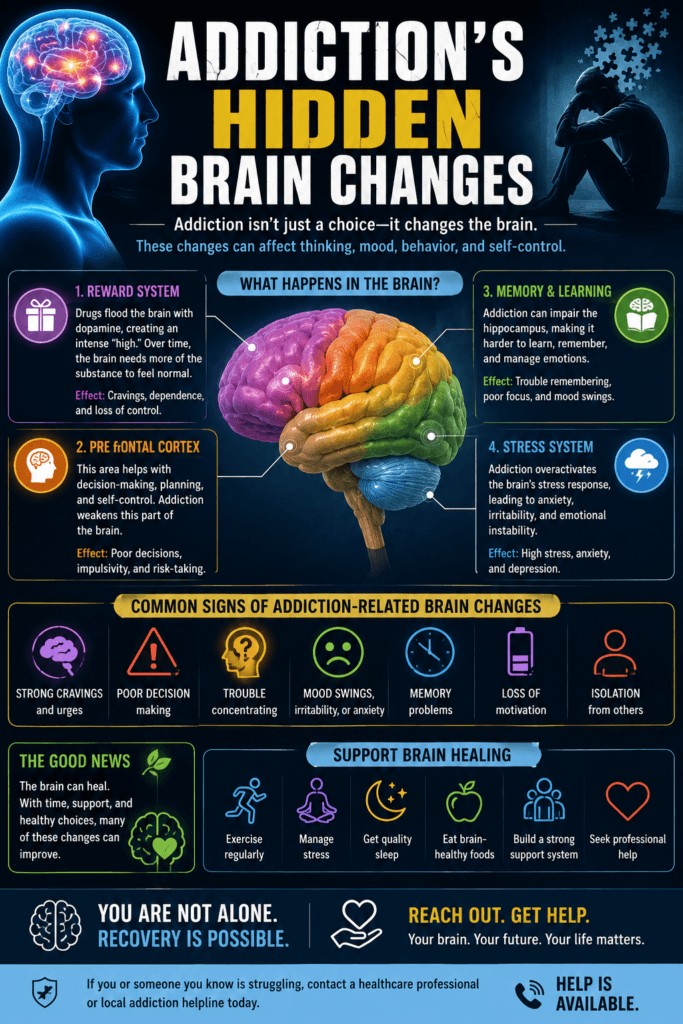
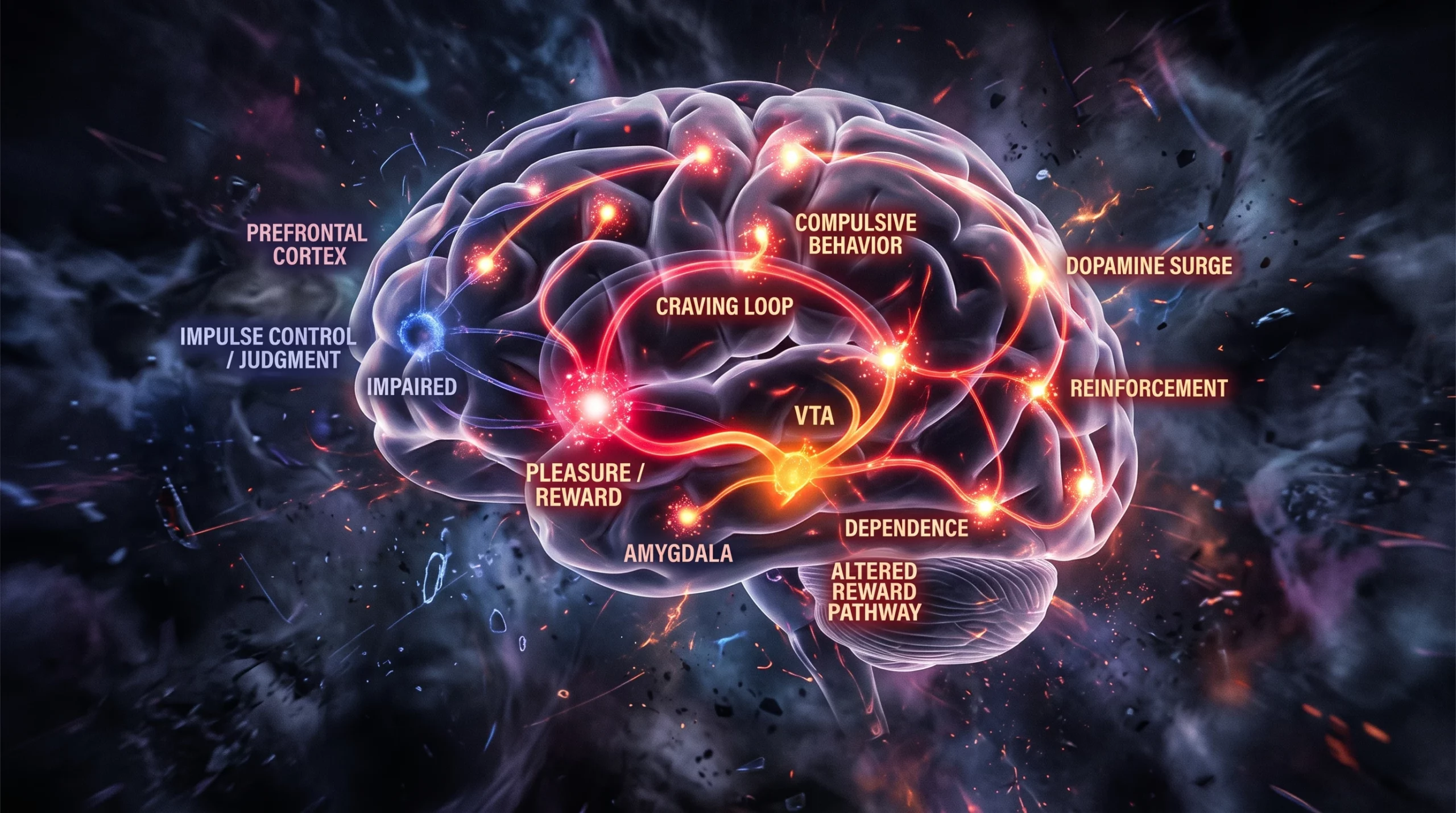
Addiction acts like a cheat code in the brain’s reward system. Instead of feeling joy from everyday things—like enjoying a meal, hitting a milestone, or laughing with friends—addictive substances or behaviors hijack the brain’s natural pleasure circuits. Drugs like opioids, nicotine, and alcohol, or activities like gambling, flood the brain with feel-good chemicals (mainly dopamine). Repeated overexposure leads to real changes in how the brain works. Some of the brain’s circuits just do not work the same way after a while, which is why addiction is often called a brain disorder.
Researchers have found that the most affected areas tend to be the reward center (primarily the nucleus accumbens), decision-making regions (such as the prefrontal cortex), and areas controlling memory and stress (such as the amygdala and hippocampus). These changes are why addiction can feel so overpowering and why recovery is much more than just making a choice.
Spotting the Main Signs of Brain Changes from Addiction
Addiction-related brain changes can surface in a bunch of different ways, sometimes long before someone realizes there’s a problem. Here are some of the key signs and what’s really going on behind the scenes.
- Intense Cravings: The brain gets programmed to expect the reward from the addictive substance or activity, firing off strong urges that can be really tough to ignore.
- Weakened Self-Control: The part of the brain responsible for planning and decision-making (the prefrontal cortex) works differently.
- Lost Interest in Usual Activities: Things that used to feel rewarding, like hobbies, work, or seeing friends, start to feel flat. The brain’s reward system is so focused on the addictive substance or habit that regular activities can seem boring.
- Mood Swings and Emotional Numbness: Chemicals in the brain that affect mood (like serotonin and dopamine) get out of balance. This can lead to feeling down, anxious, or just emotionally flat.
- Memory Problems: Regions of the brain involved in memory (such as the hippocampus) can shrink or stop working, leading to forgetfulness or foggy thinking.
How Brain Circuits Change in Addiction
Chemical messengers in the brain, called neurotransmitters, play a big part in addiction. Let’s break down a few of the brain circuits and functions that take a hit:
- Dopamine Flood and Reward Pathway: Dopamine is behind the “high” or pleasurable buzz. With repeated use, the brain can actually stop making as much dopamine naturally, so regular fun activities can lose their spark.
- Impulse Control Problems: Drugs and addictive behaviors dull the brain’s brakes, the networks that help us slow down and think before doing something risky or unhealthy.
- Stress and Anxiety Circuits: Chronic substance use can make the brain more sensitive to stress, which can ramp up anxiety and make it way harder to calm down without turning back to a substance or addictive activity.
If you want a deeper look at the science behind addiction and brain chemistry, it’s worth checking out resources from organizations like the National Institute on Drug Abuse.
Recognizing Everyday Changes Linked to Addiction
It’s common for people to miss the early warning signs and only notice addiction-related changes once they interfere with daily life. Here are some of the more subtle, real-world clues that something has switched up in the brain:
- Neglecting Responsibilities: Missing work, slacking off at school, or struggling to keep up with household chores start to become normal.
- Relationship Struggles: Increased irritability or pulling away from loved ones can follow changes in mood regulation circuits.
- Riskier Behavior: Making choices that seem out of character, like driving under the influence, gambling away rent, or lying to get drugs, is often tied to changes in the frontal lobes, which usually keep risky impulses in check.
- Cravings During Stress: Everyday stressors, even minor ones, can set off cravings because the brain has learned to associate the addictive substance with relief.
Practical Strategies for Understanding and Managing Brain Changes
Knowing about addiction’s effect on the brain isn’t just for scientists. It helps anyone- family, friends, or the person struggling- understand why recovery takes time. Seeing addiction as a medical issue (not only a personal failing) helps reduce shame and opens doors for effective treatment.
- Track Patterns: Keeping a journal of habits, cravings, and mood shifts can make brain changes more visible, so support or treatment isn’t delayed.
- Find Professional Support: Therapists, counselors, and addiction specialists use proven methods (like cognitive behavioral therapy) that address changes in brain wiring.
- Lean on Healthy Habits: Regular exercise, enough sleep, and balanced meals help repair some of the damage and encourage healthier brain chemistry.
- Seek Out Peer Groups: Talking with others who “get it” (such as those in support groups) reduces isolation and can motivate positive changes.
How Memory, Learning, and Stress Response Shift
There’s a close connection between addiction and a decline in memory, learning, and stress handling. Heavy or ongoing substance use can make it tough to recall details, stay sharp at work or school, or pick up new skills. The hippocampus, which processes memory, and the amygdala, which processes emotions and stress, are often affected.
- Forgetting Commitments: Missing appointments or failing to remember important conversations is common.
- Struggling Under Pressure: The brain becomes wired for quick stress relief, often through addictive substances or behaviors, rather than healthier stress-busting routines.
- Emotional Numbness: Longterm changes in the amygdala can make it tough to experience joy, sadness, or connection. Sometimes this leads to a sense of emptiness.
Frequently Asked Questions
Here are some frequent questions about how addiction affects the brain and what people can expect:
Question: Can the brain recover from addiction?
Answer: Recovery is possible, and the brain can rewire itself with time, healthy habits, and support. Some changes might take longer to reverse, and patience is key.
Question: Why don’t people just stop if addiction is causing these changes?
Answer: The wiring switches make it hard to resist cravings and lower motivation. Willpower alone is usually not enough because these changes affect the brain’s decision-making and self-control centers.
Question: Do all addictions change the brain in the same way?
Answer: Most addictions mess with similar pathways (especially those involving dopamine), but every drug or addictive activity brings a slightly different fingerprint to the changes.
Real-World Reasons to Understand Brain Changes in Addiction
Understanding addiction as a brain disorder, not just a matter of weak will, lifts up people to seek and offer real, helpful support. Whether you’re worried about your own habits or someone you care about, keeping an eye out for these brain-based warning signs helps catch the problem early. Resources like the Substance Abuse and Mental Health Services Administration offer support and treatment options, and connecting with others who understand the struggle can really give a boost to the chance of making a lasting change.
Paying attention to these common brain-related signs of addiction can help people recognize when it’s time to reach out. Recovery isn’t always easy, but brains can heal, and new, healthy habits are absolutely possible.
Video: Addiction’s Hidden Brain Changes