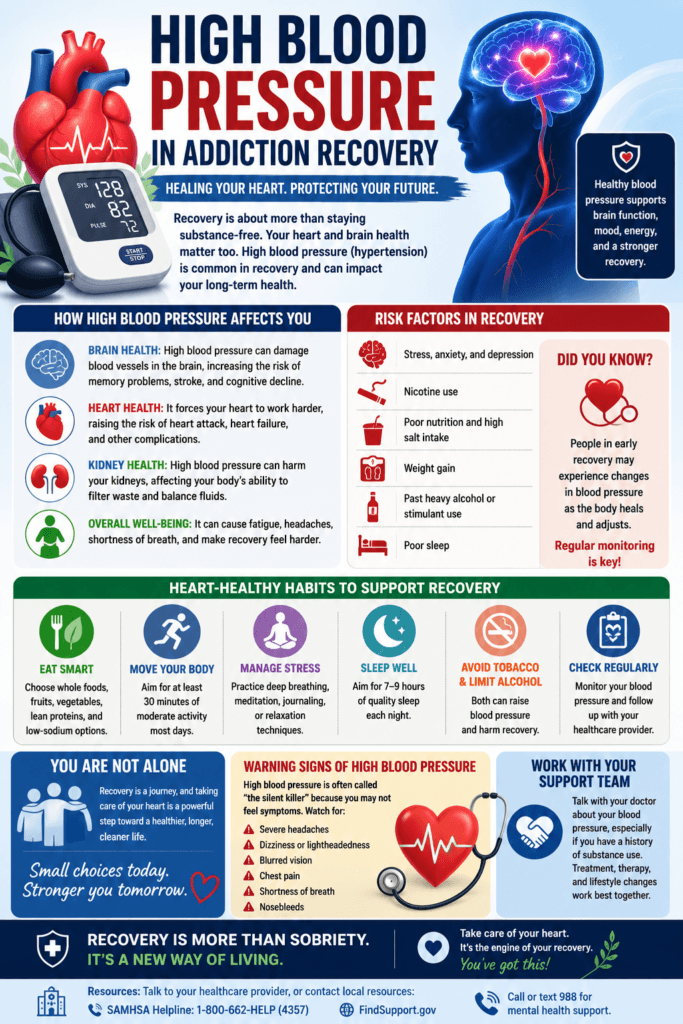
High blood pressure, or hypertension, is usually linked to heart attacks and strokes. But there’s another area where it quietly has a big influence: our brains, especially how they recover after illness or injury. The more I learn about hypertension, the clearer it becomes that how we manage our blood pressure can make a huge difference in how our brains age, heal, and stay sharp over time.
Understanding High Blood Pressure and Its Impact on Brain Health
Hypertension affects over a billion people worldwide, and rates keep climbing. It happens when the force of blood pushing against artery walls stays high for too long. This constant pressure makes blood vessels less flexible and can slowly cause damage throughout the body, including the brain.
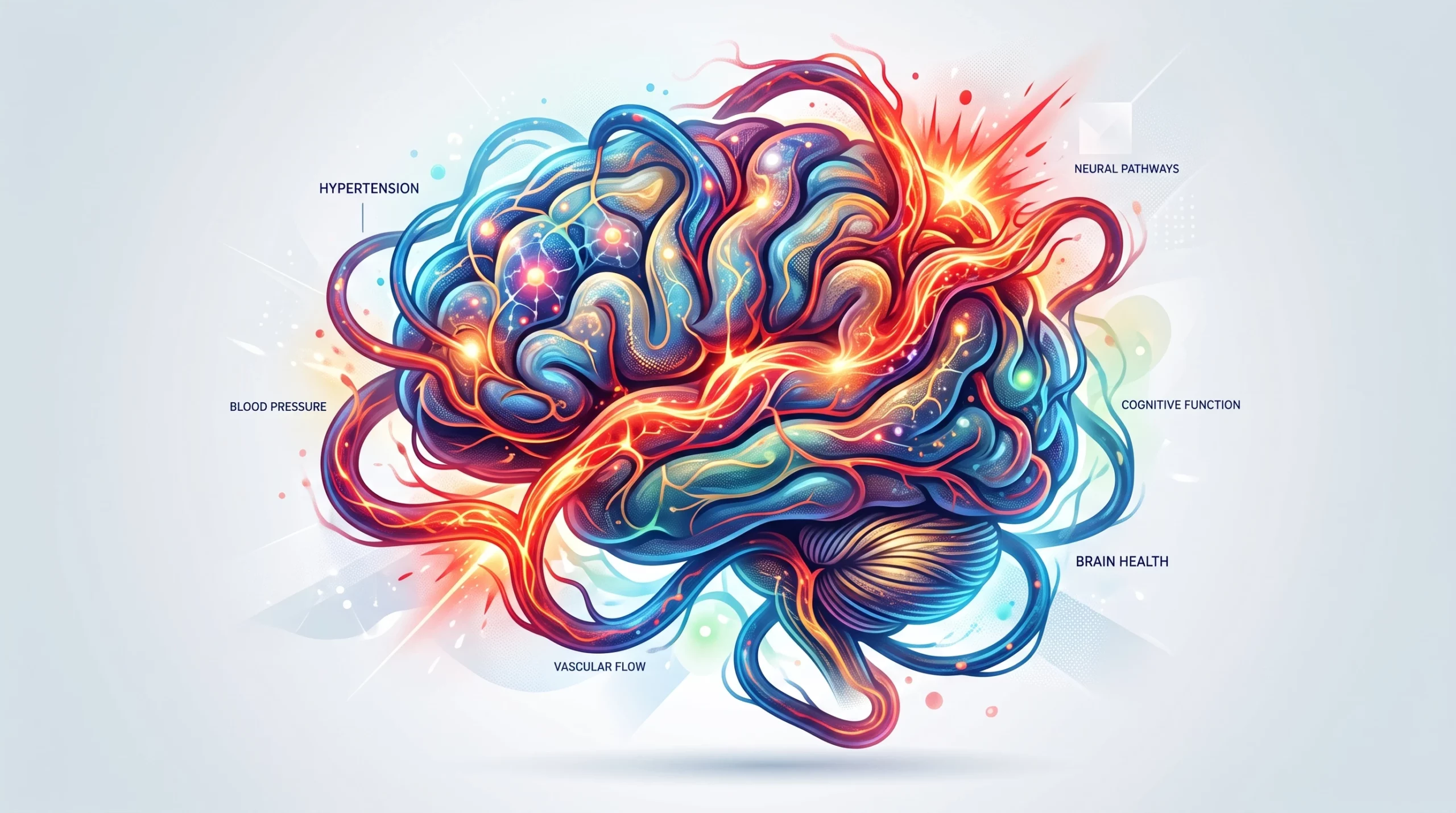
The brain relies on a steady stream of blood and oxygen. High blood pressure makes tiny blood vessels in the brain less effective, which leads to small areas of damage over time. These issues don’t show obvious symptoms right away, but they lay the groundwork for bigger problems down the road.
Even before you notice memory problems or confusion, hypertension can change the structure of your brain. Studies have found links between high blood pressure and loss of brain volume, especially in areas tied to thinking, planning, and memory. That matters not just for day-to-day life, but also for anyone trying to heal after a surgery, stroke, or concussion. On top of that, research shows that these changes can affect people at younger ages than once thought, making early blood pressure control even more important.
How High Blood Pressure Influences Recovery and Cognitive Decline
Many people expect that once a health event like a stroke passes, recovery is just a matter of rest and rehab. What’s easy to miss is how underlying conditions like high blood pressure can slow that healing or make it harder for the brain to bounce back. Recovery isn’t just about time—it’s also about the state of the blood vessels supplying the healing brain.
Here’s what’s happening under the surface:
- Reduced Blood Flow: Hypertension narrows blood vessels, so less oxygen-rich blood reaches brain cells. That limits the brain’s ability to repair itself, especially after an injury or illness.
- Increased Risk of New Problems: Higher blood pressure puts you at greater risk for ministrokes (sometimes called “silent strokes” because they don’t always show clear symptoms). Each one chips away at brain power, often without you realizing it’s happening.
- Inflammation and Damage: Ongoing high blood pressure can trigger inflammation in the brain and accelerate the damage to nerve connections. This can make it harder to recover basic skills like speaking or moving after an acute brain event. It may also lead to feeling mentally drained sooner or struggling with tasks that once felt simple.
People with hypertension often report slower progress in brain-related recovery. Memory, attention, or problem-solving skills may take longer to return, and tasks may seem more challenging than before. Recovery becomes not just about physical healing, but also about reclaiming your focus and clarity day by day.
What Science Says: A Look at the Evidence
Research is coming out all the time showing links between high blood pressure and different types of cognitive decline. For example, the American Heart Association has published several papers showing even mild cases of hypertension can raise the risk for dementia and slower recovery after a stroke.
One study tracked people recovering from a mild traumatic brain injury. Those with poorly controlled blood pressure experienced worse memory and struggled more with tasks requiring attention or quick thinking. Another review found that people who managed their blood pressure well after surgery showed faster improvements in mental clarity compared to those who didn’t focus on blood pressure control.
If you’re interested in checking out the research, the Hypertension Journal and Alzheimer’s Association resources are really useful places to start.
Spotting the Signs: How Hypertension-Related Cognitive Changes Show Up
Changes in memory, thinking, or even mood often come on slowly and may not be obvious at first. Here are some common things people notice:
- Difficulty remembering details or recent events
- Trouble focusing or paying attention
- Making more mistakes with numbers or simple tasks
- Struggling to plan or follow directions
- Feeling more easily confused or mentally foggy after surgery or illness
Catching these changes early is really important for anyone with a history of high blood pressure. Doctors can tailor rehab or suggest therapies that make a difference, especially if cognitive decline is caught early on. Support from loved ones who notice changes can also help track things that you might not see yourself.
Improving Recovery: Practical Steps for Managing High Blood Pressure
Managing blood pressure isn’t just about pills. Small changes add up over time and can make a measurable difference in how the brain heals—not just after big events, but every day as you age.
- Stay Consistent with Medications: Even if you’re feeling fine, skipping doses can allow blood pressure to spike and silently cause more brain damage. It helps to set daily reminders or use a pill organizer if you’re busy or have trouble remembering.
- Prioritize Routine Monitoring: Home blood pressure cuffs are easy to use, and tracking your numbers helps you and your doctor spot trends before issues get worse. Keep a log and bring it to your appointments to give your provider a clear picture.
- Dial In Your Diet: Eating less salt and processed food helps keep blood pressure lower. More fruits, veggies, and potassium-rich foods are great for vascular health. Foods like bananas, spinach, and yogurt naturally provide potassium without added salt.
- Aim for Regular Movement: Even light walking or gentle exercise can help control hypertension and support brain function. It doesn’t have to be intense—consistent, moderate movement is what matters.
- Manage Stress as Best You Can: Stress hormones can raise blood pressure. Making time for relaxation, meditation, hobbies, or even brief moments of relaxation throughout your day can help tone down this effect.
- Stay in Touch with Your Doctor: Regular check-ins are super important. If you’ve had a brain injury or any procedure, ask specifically about how your brain and blood pressure are linked in your situation. Your doctor can also connect you with resources or specialists if needed.
These steps seem simple, but when stacked up, they give your brain a better shot at bouncing back after any kind of setback, whether it’s from injury, illness, or just the effects of aging.
Things to Think About Before and After Brain Recovery
Having high blood pressure doesn’t make recovery impossible—it just means your rehab plan might need some extra attention and patience. Here are a few things to keep in mind:
- Medication Side Effects: Some blood pressure medications can cause fatigue or dizziness. If these get in the way of rehab work, ask your doctor about alternatives or timing adjustments.
- Sleep Problems: It’s common for both hypertension and brain injury to mess with sleep patterns. Poor sleep slows the brain’s healing, so creating a relaxing bedtime routine or talking to your provider about sleep aids can be helpful.
- Cultural or Language Differences: Sometimes language barriers or beliefs about medication make sticking to blood pressure regimens tricky. Bring up any concerns with your care team so they can personalize suggestions that actually fit your everyday life and preferences. Support and understanding from your care team can make all the difference.
- Consistency Over Time: Recovery often takes longer for those with high blood pressure. Celebrate even small wins and be patient with yourself. It’s a marathon, not a sprint. Tracking your progress can help you stay motivated, especially when improvements seem slow.
Blood Pressure Variability
One sneaky aspect—how much your blood pressure bounces up and down day to day—can also shape your recovery. Wide swings are linked to worse mental outcomes than blood pressure that stays fairly steady. Keeping a daily log or sharing readings with your healthcare provider is a smart move, helping spot hidden issues before they grow.
Ways to Support Brain Health Alongside Blood Pressure Management
I’ve found that supporting brain health and blood pressure at the same time is totally doable. Here are a few ideas I’ve seen work well both for myself and others:
- Puzzle Games and Mental Challenges: Give your brain little workouts like crosswords, memory apps, or even learning a new skill to keep those neurons firing. It helps to mix things up regularly.
- Social Time: Friendships and regular chats can help tone down stress and keep your mind engaged. Both are handy for supporting recovery and feeling connected. Even a quick phone call or video chat with a loved one can have mood-lifting benefits.
- Alcohol and Smoking: Both raise your blood pressure and can mess with your memory, so cutting back where you can makes a difference. Replacing these habits with healthier ones (such as herbal tea, walks, or creative hobbies) also supports overall recovery.
- Regular Checkups for Other Conditions: Diabetes, high cholesterol, or sleep apnea can team up with hypertension against your brain. Keeping these in check makes the road to recovery much smoother. Don’t hesitate to address multiple health issues at once—it all adds up.
Frequently Asked Questions
Here are some common questions people ask about high blood pressure and cognitive decline:
Question: How do I know if my memory problems are due to high blood pressure?
Answer: It can be tough to tell at first. If you’ve had hypertension for a while, mention any changes in memory or mental sharpness to your doctor so they can run basic checks or suggest strategies. Journaling or asking close family members if they’ve noticed changes can also be helpful.
Question: Will lowering my blood pressure reverse cognitive decline?
Answer: Lowering blood pressure can help slow or prevent future damage, but memory issues that have already developed may not fully reverse. Catching changes early and managing your numbers now is the best bet for better outcomes. Prevention, in this case, is easier than reversal.
Question: Are there safe blood pressure medications for older adults with memory issues?
Answer: Yes, but it’s best to review your medication list with a healthcare provider. Some drugs might cause drowsiness or extra confusion, so regular reviews with your care team are super helpful. Open conversation about your concerns is key to finding what works for you.
Key Takeaways for Brain Recovery and Blood Pressure
Taking charge of your blood pressure is one of the smartest moves you can make if you’re hoping for a smoother recovery after brain injury or illness. Even small changes, like eating better or using a home monitoring cuff, help keep you moving in the right direction. Staying curious, checking in with your doctor, and tracking what works for you all set up a positive path for brain health—now and down the line.
Exploring more about the connection between heart health and brain recovery can lead to simple, practical changes that make life after an injury or health event more manageable and independent. If in doubt, never hesitate to ask your care team about fresh strategies or new insights as more is understood about this vital link.
Video: How substances ruin your blood pressure #addiction #hypertension #shorts