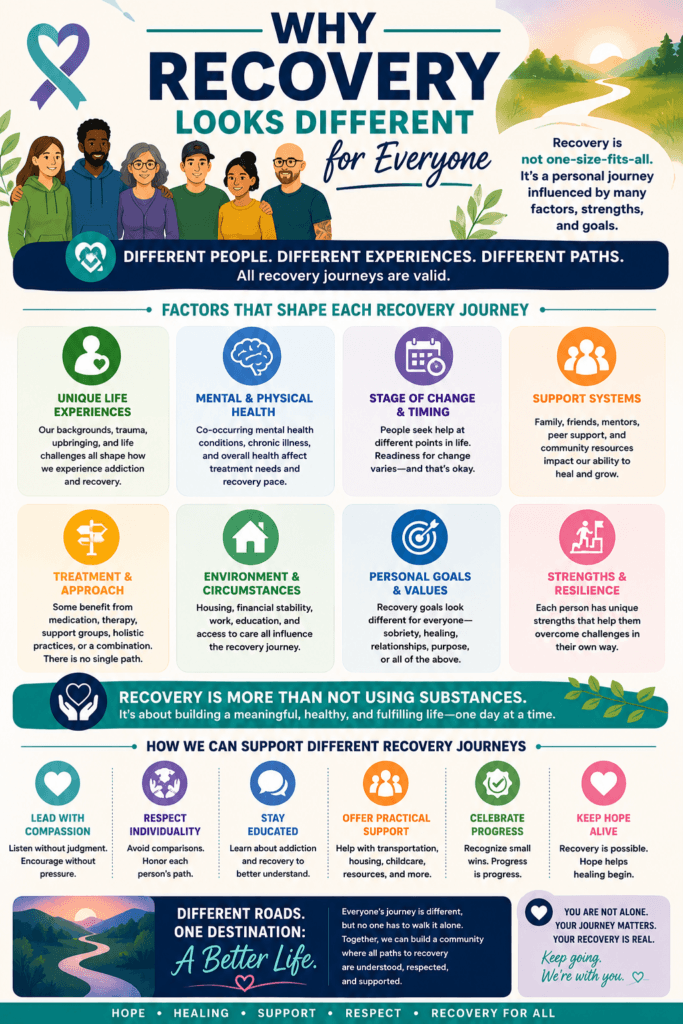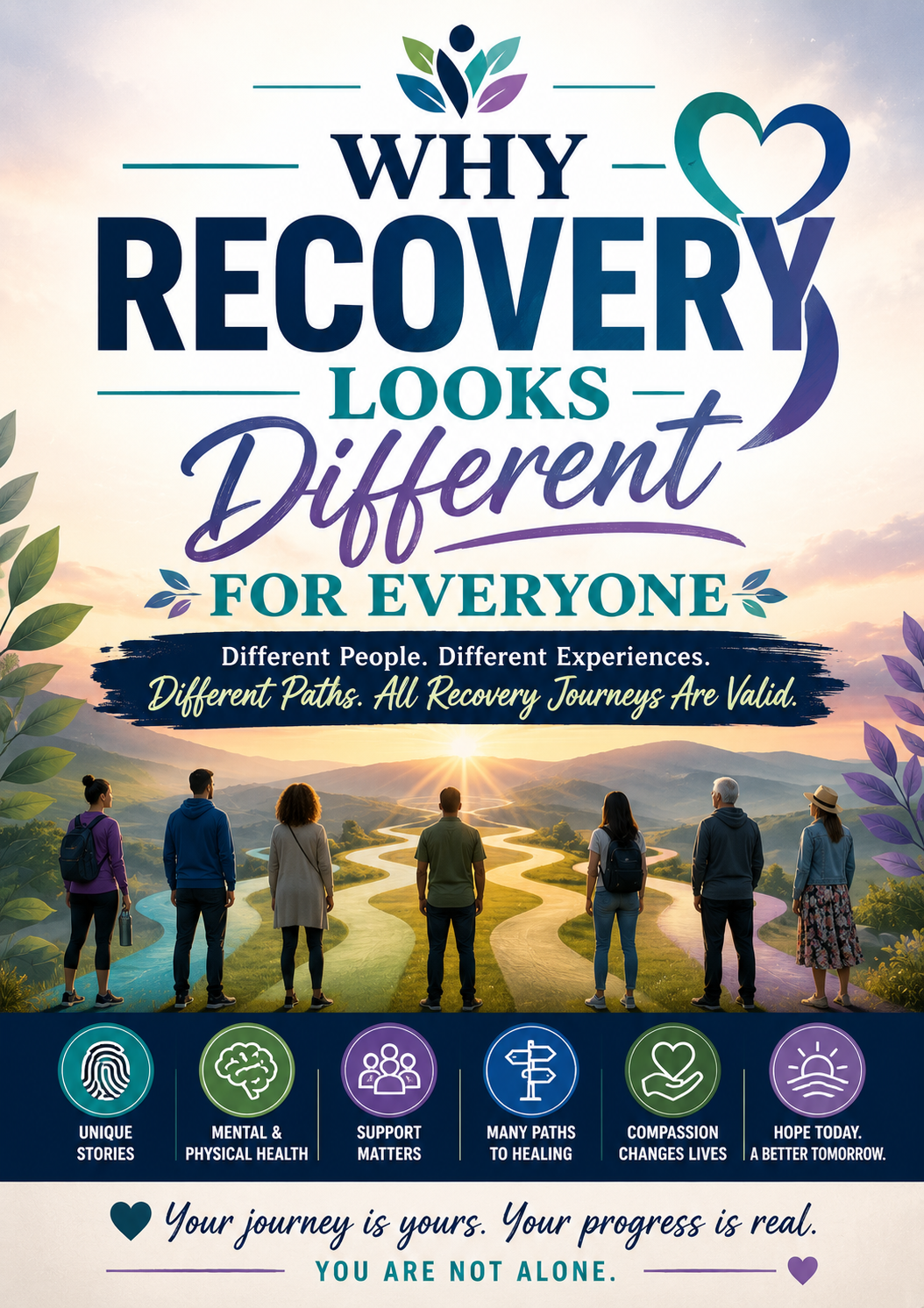
Recovery from addiction is a unique and deeply personal journey that cannot be measured by a single timeline or treatment approach. Every individual enters recovery with different life experiences, health conditions, family dynamics, emotional challenges, and personal goals. Factors such as the type of substance used, the duration of addiction, co-occurring mental health conditions, available support systems, and access to healthcare all influence how recovery unfolds. While some people achieve recovery through medication-assisted treatment, others benefit from counseling, peer support, faith-based programs, or a combination of evidence-based services. Understanding that recovery looks different for everyone helps reduce stigma, encourages compassion, and promotes individualized care that respects each person’s strengths, needs, and pathway toward a healthier life.
Why Recovery Looks Different for Everyone
Recovery from addiction is a highly personal journey that does not follow a single path or timeline. While the goal is often to improve health, well-being, and quality of life, the way people achieve and maintain recovery varies based on their unique experiences, medical needs, social supports, and personal values. Recognizing that recovery looks different for everyone helps reduce stigma and encourages individualized, evidence-based care.
Recovery Begins at Different Starting Points
No two people enter recovery under the same circumstances. Some individuals seek help after a first overdose or early signs of substance misuse, while others may have lived with addiction for many years. Factors such as age, physical health, mental health conditions, trauma history, family relationships, housing stability, employment, and access to healthcare all influence the recovery process. Because these starting points differ, treatment plans and recovery timelines naturally vary.
Different Substances Create Different Challenges
Recovery may look different depending on the substance involved. For example, people recovering from opioid use disorder often benefit from medications such as methadone or buprenorphine, while individuals with alcohol use disorder may use medications like naltrexone, acamprosate, or disulfiram when appropriate. Others may recover from stimulant, cannabis, nicotine, or multiple substance use disorders using different combinations of behavioral therapies, medications when available, and supportive services. Effective treatment is tailored to the specific substance and the individual’s needs.
Recovery Includes More Than Abstinence
Many people define recovery as complete abstinence from alcohol or other drugs, while others focus on broader improvements in health and functioning. Recovery may include rebuilding relationships, returning to work or school, managing chronic medical conditions, improving mental health, developing healthy coping skills, or finding stable housing. These achievements are important indicators of progress, even though recovery goals may differ from person to person.
Treatment Plans Should Be Individualized
There is no single treatment approach that works for everyone. Some people benefit from outpatient counseling, while others require residential treatment, intensive outpatient programs, or medication-assisted treatment. Many individuals combine counseling, peer support, family therapy, mental health care, and recovery coaching. Healthcare providers work with patients to develop treatment plans based on medical history, recovery goals, and personal preferences.
Mental Health Influences Recovery
Many people living with substance use disorders also experience mental health conditions such as anxiety, depression, post-traumatic stress disorder, or bipolar disorder. Treating both conditions together often improves recovery outcomes. For some individuals, addressing trauma or mental illness is a critical part of maintaining long-term sobriety.
Family and Social Support Matter
Recovery is often strengthened by supportive relationships. Family members, friends, peer recovery specialists, counselors, faith communities, and recovery groups can all provide encouragement and accountability. However, some individuals recover successfully with limited family involvement, particularly if family relationships are strained or unsafe. The type and amount of support needed varies widely.
Relapse Does Not Mean Failure
Recovery is rarely a straight line. Some individuals experience setbacks or return to substance use before achieving long-term stability. Rather than viewing relapse as failure, healthcare professionals often see it as a signal that the treatment plan may need adjustment. Learning from setbacks and re-engaging in treatment are common parts of the recovery process for many people.
Recovery Changes Over Time
Recovery goals often evolve. Early recovery may focus on managing withdrawal symptoms, avoiding substance use, and attending treatment consistently. Later stages may emphasize career development, parenting, education, financial stability, physical health, and personal growth. Recovery is a lifelong process of adapting to changing needs and circumstances.
Culture and Personal Values Shape Recovery
Cultural background, spiritual beliefs, language, community traditions, and personal values influence how people approach recovery. Some individuals find strength in faith-based programs, while others prefer secular support groups, psychotherapy, mindfulness practices, or community-based recovery organizations. Respecting these differences helps create more meaningful and effective care.
Success Looks Different for Everyone
One person may define success as years of sustained abstinence, while another may celebrate obtaining stable housing, rebuilding family relationships, managing chronic health conditions, or maintaining steady employment. Recovery is not measured by comparison with others but by meaningful improvements in an individual’s health, safety, and quality of life.
Reducing Stigma Through Individualized Recovery
Understanding that recovery is not one-size-fits-all helps reduce stigma and encourages compassion. Recognizing multiple pathways to recovery allows healthcare providers, families, and communities to support individuals based on their unique strengths, challenges, and goals rather than expecting everyone to follow the same journey.
Conclusion
Recovery looks different for everyone because every person brings unique experiences, strengths, challenges, and goals to the healing process. Evidence-based treatment recognizes that there is no single “right” way to recover. Whether recovery includes medication, counseling, peer support, faith, behavioral therapies, or a combination of approaches, the focus should remain on improving health, reducing harm, enhancing quality of life, and helping individuals build meaningful, sustainable lives. By embracing individualized recovery, families, healthcare professionals, and communities can create a more supportive environment where every person has the opportunity to heal in the way that works best for them.
Self-Management Strategies to Understand Why Recovery Looks Different for Everyone
Recovery from addiction is a personal journey that is influenced by each individual’s physical health, mental health, life experiences, support system, and recovery goals. Comparing your recovery to someone else’s can lead to frustration, discouragement, or unrealistic expectations. Self-management involves recognizing your unique strengths and challenges while developing healthy habits that support long-term recovery. Understanding that recovery looks different for everyone can help you stay focused on your own progress rather than someone else’s path.
1. Accept That Your Recovery Journey Is Unique
Recognize that no two people experience addiction or recovery in exactly the same way. Your treatment plan, recovery timeline, and personal goals should be based on your individual needs rather than comparisons with others. Accepting your unique journey helps reduce unnecessary pressure and builds self-confidence.
2. Set Realistic and Personal Recovery Goals
Work with your healthcare provider to establish goals that are meaningful and achievable for you. These goals may include maintaining sobriety, attending counseling sessions, improving physical health, rebuilding relationships, finding employment, returning to school, or improving emotional well-being. Small, measurable goals help maintain motivation and create a sense of accomplishment.
3. Focus on Progress Instead of Perfection
Recovery is rarely a straight path. There may be setbacks, difficult days, or periods of slower progress. Instead of expecting perfection, celebrate consistent effort and positive changes. Every healthy decision—such as attending therapy, taking medication as prescribed, or resisting cravings—is an important step forward.
4. Learn Your Personal Triggers
Identify situations, emotions, people, or environments that increase your risk of returning to substance use. Keeping a journal or discussing triggers with a counselor can help you develop coping strategies before challenges arise. Knowing your triggers allows you to respond proactively rather than react impulsively.
5. Develop Healthy Daily Routines
Consistent routines provide structure and stability during recovery. Aim to:
- Get adequate sleep.
- Eat nutritious meals.
- Exercise regularly.
- Practice stress management.
- Attend scheduled treatment appointments.
- Make time for hobbies and relaxation.
Healthy routines strengthen both physical and emotional resilience.
6. Participate Actively in Your Treatment Plan
Recovery works best when you are actively engaged in your care. Attend appointments, ask questions, communicate openly with your healthcare team, and follow treatment recommendations. If your needs change, discuss adjustments with your providers rather than trying to manage challenges alone.
7. Build Healthy Coping Skills
Replace substance use with positive coping strategies such as:
- Deep breathing exercises.
- Mindfulness or meditation.
- Physical activity.
- Creative hobbies.
- Journaling.
- Prayer or spiritual practices if meaningful to you.
- Talking with trusted friends, family members, or counselors.
Healthy coping skills improve emotional regulation and reduce the risk of relapse.
8. Avoid Comparing Yourself to Others
Recovery milestones occur at different times for different people. Someone else’s progress does not diminish your own achievements. Focus on your personal growth and recognize that healing depends on many individual factors, including health conditions, trauma history, family support, and treatment needs.
9. Monitor Your Mental Health
Many people recovering from addiction also experience anxiety, depression, trauma-related disorders, or other mental health conditions. Pay attention to changes in your mood, sleep, stress level, or motivation, and seek professional support if symptoms worsen. Addressing mental health is an essential part of long-term recovery.
10. Celebrate Meaningful Milestones
Recovery involves more than remaining substance-free. Celebrate achievements such as:
- Attending treatment consistently.
- Completing counseling goals.
- Improving relationships.
- Returning to work or school.
- Paying bills on time.
- Managing stress more effectively.
- Building healthy friendships.
Recognizing progress reinforces motivation and self-esteem.
11. Stay Flexible as Recovery Evolves
Your recovery needs may change over time. What works during early recovery may differ from what supports long-term wellness. Be open to adjusting your treatment plan, learning new coping skills, and exploring additional resources as your life circumstances change.
12. Practice Self-Compassion
Recovery involves learning, healing, and personal growth. Treat yourself with the same kindness and patience you would offer a loved one facing similar challenges. Self-compassion reduces shame, supports resilience, and encourages continued engagement in recovery after setbacks.
Conclusion
Understanding that recovery looks different for everyone helps individuals focus on their own healing rather than comparing themselves to others. By setting personal goals, developing healthy routines, learning effective coping skills, actively participating in treatment, monitoring their mental health, and practicing self-compassion, individuals can build a recovery plan that reflects their unique needs and strengths. Recovery is not about following someone else’s timeline—it is about making steady progress toward a healthier, safer, and more meaningful life.
Family Support Strategies to Understand Why Recovery Looks Different for Everyone
Recovery from addiction is a deeply personal process that varies from one individual to another. While families often hope for a clear timeline or a single path to success, recovery is influenced by many factors, including the type and severity of substance use disorder, physical and mental health, past trauma, available support systems, and personal goals. Understanding that recovery looks different for everyone allows families to provide compassionate, realistic, and effective support while reducing frustration and unrealistic expectations.
1. Learn About the Individual Nature of Recovery
Take time to understand that there is no “one-size-fits-all” approach to recovery. Some people recover through outpatient counseling, while others benefit from residential treatment, medications, peer support, or a combination of services. Learning about evidence-based treatment helps families appreciate why treatment plans differ from person to person.
2. Avoid Comparing Your Loved One to Others
It is natural to compare your loved one’s progress with that of friends, relatives, or people in recovery groups, but comparisons can create unnecessary pressure and discouragement. Instead, focus on your loved one’s personal growth, recognizing that every recovery journey has its own pace and challenges.
3. Set Realistic Expectations
Recovery often involves gradual progress rather than immediate change. There may be setbacks, periods of slow improvement, or adjustments to the treatment plan. Families who understand that recovery is a long-term process are better prepared to provide consistent encouragement without becoming discouraged by temporary obstacles.
4. Encourage Participation in Individualized Treatment
Support your loved one in following a treatment plan developed with healthcare professionals. Encourage attendance at medical appointments, counseling sessions, support groups, and recovery activities. Recognize that treatment recommendations may differ based on individual medical and psychological needs.
5. Celebrate Progress Beyond Abstinence
Recovery includes many positive changes beyond simply avoiding substances. Celebrate achievements such as:
- Attending treatment consistently.
- Taking medications as prescribed.
- Returning to work or school.
- Rebuilding family relationships.
- Improving physical and mental health.
- Developing healthy coping skills.
- Achieving stable housing or employment.
Recognizing these milestones reinforces motivation and hope.
6. Communicate With Compassion
Create an environment where your loved one feels safe discussing successes, struggles, and concerns without fear of judgment. Practice active listening, ask open-ended questions, and avoid blaming or criticizing. Compassionate communication strengthens trust and encourages continued engagement in recovery.
7. Learn About Co-Occurring Mental Health Conditions
Many individuals with substance use disorders also experience anxiety, depression, post-traumatic stress disorder, or other mental health conditions. Understanding how these conditions affect recovery helps families provide more informed support and recognize the importance of integrated treatment.
8. Support Healthy Daily Routines
Encourage routines that promote overall well-being, including:
- Regular sleep schedules.
- Nutritious meals.
- Physical activity.
- Stress management techniques.
- Meaningful hobbies.
- Time with supportive family and friends.
Healthy habits strengthen recovery and improve emotional resilience.
9. Respect Personal Recovery Goals
Each individual may define recovery differently. While many people strive for complete abstinence, others may focus on improving health, maintaining employment, repairing relationships, or managing chronic medical conditions. Respecting these goals—while supporting evidence-based treatment—helps families remain encouraging partners in recovery.
10. Participate in Family Education and Support Programs
Family counseling, educational workshops, and support groups can help families better understand addiction, communication skills, boundary setting, and relapse prevention. Learning alongside others facing similar challenges reduces isolation and builds confidence in supporting recovery.
11. Prepare for Setbacks Without Losing Hope
Relapse or setbacks can occur during recovery and do not necessarily mean treatment has failed. Families can respond by encouraging their loved one to reconnect with healthcare providers, review the treatment plan, and continue moving forward. Responding with support rather than shame increases the likelihood of re-engagement in care.
12. Practice Patience and Self-Care
Supporting someone in recovery can be emotionally demanding. Family members should care for their own physical and mental health by maintaining healthy routines, seeking counseling if needed, participating in support groups, and making time for personal interests. Healthy caregivers are better able to provide long-term support.
Conclusion
Recovery looks different for everyone because each person’s experiences, strengths, challenges, and goals are unique. Families can make a powerful difference by avoiding comparisons, supporting individualized treatment, celebrating meaningful progress, communicating with compassion, and maintaining realistic expectations. By understanding that recovery is a lifelong process rather than a single event, families create a supportive environment where healing, resilience, and lasting recovery can flourish.
Community Resource Strategies to Understand Why Recovery Looks Different for Everyone
Recovery from addiction is a personal journey that varies for every individual. Factors such as the type of substance used, the length of addiction, physical and mental health, trauma history, family support, employment, housing, and access to healthcare all influence the recovery process. Communities play a critical role in helping people understand that there is no single path to recovery. By providing diverse, evidence-based resources and reducing stigma, communities can create an environment where individuals have the opportunity to recover in ways that best meet their unique needs.
1. Promote Public Education About Recovery
Community organizations can provide educational programs that explain addiction as a chronic but treatable medical condition. Workshops, health fairs, school programs, and public awareness campaigns can emphasize that recovery is individualized and may include medication, counseling, peer support, behavioral therapies, faith-based support, or a combination of approaches.
2. Expand Access to Multiple Treatment Options
Communities should work to ensure that individuals have access to a variety of evidence-based treatment services, including:
- Medication for opioid and alcohol use disorders.
- Outpatient counseling.
- Intensive outpatient programs.
- Residential treatment.
- Mental health services.
- Peer recovery support.
- Family therapy.
Offering multiple treatment options allows healthcare providers and patients to choose approaches that best fit individual needs.
3. Support Recovery Community Organizations
Recovery community organizations provide peer support, recovery coaching, educational programs, social activities, and advocacy services. These organizations help individuals connect with others who understand their experiences and reinforce the idea that recovery can take many forms.
4. Increase Access to Mental Health Services
Many individuals recovering from addiction also experience anxiety, depression, trauma-related disorders, or other mental health conditions. Communities can improve recovery outcomes by expanding access to integrated behavioral health services that address both substance use and mental health simultaneously.
5. Reduce Stigma Through Community Outreach
Community education campaigns can challenge common myths about addiction and recovery. Promoting respectful language, sharing recovery success stories, and educating the public about evidence-based treatment help reduce stigma and encourage individuals to seek help without fear of judgment.
6. Strengthen Family Education Programs
Families often need guidance in understanding why recovery varies from person to person. Community agencies can offer educational classes, family counseling, and support groups that teach communication skills, boundary setting, relapse prevention, and ways to support individualized recovery.
7. Encourage Peer Recovery Support
Certified peer recovery specialists use their lived experience to help others navigate treatment and long-term recovery. Communities can expand peer support programs in healthcare settings, treatment centers, emergency departments, recovery organizations, and criminal justice systems to provide encouragement and practical guidance.
8. Improve Access to Social Support Services
Recovery is influenced by more than healthcare alone. Communities can strengthen recovery by providing resources that address:
- Stable housing.
- Employment assistance.
- Job training.
- Educational opportunities.
- Transportation services.
- Food assistance.
- Legal aid.
- Childcare resources.
Meeting these basic needs allows individuals to focus more fully on their recovery.
9. Expand Recreational and Wellness Programs
Community centers, parks, libraries, fitness programs, and recreational organizations can offer healthy activities that reduce isolation and promote overall well-being. Exercise classes, volunteer opportunities, creative arts, gardening, and social events help individuals build meaningful lives in recovery.
10. Foster Collaboration Among Community Partners
Healthcare providers, behavioral health agencies, schools, employers, faith communities, law enforcement, recovery organizations, and public health departments should work together to create coordinated systems of care. Strong partnerships improve referrals, reduce service gaps, and provide more comprehensive support for individuals and families.
11. Advocate for Evidence-Based Policies
Community organizations can educate policymakers about the importance of expanding access to evidence-based treatment, recovery support services, harm reduction programs, and integrated healthcare. Advocacy efforts should be guided by scientific evidence and focused on improving health outcomes while reducing barriers to care.
12. Celebrate Diverse Recovery Successes
Communities can recognize that recovery involves many forms of progress. Celebrating milestones such as obtaining stable housing, maintaining employment, rebuilding family relationships, participating in volunteer work, completing education, improving mental health, or achieving sustained sobriety reinforces the message that recovery is about improving overall quality of life, not simply meeting one universal standard.
Conclusion
Communities have an essential role in helping people understand that recovery looks different for everyone. By expanding access to diverse treatment options, strengthening mental health and peer support services, reducing stigma, supporting families, addressing social determinants of health, and promoting evidence-based education, communities create environments where individuals can pursue recovery in ways that reflect their unique needs and goals. When communities embrace multiple pathways to recovery, they help foster hope, resilience, inclusion, and long-term healing for individuals and families affected by addiction.
Frequently Asked Questions
Here are some common questions:
1. Why does recovery look different for everyone?
Recovery is a personal journey influenced by many factors, including the type of substance used, the length and severity of addiction, physical and mental health, life experiences, family support, financial stability, and access to healthcare. Because every person’s circumstances are different, recovery plans and timelines naturally vary.
2. Is there a “right” way to recover from addiction?
No. There is no single recovery approach that works for everyone. Evidence-based recovery may include medications, counseling, behavioral therapies, peer support, residential treatment, faith-based programs, or a combination of these approaches. The best recovery plan is one that is individualized and developed with qualified healthcare professionals.
3. Why do some people recover quickly while others need more time?
Recovery depends on many individual factors, including how long someone has used substances, whether they have co-occurring mental or physical health conditions, the strength of their support system, and their response to treatment. Healing is rarely linear, and recovery timelines differ from person to person.
4. Does taking medication mean someone is not truly in recovery?
No. Medications used to treat substance use disorders are supported by extensive scientific evidence and are considered an important part of recovery for many people. These medications help reduce cravings, prevent withdrawal symptoms, and lower the risk of relapse and overdose. Recovery is measured by improvements in health and quality of life, not by whether medication is used.
5. Can two people with the same addiction need different treatments?
Yes. Even if two individuals have the same substance use disorder, they may have different medical histories, mental health conditions, family situations, and personal goals. Healthcare providers develop individualized treatment plans based on each person’s unique needs.
6. What factors influence a person’s recovery journey?
Several factors can shape recovery, including:
- Type and severity of substance use.
- Physical health.
- Mental health.
- Trauma history.
- Family relationships.
- Housing stability.
- Employment.
- Financial resources.
- Access to healthcare.
- Motivation for recovery.
- Social support.
7. Is relapse a sign that recovery has failed?
No. Relapse can occur during recovery and does not mean a person has failed. Like many chronic medical conditions, substance use disorder may involve setbacks. A relapse often indicates that the treatment plan should be reassessed and adjusted rather than abandoned.
8. Why shouldn’t people compare their recovery to others?
Comparing recovery journeys can create unnecessary pressure, frustration, or discouragement. Every individual has different strengths, challenges, and life experiences. Focusing on personal progress rather than comparison promotes healthier motivation and self-confidence.
9. Can mental health affect recovery?
Yes. Many individuals with substance use disorders also experience anxiety, depression, post-traumatic stress disorder, bipolar disorder, or other mental health conditions. Treating both addiction and mental health conditions together often leads to better long-term outcomes.
10. Does recovery always mean complete abstinence?
Recovery goals can vary. While many people strive for complete abstinence, recovery also involves improvements in physical health, emotional well-being, relationships, employment, housing, and overall quality of life. Treatment goals should be individualized and developed with healthcare professionals.
11. How important is family support during recovery?
Supportive families can improve recovery by encouraging treatment participation, providing emotional support, promoting healthy routines, and celebrating progress. However, recovery is still possible for individuals with limited family involvement by building support through healthcare providers, peers, mentors, and community organizations.
12. What role do peer support groups play?
Peer support groups provide encouragement, accountability, shared experiences, and practical coping strategies. They remind individuals that they are not alone and help reduce feelings of isolation during recovery.
13. Why do treatment plans sometimes change?
Recovery needs evolve over time. Healthcare providers may adjust medications, counseling approaches, levels of care, or support services based on changes in symptoms, life circumstances, treatment progress, or personal goals. Flexible treatment plans help address changing needs.
14. How can communities support different recovery journeys?
Communities can reduce stigma, expand access to treatment, provide peer support programs, improve mental health services, increase recovery housing, offer employment assistance, support harm reduction initiatives, and educate the public about evidence-based recovery.
15. How can families avoid creating unrealistic expectations?
Families should recognize that recovery is a long-term process with different milestones for each individual. Celebrating small successes, maintaining open communication, and avoiding comparisons help create a supportive environment that encourages continued progress.
16. Can someone live a healthy, fulfilling life after addiction?
Yes. Many people in recovery build meaningful lives that include healthy relationships, successful careers, education, volunteer work, hobbies, improved physical and mental health, and active participation in their communities. Recovery offers opportunities for growth, resilience, and renewed purpose.
17. What is the most important message about recovery?
The most important message is that recovery is possible for everyone, but the path is not the same for everyone. Each person’s journey is shaped by unique experiences, strengths, challenges, and goals. Respecting these differences allows healthcare professionals, families, and communities to provide compassionate, individualized support that helps people achieve lasting recovery.
Conclusion
Recovery is not a one-size-fits-all process but a lifelong journey of healing, growth, and resilience. Success should not be defined by comparing one person’s experience to another’s, but by meaningful improvements in health, well-being, relationships, and quality of life. By recognizing that individuals face different challenges and respond differently to treatment, families, healthcare professionals, and communities can provide more compassionate and effective support. Embracing multiple pathways to recovery encourages hope, reduces stigma, and empowers individuals to build lasting recovery in ways that best meet their unique circumstances. With personalized treatment, strong support systems, and continued commitment, recovery is possible for everyone, even though the path to achieving it may look different for each person.
Video: This Is Why Everyone’s Recovery Looks Different #RecoveryJourney #SobrietyMatters