Easing Overwhelming Anxiety

Overwhelming anxiety can feel intense, disorienting, and difficult to control, often affecting both the mind and body at the same time. In these moments, thoughts may race, physical symptoms may escalate, and a sense of urgency or fear can take over. However, anxiety is a natural response—not a permanent state—and there are effective ways to … Read more

The Hidden Link to Schizophrenia

Schizophrenia is frequently perceived as a straightforward mental illness, characterized solely by its obvious symptoms, such as hallucinations or disorganized thoughts. However, beneath these outward signs lies a complex web of contributing factors, often referred to as the hidden links to schizophrenia. These factors include interactions between brain chemistry, genetic predisposition, environmental influences, and stress. … Read more

Therapy vs. Medication in Addiction

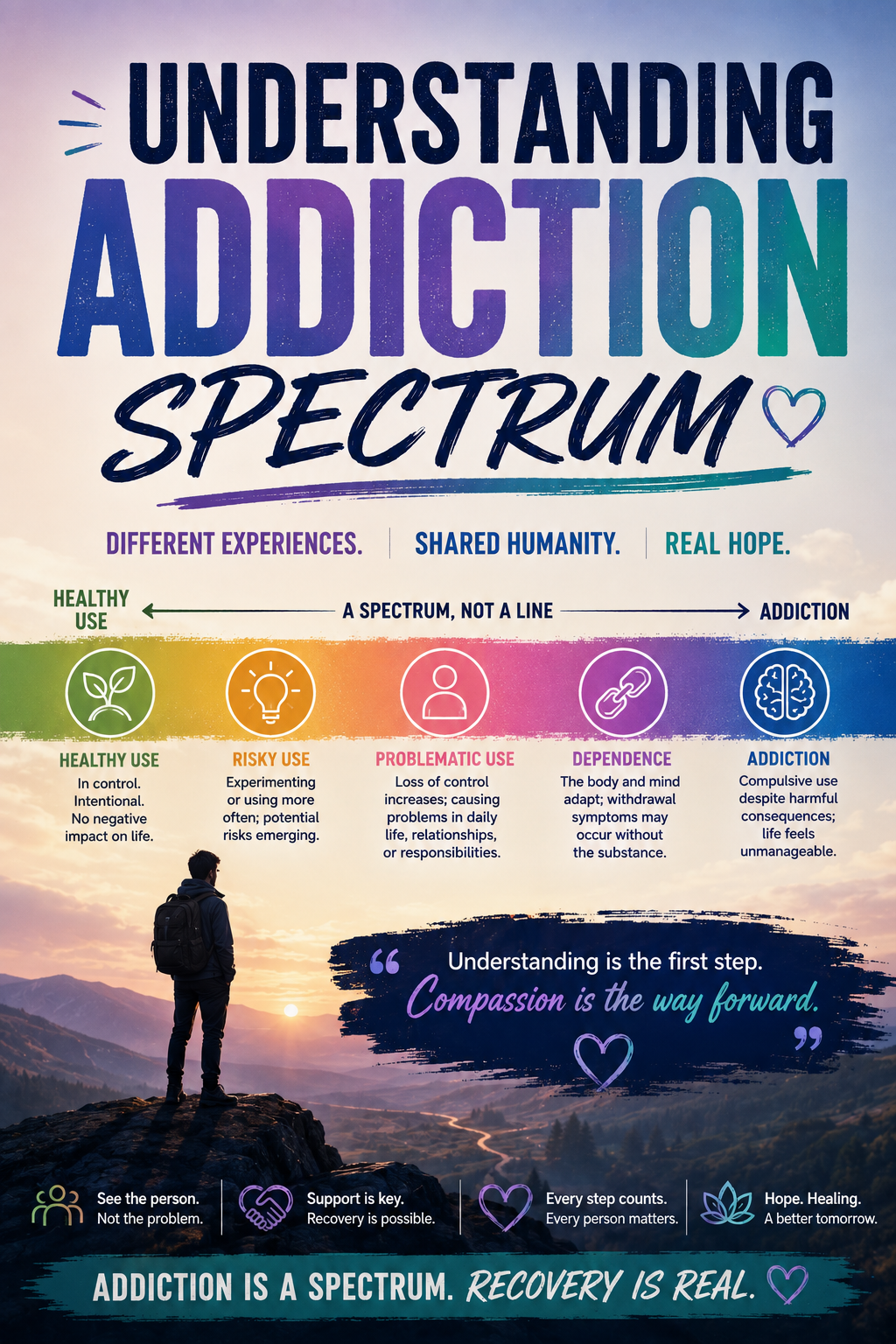
Addiction recovery addresses both mental and physical factors. A complex, individualized therapy process is required. Individuals explore their thoughts, emotions, and behaviors, allowing them to understand the underlying causes of addiction and develop healthier coping strategies. At the same time, medication supports the body by regulating brain chemistry and reducing cravings, which can make recovery … Read more

Empathy and the Recovery Ethics

Addiction recovery is often approached through frameworks of responsibility, treatment, and behavioral change, yet these perspectives can overlook a critical ethical dimension: empathy. Empathy—the ability to understand and share the experiences of others—plays a central role in shaping how individuals, families, and societies respond to addiction. In environments where stigma and judgment are prevalent, a … Read more

“Conspiracy” in Mental Health Care

The idea of a “conspiracy” in mental health treatment often reflects concerns about trust, control, and vulnerability rather than simple misunderstanding. Fears about misdiagnosis, overmedication, or loss of autonomy are often shaped by personal experiences, cultural narratives, and mixed information. Instead of dismissing these concerns, exploring their roots allows for a more balanced view—one that … Read more

Addiction Treatment Bed Crisis

The growing demand for addiction treatment has exposed a major challenge within many healthcare systems: the shortage of available treatment beds. Individuals seeking help for substance use disorders often face long waiting lists for detoxification and residential treatment programs, even during critical moments when they are ready to begin recovery. This gap between demand and … Read more

Mental Health for High Achievers

Mental health often takes a back seat for people who are always chasing big goals. High-performing individuals, whether you’re a CEO, pro athlete, doctor, founder, or just someone who never sits still, tend to focus a lot on milestones and achievements. Somewhere in between all the deadlines and wins, taking care of your mental well-being … Read more

Legalizing Psychedelic Medicine

Debating the legality of psychedelic medications has become a pretty hot topic these days. Psychedelic substances like psilocybin, LSD, and MDMA have been wrapped in controversy for decades, but research into their potential medical benefits is finally reaching a wider audience. Discussions about legalizing or regulating these substances aren’t just about laws; they’re about health, … Read more

Guided vs. Self-Guided Recovery

If you or someone you care about is navigating addiction recovery, it’s common to wonder whether therapy or self-help is the better path. With so much information available—from professional treatment programs to books, online communities, and peer support groups—it can feel overwhelming to decide which approach will be most effective. Therapy offers structured guidance from … Read more

From Urge to Control: The 5 D’s

The 5 D’s of addiction recovery—Delay, Distract, Deep Breathe, Decide, and Discuss—are practical, evidence-informed coping strategies designed to help individuals manage cravings and emotional triggers in real time. Rather than relying on willpower alone, this framework teaches people how to pause automatic reactions, regulate stress responses, and engage rational thinking before acting. Because cravings are … Read more