PTSD and complex PTSD (CPTSD) are often talked about, yet many people still misunderstand what they truly are and how deeply they can affect someone—especially when trauma begins in childhood. I’ve spent significant time exploring trauma recovery and understanding how early experiences shape emotional and nervous system responses later in life. In this discussion, I’ll share practical insights into how PTSD and CPTSD develop, how they commonly appear in everyday life, and what can help make healing and recovery feel more possible.
Understanding PTSD & cPTSD: What’s the Difference?
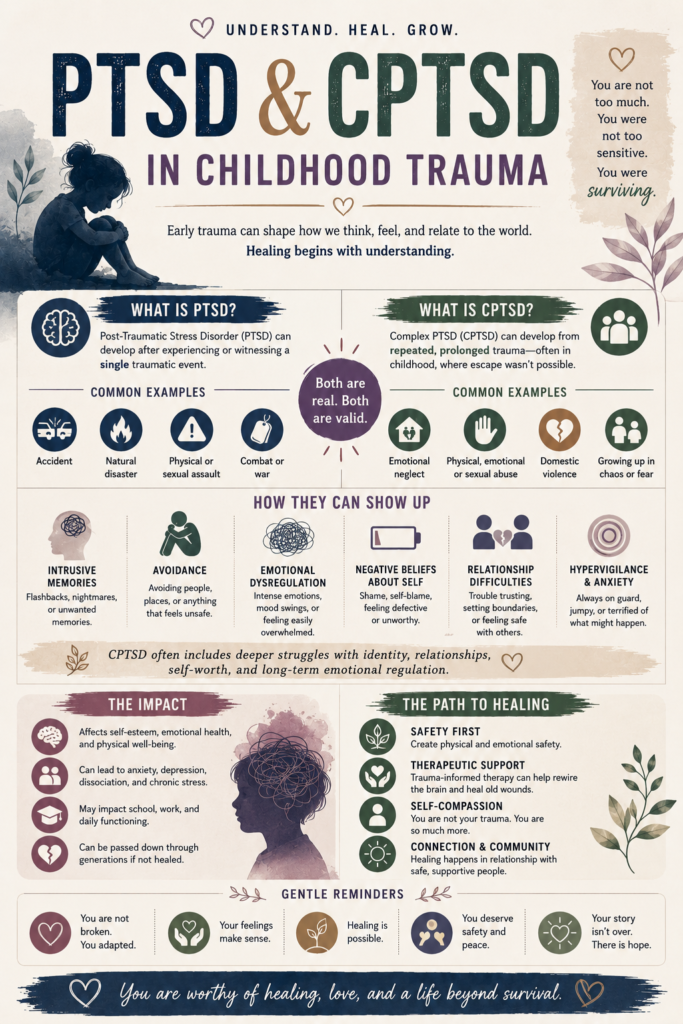
PTSD stands for posttraumatic stress disorder. It’s a condition that can show up after you go through something terrifying or deeply distressing, like an accident, natural disaster, or violent act. cPTSD, on the other hand, usually follows long-term or repeated trauma, often beginning in childhood. It’s like PTSD’s more tangled cousin; it sticks around and affects many parts of daily life.
PTSD became widely recognized after the Vietnam War, with returning veterans bringing attention to how trauma can leave an invisible mark. Over time, experts noticed certain cases, especially those stemming from chronic childhood mistreatment, carried extra layers: issues with trust, trouble handling emotions, and a deep-rooted sense of shame. That’s where the idea of cPTSD entered the conversation in mental health circles.
Signs and Symptoms: Knowing What to Look For
If you’ve ever wondered why you react so strongly to things that seem minor to others, or why you can’t seem to “move on” from the past, you’re definitely not alone. PTSD and cPTSD look a bit different for everyone, but here are some really common symptoms:
- Re-experiencing: Nightmares, flashbacks, and intrusive memories that feel as real as when the trauma happened.
- Avoidance: Dodging reminders of the trauma, whether that’s people, places, or even thoughts.
- Hyperarousal: Feeling always on edge, jumpy, easily startled, or angry without an obvious reason.
- Negative Self-Beliefs: Feeling worthless, hopeless, or haunted by shame and guilt.
- Relationship Struggles: Trust is a big challenge, and closeness with others might feel unsafe or even unthinkable.
- Emotion Regulation Headaches: Feeling numb or overwhelmed, swinging between extremes, or finding it impossible to settle after strong feelings.
cPTSD tends to lean heavily into self-worth and relationship problems. Many people who grew up in unsafe or unpredictable environments spend a great deal of energy scanning for threats, even into adulthood. It’s exhausting, but it’s a learned survival tactic that sticks around.
Early Childhood Trauma: How the Roots Grow Deep
Childhood trauma shapes the way your brain and body react to stress, sometimes for life. Chronic abuse, neglect, witnessing violence, or growing up in a household where your needs weren’t noticed or valued can all plant the seeds of cPTSD. A kid’s developing brain is especially sensitive, so these experiences leave marks that aren’t always obvious at first.
Growing up in survival mode means your nervous system learns that the world isn’t safe, and your tools for handling tough situations tend to be focused on getting through the day, not on thriving. A lot of adults with cPTSD only realize what’s been going on after years of struggling with anxiety, depression, bad relationships, or feeling like they’re stuck in the same repeated patterns.
This ongoing stress can show up as physical issues, too. Chronic headaches, stomach troubles, trouble sleeping, or constant muscle tension might trace back to those early-life experiences. That’s why a big part of recovery is learning how your body holds onto those past hurts and responding with kindness and patience.
Practical Steps for Healing: Moving Forward One Piece at a Time
Healing from PTSD or cPTSD isn’t about “forgetting” what happened or forcing yourself to get over it. I found that real growth means understanding what your mind and body are doing and learning how to respond in healthier ways. Here are some things that help:
- Find a Supportive Professional: Look for therapists trained in trauma work; someone who understands EMDR, trauma-informed care, or somatic therapies can be super helpful. Trust and safety are huge, so take your time finding a good fit.
- Build Daily Routines: Creating simple, predictable habits can help your body and mind feel safer. Morning rituals, evening wind-down routines, and regular meals make a big difference.
- Learn Body-Based Wind-down Skills: Breathwork, gentle movement, and grounding exercises. Practices such as breathwork, gentle movement, or grounding exercises help you reconnect with your body and calm your nervous system.
- Strengthen Your Support System: It’s not always easy to let people in, but having even one trusted person to share your experiences with can make things feel less isolating.
- Be Patient with Progress: Healing isn’t straightforward; it’s more like a spiral. Celebrate your wins, even if they feel small, and notice when old symptoms show up less often or with less intensity. That’s growth, even if it doesn’t look dramatic.
Things Worth Considering for Your Recovery Toolbox
Just like any other tough adventure, recovering from childhood trauma comes with a bunch of challenges. Here are some things I recommend thinking about as you build up your own healing toolkit:
- Triggers: Childhood trauma often leads to unexpected triggers. These can be emotional (such as feeling ignored) or sensory (such as certain smells or sounds). Figuring out your triggers and making plans for when they pop up helps you stay on track.
- Self-Judgment: Old patterns of self-blame or harsh inner voices are common.
- Boundaries: Many survivors struggle to say no or set boundaries. Self-compassion exercises and finding like-minded communities (in person or online) provide that gentle boost when you need it. limits. Practicing small, safe boundaries with trustworthy people is a good way to start rebuilding a sense of control.
- Seeking Validation: It’s normal to crave validation, especially if you grew up not getting enough. Self-compassion exercises and finding like-minded communities (in person or online) provide that gentle boost when you need it.
Triggers
Triggers can sneak up almost anywhere and make you feel like you’re right back in the past. Identifying triggers takes a little detective work, but jotting them down after an intense day gives you data to prepare ahead, which reduces their power over time.
SelfJudgment
That inner critic can be brutal after childhood trauma. When I started tuning in to how often I blamed myself for things that weren’t my fault, it made a real difference. Practicing self-compassion (even if it feels awkward at first) is a game-changer.
Boundaries
If you grew up feeling responsible for other people’s moods or safety, setting boundaries won’t come naturally. Try simple statements like “I need a break” or “Can we talk about this later?” to slowly practice holding your space.
Seeking Validation
It’s not just about others seeing your pain; it’s about relearning that your feelings are valid. Support groups and online forums focused on trauma recovery can offer reassurance and ideas from folks who get it.
None of these steps offers an overnight fix. Recovery from early trauma builds slowly, but gathering these tools helps you feel less stuck and more able to handle life’s curveballs.
Advanced Strategies for LongTerm Growth
For those feeling ready to go beyond the basics, there are some great ways to grow from your experiences, rather than just cope with them. Here’s what’s helped me keep moving forward:
Explore MeaningMaking: When past trauma starts to lose its grip, people sometimes find purpose in their healing. Writing, creative projects, or speaking up for others can turn your story into a source of strength.
Why This Matters: Finding meaning doesn’t mean excusing what happened, but it transforms pain into something new.
Challenge Old Beliefs: Notice where your trauma-based beliefs about yourself and the world need updating. With support, you can explore new possibilities in relationships, work, and personal growth.
Why This Matters: Expanding your world opens up new options for peace, connection, and even joy.
Celebrate Resilience: Every day you show up, even just by getting out of bed, shows courage. Sharing your progress with others can help you realize just how far you’ve come.
Why This Matters: Recognizing your strength is a real boost and reinforces positive changes over time.
These strategies aren’t about erasing the past but about building a life where old hurts no longer call the shots.
RealWorld Examples: Life After Trauma
I’ve met so many people- clients, friends, and folks online- who prove that childhood trauma doesn’t have to be the entire story. Here are some everyday ways growth can show up:
- A parent who grew up in chaos creates a calm, predictable home for their own kids.
- Someone who used to freeze in stressful moments now has a toolkit for self-soothing when anxiety ramps up.
- People reconnect with old hobbies or start new ones that let them feel playful and creative, parts of themselves that were shut down in childhood.
There’s no one path, but these changes often creep in gradually and sometimes even surprise you. It’s totally possible to grow from the messiest of beginnings.
Frequently Asked Questions
Here are a few questions I get whenever the topic of PTSD and cPTSD comes up:
Question: Can I recover from cPTSD if my family won’t acknowledge what happened?
Answer: Yes. While family support helps, many people find healing through chosen connections and support systems outside their birth family. Validation can come from friends, support groups, or professionals.
Question: Medication or talk therapy- what’s better?
Answer: It depends! Some find medication helpful for managing symptoms, while others prefer talk therapy or a mix of the two. Trauma-focused therapies like EMDR often show good results for both PTSD and cPTSD. Personal comfort and goals are key.
Question: Will I always have symptoms?
Answer: Symptoms can change a lot over time. Many people find that healing reduces the frequency and intensity of symptoms, even if some remain. Growth is about finding freedom and better balance, not perfection.
Wrapping Up: Moving from Trauma Toward Growth
Whether you relate more to PTSD or cPTSD, starting the recovery adventure is a show of real strength. Small steps, solid resources, and a few trusted people can make a world of difference. Healing from childhood trauma isn’t about erasing your history; it’s about learning how to live alongside it and finding ways to thrive.
There’s hope at every stage. Even if it feels slow or you take a few detours, every bit of progress adds up. If you’re on this path now, or just starting out, I see you, and I promise you’re not alone.
Video: How Your Childhood Trauma Became Your Biggest Struggle #TraumaRecovery