When it comes to personal growth, mental health, or even everyday relationships, people often conflate changing behaviors with healing emotional wounds. I’ve noticed this both in conversations and through my own adventure. Knowing how these two differ and how they work together can totally switch up your approach to real, lasting growth. Here’s my take on what sets them apart, why it matters, and how to start working on both in a practical way.
What’s the Difference Between Changing Behaviors and Healing Wounds?
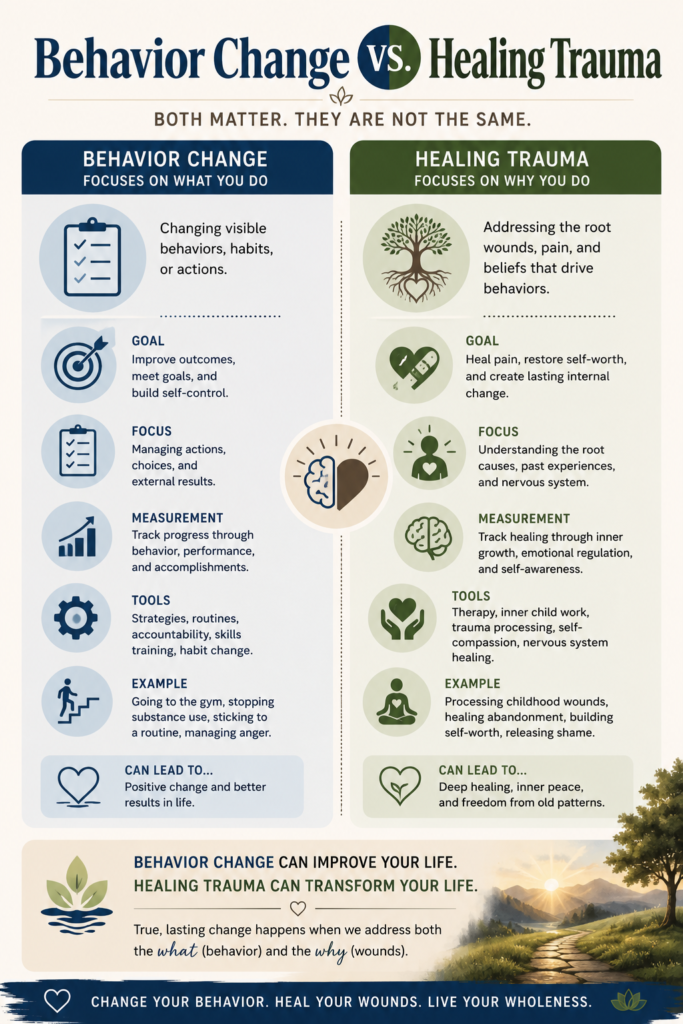
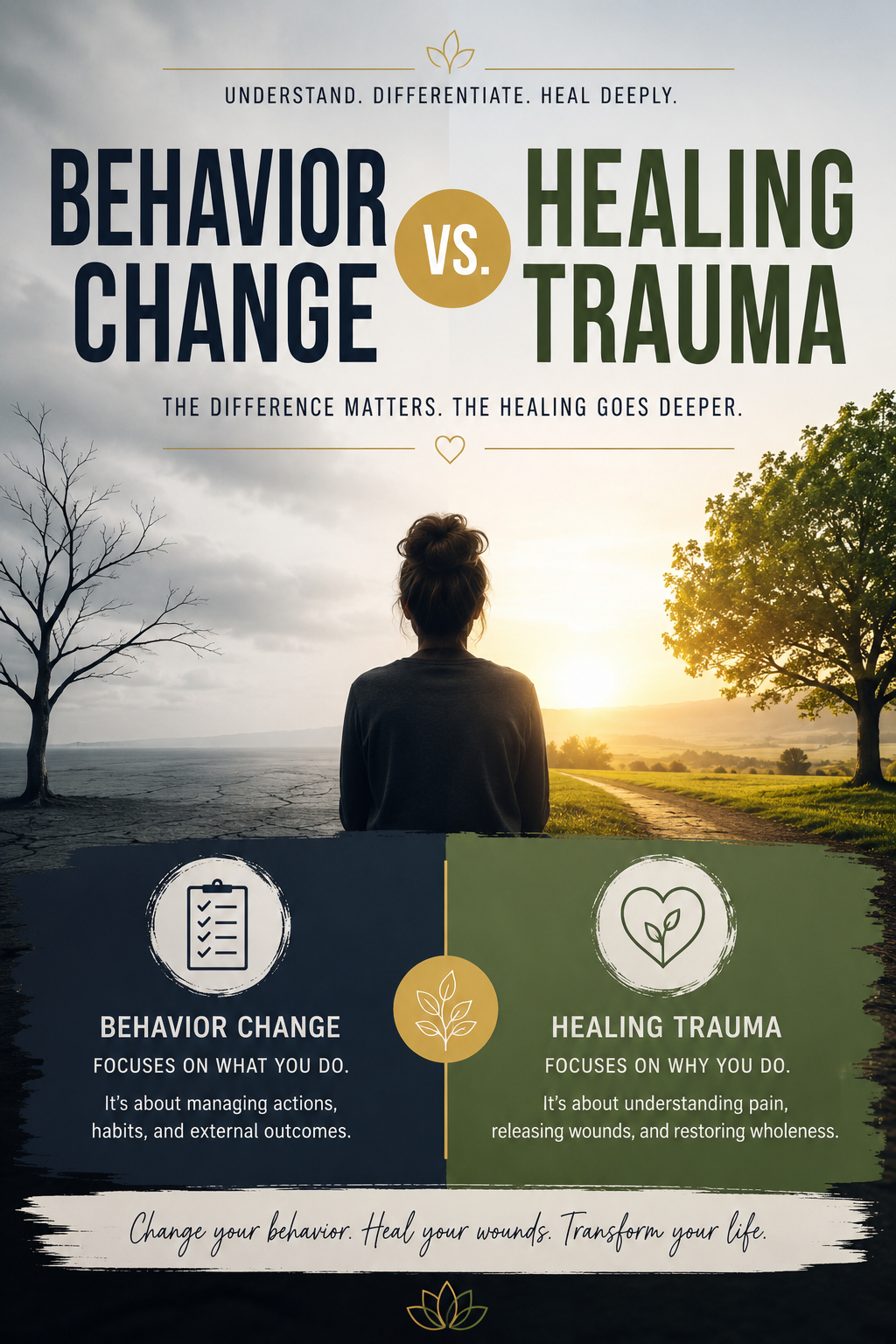
The first step is getting clear on the difference. Changing behaviors is mostly about taking action. It’s the stuff you do, like building better habits, setting fresh boundaries, or learning new ways to respond when you’re stressed. Healing wounds, meanwhile, gets into the emotional or psychological roots underneath those behaviors. That’s your hurt, your old, difficult experiences, or your deep-down beliefs about yourself or the world.
Changing behaviors often gives you quick wins. For example, if I’m dealing with anxiety, I might practice deep breathing or plan out my day. These techniques help in the moment, but sometimes, I notice old worries or patterns popping back up whenever life throws me a curveball. That’s usually a signal that there’s an old wound that needs some attention, not just a habit to change.
Why the Distinction Matters in Personal Growth
Understanding the difference between healing wounds and changing behaviors is really important if you want long-lasting, meaningful progress. A lot of advice out there jumps straight to behavior hacks: wake up earlier, say your affirmations, quit doomscrolling, or try that new productivity method. While these can help, sometimes they end up feeling like putting a sticker over a crack in the wall, especially when bigger feelings are involved.
For me, real change has happened when I’ve paired both. Trying to change a reaction or break a habit without understanding where it really comes from usually leads me back to the start. Things actually start to move for good when I dig into the reasons behind the behavior—a hurtful memory, a self-doubt I picked up years ago, or an old fear I never spoke about. That’s the healing work.
Understanding Behaviors: What You Can Change and How
When I talk about changing behaviors, I’m talking about the steps you take, the way you talk, react, or show up day-to-day. These are the things I can notice and tweak pretty directly, sometimes with the help of new tools or advice. Here are a few common examples:
- Setting Boundaries: Saying no when I need to, or making sure I have time for myself.
- Building Habits: Creating a regular exercise routine or starting a new journaling practice.
- Communication: Learning to respond calmly or listen instead of instantly reacting.
- Time Management: Planning ahead to avoid last-minute rushes and stress.
Changing behaviors might mean trying out new routines or skills, tracking my progress, and gently holding myself accountable. Quick results show up, but it’s not uncommon to hit a wall if I haven’t addressed the underlying cause of the behavior in the first place. Looking a little deeper can really help at that point.
Healing Wounds: Digging Into the Deeper Stuff
Healing emotional wounds is honestly more about feelings and self-reflection. This goes beneath the surface actions to work with the hurt, anger, shame, or sadness that often fuels those behaviors. If behavioral changes are like fixing the leaves on a droopy plant, healing wounds is more like checking the roots and soil.
This kind of healing can happen in lots of ways:
- Therapy: Talking with a mental health professional to gently process past experiences or difficult feelings.
- Self-Reflection: Journaling, meditating, or talking things through with someone I trust.
- Somatic Approaches: Using tools that focus on how old stress shows up in the body, like breathwork or mindful movement.
- Creative Outlets: Art, music, or writing, which sometimes help get to feelings that are hard to talk about.
The process here takes time and patience. Sometimes, it’s only after giving attention to old hurts that my behaviors change naturally, almost without me thinking about it.
So, Which Comes First?
I’ve found it really depends on the situation. Sometimes, landing quick behavioral wins can build up confidence to do deeper healing work. Other times, working on old pain, either with a therapist or on my own, makes it way easier to stick to the changes I’m after. They really work together, one supporting the other.
- Example: If I’m struggling with procrastination, I might try a focus timer and set reminders. If it keeps coming back, it often helps to ask: what am I avoiding, and why?
- Another Scenario: Maybe I keep getting anxious in certain social situations. Practical tips can help, but unpacking earlier life experiences, like bullying or harsh criticism, often lifts a weight I didn’t realize I was carrying.
Common Hurdles and How to Find Your Way Through Them
Working on behavioral change or emotional healing doesn’t always feel smooth. Here are some bumps I’ve hit and what I’ve learned along the way:
- Feeling Stuck: Sometimes, I nail the behavioral changes but struggle with deeper feelings. Mixing things up and asking for help makes a big difference.
- Overwhelm: Healing can feel really heavy. Taking breaks, finding small wins, or leaning on community support helps lighten the load.
- Relapsing: Falling back to old behaviors is normal. Instead of judging myself, I try to stay curious about what’s showing up for me.
Feeling Stuck
If I’m following all the advice out there- new habits, morning routines, better communication- but nothing’s shifting, it’s usually time to check what’s underneath. Old pain tends to drive those repeat cycles. Therapy or trusted friends can help spot blind spots.
Overwhelm
Sometimes, digging into wounds brings up more than I expected. Giving myself permission to take it slow, celebrate little wins, and stay connected to people who get it keeps me steady. No need to rush through this stuff.
Relapsing
I know from experience that falling back into old patterns after making some progress doesn’t mean I failed. It’s just part of the adventure. Getting curious about what brought on the relapse helps me learn and adjust next time.
Building a Toolkit: Practical Ways to Work on Both
Most people benefit from blending behavioral tweaks with deeper healing practices. Here are some go-tos that have really helped me:
- Journaling Prompts: Reflect on questions like “When did I first start feeling this way?” or “What’s underneath my reaction right now?”
- Therapy or Counseling: Therapists help make sense of past wounds and support personal growth.
- Mindfulness Apps: Practicing awareness of thoughts and feelings without judgment helps me pause and notice patterns.
- Habit Trackers: Tools or apps to monitor new behaviors without expecting them to fix everything alone.
Everyday Examples: How This Plays Out in Real Life
Here’s how changing behaviors and healing wounds might show up for different folks, since everyone’s situation is a bit different. I’ve either experienced these directly or seen them with others around me:
- A person wants to stop people-pleasing, so they practice saying no (behavioral). After some time, they dig into why saying no feels so scary—maybe they learned early that speaking up led to rejection (healing).
- Someone’s trying to eat healthier, tracking meals and prepping food (behavioral). Eventually, they notice their eating habits kick in after stress or emotional pain and start looking at the root causes (healing).
- Trying to be less reactive with family, someone learns new communication scripts (behavioral), then explores old family patterns in therapy (healing).
Frequently Asked Questions
Here are some common questions I’ve gotten about the difference between changing behaviors and healing wounds:
Question: Do I have to heal all my wounds before I can change my behavior?
Answer: Not at all. They work together, and progress on either side can help the other. Sometimes, action helps with healing and vice versa.
Question: Does therapy only focus on healing wounds?
Answer: Therapy can help with both. Some therapists focus more on practical behavioral strategies (like CBT), while others go deeper into emotional work. It’s a good idea to find a style that fits you.
Question: How do I know whether I need to focus on healing rather than just changing my behavior?
Answer: If repeating patterns keep coming back or changes feel temporary, it might be time to look at old wounds. Feeling frustrated or stuck is often a clue that there’s more below the surface that deserves attention.
Real Change Involves Both
Personal growth isn’t all about quick fixes or just digging into the past. The biggest shifts I’ve witnessed in myself and with others happen when there’s a willingness to try new behaviors and gently explore the deeper stuff, too. Sometimes you need both: smart, practical steps for today and a bit of courage to heal what’s been hurting for a while. Combining approaches makes change last longer and feel more genuine; definitely worth a shot if you’re hoping for growth that sticks.
Video: Behavior Change vs Healing Trauma