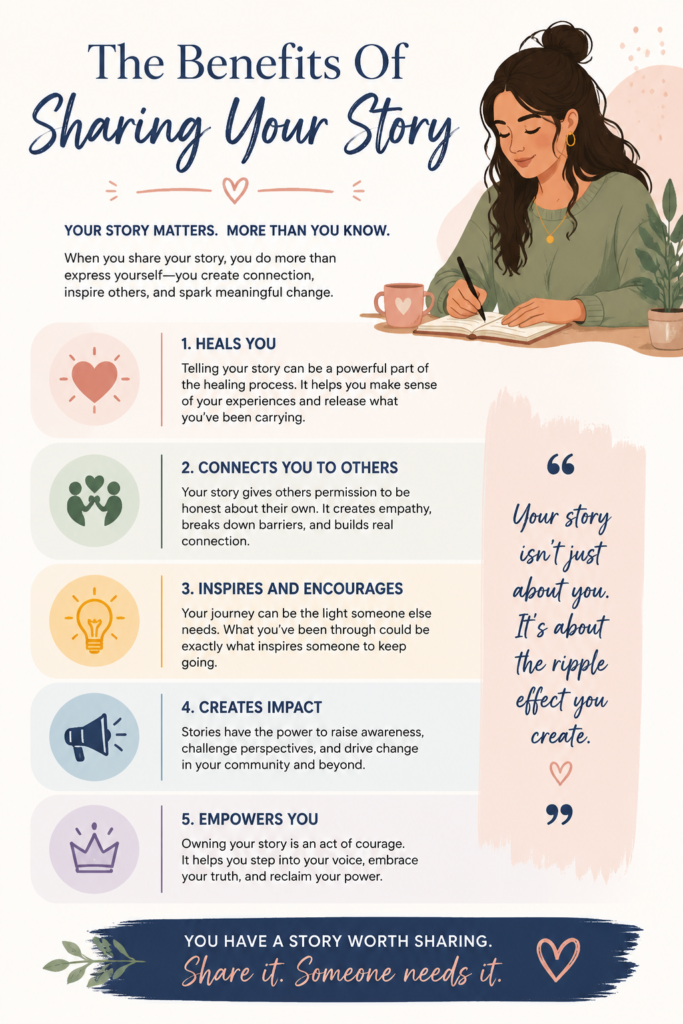
Sharing personal stories goes way beyond just putting words out into the world. Telling my story has opened up doors to new relationships, personal growth, and even professional change. Most people expect sharing their story to feel a bit vulnerable (it does), but there’s a whole stack of upsides, too. Here, I’m walking you through the unexpected benefits of finally letting your story be heard.
Why Sharing Your Story Really Matters
Sometimes, sharing personal experiences feels scary or even unnecessary, but putting my story out there has a way of making real change. Research into narrative therapy shows that storytelling can help people process difficult emotions and find meaning in tough situations. When I started opening up, I noticed people around me connecting with what I shared, showing support I never expected.
Plenty of support groups, online forums, and even casual communities thrive on people sharing their personal truths. According to Psychology Today, telling our stories helps others realize they’re not alone and can kick off conversations that change lives. When we put ourselves out there, we’re contributing to a community that values realness and works toward understanding. Even if our stories are different, the act of sharing brings us together in small but significant ways.
Surprising Benefits of Putting Your Story Out There
I spent years bottling up a lot and assumed keeping things private was safer. Turns out, sharing parts of my adventure gave me gifts I didn’t see coming.
- Sense of Belonging: Hearing someone say “me too” after I opened up felt like a lifeline.
- Self-Understanding: Sometimes I don’t know how I really feel until I say it out loud or write it down for others to see.
- Relief from Shame: Problems and mistakes can feel smaller once they’re no longer hidden.
- Lifting Up Others: I’ve had folks message me to say my experience made them feel understood, which is pretty powerful stuff.
- Stumbling Upon New Opportunities: Stories have connected me with new friends, events, and even creative gigs I wouldn’t have known about otherwise.
I also noticed that the more honest I was, the more honest the people around me became. It’s almost like sharing opens the door to meaningful conversations that would never have happened if everyone kept quiet. The ripple effect is real: when one person starts sharing, others feel safe doing the same, building a community that thrives on authenticity.
How Sharing Your Story Can Help You Heal
Therapists and counselors often encourage people to tell their stories as a way to heal. By saying things out loud or sharing them online, unresolved feelings can start to make sense. Journaling or blogging about my experiences revealed patterns, triggers, and strengths I had missed before. According to the American Psychological Association, telling your story can improve emotional well-being and even support mental health recovery.
Getting Perspective
When someone else responds to my story, it usually brings out different angles I hadn’t seen. Sometimes others provide thoughtful feedback or share how they handled something similar. This feedback loop is really important for moving past tough experiences and building confidence to take on new challenges. Their insights or just their willingness to listen have made me look at my problems differently, sometimes even helping me find new solutions I hadn’t considered before.
Supporting Recovery
Many recovery groups (for everything from addiction to grief) use storytelling as a foundation. The simple act of sharing creates space for honesty and hope, which are pretty important during any healing process. Even outside formal settings, sharing helps untangle feelings and memories in a way that feels productive instead of overwhelming. It’s not always easy, but there’s a certain freedom that comes from knowing you don’t have to carry everything on your own.
Connections and Community: The Ripple Effect
It’s easy to feel alone when troubles pile up, but storytelling can quickly change that. Vulnerability draws people in and builds trust, as long as the environment is safe and welcoming. Sharing my own hurdles or wins has often sparked friendships or soft landings I didn’t know I was missing. The courage it takes to share can be contagious; others pick up on the honesty and mirror it in their own stories.
- Social Media Communities: I’ve found online spaces where people genuinely care for and help one another, all because someone decided to share their story first. These safe havens can offer uplifting comments, advice, or simply a listening ear.
- In-person Groups: Book clubs, parent groups, and even game nights often involve people swapping stories and finding common ground.
- Mentorships: Sharing my adventure has encouraged others to reach out, sometimes turning a conversation into a genuine mentoring relationship. Genuine connections help both sides grow, and real stories are at the heart of those connections.
Breaking Down Stigma
One of the best outcomes of sharing is watching stigma shrink. Speaking up about mental health, loss, or career detours can make it easier for others to do the same. It’s not about oversharing; it’s about making tough topics a little less scary to talk about. The result? More understanding, less judgment, and sometimes, real change in how issues are discussed and handled by your community.
Things to Think About Before Sharing
Going public with your story isn’t always easy or appropriate for every situation. Figuring out where, when, and how to share makes a big difference in how things turn out. Here are some tips from my own experience (and a little advice from the pros):
- Boundaries: Not every detail needs to be public. Deciding what you’re comfortable sharing ahead of time keeps things in your control. Sometimes, less really is more.
- Privacy Concerns: Think twice before mentioning specifics about other people, especially if they haven’t given you the green light. Respect for others’ privacy can help you avoid regrets down the road.
- Safe Platforms: Choose spaces, online or in person, where you feel respected and protected from judgment or trolling. Having a trusted setting means you’re more likely to be heard in the right spirit.
- Support System: Have a friend, therapist, or group ready to talk things out afterward if sharing brings up hard feelings. Some stories are heavy, and it’s okay to seek out help sorting through emotions later.
The bottom line is that you should go at your own pace. If something doesn’t feel right, listen to your gut and wait until you’re ready. There’s power in patience, too.
Dealing With Negative Feedback
Even the best-intentioned sharing can get negative reactions. When it happens, focusing on the people who support me instead of the critics as you navigate has helped a lot. Sometimes it’s okay to step back, mute comments, or block users to protect your mental space. Remember, not every voice gets to weigh in on your story. The important thing is to keep your well-being front and center as you navigate feedback.
Practicing Self-Reflection Through Storytelling
Sharing a story doesn’t always have to mean making a grand social media post. Sometimes, the simple act of writing in a private journal or talking with one person can be equally impactful. For me, narrating tough or triumphant moments out loud helped clarify what I learned from each experience. Even speaking it into a voice memo can help you see your own growth over time.
Reflection through storytelling can sharpen self-awareness and self-expression and help set new goals. Looking back on older stories, I’ve seen my growth and realized things don’t always stay as hard forever, even if they feel that way in the moment. These stories serve as reminders: you’ve already faced so much and made it through.
If you’re not comfortable sharing publicly, try writing regularly just for yourself. It’s a safe way to process what’s happened and turn scattered thoughts into real understanding. You might be surprised by what you stumble upon when you look back months or years later.
Other Unexpected Benefits Worth Noticing
Some perks of sharing might not be obvious until you’re weeks, months, or even years into the process:
- Building Resilience: Each time I share, it gets a little easier to be open the next time, kind of like training a muscle.
- Fostering Creativity: Storytelling invites new forms of self-expression in today’s workplace, like starting a blog, podcast, or video series. Turning real experiences into something creative keeps things interesting and fun.
- Career Development: In some industries, people are drawn to authenticity. Sharing your story can lead to networking, business partnerships, and unexpected job offers. Confidence in storytelling is a major asset in today’s workplace, as it involves self-expression
- Documenting a Personal Legacy: Putting my story out there means future generations (kids, grandkids, or even strangers) might find value or comfort in my words one day. The simple act of writing or recording my truth could help someone else in ways I’ll never know.
Storytelling can also change how you view your own past. Instead of seeing only mistakes or hardships, you might start seeing bravery, growth, and lessons learned. That change in outlook is a deep kind of healing—and it keeps on building over time.
Frequently Asked Questions
People ask about storytelling all the time. Here are some questions I hear most often:
Question: Do I have to share everything to get the benefits?
Answer: Not at all. Just telling one part of your story or choosing one audience (a friend, a group, or online readers) can build confidence before speaking to a larger audience. It’s about what feels right for you.
Question: How do I start sharing my story if I’m nervous?
Answer: Try writing it down first, then share with someone you trust. Reading your words aloud can build confidence before speaking to a larger audience. Just telling one part of your story or choosing one audience (a friend, a group, or online readers) can build confidence before speaking to a larger audience.
Question: What if people judge me?
Answer: Some will, but most people are more understanding than you might think. Focus on safe environments and look for communities that promote kindness and respect. Trust that support is out there if you seek it.
Question: Can storytelling really make a difference in my mental health?
Answer: Absolutely. Studies suggest that storytelling can help with emotional regulation, memory processing, and lowering stress levels. It’s worth giving a try, even in small doses. The personal growth you unlock might surprise you.
Final Thoughts
Sharing your story isn’t about being perfect or having a dramatic tale to tell. Every experience can spark connection, healing, and growth, no matter how big or small. Whether your story stays between you and your journal or makes it out to the world, putting words to your adventure can bring changes that go far beyond what you expect. Give it a shot. You might be surprised at how much better you feel, and the new paths that open up for you and the people you reach.
Video: Sharing Your Story Saves Lives #vulnerability #connection #hope