Behavioral Therapies for Addiction
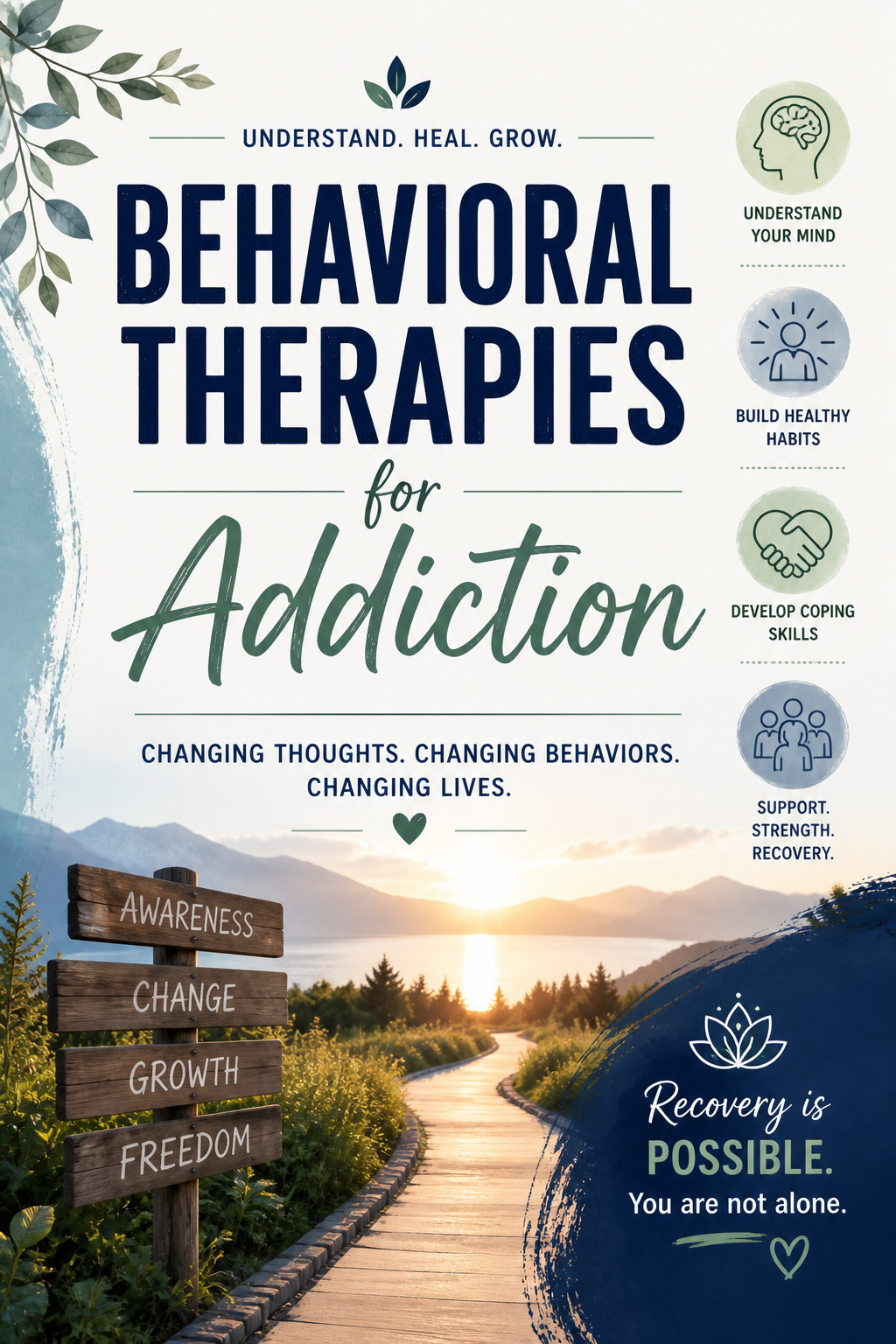
Behavioral therapies are a fundamental component of addiction treatment, focusing on the connection between thoughts, emotions, and actions that contribute to substance use. Unlike approaches that rely solely on medication, behavioral therapies aim to help individuals recognize harmful patterns, develop healthier coping mechanisms, and build the skills needed for long-term recovery. Addiction is not only … Read more
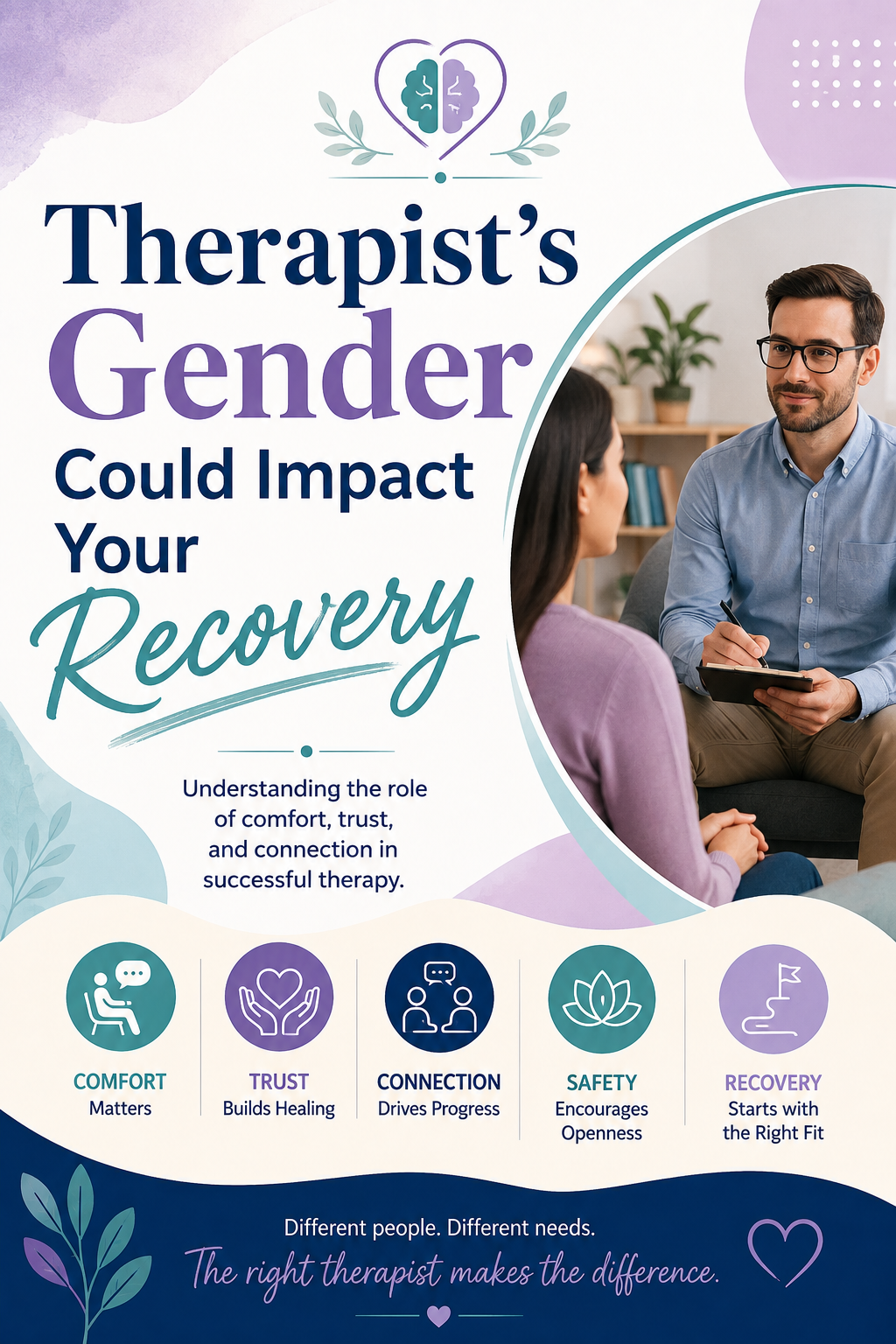
Therapist Gender in Recovery

Finding the right therapist is an important step in addiction recovery and mental health treatment. While research consistently shows that a therapist’s clinical expertise, empathy, and ability to build a strong therapeutic relationship are the most important factors in successful treatment, some individuals may feel more comfortable working with a therapist of a particular gender. … Read more

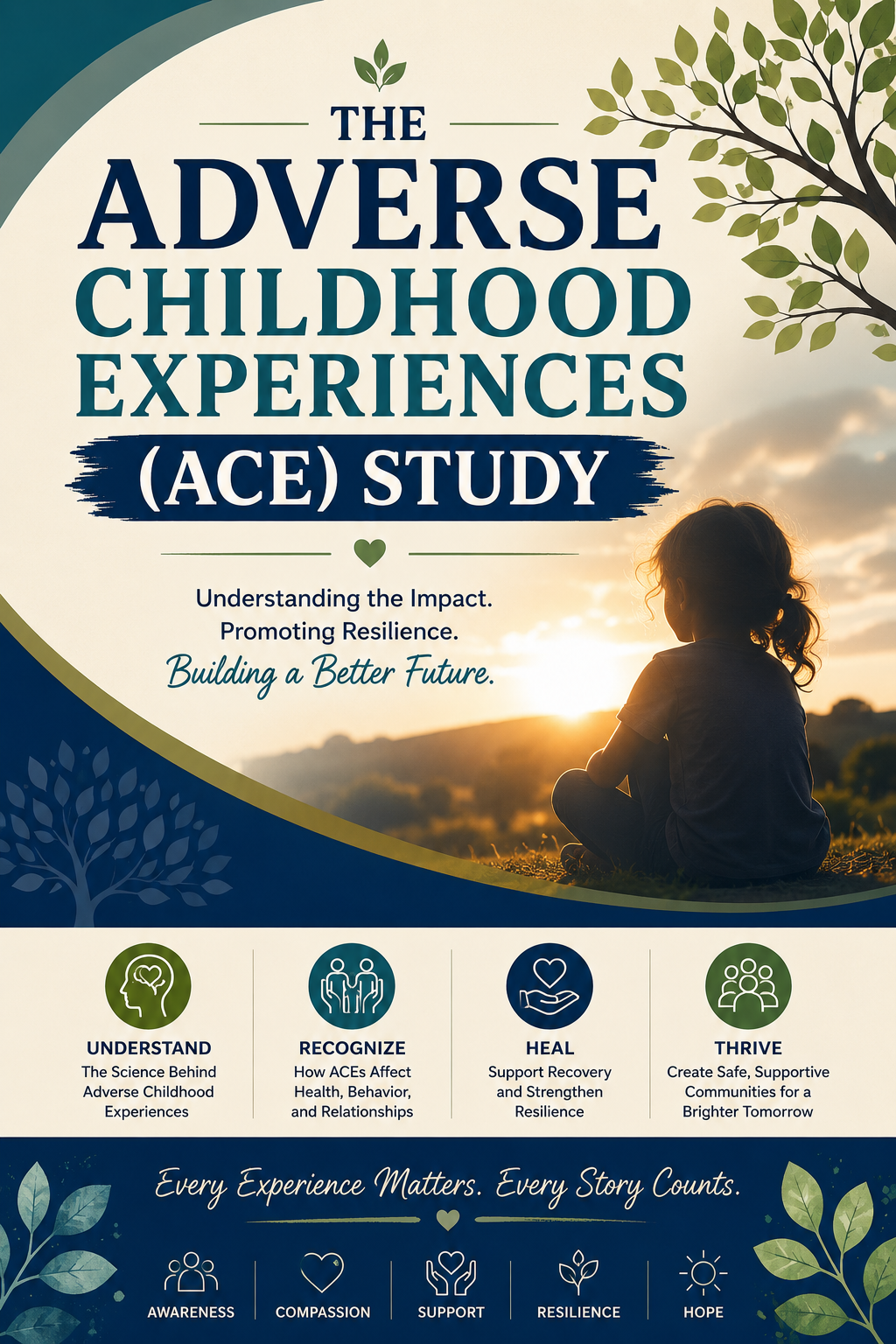
Understanding the ACE Study

The Adverse Childhood Experiences (ACE) Study has transformed our understanding of how childhood trauma can influence physical health, mental well-being, relationships, and the risk of substance use disorders throughout life. Although adverse childhood experiences can increase the likelihood of future health challenges, they do not determine a person’s destiny. Self-management strategies empower individuals to recognize … Read more

Access Matters in Recovery

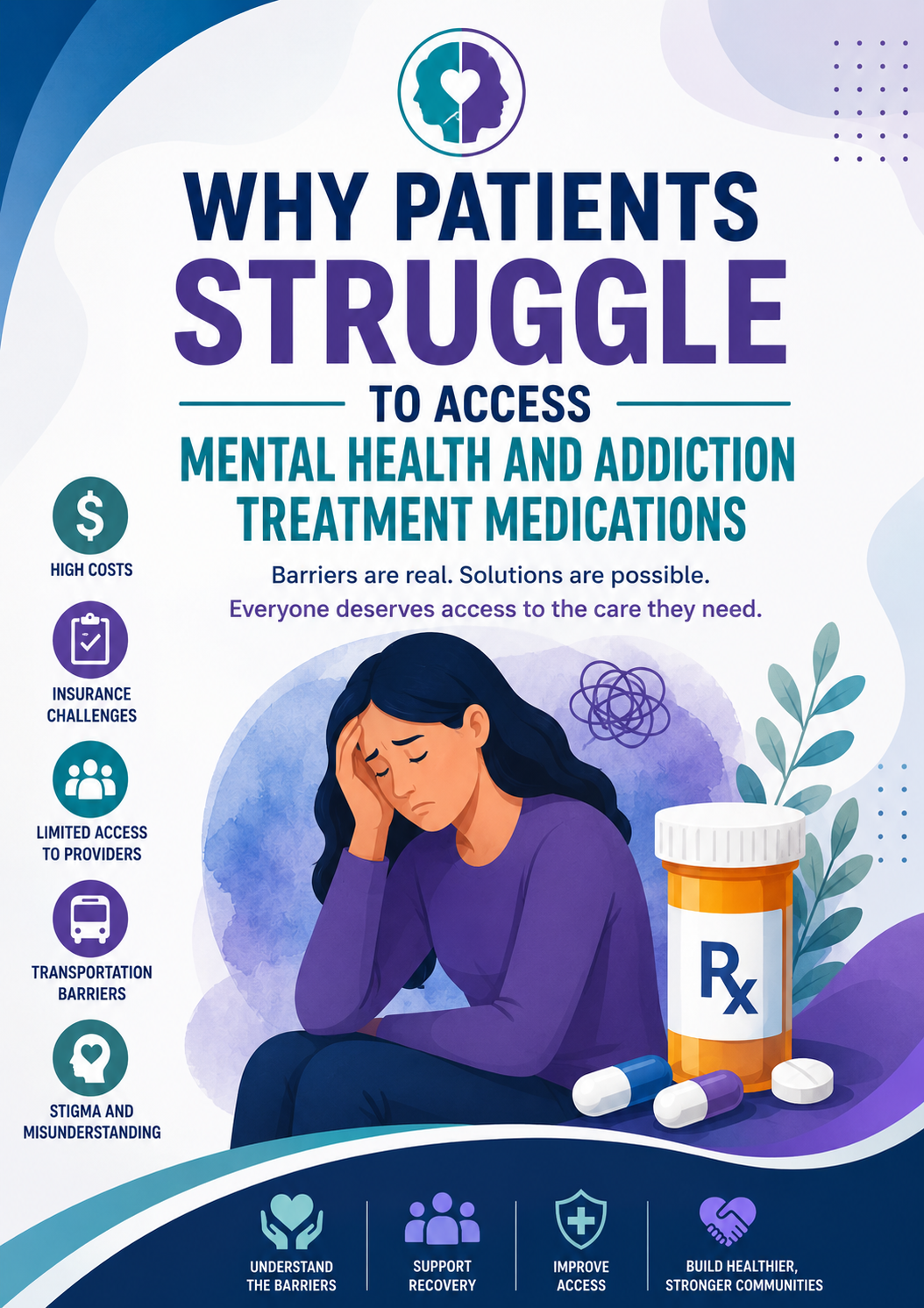
Mental health conditions and substance use disorders affect millions of people worldwide, yet many individuals struggle to obtain the medications that could significantly improve their health, stability, and quality of life. Effective treatments are available for conditions such as depression, anxiety, bipolar disorder, schizophrenia, alcohol use disorder, and opioid use disorder, but access is often … Read more

Understanding Addiction Medicine

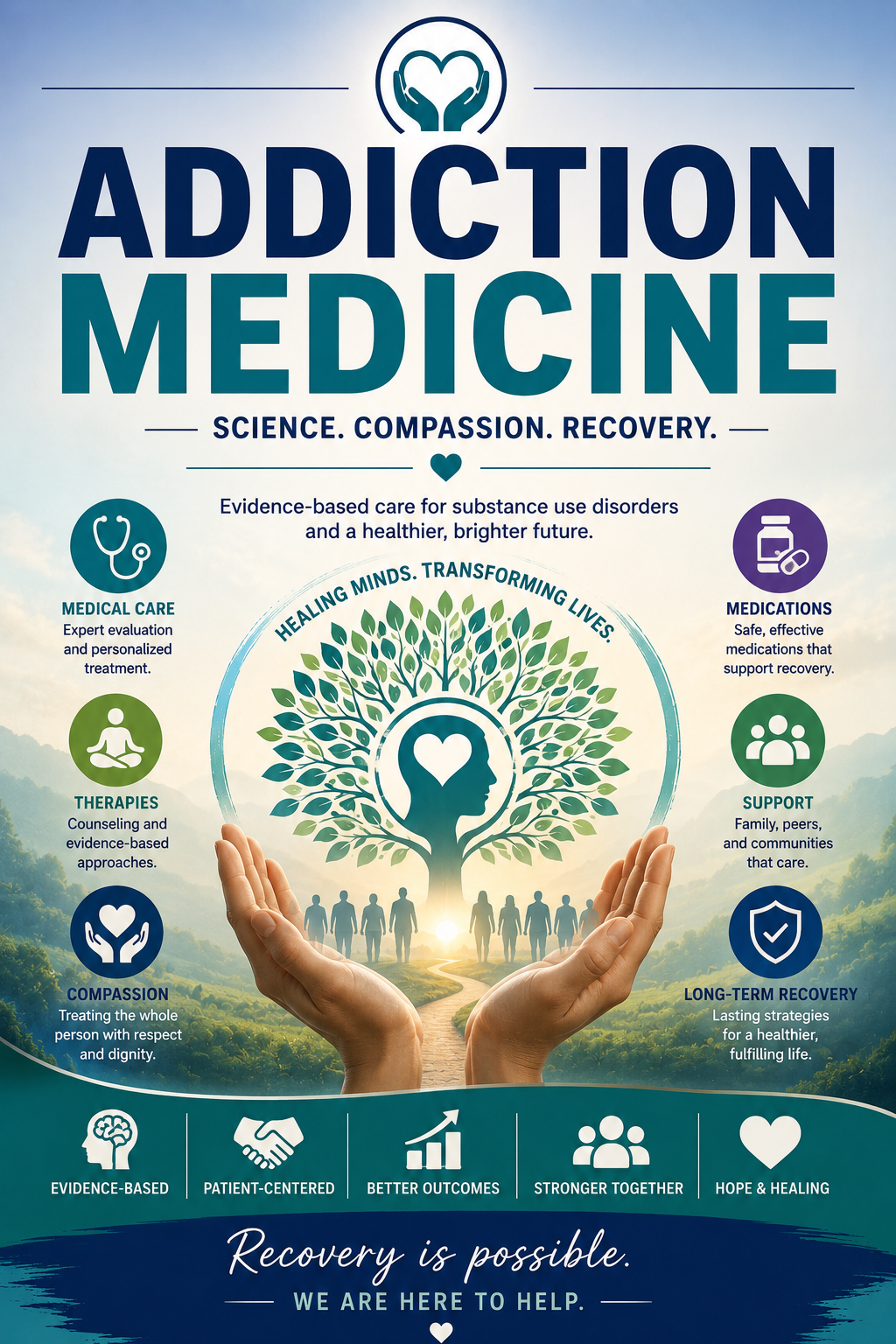
Addiction medicine is a specialized field of healthcare dedicated to preventing, diagnosing, and treating substance use disorders through evidence-based, patient-centered care. Recognizing addiction as a chronic but treatable medical condition, addiction medicine combines medications, behavioral therapies, mental health care, and long-term recovery support to address the physical, psychological, and social aspects of the disease. Rather … Read more

Trauma-Informed Addiction Care

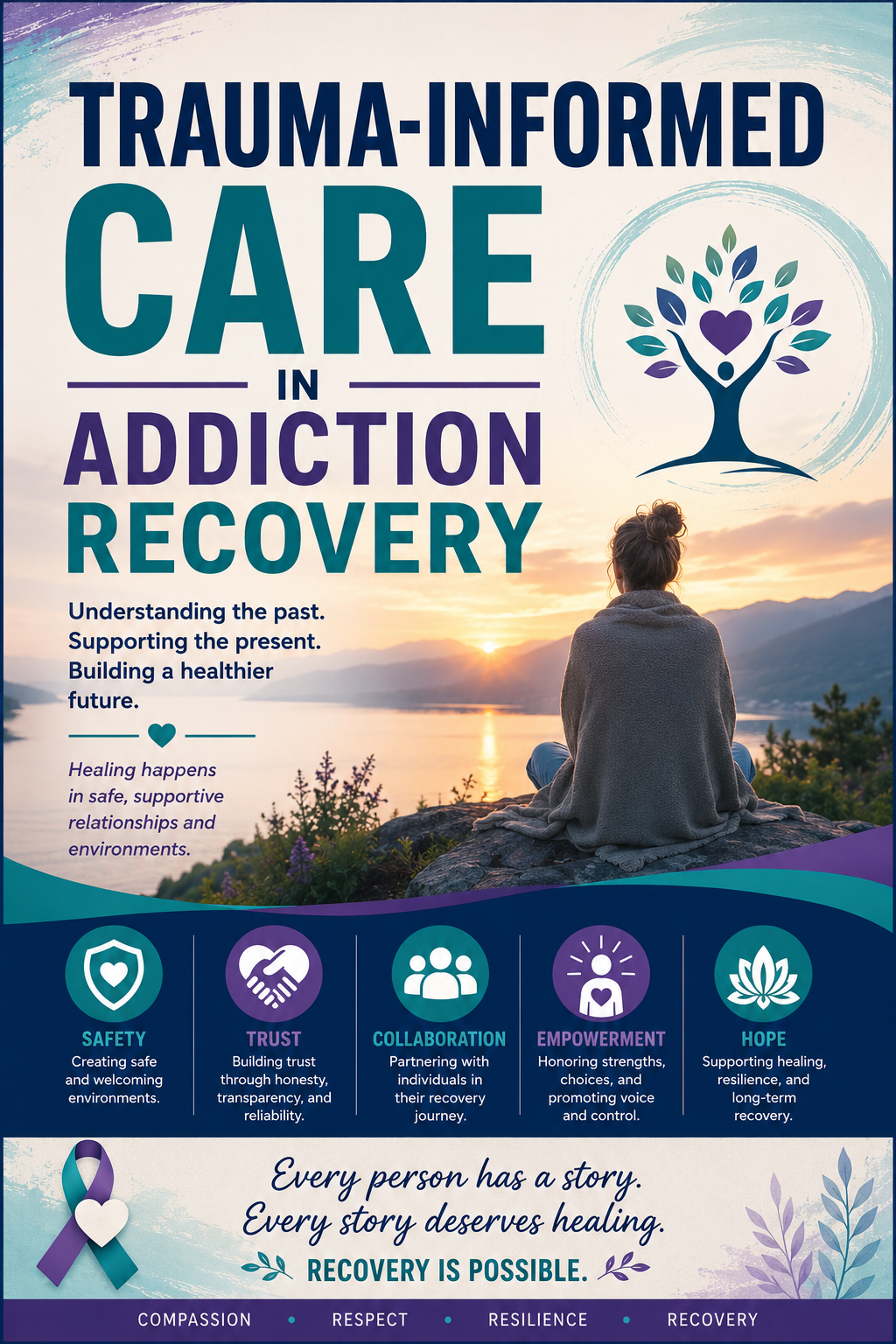
Trauma and addiction are closely connected, with many individuals using alcohol or drugs as a way to cope with the emotional pain caused by adverse life experiences. Trauma may result from childhood abuse or neglect, domestic violence, sexual assault, military combat, serious accidents, natural disasters, community violence, or the loss of a loved one. These … Read more

Mental Health & Addiction Barriers

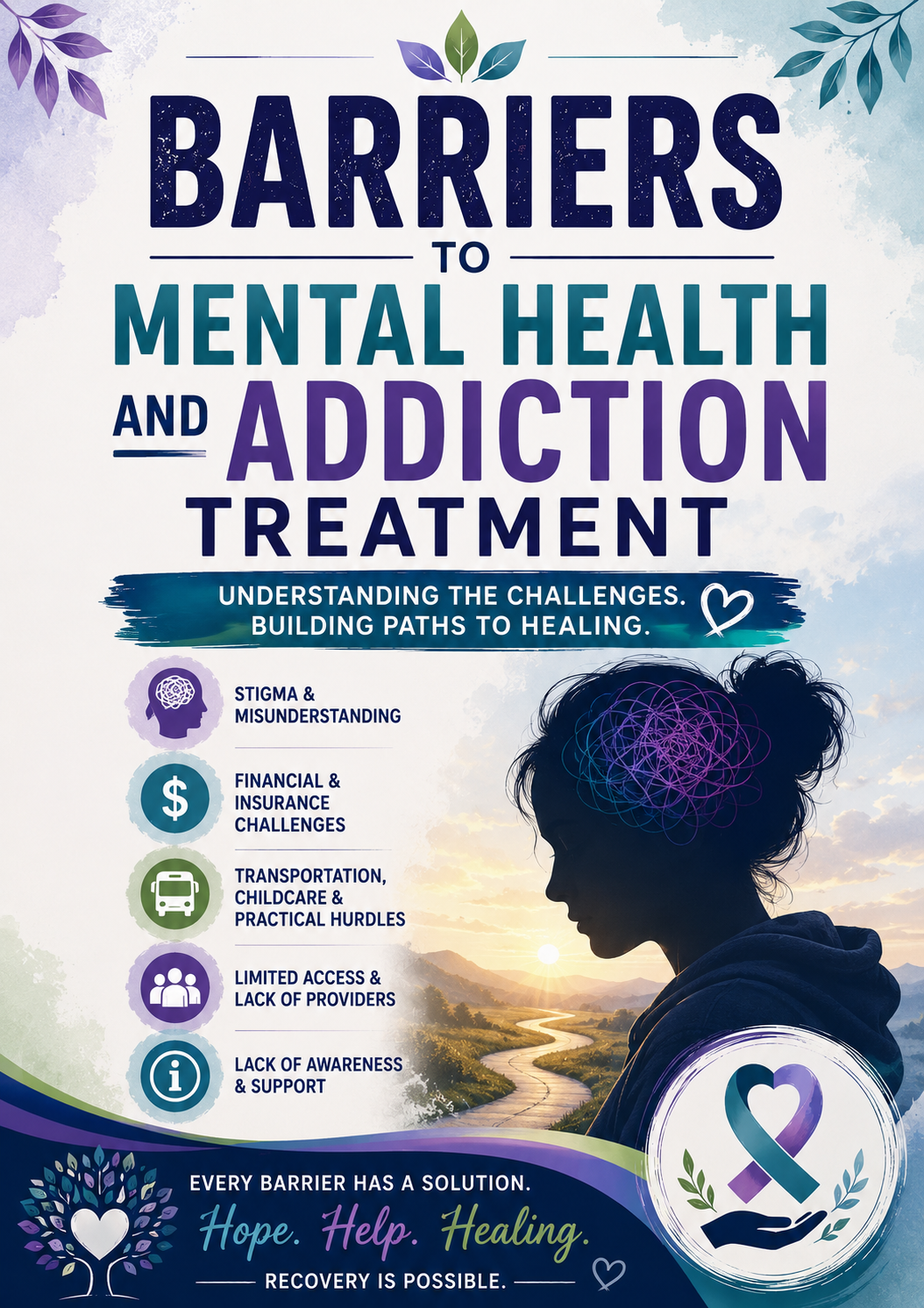
Mental health conditions and substance use disorders are among the most common and treatable health conditions, yet millions of individuals do not receive the care they need because of numerous barriers to treatment. These obstacles may include stigma, financial hardship, limited access to qualified healthcare providers, transportation difficulties, childcare responsibilities, insurance restrictions, cultural differences, and … Read more

Recovery for Mothers with Children

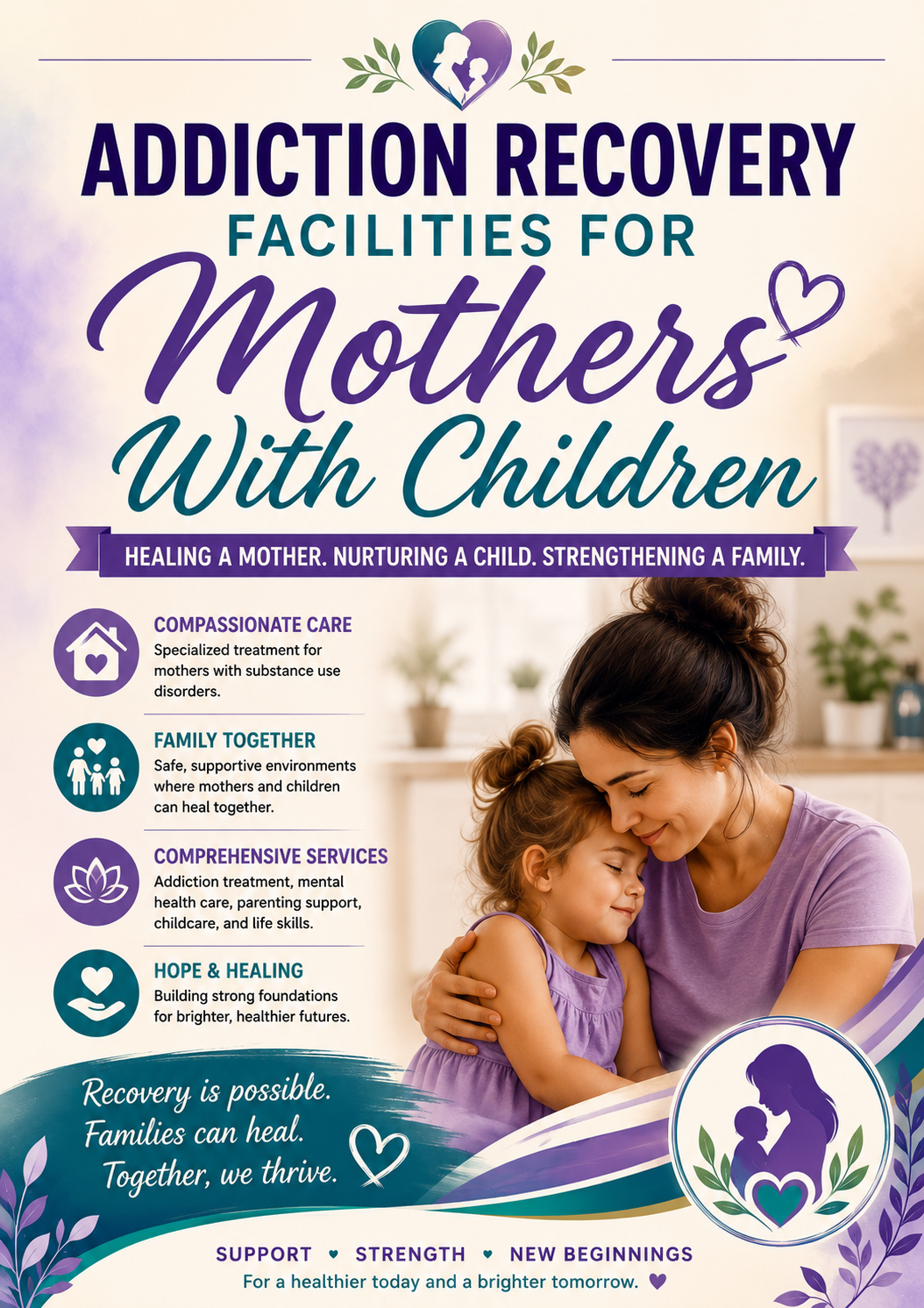
Addiction recovery facilities for mothers with children provide a unique, family-centered approach to treating substance use disorders by addressing the needs of both the mother and her children. Many women delay or avoid seeking treatment because they fear being separated from their children, losing custody, or being unable to meet their parenting responsibilities while receiving … Read more

Why Everyone Recovers Differently

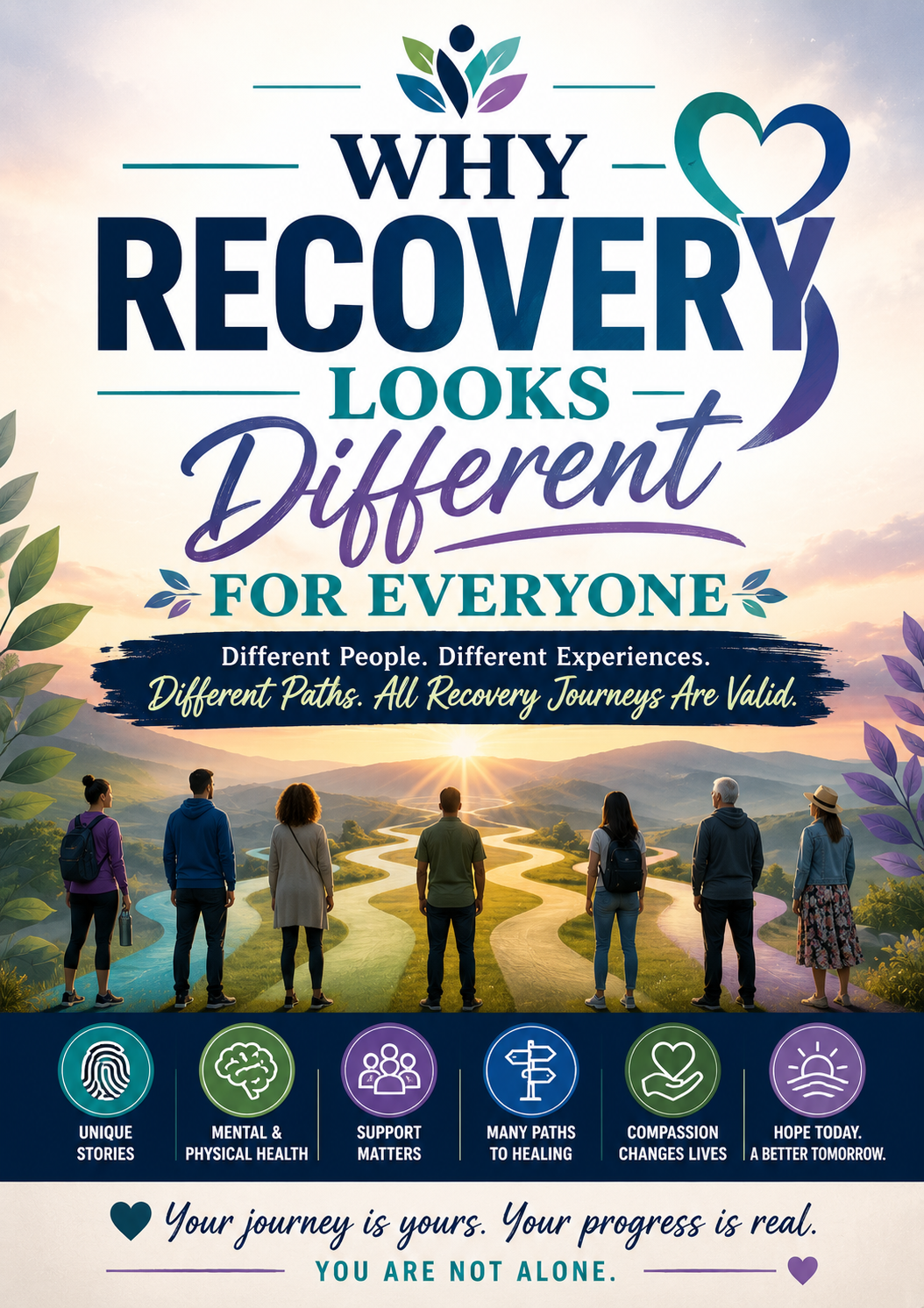
Recovery from addiction is a unique and deeply personal journey that cannot be measured by a single timeline or treatment approach. Every individual enters recovery with different life experiences, health conditions, family dynamics, emotional challenges, and personal goals. Factors such as the type of substance used, the duration of addiction, co-occurring mental health conditions, available … Read more

Addiction vs. Self-Medication

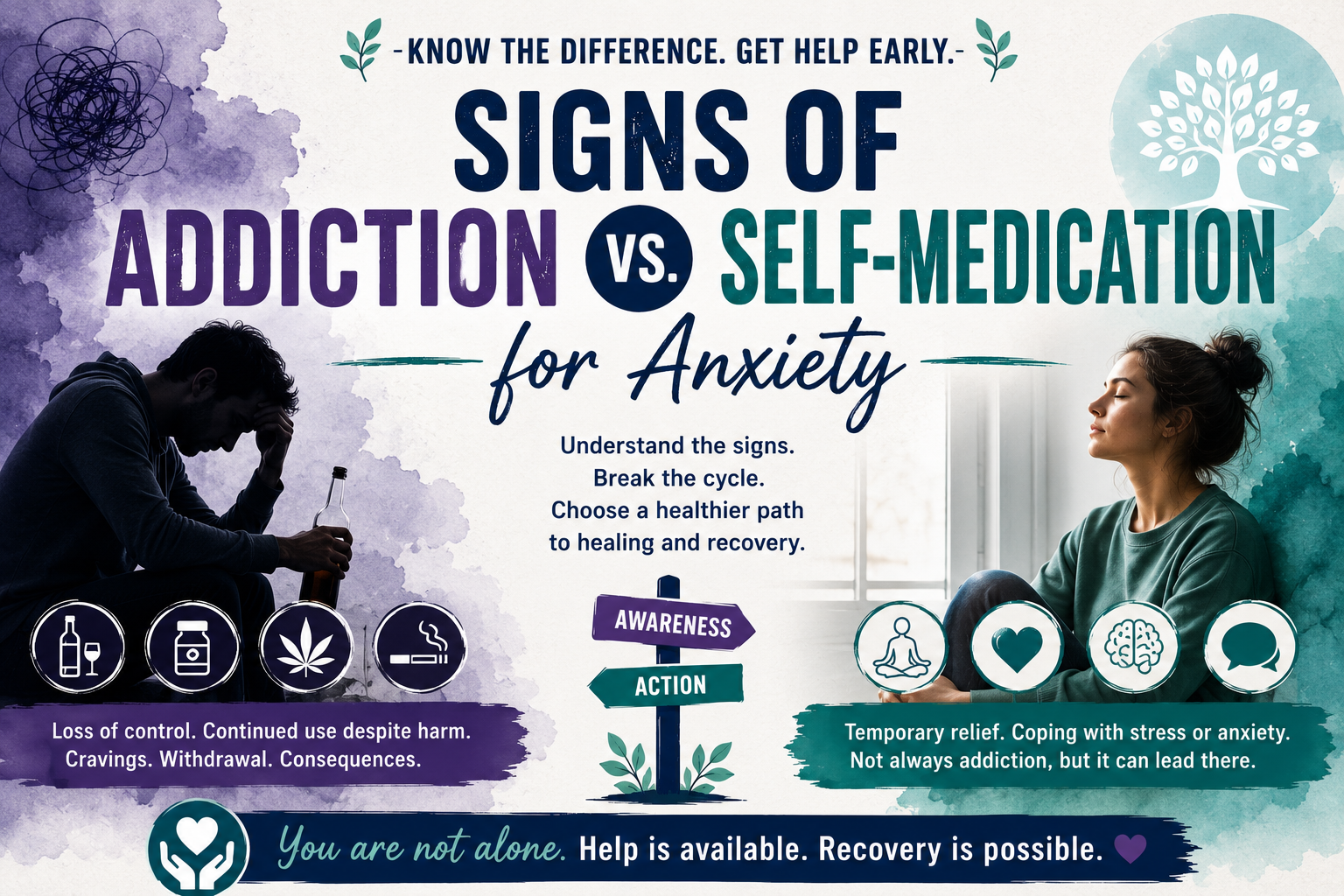
Many individuals living with anxiety attempt to manage their symptoms by using alcohol, cannabis, nicotine, prescription medications, or other substances without medical guidance. This behavior, known as self-medication, may provide temporary relief from feelings of worry, fear, or emotional distress, but it does not address the underlying cause of anxiety and can increase the risk … Read more