If you’re looking for a unique angle on ancient detox treatments, leech therapy might catch your interest. While it sounds a bit wild, people have turned to these little creatures for centuries to treat everything from headaches to high blood pressure. Nowadays, there’s even some curiosity building around the idea of using leech therapy for detox, especially for people trying to recover from substance addiction. I’ve pulled together everything about its history, how it’s supposed to work, and what modern science thinks about it.
History and Origins of Leech Therapy
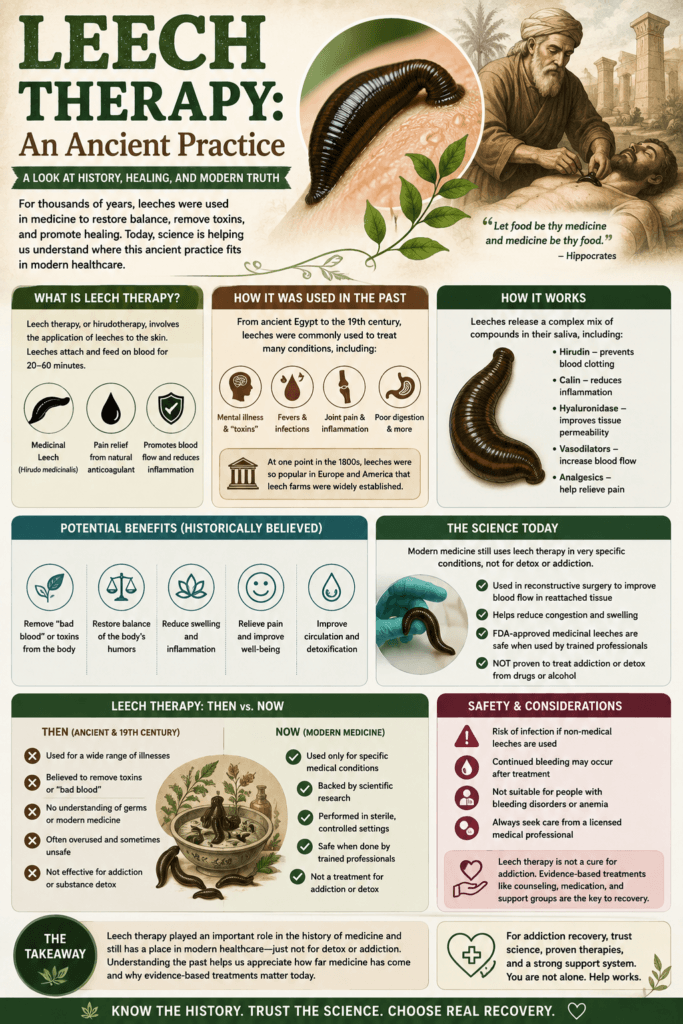
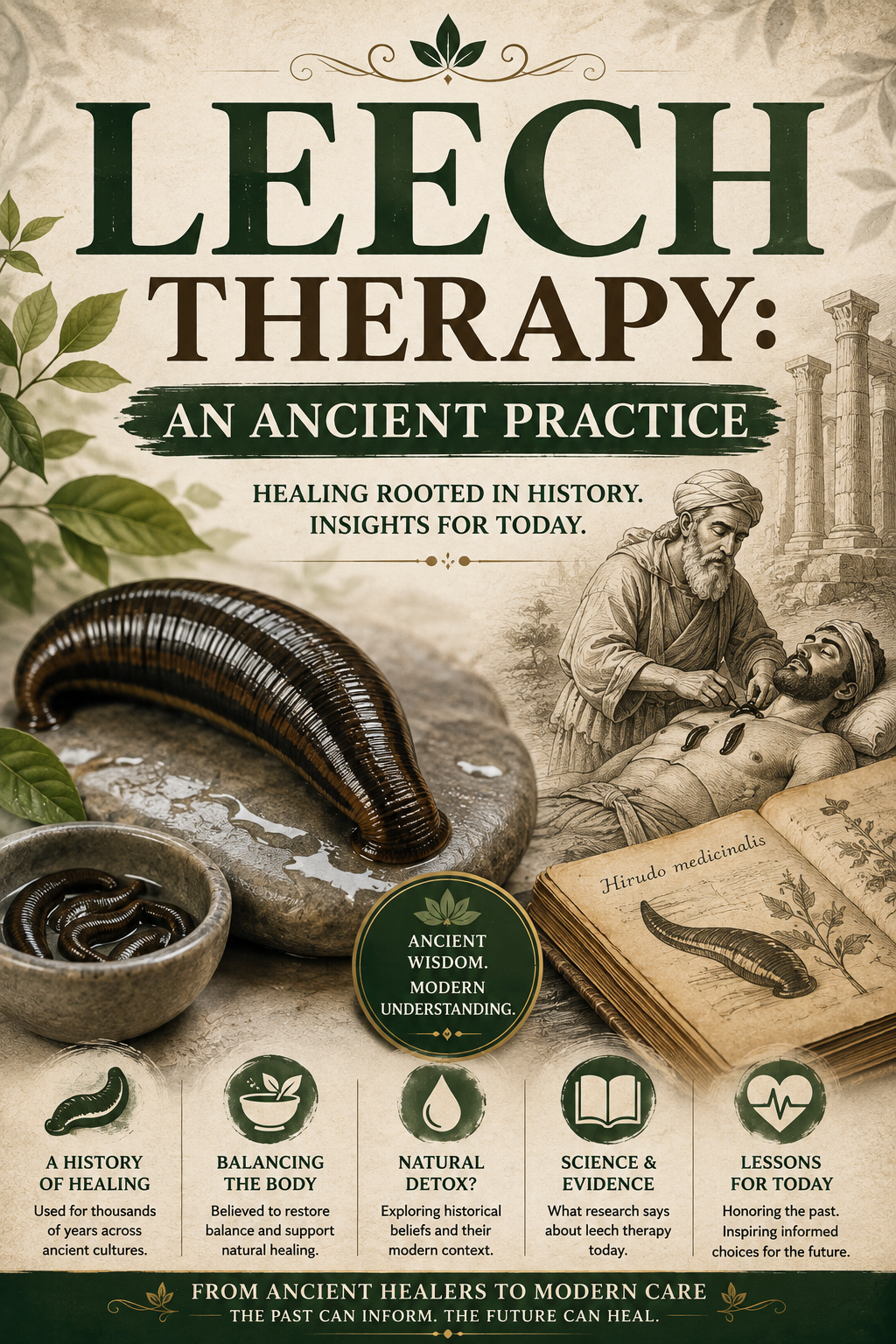
Leech therapy, also called hirudotherapy, goes way back. Ancient Egyptian, Greek, and Indian texts all mention leech treatments. Back then, healers believed leeches could pull “bad humors” or toxins from the body, rebalancing a person’s health.
In medieval Europe, leech therapy moved into mainstream medicine. It was used for almost everything: reducing fevers, cleansing the blood, and treating symptoms of mental distress. The popularity faded in the 20th century once antibiotics and modern procedures came into the spotlight. Still, leech therapy never completely disappeared. Certain parts of India, Russia, and the Middle East have continued the practice, and it’s even seen a small resurgence as an alternative therapy in recent years. This ongoing curiosity shows that even with all our medical advancements, people still crave a connection to this old wisdom and its remedies.
Detox and Addiction: Why Ancient Remedies Still Attract Interest
Detoxing refers to the process of removing toxic substances from the body. For folks recovering from substance addiction, the idea of a “natural” way to speed up detox or ease withdrawal symptoms is pretty appealing, especially given how tough the ride can be.
Leech therapy is getting a second look in alternative circles for these reasons. Supporters say it’s a natural approach to cleaning up the blood, improving circulation, and even calming the nerves, all supposedly helpful for someone coming off drugs or alcohol. The thinking is that since leeches literally suck blood (and supposedly, with it “toxins”), they might help flush out lingering substances or byproducts left over during detox. This idea is rooted more in tradition than in modern science, but its appeal clearly persists.
How Leech Therapy Works in a Detox Context
The basic idea behind leech therapy is super straightforward. Leech attaches, blood flows, and (in theory) toxins are removed. When applied by a trained practitioner, a medical leech latches onto the skin and feeds for about 20 to 45 minutes. During this time, the leech injects saliva, which contains a mix of compounds, including anticoagulants and mild anesthetics, so the process isn’t painful.
Here’s what some people believe makes leech therapy worth considering in detox situations:
- Bloodletting effect: The leech draws a small amount of blood, which is thought by some healers to help clear out substances lingering in the system.
- Saliva benefits: Leech saliva contains over 100 bioactive substances, such as hirudin, which helps keep blood flowing, and other compounds that may reduce swelling or inflammation.
- Pain relief and calm: For some, the mild numbing effect of the leech’s saliva brings a bit of relief during the uncomfortable physical changes of detox.
Additionally, advocates argue that the whole ritual of leech therapy can offer a calming, almost meditative experience for people trying to make it through the storms of withdrawal. The attention to the body, the ancient nature of the practice, and the one-on-one focus of a therapy session may provide comfort to those who are otherwise feeling overwhelmed by their detox process.
What Modern Science Says
Modern medicine uses leeches mainly in microsurgery to improve blood flow and save tissue after reconstructive surgery. There’s solid evidence showing leech saliva helps prevent blood clots and supports healing in these very specific scenarios.
When it comes to detox in addiction treatment, the evidence looks way thinner. No major medical organization recommends leech therapy for addiction or drug detox. While the idea of “removing toxins” might sound logical, there’s no proof that sucking out small amounts of blood can speed up the clearing of alcohol, opioids, or other drugs from the body, especially since most detoxing happens in the liver and kidneys, far from where a leech would bite.
Still, some early research is investigating whether certain compounds in leech saliva could eventually lead to new medications for pain or inflammation. For now, though, actual leech therapy stays firmly in the area of alternative or complementary medicine for detox and addiction. People interested in these approaches should be aware that the proven benefits remain limited to specific, regulated medical contexts.
Safety and Precautions for Leech Therapy
If you’re curious about trying leech therapy, especially for detox, being aware of the safety side is really important. Here are a few things to keep in mind:
- Infection risk: Leeches are live animals and can transmit bacteria. Strict cleanliness and the use of medical-grade leeches are nonnegotiable.
- Bleeding problems: People with bleeding disorders or who are on blood thinners should steer clear, as leech bites may bleed longer than you’d expect.
- Allergic reactions: Some folks react badly to leech saliva, which can mean anything from a local rash to much more serious symptoms.
The FDA does regulate medical leeches in the U.S., but this only covers their use in specific medical procedures, not for unproven detox treatments. Anyone considering leech therapy should talk to a doctor first, especially if they have concerns regarding bleeding, infection, or overall compatibility with other treatments.
Should Addicts Consider Leech Therapy for Detox?
If you’re battling addiction or helping someone who is, it’s totally understandable to look for anything that promises relief from withdrawal and speedier healing. But when weighing leech therapy, it’s important to consider the limited scientific support and the risks involved.
Most addiction specialists favor evidence-based approaches for detox and recovery. These include medical supervision, counseling, support groups, and approved medications that can keep withdrawal symptoms manageable and reduce the risk of relapse. Leech therapy might sound intriguing, but there’s just not enough evidence to say it adds much to established detox protocols. It is best approached as an alternative side practice rather than a cornerstone of any recovery plan.
Personal Perspective: Why the Hype?
People have always sought shortcuts or gentler alternatives to harsh medical treatments. The buzz around leech therapy for detox probably owes a lot to the desire for something different and to the longstanding cultural stories about the healing powers of natural methods. I’ve met people who swear by ancient remedies, saying even the ritual of the treatment makes them feel lifted up or more at peace with their bodies. That’s nothing to scoff at; for some, these experiences offer valuable emotional support. However, when it comes to addiction, leaning on tradition alone hasn’t been shown to help with the real challenges of recovery.
Common Questions About Leech Therapy for Detox
I get a lot of questions from readers curious about alternative detox treatments. Here are a few that pop up often:
Question: Can leech therapy speed up withdrawal for addicts?
Answer: Right now, there’s no good evidence to say it does. The majority of detox happens through the liver and kidneys, and leeches don’t play a role in that internal cleanup.
Question: Is leech therapy painful?
Answer: Thanks to natural anesthetics in leech saliva, the bite doesn’t usually hurt. Still, there can be discomfort and itching after they let go, and bite sites may bleed for a while.
Question: Is it safe to try leech therapy alongside standard addiction treatment?
Answer: It’s best to check with your healthcare provider first. Leech therapy isn’t typically part of any recognized drug detox program and could come with some risks, especially if you have certain health conditions.
If you’re exploring alternative practices out of curiosity or in hopes of supporting your recovery, always do so safely and communicate clearly with your care team. Many people find that informed experimentation—when paired with solid, science-backed treatments—can help them feel more in control of the healing process.
Other Ancient Detox Methods Worth Knowing
While leech therapy is eye-catching, it’s just one of many traditional detox techniques. Here are a couple of others that come up in both historical texts and modern holistic circles:
- Ayurvedic panchakarma: This system from India uses massage, herbal oil treatments, and purging therapies to cleanse the body and restore balance.
- Cupping therapy: Suction cups are applied to the skin to draw blood to the surface; another old-school method thought to help “unblock” the system.
- Herbal cleanses: Teas and supplements made from root and leaf extracts aiming to support the liver, kidneys, or digestion.
Many of these have passionate fans, but just like leech therapy, they’re not replacements for evidence-based addiction care.
The Takeaway on Leech Therapy for Addicts
Leech therapy’s story is a fascinating reminder of how far back our search for healing goes. People have tried everything from leeches to teas in hopes of speeding up recovery from illness or substance abuse. If you’re exploring ancient or alternative remedies, stay curious, but always balance tradition with medical advice and a clear look at what’s proven to actually help.
Traditional therapies can offer comfort and a sense of connection with the past, but for people tackling addiction, standard detox and recovery programs lead to far better outcomes. That said, learning about old-school remedies like leech therapy can inspire conversations with your healthcare team and help you build a recovery plan that feels right for you. Staying safe, open-minded, and educated is what matters most on the road to healing.
Video: What Leeches Can Teach Us About Medicine #MedicalBreakthroughs