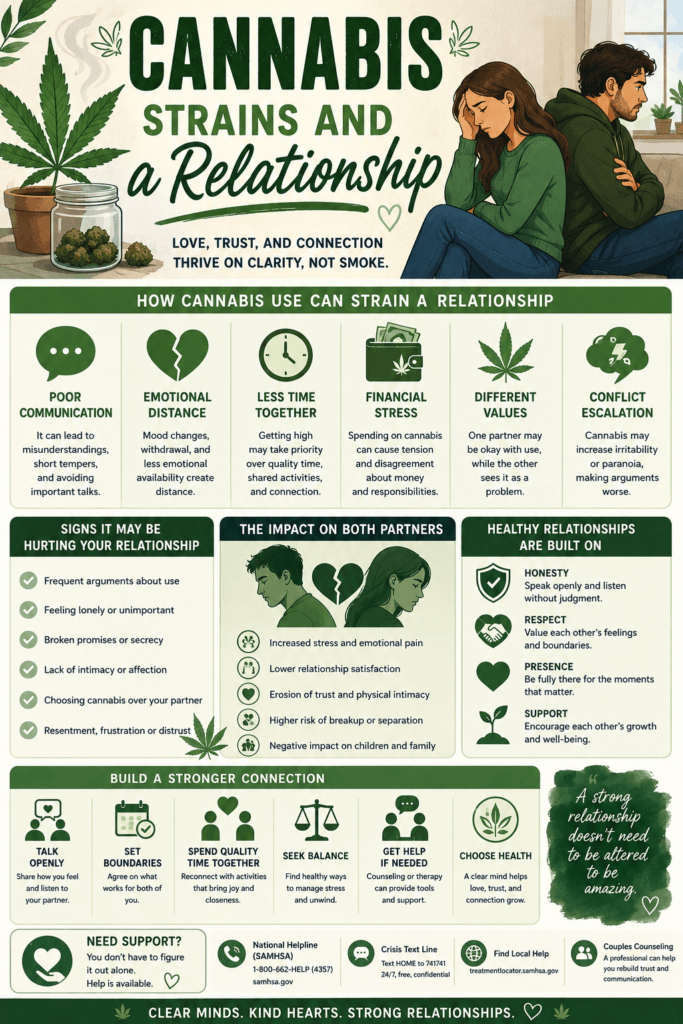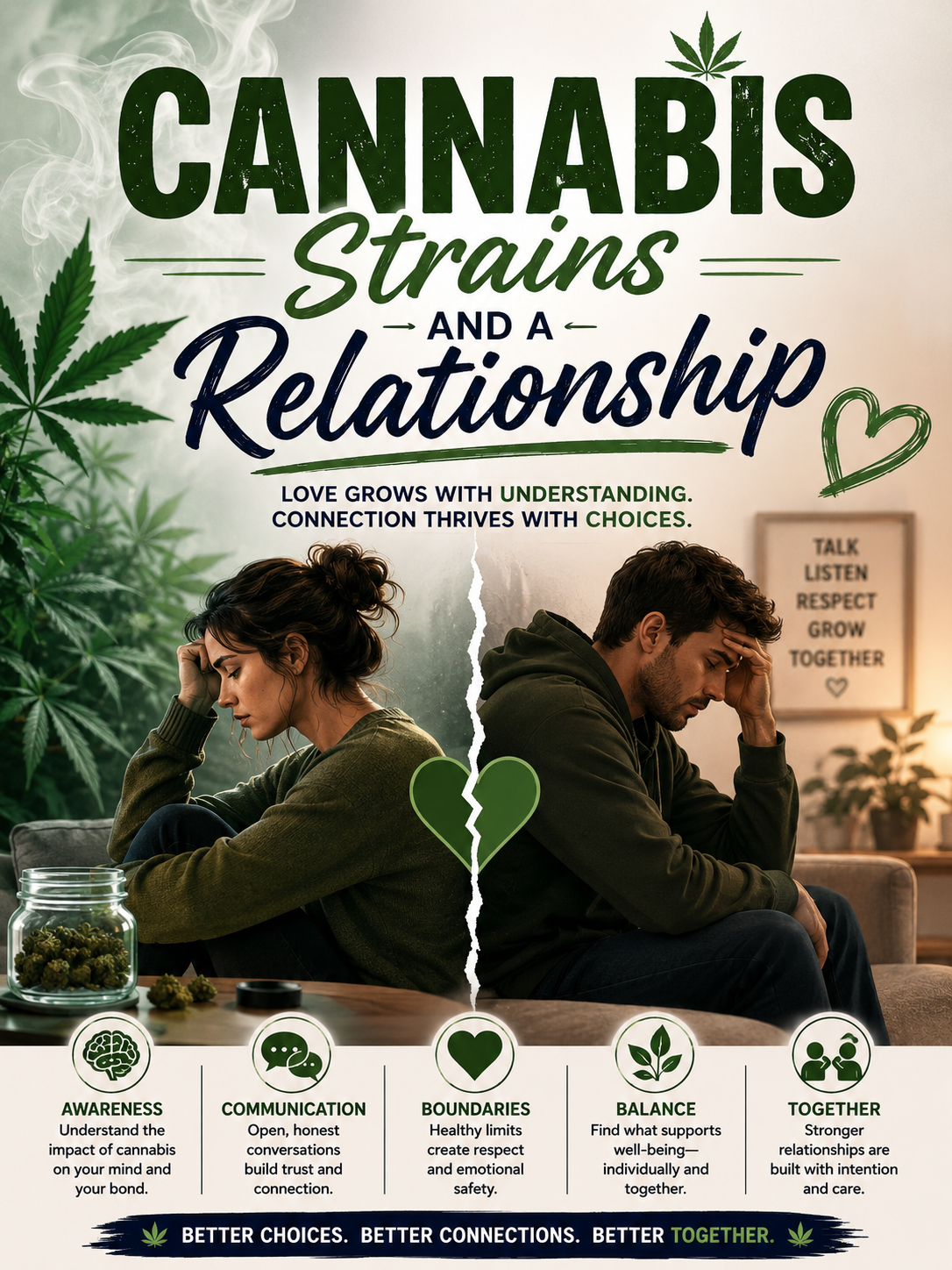
Cannabis is often talked about as a way to chill out or connect, but it can quietly take over the relationship dynamic in ways that aren’t always obvious until things feel off. Feeling stuck, misunderstood, or just drifting apart can all creep in when regular cannabis use becomes part of the picture. I’m going to break down how cannabis can fuel dysfunctional relationships, drawing from firsthand experience, research, and real talk with people who’ve been there.
The Ways Cannabis Impacts Relationship Dynamics
The vibe in a relationship can switch up when cannabis is part of daily life. What starts as something laid-back can turn into a recurring pattern where one or both people start using cannabis as a way to escape from responsibilities, dodge conflict, or create a fake peaceful atmosphere. While not everyone has issues with cannabis, it’s important to pick up on the patterns that might lead things into dysfunctional territory.
Research has found links between regular cannabis use and relationship struggles. A study published in the journal Addictive Behaviors found that frequent cannabis use can increase the chance of arguments and emotional distance. In real life, I’ve seen couples start out using together for fun, only to end up frustrated when one person feels ignored or when responsibilities slide. The casual habit can snowball into a repeating source of tension.
Cannabis as a Coping Tool
People turn to cannabis for a lot of reasons, like unwinding after a stressful day or trying to bond. But when it becomes the go-to method for handling every problem, especially arguments or feelings of sadness, healthy communication suffers. Instead of dealing with what’s going on head-on, people might end up just getting high, together or alone, to take the edge off. This can push real problems under the rug instead of solving them.
When I talk to couples where cannabis is a big part of their routine, a lot of them describe the same cycle. A disagreement happens; someone feels stressed, and instead of having a tough-but-needed conversation, they light up. The tension fades for a bit, but nothing really changes. Over time, these moments add up, and resentment quietly starts building.
- Avoidance: Using cannabis to avoid conflict or challenging emotions rather than working through them.
- Emotional Suppression: You start feeling numb, or things don’t feel as urgent, because the “bliss out” after using makes real feelings fade for a while.
- Lost Motivation: Regular cannabis use can sap motivation, which means less energy for fixing relationship problems or working on goals together.
Communication Breakdowns
Good communication is at the heart of strong relationships. But when cannabis use is regular, or becomes the default way to relax, clear, honest talks can start to fall off. I’ve seen this firsthand: conversations feel fuzzy, intentions get misunderstood, and it’s easy for someone to get defensive or withdraw completely.
This isn’t just about zoning out together. Often, one person uses more than the other, which can create a power struggle or a sense that priorities aren’t matched up. The person who uses less might become frustrated by missed commitments or feel that their needs don’t matter. Meanwhile, the person who relies more on cannabis might feel misunderstood or judged.
- Miscommunication: High conversations can feel deep in the moment, but later they might not make sense or even be remembered at all.
- Defensiveness: Bringing up cannabis use can spark defensiveness or even a fight over boundaries and habits.
- Isolation: The partner who isn’t using as much may feel left out or may withdraw to avoid conflict, leaving both people feeling alone.
Cannabis and Intimacy
While some people say cannabis steps up intimacy, I’ve heard from others—and experienced myself—how it can drain connection over time. At first, you might feel more relaxed or giggly together. But relying on cannabis to set the mood, lower inhibitions, or avoid anxiety around intimacy means the spark is less about real connection and more about altered states.
It’s common to see affection drop off unless cannabis is involved. Sometimes physical intimacy happens only when both people are high, which makes it harder to connect on a real, emotional level. There are also studies suggesting heavy cannabis use can affect sexual function and satisfaction, bringing even more stress and awkwardness to the table (National Institutes of Health).
- Changing Interest: Sexual desire or emotional openness may change, leading to mismatched expectations.
- Routine Over Connection: Intimacy might become tied to cannabis habits, not true closeness or mutual desire.
- Performance Issues: Cannabis can sometimes lower arousal or result in awkward moments that go unresolved.
Responsibilities and Daily Life Slipping
Relationships don’t run on autopilot. There are bills to pay, errands to run, and goals to reach. When cannabis use takes up a big part of each day, it’s easy for the small (and big) things to start slipping. Dishes pile up, plans get canceled, and conversations about future goals or money might get ignored. The mental fog or lack of drive that sometimes comes from frequent cannabis use can make it hard to keep up.
I’ve watched couples start to resent each other when one person seems “checked out” because they’re high, or when showing up for daily responsibilities becomes inconsistent. If both partners end up in this foggy zone, the relationship can go from feeling like a team effort to one where everything is on hold, and frustration keeps simmering.
- Neglected Chores: Basic household duties or shared goals can be overlooked, leaving one person feeling unsupported.
- Financial Stress: Regular cannabis use isn’t cheap; arguments about money are common if spending becomes a sore point.
- Social Isolation: Hanging out with friends and family may slow down, leading to a tighter bubble that can feel lonely.
Recognizing It’s Becoming a Problem
Not every couple who uses cannabis will face these problems, but here are some signs that things are off track:
- It’s hard to have important conversations unless cannabis is involved.
- The same arguments or issues keep popping up, but never get resolved.
- Partners spend less time together when not using, or social plans keep getting canceled.
- One or both people are feeling unfulfilled, resentful, or lonely.
- Intensity of use continues to increase, with fewer outside activities or interests.
If these red flags sound familiar, it doesn’t mean a relationship is doomed. What it usually means is that the coping tool (cannabis) is starting to take over healthy patterns of support, honesty, and shared ambition.
If You Want to Make Changes
I’m a big believer that change starts with honest self-reflection and conversation, with no blame. If you think cannabis is having a negative influence on your relationship, here are a few starting points that people I know have found helpful:
- Open Up: Share your feelings and worries calmly. Try using “I feel…” statements to avoid sounding accusatory.
- Check Habits Together: Track how often you use it and whether it aligns with your goals as a couple.
- Replace Routine: Choose new activities together, like going for a walk or watching a favorite show, that don’t revolve around cannabis.
- Get Professional Help: Couples therapy or a support group can give you an outside perspective and new tools.
Counselors and addiction specialists can offer guidance even if you’re not dealing with a full-on addiction. Sometimes it’s just about building new communication patterns and rediscovering what brought you together in the first place. Making changes doesn’t have to happen all at once; small steps can add up to a lot over time.
Frequently Asked Questions
Question: Is it possible to have a healthy relationship where one or both people use cannabis?
Answer: Definitely, but it takes regular check-ins and clear boundaries. If cannabis isn’t a crutch for dealing with problems or avoiding real connection, many couples manage just fine.
Question: How can I bring up my concerns if my partner gets defensive?
Answer: Try picking a calm, neutral time instead of the middle of a conflict. Lead with what you’ve noticed about your own feelings, and be clear that you want things to get better for both of you, not to blame anyone.
Question: What are alternatives to using cannabis to unwind as a couple?
Answer: Taking up new hobbies, exercise, cooking together, or even simple routines like tea before bed offer ways to relax and connect without relying on cannabis. You can also explore creative pursuits together, spend time outdoors, or revisit old interests as a pair. These activities might spark new conversations and help rekindle closeness in new ways.
Making Choices Together
Relationships go through ups and downs, and adding cannabis into the mix can really change how partners relate to each other, solve problems, and plan for the future. Spotting where things have gone off track and making small, real changes together can turn everything around for the better. If you or someone you care about is navigating this situation, talking it through and adopting new habits can help get things moving in the right direction again. Building a stronger connection is absolutely possible, and every step you take as a team strengthens that foundation.
Video: Is Your Partner’s Weed Habit a Problem? 🚩