Toxic people have a way of draining your energy and making everyday life feel a lot heavier than it needs to be. Sometimes, their behaviors might not seem that serious at first, but over time, the impact really adds up. I’ve noticed in my own life that when I actively step away from toxic influences, I feel lighter, happier, and more productive. It’s worth getting a clear sense of what makes someone toxic and why steering clear is a smart move for your well-being.
What Is a Toxic Person?
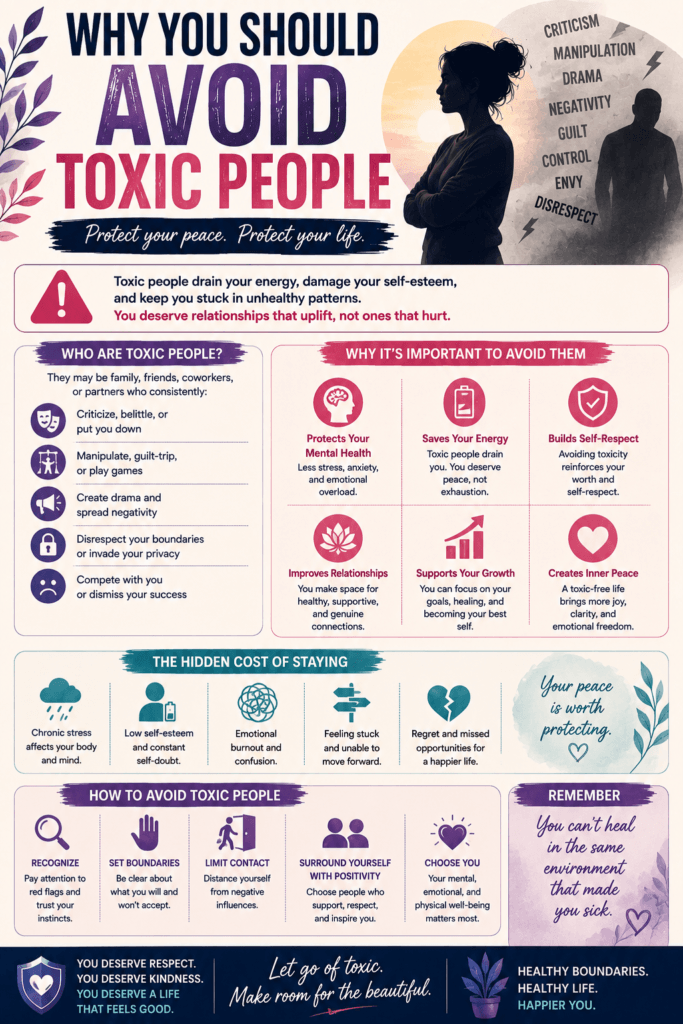
Toxic people aren’t defined by just a single trait, but more by a pattern of actions that make those around them feel bad. You might spot them through constant negativity, manipulation, or a habit of always putting others down. It happens in families, friend groups, offices, or even in online spaces. These behaviors can be subtle at first, such as backhanded compliments, guilt-tripping, or refusing to take responsibility for mistakes.
It helps to recognize these signs early on. I’ve seen that once you learn to spot things like frequent mood swings, gaslighting, or a relentless focus on drama, you start to get protective of your own peace. Learning what to look for takes practice, but it makes a big difference when you want to make supportive friendships and partnerships. Over time, the more you recognize patterns, the easier it is to avoid getting pulled into negativity or unnecessary drama.
How Toxic Relationships Affect Your Mental Health
The energy you’re surrounded by shapes how you feel every day. Regular time around toxic people can lead to anxiety, lowered self-esteem, and even physical symptoms like headaches or fatigue. I know from experience that being on edge, dreading certain conversations, or constantly questioning yourself is a sign something’s off with the relationship, not just with you.
This isn’t limited to romantic relationships; coworkers, friends, and even relatives can have the same impact. Over months or years, you might start to doubt yourself or avoid things you once enjoyed just to keep the peace. Mental health professionals often point out that consistent negativity or manipulation can make people second-guess their worth and choices. Prioritizing relationships with encouraging and honest people genuinely lifts your confidence and helps you see the world in a kinder light.
In fact, I’ve read stories and listened to podcasts where experts point out that social circles play a huge role in our sense of happiness and belonging. It’s not always easy to step away, but even small changes can boost your mood and mindset. Just being around positive people sparks hope and reminds you what healthy support feels like.
Red Flags to Look Out For
Spotting toxic patterns early on makes it easier to set boundaries. Some common red flags include:
- Constant Criticism: Never misses a chance to point out your flaws, even if you didn’t ask for feedback.
- Manipulation: Uses guilt, fear, or obligation to get their way.
- Lack of Empathy: Shows little interest in your feelings or consistently dismisses your emotions.
- Never Takes Responsibility: Blames others for their problems or refuses to acknowledge their mistakes.
- Jealousy or Controlling Behavior: Wants you to make choices just to keep them happy, not because it’s best for you.
With practice, you can start to spot these in different settings, from friendships to the workplace. I’ve found that noticing even a few of these regularly is a good reason to step back and evaluate the relationship.
If you find yourself making excuses for someone’s behavior or if you always feel anxious after spending time with them, that’s your gut telling you to reassess. Trust those feelings—they’re usually there for a reason. Keeping an eye out for patterns, even subtle ones, helps you make more empowering choices about your company.
Simple Steps to Distance Yourself
Putting distance between yourself and someone toxic doesn’t need to be dramatic or confrontational. I’ve been through a few situations where simply spending less time with negative people made a world of difference in my mood and motivation. Here are some practical steps I use:
- Limit Communication: Keep interactions brief and stick to necessary topics, especially with coworkers or relatives you can’t completely avoid.
- Set Boundaries: Politely but firmly say no when you don’t want to do something or when someone crosses a personal line.
- Focus on Yourself: Prioritize hobbies, work, and friendships that boost your mood instead of those that leave you feeling drained.
- Seek Encouraging Company: Spend extra time with people who make you feel supported and heard.
- Direct Communication: When it feels safe, calmly explain how certain actions make you feel. Sometimes, that’s enough to encourage a little change or at least make your boundaries clear.
You don’t need to explain or justify distancing yourself from anyone who doesn’t lift you up. Protecting your peace is always worth the effort. If you ever need encouragement, think about the future you: free from unnecessary emotional drains, taking up space only with goodness.
Common Challenges and How to Tackle Them
- Guilt: Sometimes distancing yourself triggers feelings of guilt, especially if the toxic person is a family member or longtime friend. Reminding yourself that your mental health matters makes the process a bit easier. Try journaling or chatting with someone you trust about your feelings—it helps you keep things in perspective.
- Fear of Conflict: Avoiding confrontation is natural, but you can keep boundaries simple and drama-free. A quick, polite “I’m busy right now” goes a long way.
- Losing Social Connections: It might feel risky to lose shared spaces or groups, yet I’ve always found new, healthier circles grow once space opens up. Investing that energy elsewhere builds confidence and often leads to fun new friendships. Sometimes it’s about trying out a new hobby or volunteering, which can introduce you to different people and spark new connections.
- Bump-Ins at Work or Family Events: Sometimes you can’t go full no-contact. Keeping topics neutral and your interactions quick is a handy way to minimize stress in required settings.
Handling Family Dynamics
Family can be one of the toughest places to set boundaries. There’s a lot of pressure to keep things the way they’ve always been, but sometimes a toxic family member can take a real toll on everyone’s happiness. When direct confrontation isn’t an option, things like participating in group activities (where you can blend into the background), limiting how long you stay, or being clear about which topics are off-limits can help make gatherings more bearable. You might also try reaching out to another supportive family member to back you up or act as a buffer during events. Over time, these consistent boundaries make things less stressful for you.
Managing Toxicity at Work
Workplace dynamics come with their own set of issues. Gossip, micromanagement, and negativity might be harder to avoid, especially in small offices. Documenting problematic behavior and focusing on delivering your best work helps you keep things professional. If things get too uncomfortable, talking to a supervisor or HR can sometimes create a healthier environment. Remember, your mental health at work matters just as much as anywhere else. Sometimes finding a quiet spot to recharge during breaks or connecting with like-minded colleagues helps make the day more manageable.
What Happens When You Avoid Toxic People
The best part about moving away from toxic relationships is that you make lots of space for the good stuff. I’ve found myself more energetic and optimistic, and my daily stress has dropped quite a bit. Here are some real perks you might notice:
- More Positivity: People who care about your success and happiness help you build self-confidence.
- Lower Stress Levels: You spend less energy dreading interactions or trying to keep the peace.
- More Focus: With less emotional drama, there’s extra space in your brain for fun projects and hobbies.
- Improved Health: Fewer headaches, better sleep, and overall higher energy levels pop up when you aren’t weighed down by negativity.
- Personal Growth: Being around people who encourage you lets you take more risks and try new things.
Your confidence gets a boost when you’re no longer second-guessing every conversation. Creativity and motivation start to flow again, making both work and play a lot more fulfilling. Even your relationships with others start to feel more open and genuine, since you’re no longer bracing for the next put-down.
Links Between Toxicity and Physical Health
Research shows that chronic stress, which toxic people often trigger, has physical effects. Long-term stress has been linked to things like digestive issues, headaches, and trouble sleeping. Regular positive relationships help your body stay in balance, so reducing negative interactions is more than just a mental pick-me-up.
There’s a lot of research showing that social support plays a huge role in how well we handle tough times. If you’re interested, the American Psychological Association has resources on how stress from toxic relationships can impact health. Stumbling upon helpful articles or trusted podcasts can further illustrate just how important it is to cut out negativity for both mind and body.
Frequently Asked Questions About Avoiding Toxic People
Question: Can someone change their toxic behavior?
Answer: It’s definitely possible, but it usually requires that person to want to make a change. Setting boundaries can help, but you can’t force someone to grow if they don’t want to. Your energy is best spent focusing on your own well-being.
Question: What if the toxic person is a family member?
Answer: Family adds extra pressure, but it’s still possible to set boundaries. Limiting contact, keeping topics light, or seeking support from other relatives are practical strategies to protect your emotional health.
Question: How do I rebuild after moving on from toxic people?
Answer: Filling your circle with honest, positive, and supportive people makes a world of difference. Try out new clubs or hobbies, join online interest groups, and focus on relationships that make you feel accepted and optimistic. Even connecting with like-minded folks through online communities can open unexpected doors to new friendships and support systems.
Why Protecting Yourself Matters
Stepping back from toxic people isn’t always the easiest choice, but it’s one of the best things you can do for your peace of mind and growth. Building positive relationships is super important for your well-being. Trusting your gut, setting boundaries, and surrounding yourself with people who respect and encourage you help create a happier everyday life.
Your circle of influence shapes how you see the world and what you believe about yourself. Prioritizing your mental health and peace brings a sense of freedom and possibility you might not have even realized you were missing. Life feels lighter and more hopeful, and you’ll probably stumble upon parts of yourself that were hidden by negativity. Surrounding yourself with encouragement makes every part of life brighter.
Video: Stop Letting Toxic People Drain Your Energy #motivation #mentalhealth