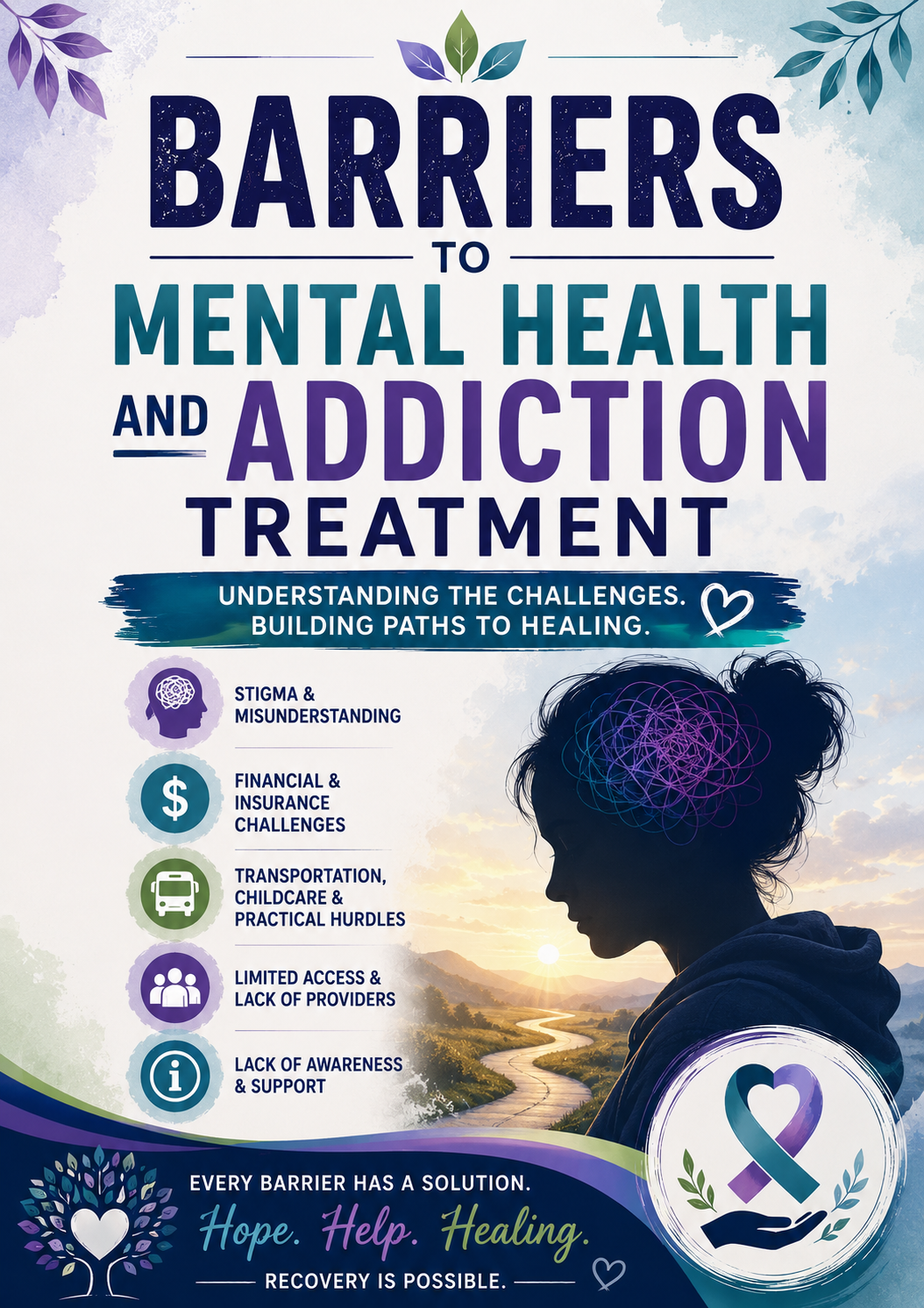
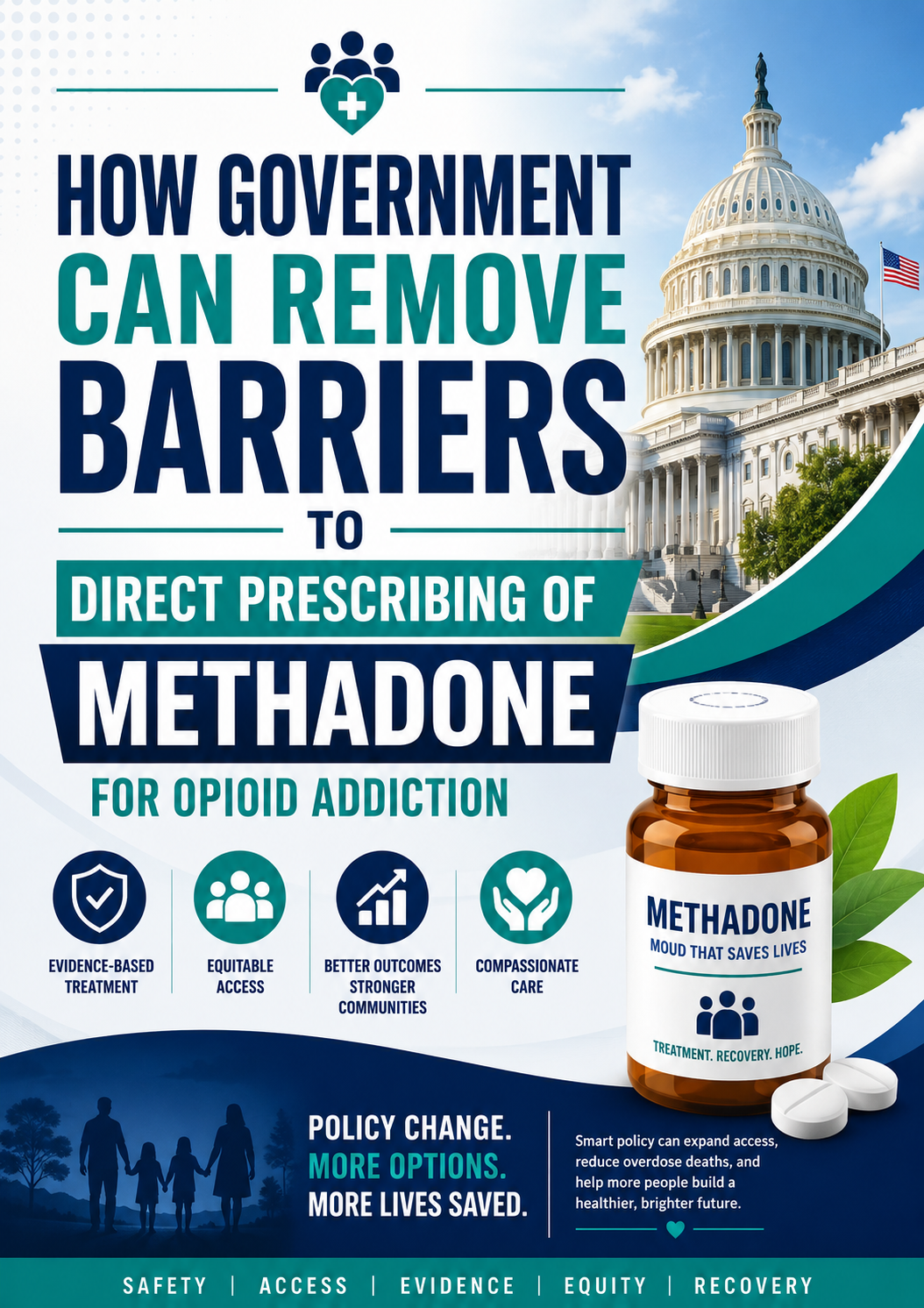
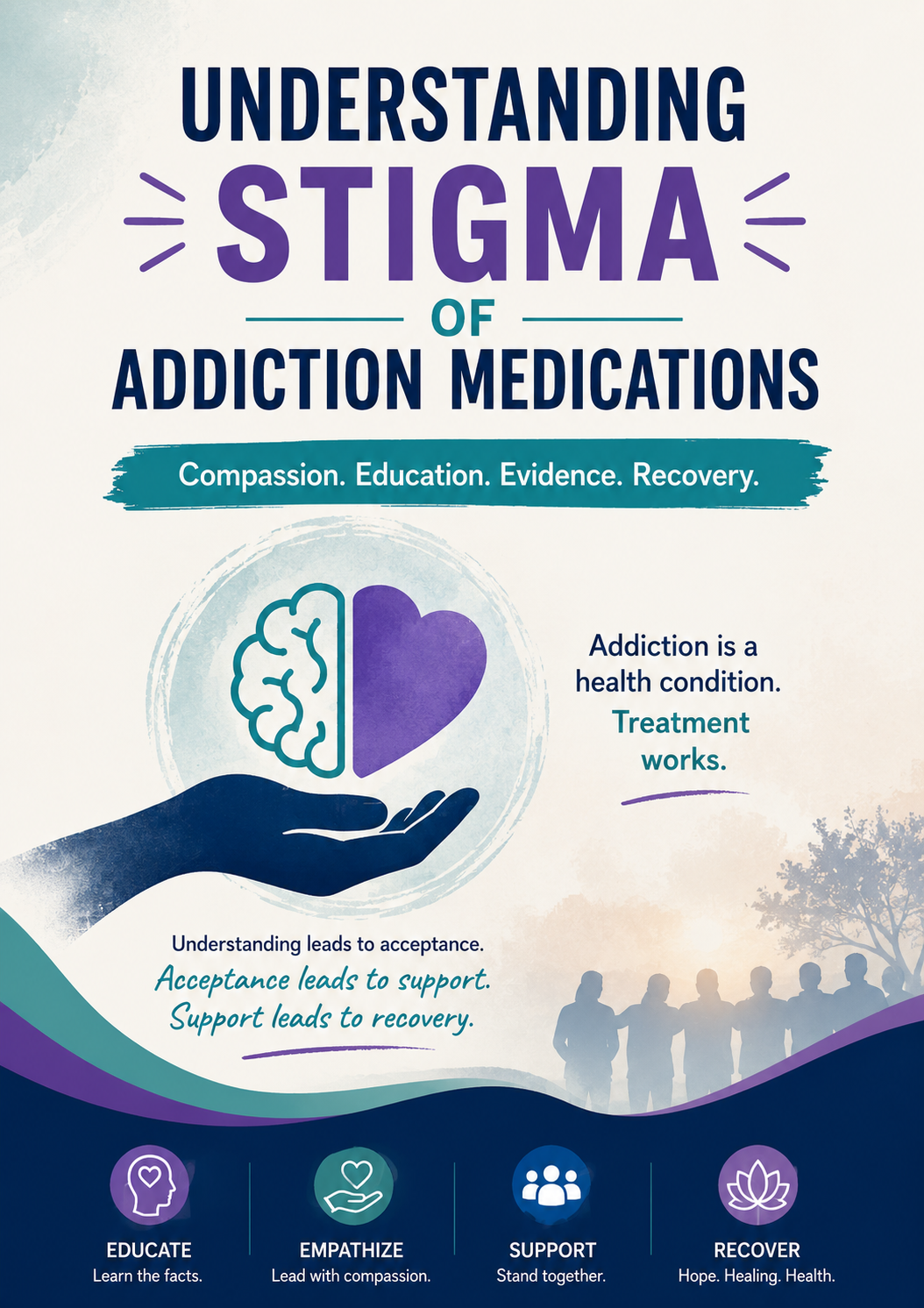
Understanding MOUD Stigma

Stigma surrounding medications used to treat addiction remains one of the most significant barriers to recovery. Despite decades of research demonstrating the effectiveness of medications for opioid use disorder, many individuals continue to face judgment, misunderstanding, and discrimination when seeking treatment. Misconceptions such as “replacing one drug with another” or the belief that recovery must … Read more

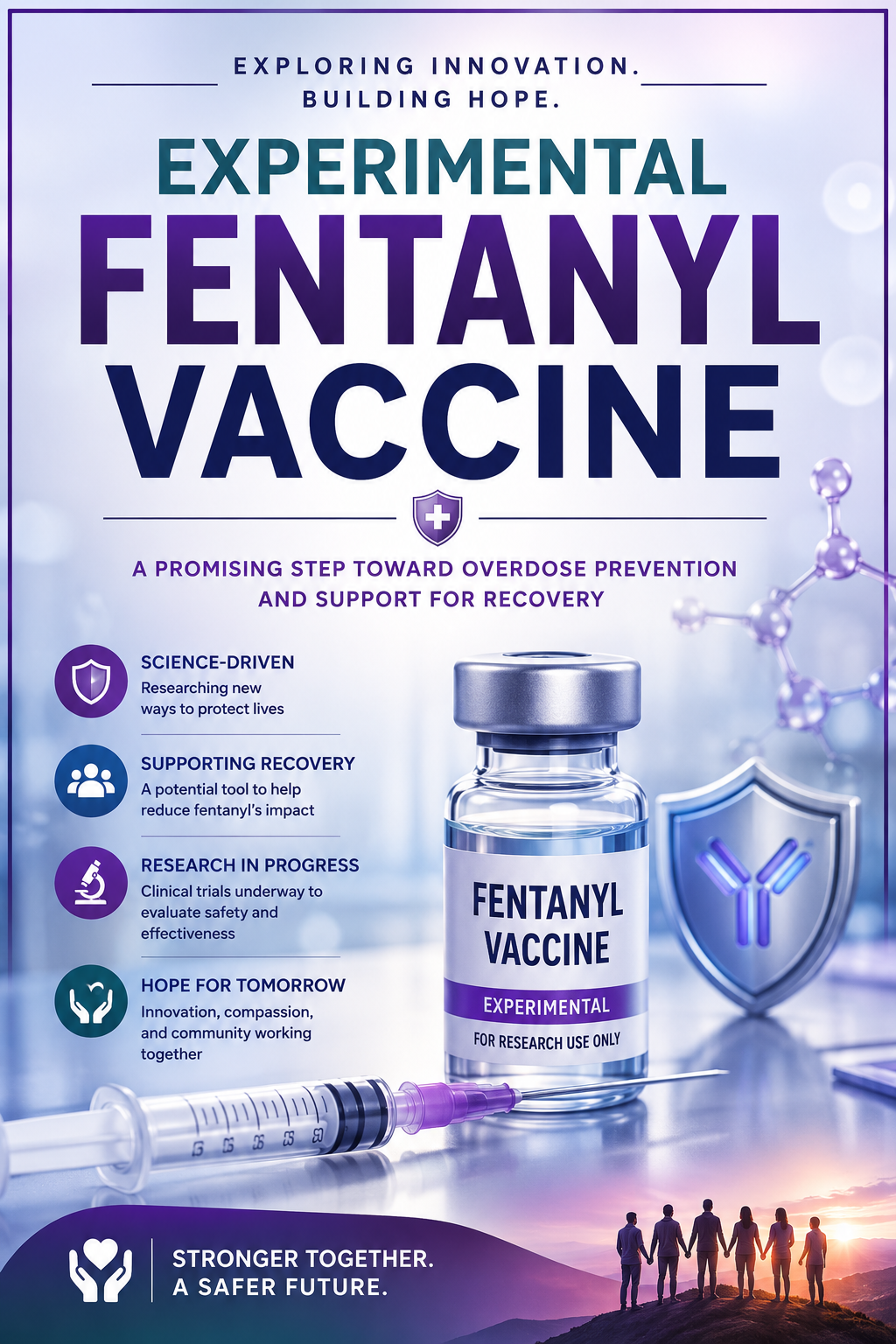
Experimental Fentanyl Vaccine

The ongoing opioid crisis has driven researchers to explore innovative ways to prevent fentanyl-related overdoses and improve outcomes for individuals living with opioid use disorder. One promising area of research is the development of an experimental fentanyl vaccine. Unlike traditional vaccines that protect against infectious diseases, a fentanyl vaccine is designed to stimulate the immune … Read more

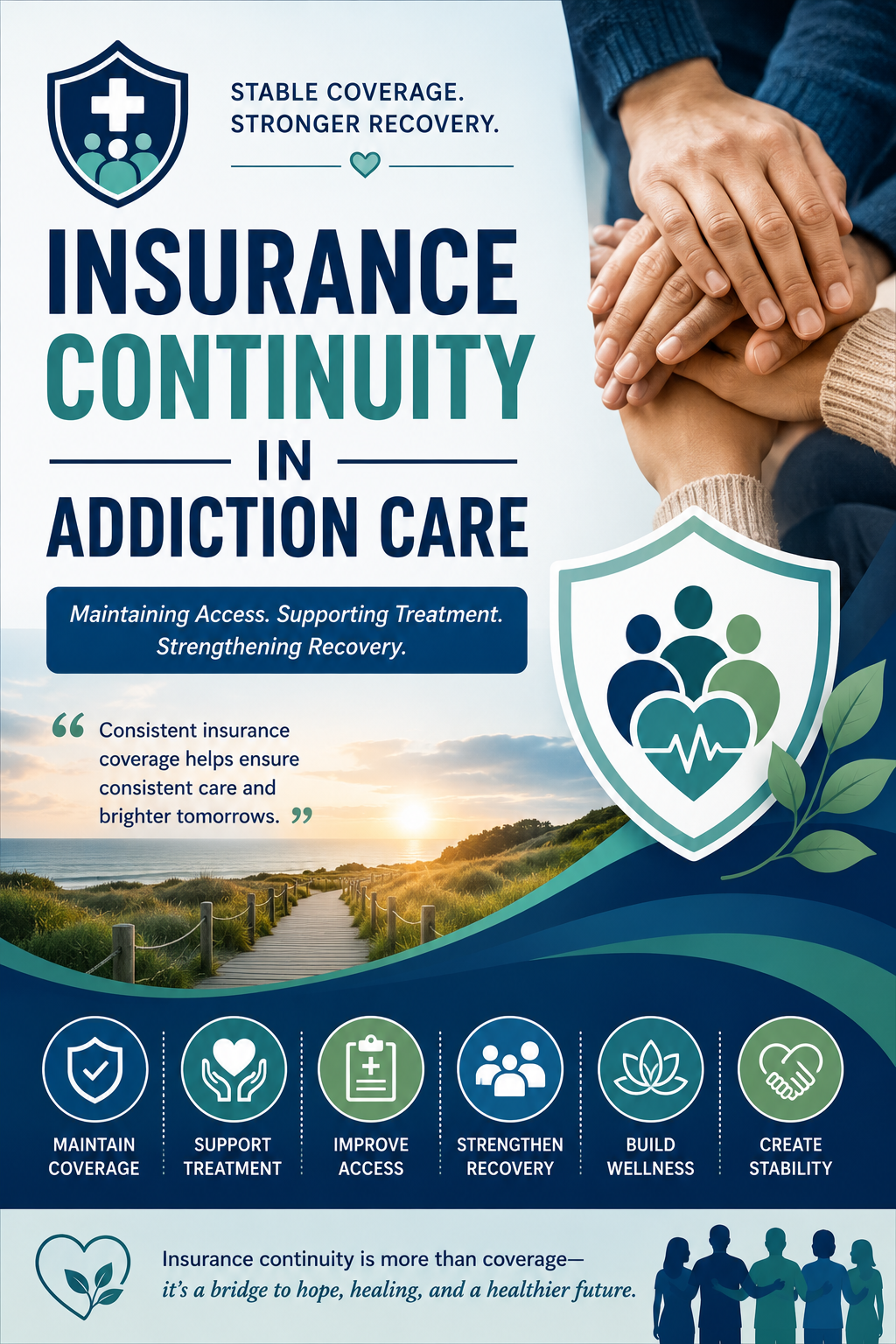
Insurance and Addiction Recovery

Insurance continuity is an essential component of effective addiction care because recovery from substance use disorders often requires long-term access to healthcare services, counseling, medication-assisted treatment, mental health support, and recovery programs. Many individuals recovering from addiction face challenges such as financial hardship, unemployment, housing instability, and co-occurring mental health conditions, all of which can … Read more

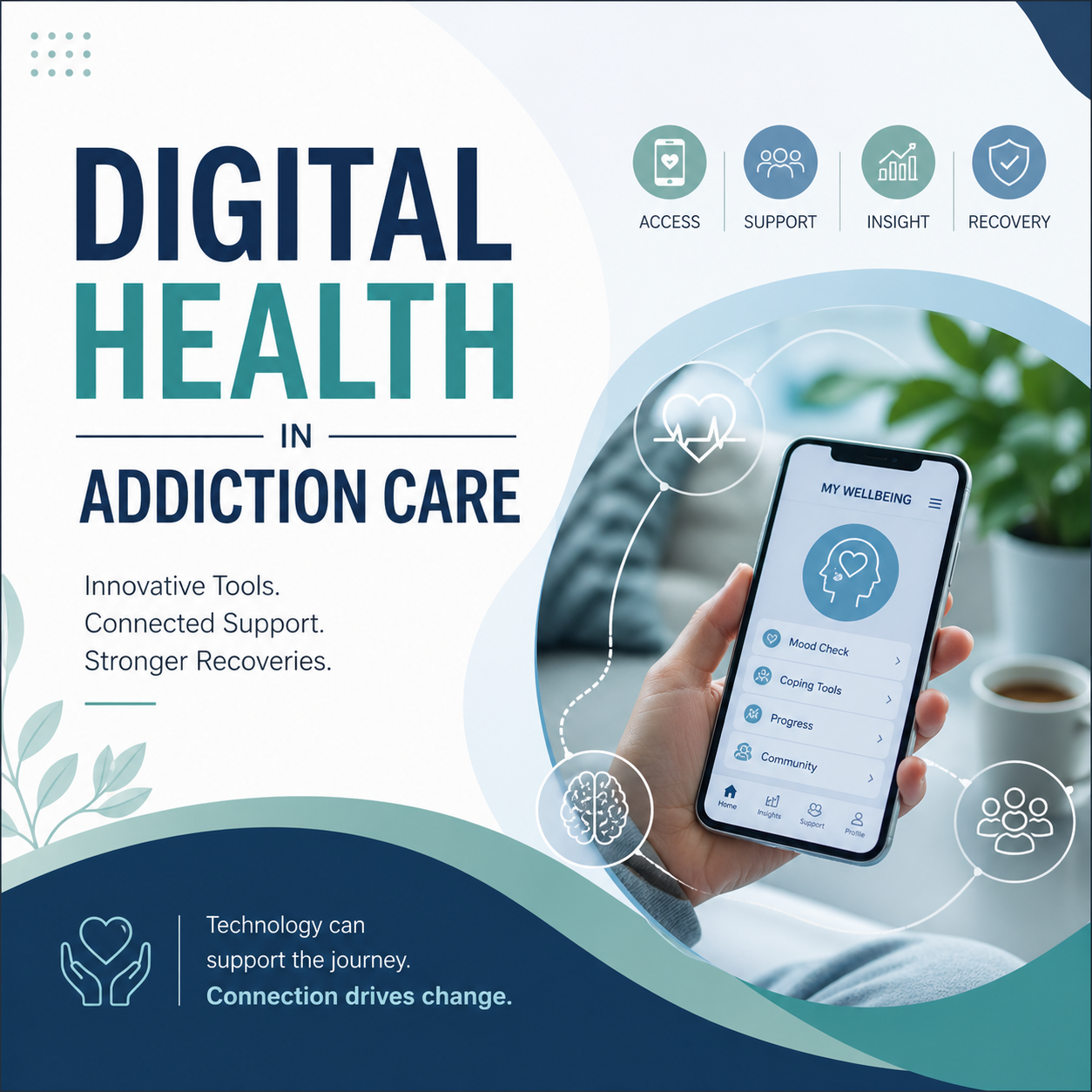
Digital Health in Addiction Care

Digital health is rapidly transforming the landscape of addiction care, shifting it from a traditionally clinic-centered model to one that is more accessible, continuous, and patient-driven. Technologies such as telehealth, mobile health applications, wearable devices, and online support platforms are expanding how individuals engage with treatment and recovery. These tools not only increase access to … Read more

Digital Knowledge Denial

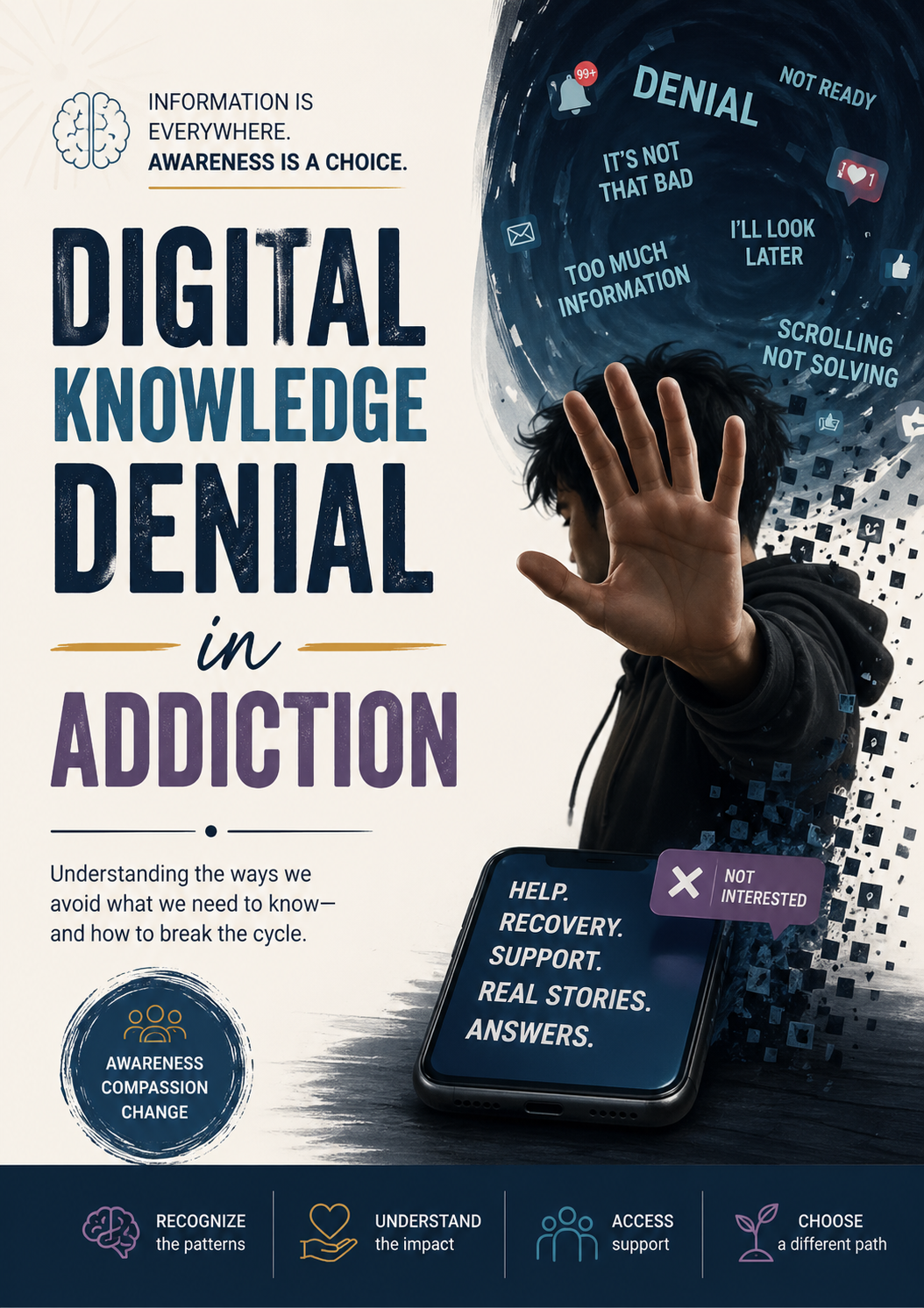
In an era where information about addiction is constantly available—through articles, social media, research, and personal stories—it might seem that awareness should come easily. Yet, many individuals struggling with addiction actively or unconsciously avoid engaging with this knowledge. This phenomenon, known as digital knowledge denial in addiction, reflects a deeper psychological process where access to … Read more

Addiction Trigger Laws

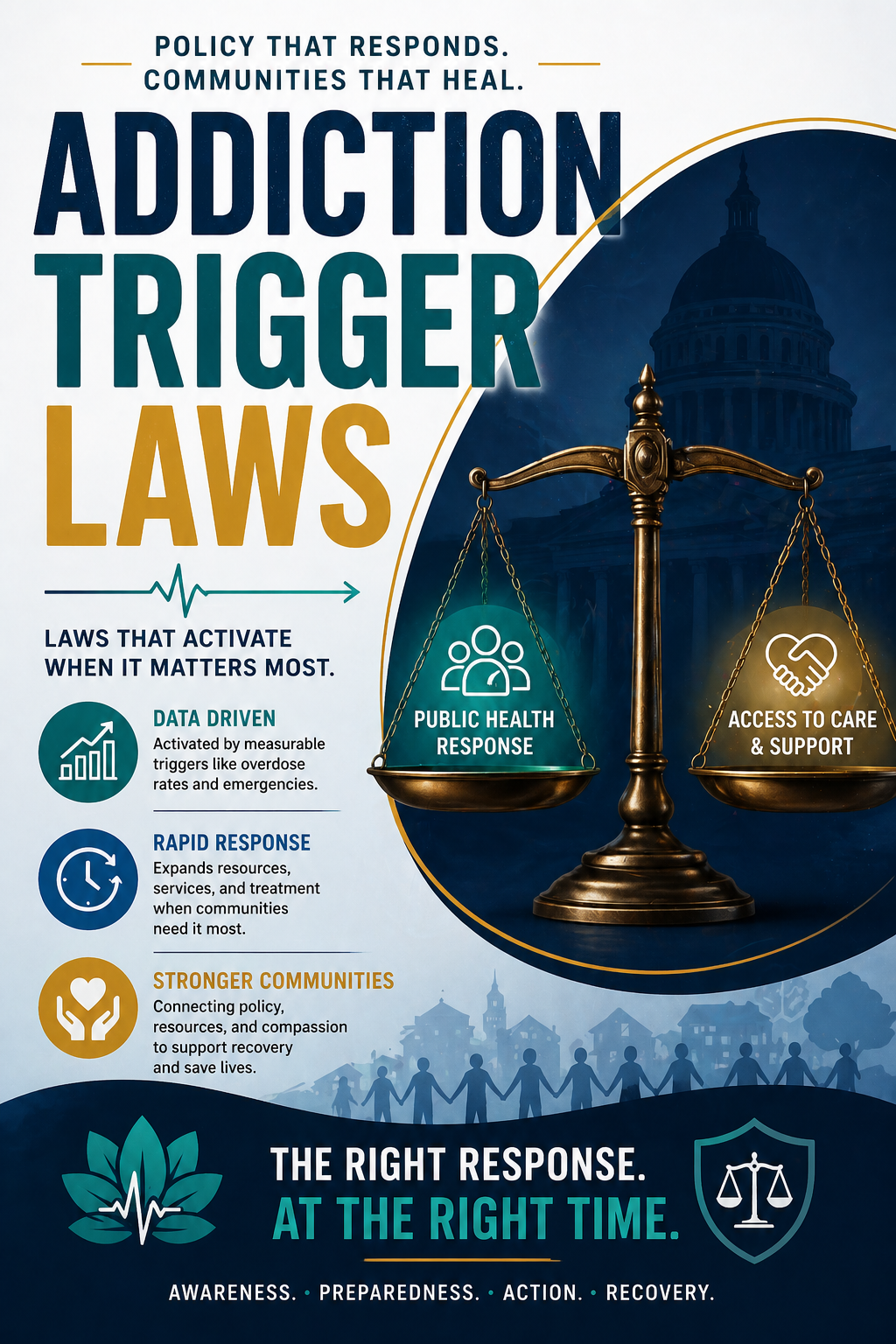
Addiction trigger laws are a form of adaptive public policy designed to respond quickly to changing conditions in substance use and public health. These laws are structured to activate automatically when specific thresholds are met, such as rising overdose rates, increased hospitalizations, or the declaration of a public health emergency. In the context of addiction, … Read more

The Opioid Epidemic in 2026

The opioid epidemic in 2026 remains a significant public health crisis, continuing to evolve in both complexity and impact. What began as a surge in prescription painkiller misuse has transformed into a far more dangerous landscape dominated by synthetic opioids like fentanyl. This shift has led to increased overdose rates and heightened risks, affecting individuals … Read more

Psychedelic Bans: Fear vs. Science

Psychedelics have a history that stretches from ancient rituals to strict modern regulation, and the story behind their prohibition is thick with fear, heated social debate, and constantly shifting views on science. Getting into the roots of psychedelic prohibition, government actions, and what the latest studies suggest gives real insight into why these substances remain … Read more

Reforming Healthcare for Addiction

Addiction remains one of the most complex public health challenges, requiring more than short-term treatment or isolated interventions. Despite growing awareness, many healthcare systems continue to fall short in providing comprehensive, accessible, and integrated care for individuals in recovery. Barriers such as fragmented services, limited access, and persistent stigma within healthcare settings often prevent individuals … Read more

Addiction in a Corrupt World

Addiction is frequently viewed as a personal failing—something rooted in poor decision-making, lack of willpower, or moral weakness. However, this limited perspective ignores the larger social environment in which addiction takes shape. In a world marked by inequality, ongoing stress, and unstable systems, addiction can develop as a way of coping with difficult and overwhelming … Read more