Addiction Psychotropic Polypharmacy

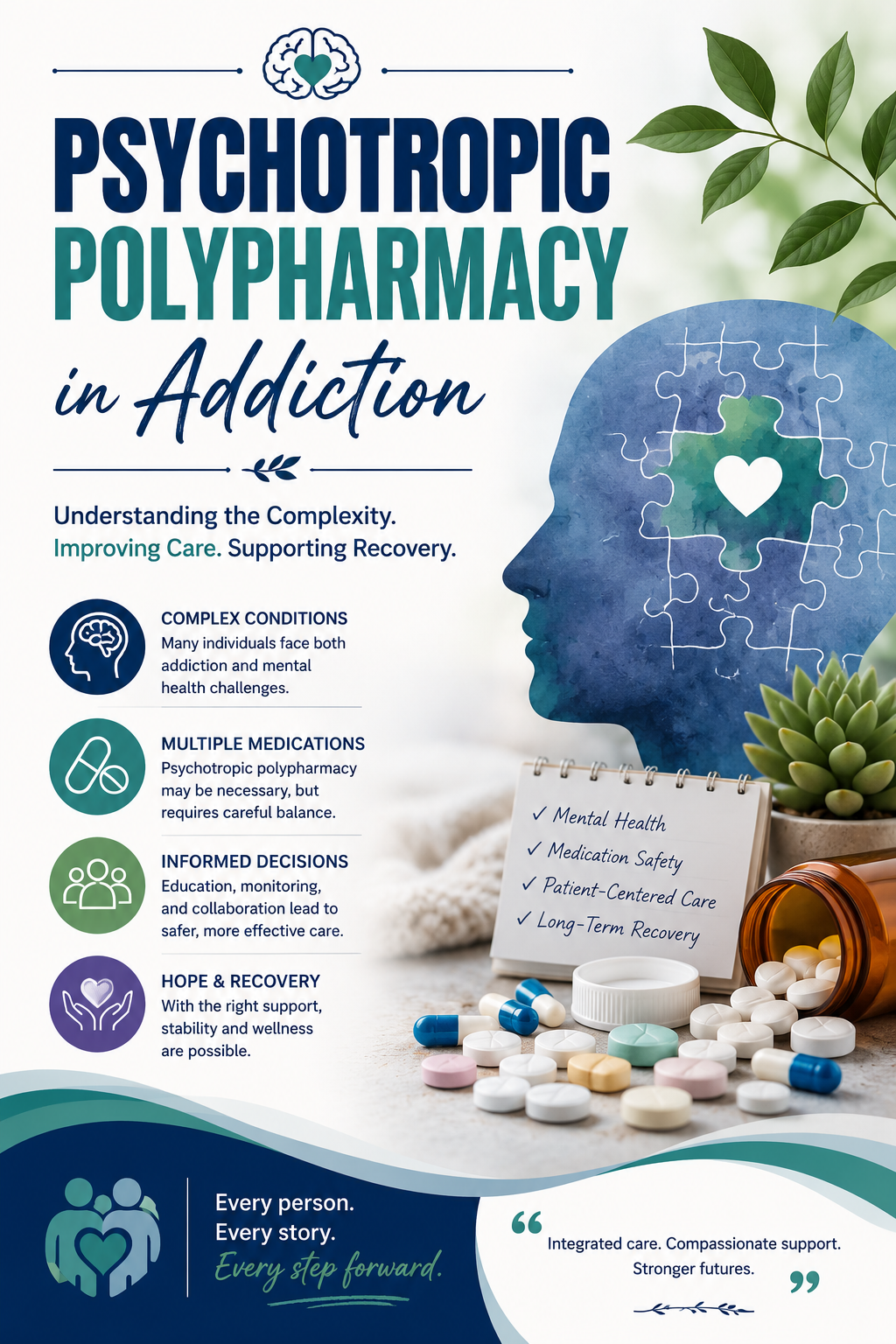
Psychotropic polypharmacy—the use of two or more psychiatric medications at the same time—is becoming more common in addiction treatment because many individuals with substance use disorders also have co-occurring mental health conditions. Disorders such as depression, anxiety, bipolar disorder, Post-traumatic stress disorder (PTSD), and Schizophrenia often require ongoing psychiatric care and, in some cases, a … Read more
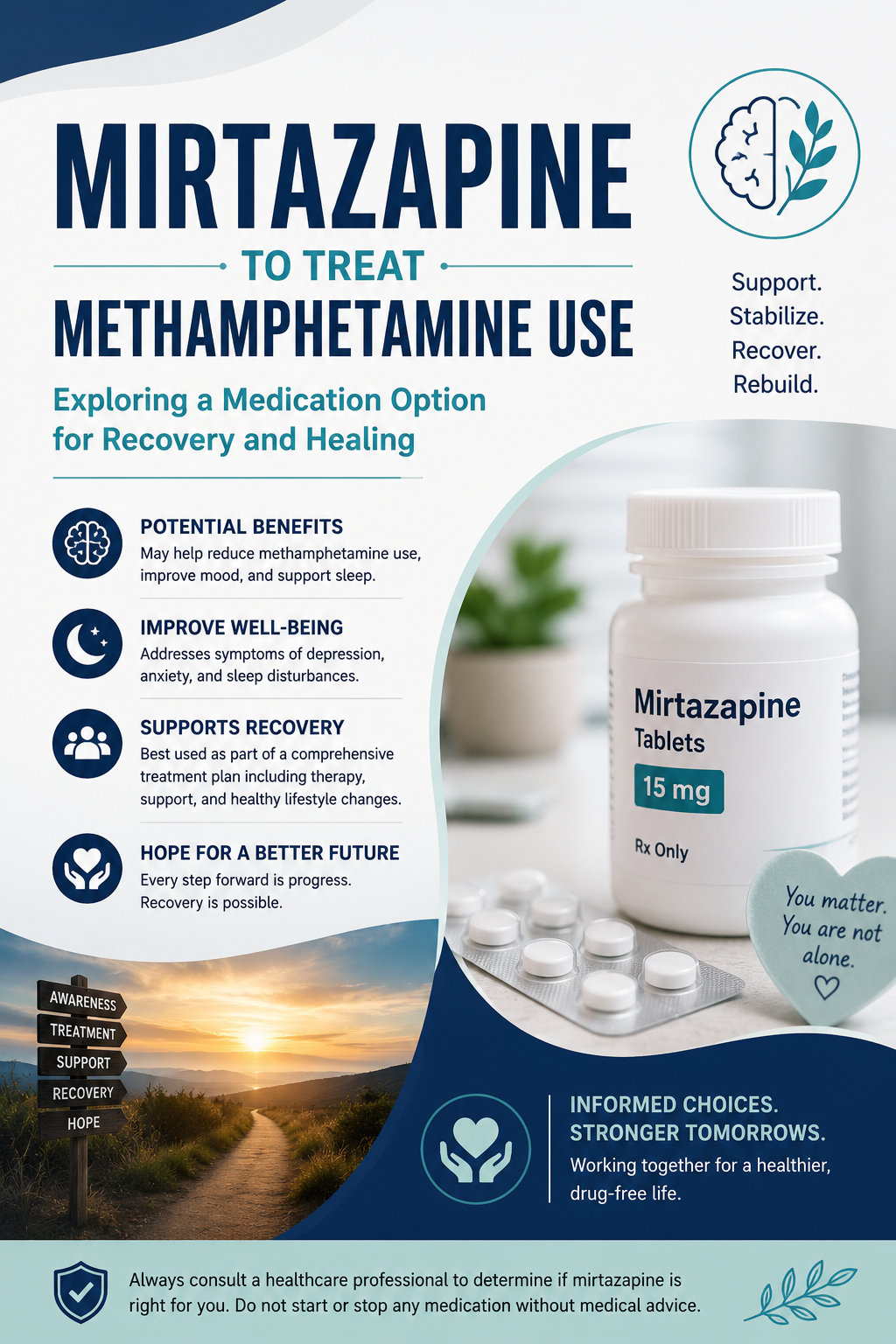
Mirtazapine Meth Use Disorder

Methamphetamine use disorder is a complex and growing public health issue that affects mental, physical, and social well-being. People recovering from methamphetamine addiction often face persistent cravings, depression, anxiety, disrupted sleep, and emotional instability, all of which can make maintaining long-term recovery difficult. Because there are few approved medications specifically for treating stimulant use disorder, … Read more

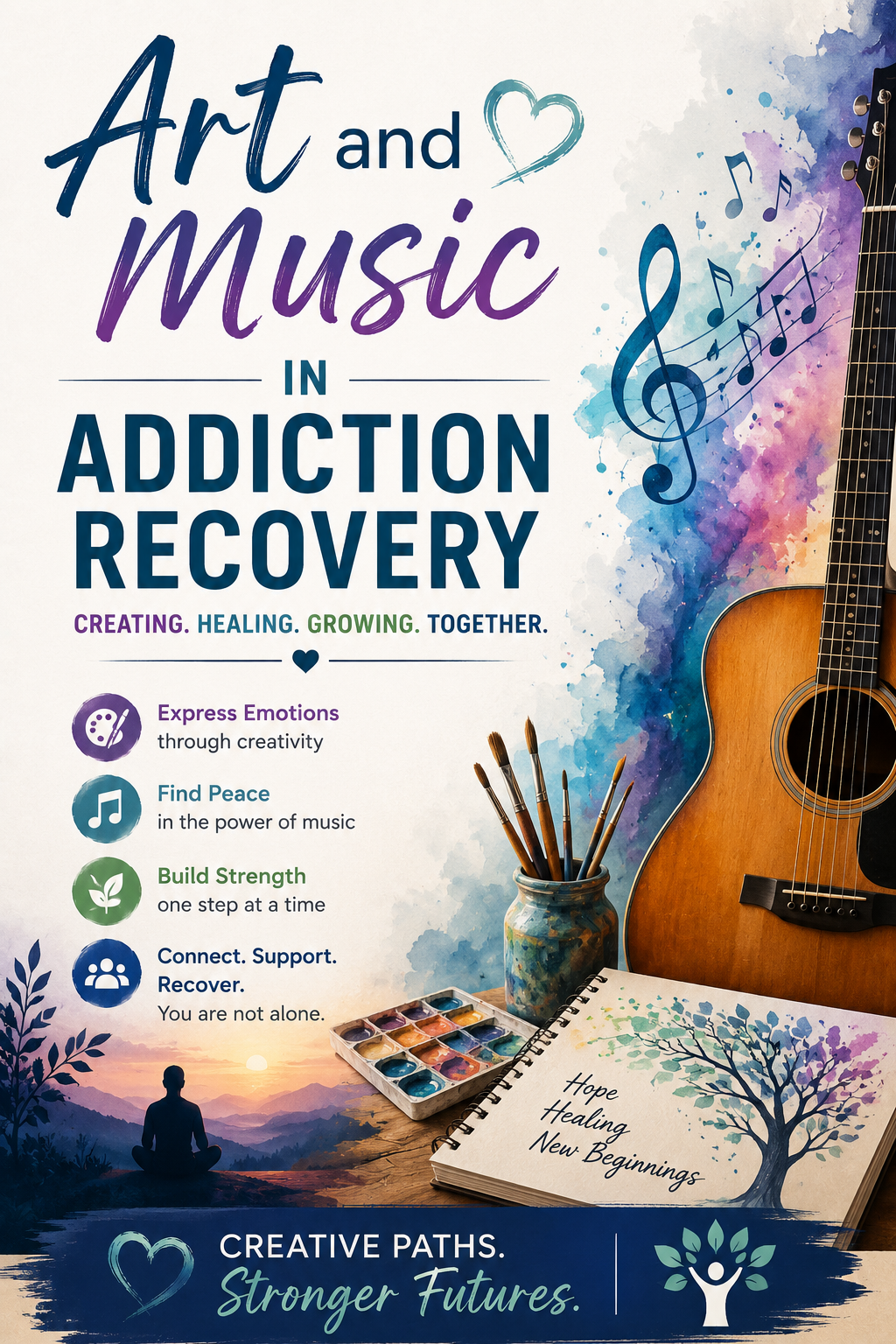
Art and Music in Addiction Recovery

Addiction recovery involves more than overcoming physical dependence on substances—it also requires emotional healing, personal growth, and the development of healthier coping skills. Many individuals struggling with substance use disorders experience anxiety, depression, trauma, stress, and difficulty expressing emotions. As a result, creative therapies such as art and music therapy have become increasingly recognized as … Read more

Hypnosis for Vaping Addiction

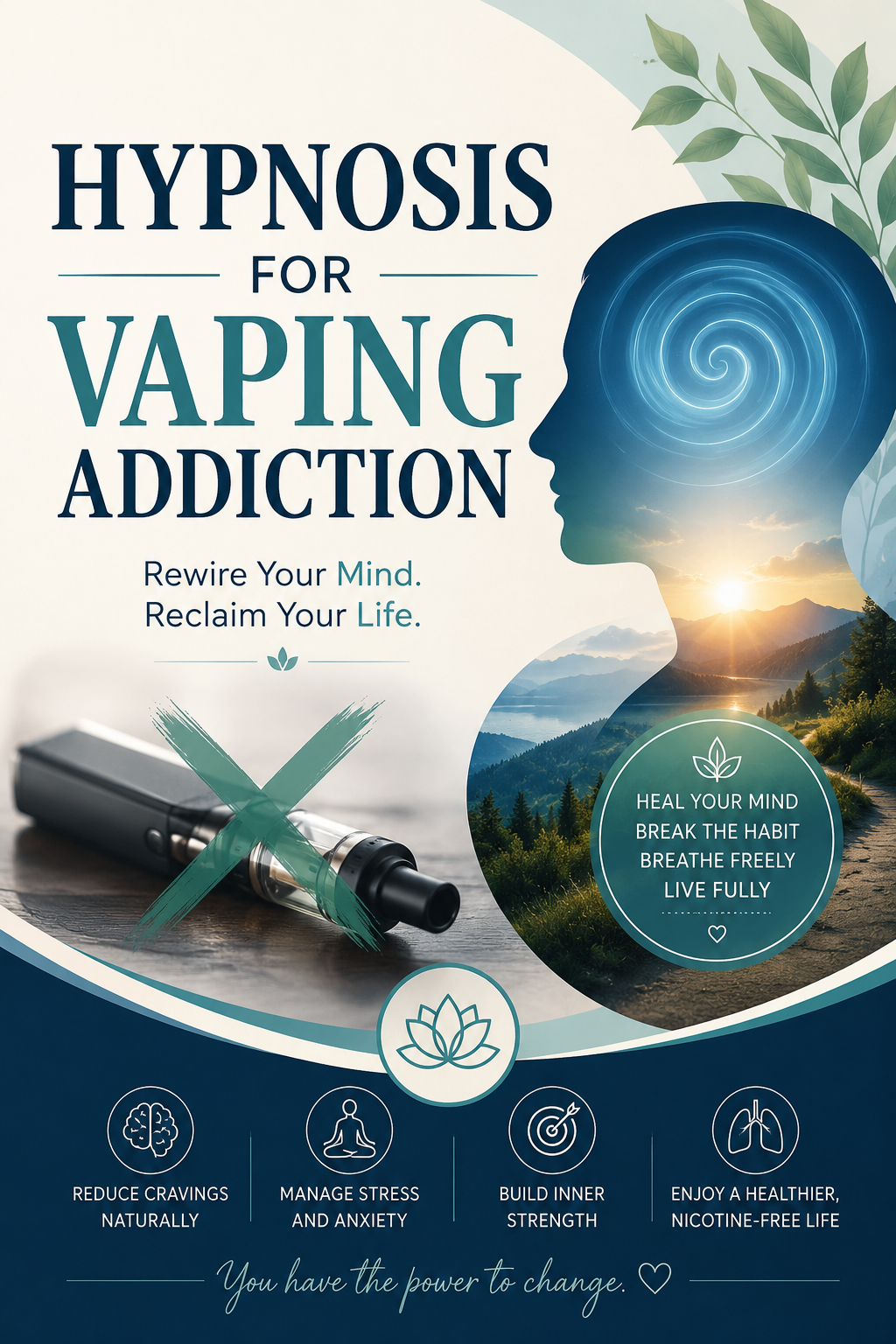
Vaping addiction has become an increasing public health concern, particularly among adolescents and young adults who may underestimate the addictive effects of nicotine-containing electronic cigarettes. Although many individuals attempt to quit vaping, cravings, stress, emotional triggers, and habitual behaviors often make long-term cessation difficult. As a result, interest in complementary and alternative approaches to addiction … Read more

Find Effective Addiction Treatment

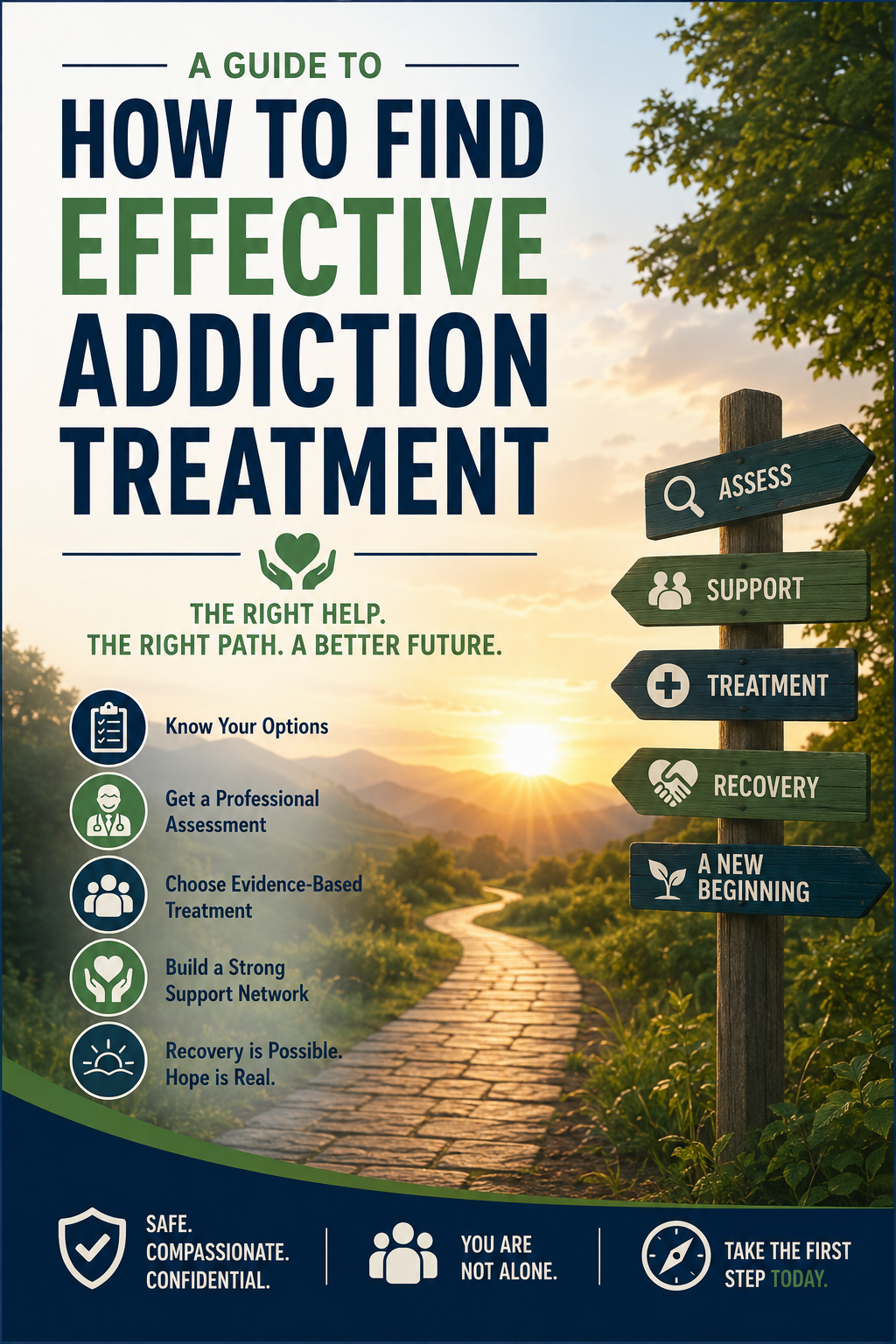
Finding effective addiction treatment is one of the most important decisions a person can make on the path to recovery. Because substance use disorder is a chronic but treatable medical condition, successful treatment involves much more than simply stopping drug or alcohol use. Effective care addresses the physical, emotional, psychological, and social factors that contribute … Read more

Spotting Drug Abuse in Children

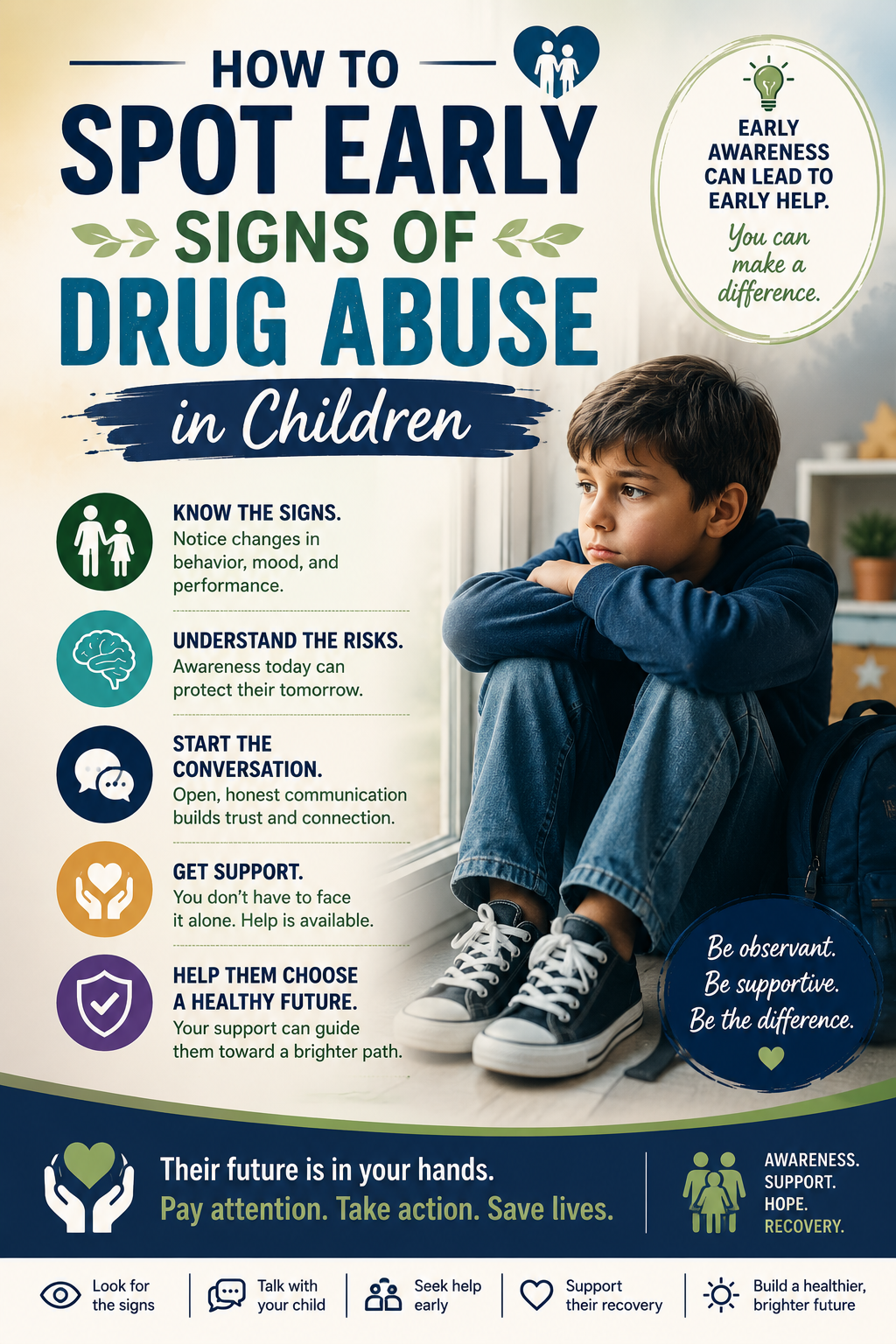
Spotting the early signs of drug abuse in children and adolescents is one of the most effective ways to prevent substance use from developing into a more serious disorder. Drug use often begins with subtle changes in behavior, emotions, academic performance, physical health, or social relationships that may be mistaken for normal developmental challenges. While … Read more

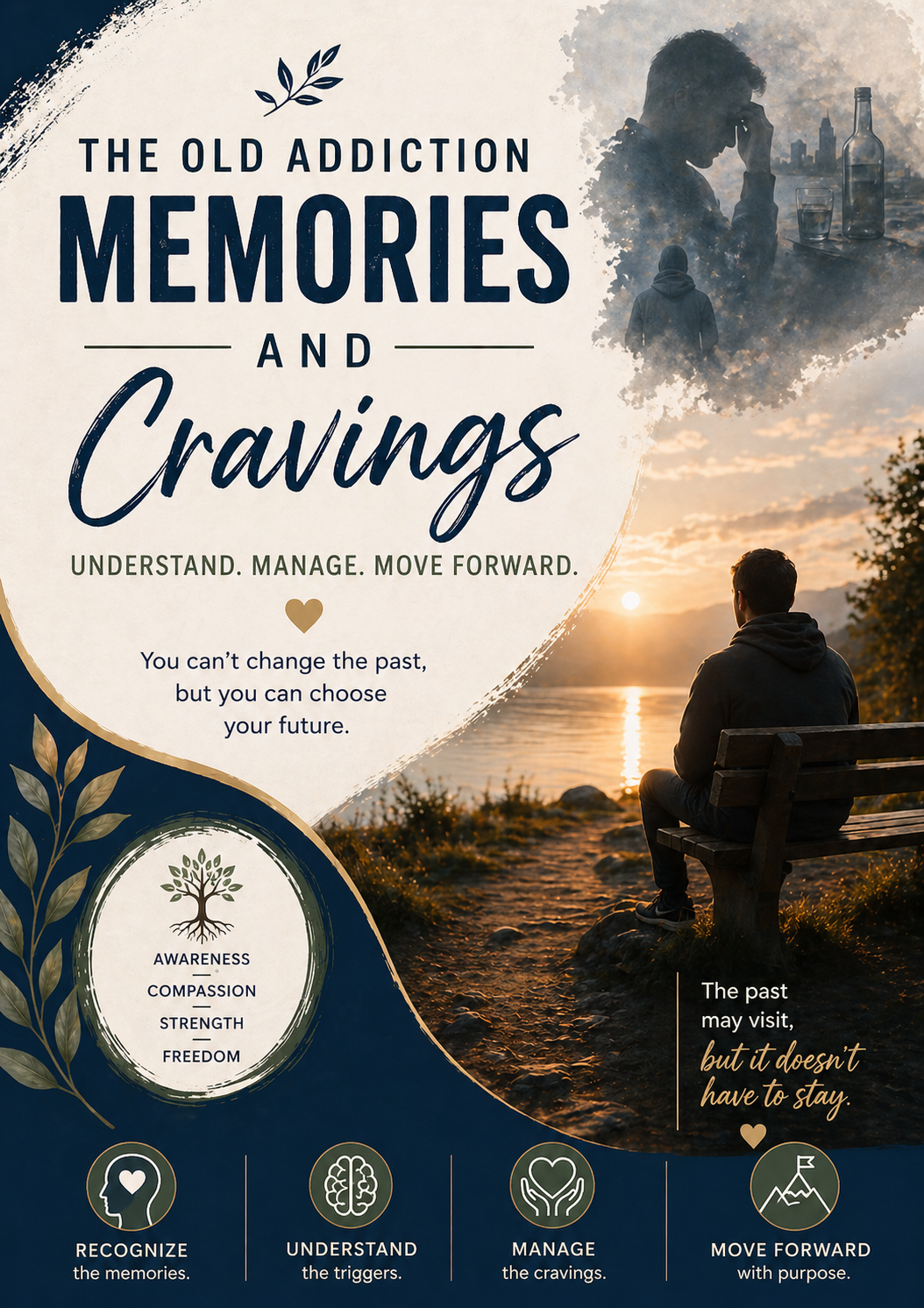
Old Addiction Memories and Cravings

Old addiction memories and cravings are a common and often unexpected part of the recovery journey. Even after prolonged periods of sobriety, certain thoughts, emotions, or environments can trigger vivid recollections of past substance use, sometimes accompanied by strong urges. These experiences are rooted in the brain’s ability to form lasting associations between substances and … Read more

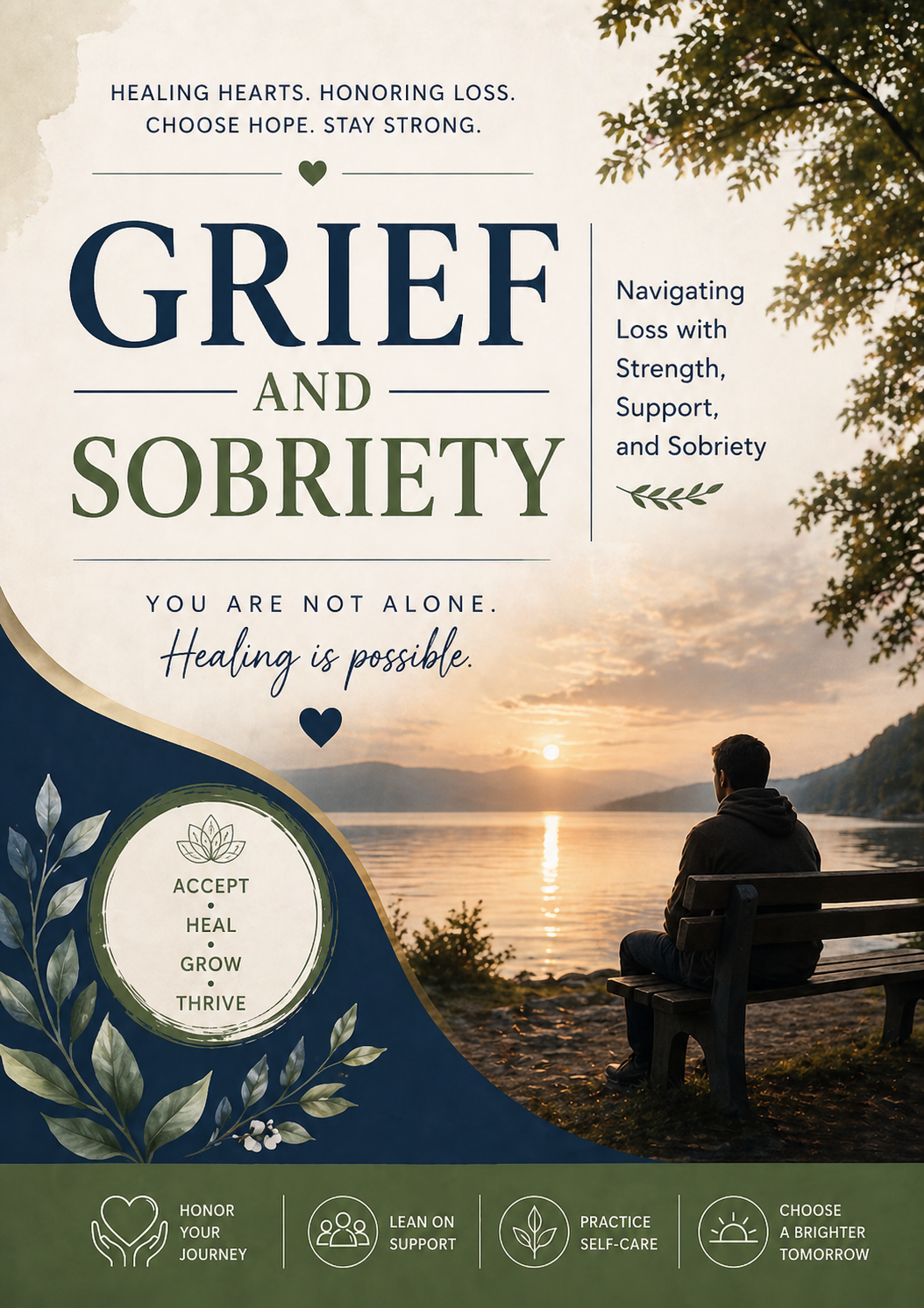
Navigating Grief and Sobriety

Grief and sobriety are two powerful experiences that can intersect in deeply complex ways. Loss often brings intense emotions such as sadness, anger, guilt, and confusion—feelings that may have previously been managed or avoided through substance use. In sobriety, individuals are faced with the challenge of experiencing grief fully, without the option of numbing or … Read more

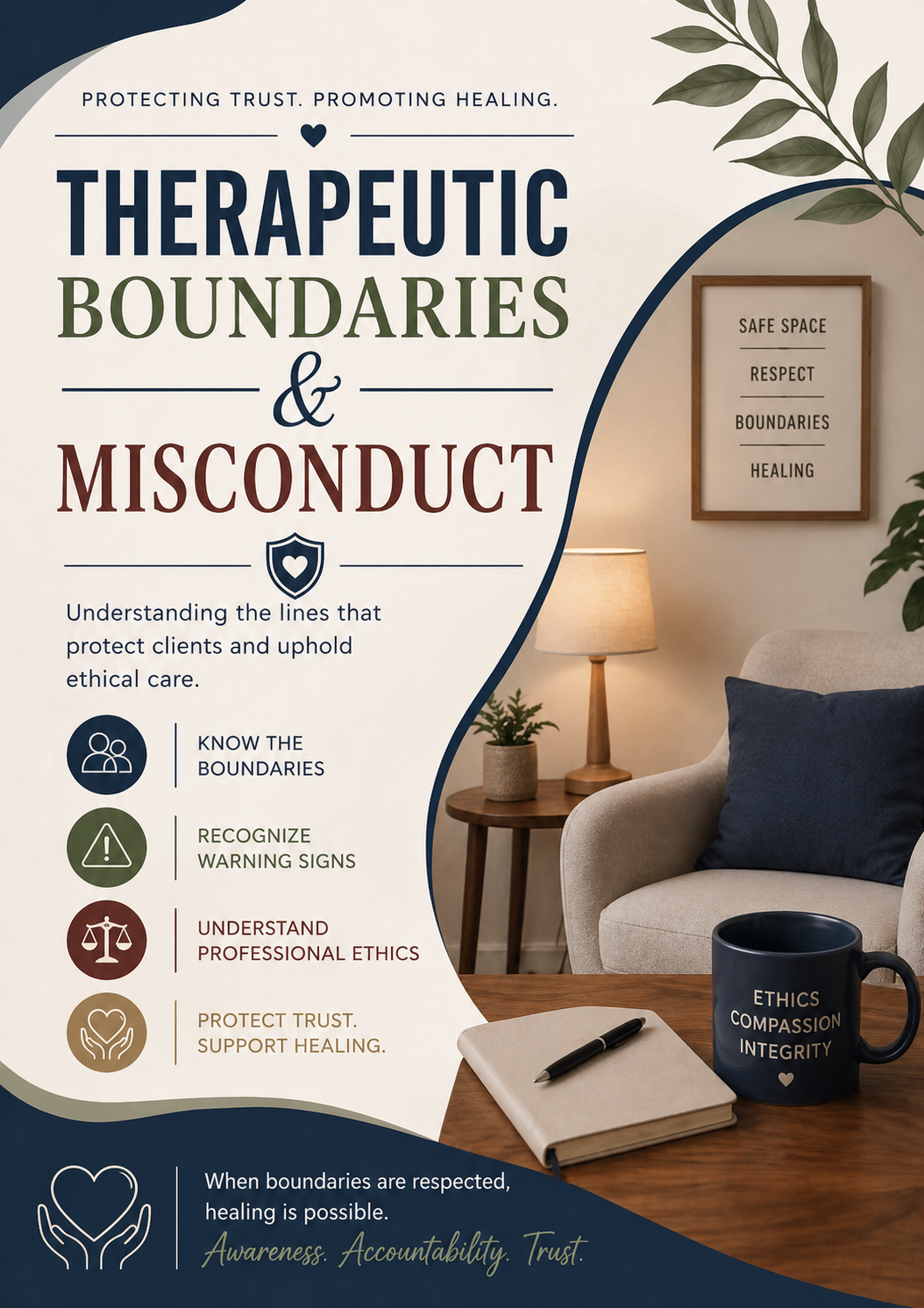
Therapeutic Boundary and Misconduct

Therapeutic boundaries are the foundation of safe, ethical, and effective mental health care. They define the professional limits within the therapist-client relationship, ensuring that interactions remain focused on the client’s well-being. Because therapy often involves vulnerability, trust, and emotional openness, maintaining clear boundaries is essential to protect clients from harm and preserve the integrity of … Read more

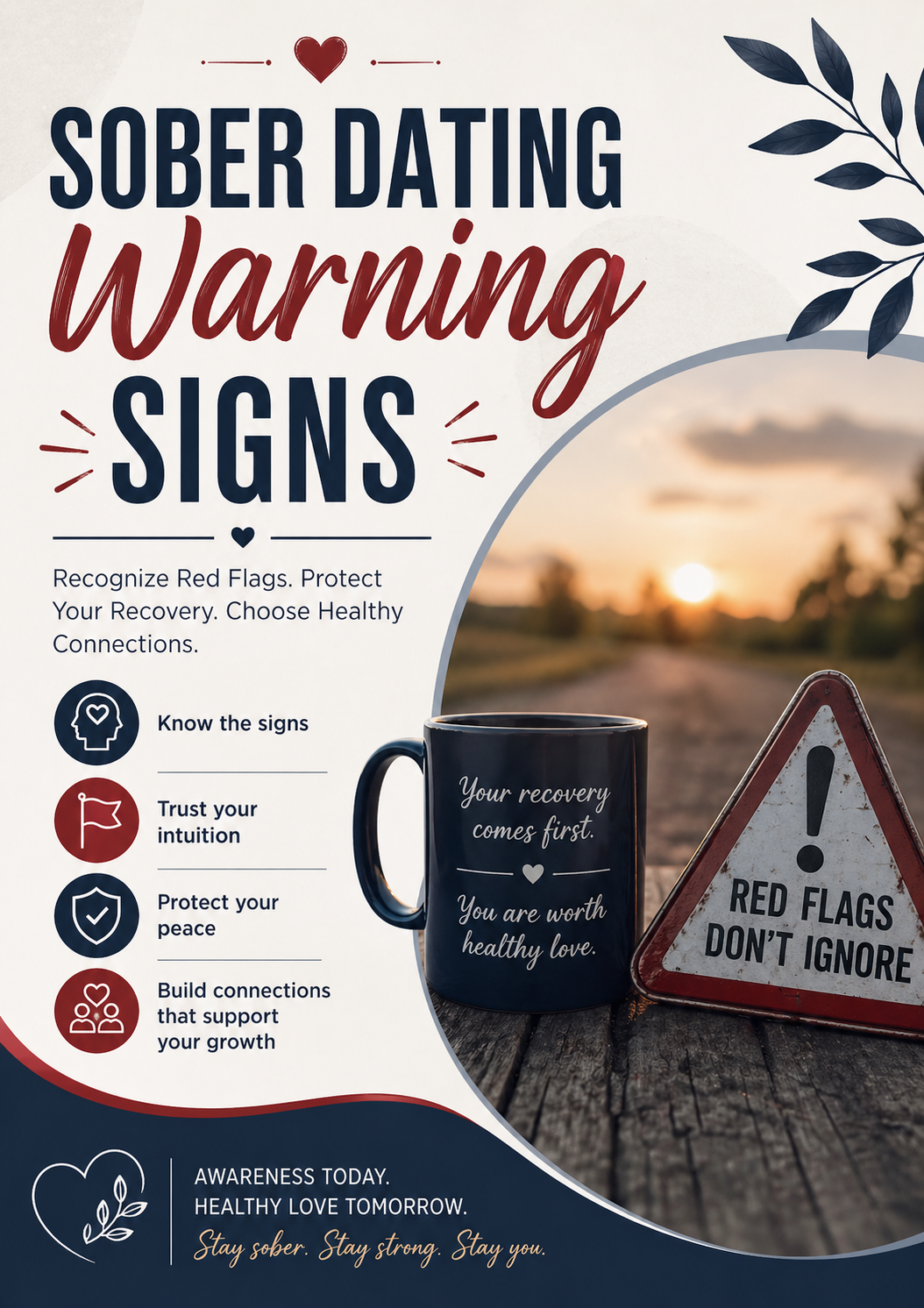
Sober Dating Warning Signs

Sober dating brings a level of clarity that can be both empowering and challenging. Without the influence of substances, emotions, behaviors, and relationship dynamics become more visible—making it easier to identify both healthy connections and potential risks. For individuals in recovery, recognizing warning signs early is especially important, as relationships can significantly impact emotional stability … Read more