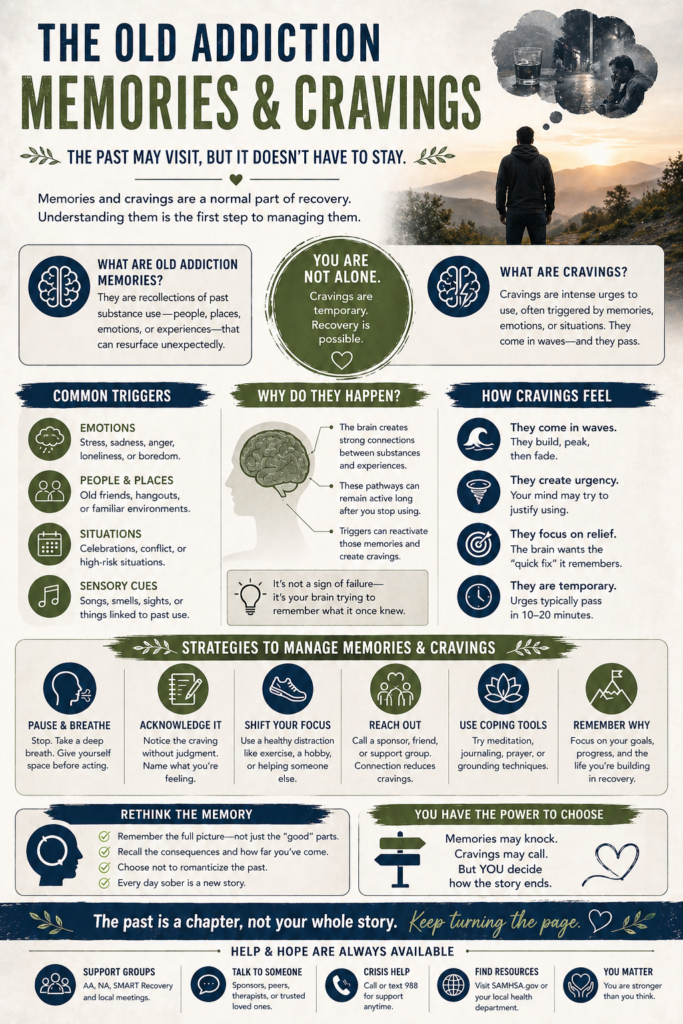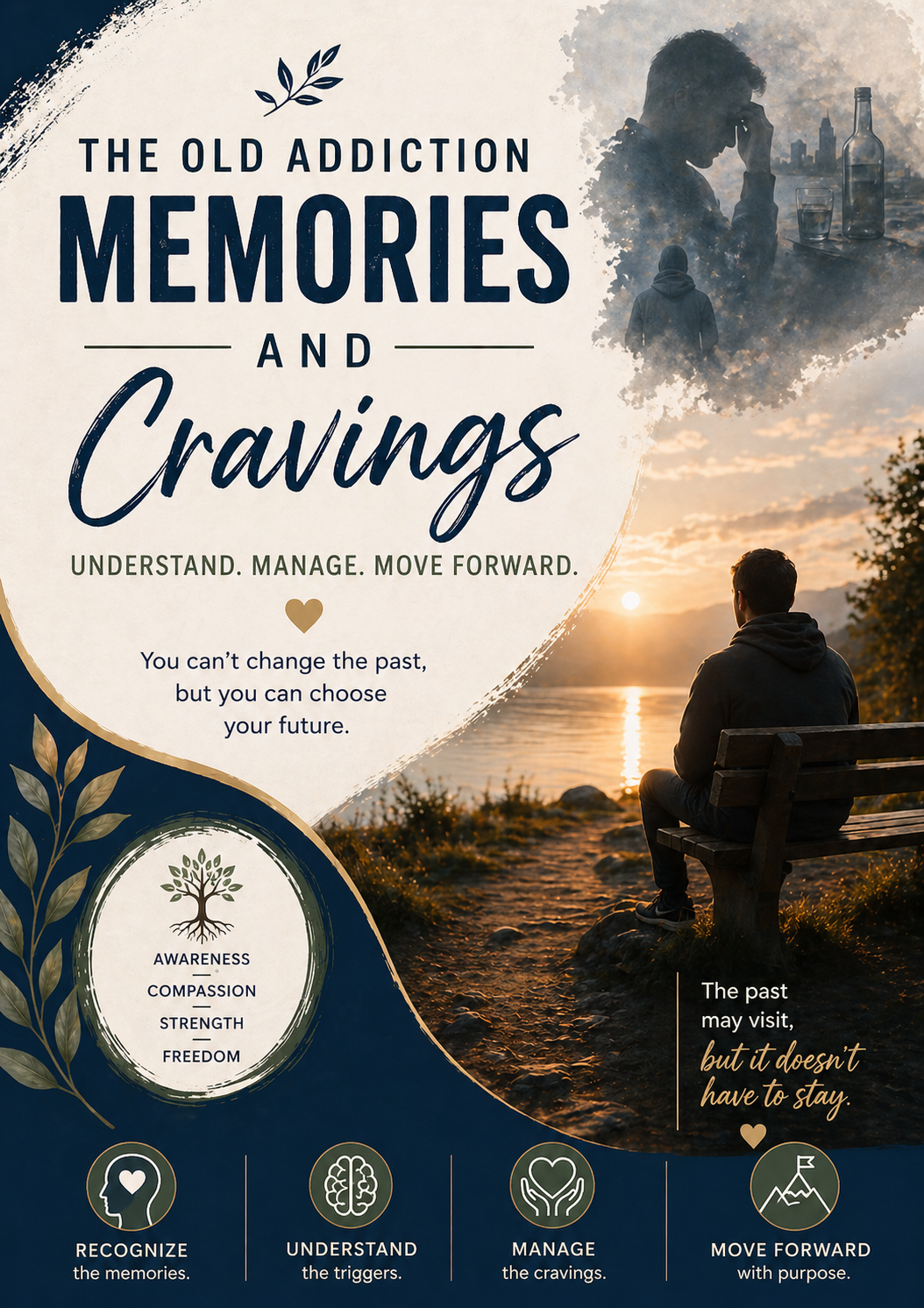
Old addiction memories and cravings are a common and often unexpected part of the recovery journey. Even after prolonged periods of sobriety, certain thoughts, emotions, or environments can trigger vivid recollections of past substance use, sometimes accompanied by strong urges. These experiences are rooted in the brain’s ability to form lasting associations between substances and specific feelings or situations. While they can feel discouraging or confusing, they do not indicate failure. Instead, they reflect the lingering effects of learned behaviors and neural pathways. Understanding why these memories and cravings occur is an important step in responding to them with awareness and control.
Echoes of the Past: Understanding Old Addiction Memories and Cravings
Recovery is not just about stopping substance use—it’s about learning how to navigate the memories, emotions, and triggers that remain. Even after long periods of sobriety, old addiction memories can resurface unexpectedly, often bringing cravings with them. These experiences can feel confusing or discouraging, but they are a normal part of the recovery process. Understanding why they happen and how to respond is key to maintaining long-term sobriety.
Why Old Memories Trigger Cravings
The brain forms strong associations between substances and certain people, places, emotions, or routines. This is part of how habits are built. Over time, these associations become deeply embedded in memory.
When something reminds you of past substance use—such as a song, location, or emotional state—it can activate those neural pathways. This can create a sudden urge or craving, even if you have no intention of returning to use.
Importantly, these cravings are not a sign of failure—they are a reflection of how the brain learns and remembers.
The Role of Conditioning
Addiction often involves conditioning, where the brain links substance use with relief, pleasure, or escape. For example:
- Stress may be linked to drinking
- Social settings may be tied to substance use
- Certain emotions may trigger urges
Even after stopping use, these learned connections can remain. When triggered, the brain may “expect” the substance, leading to cravings.
Emotional Memory and Nostalgia
Sometimes cravings are not just physical—they are emotional. You may remember the “good” parts of substance use while overlooking the negative consequences. This selective memory can create a sense of nostalgia or longing.
This is sometimes called “romanticizing the past,” and it can make cravings feel more appealing than they actually are.
Recognizing Triggers
A key step in managing cravings is identifying their triggers. Common triggers include:
- Stress, anxiety, or sadness
- Celebrations or social events
- Specific environments or people
- Boredom or loneliness
Recognizing patterns helps you prepare and respond more effectively when cravings arise.
Cravings Are Temporary
One of the most important things to understand is that cravings do not last forever. They often come in waves, rising and falling over time.
When a craving hits:
- Pause and observe it without acting
- Remind yourself that it will pass
- Focus on getting through the moment
This approach reduces the power cravings have over your behavior.
Rewiring the Brain Through New Habits
Recovery involves creating new associations that replace old ones. Over time, the brain can “rewire” itself through consistent, healthy behaviors.
Examples include:
- Exercising when stressed instead of using substances
- Reaching out to a friend instead of isolating
- Practicing mindfulness instead of reacting impulsively
The more these new patterns are repeated, the stronger they become.
Using Coping Strategies in the Moment
When cravings are triggered by old memories, having a plan can make a big difference. Helpful strategies include:
- Grounding techniques: Focus on your surroundings to stay present
- Distraction: Engage in an activity like walking or listening to music
- Connection: Talk to someone you trust
- Reflection: Remind yourself why you chose sobriety
These tools help shift your focus away from the urge and back to your goals.
Strengthening Awareness Without Fear
It’s important not to fear cravings or memories. Trying to suppress them can sometimes make them stronger. Instead, approach them with curiosity and awareness:
- “What triggered this?”
- “What am I feeling right now?”
- “What do I need in this moment?”
This mindset turns cravings into opportunities for understanding rather than threats.
The Importance of Support
You don’t have to manage cravings alone. Support systems—such as therapists, sponsors, or recovery groups—can provide guidance and reassurance.
Sharing your experience can:
- Normalize what you’re going through
- Provide new coping strategies
- Reduce feelings of isolation
A Sign of Growth, Not Weakness
Experiencing old addiction memories and cravings does not mean you’re going backward. In many ways, it reflects that you are engaging honestly with your recovery.
Each time you face a craving without acting on it, you strengthen your resilience and reinforce new pathways in the brain.
Moving Forward With Confidence
Recovery is not about erasing the past—it’s about learning how to live with it in a healthier way. Old memories may surface, but they do not control your choices.
By understanding the nature of cravings, recognizing triggers, and using effective coping strategies, you can navigate these moments with confidence. Over time, their intensity often fades, replaced by a stronger sense of control, clarity, and commitment to your recovery journey.
Mastering the Mind: Self-Management Strategies for Old Addiction Memories and Cravings
Recovery is not just about avoiding substances—it’s about learning how to navigate the thoughts, memories, and urges that can resurface over time. Old addiction memories and cravings can appear suddenly, often triggered by emotions, environments, or past experiences. While these moments can feel intense, they are manageable. Developing self-management strategies allows you to understand these experiences, respond effectively, and maintain control over your recovery.
Understanding Self-Management in Recovery
Self-management is the ability to monitor your internal experiences—thoughts, emotions, and physical sensations—and respond in ways that support your long-term goals. In the context of addiction recovery, this means recognizing cravings and memories without automatically reacting to them.
Instead of being overwhelmed, self-management helps you step back and make intentional choices.
Building Awareness of Triggers
The first step in managing cravings is understanding what triggers them. Triggers can be:
- Emotional (stress, sadness, excitement)
- Environmental (places, music, people)
- Situational (celebrations, conflict, boredom)
Keeping track of when cravings occur—through journaling or reflection—can help you identify patterns. Awareness turns unexpected urges into predictable events you can prepare for.
Recognizing Thought Patterns
Old addiction memories often come with specific thought patterns, such as:
- “It wasn’t that bad.”
- “One time won’t hurt.”
- “I deserve a break.”
Self-management involves challenging these thoughts by asking:
- Is this realistic?
- What happened the last time I used it?
- How will I feel afterward?
This process helps replace impulsive thinking with rational decision-making.
Practicing the Pause Technique
Cravings often feel urgent, but they don’t require immediate action. The pause technique is a simple but powerful tool:
- Stop and take a breath
- Notice what you’re feeling
- Give yourself time before responding
This pause creates space between the urge and your reaction, allowing you to choose a healthier response.
Managing Emotional Responses
Cravings are often tied to emotions rather than the substance itself. Learning to regulate emotions is key. Strategies include:
- Deep breathing or grounding exercises
- Naming the emotion you’re experiencing
- Engaging in calming activities like walking or listening to music
When emotions are managed, the intensity of cravings often decreases.
Reframing Addiction Memories
The brain may highlight the “positive” aspects of past substance use while minimizing the negative consequences. Self-management includes consciously reframing these memories:
- Recall the full picture, including negative outcomes
- Remind yourself why you chose recovery
- Focus on the progress you’ve made
This helps reduce the emotional pull of nostalgic or romanticized memories.
Creating a Response Plan
Having a plan in place before cravings occur increases your ability to handle them. A response plan might include:
- Calling a trusted person
- Leaving a triggering environment
- Engaging in a specific activity (exercise, journaling)
- Using a grounding or mindfulness technique
Preparation reduces the likelihood of impulsive decisions.
Strengthening New Habits
Recovery involves building new patterns that replace old ones. Each time you respond to a craving in a healthy way, you reinforce new neural pathways.
Examples include:
- Turning to connection instead of isolation
- Choosing self-care instead of avoidance
- Practicing mindfulness instead of reacting impulsively
Over time, these habits become more automatic.
Checking in With Yourself Regularly
Self-management is an ongoing process. Regular check-ins can help you stay aware of your progress and challenges:
- How often am I experiencing cravings?
- What situations increase my risk?
- Am I maintaining my recovery routines?
These reflections allow you to adjust your strategies as needed.
Using Support as a Strategy
Self-management does not mean doing everything alone. Reaching out to a sponsor, therapist, or support group is an active and important strategy—not a sign of weakness.
Support systems provide:
- Perspective and reassurance
- Accountability
- Additional coping tools
Building Confidence Through Practice
Managing cravings becomes easier with practice. Each time you successfully navigate an urge, you build confidence in your ability to stay sober.
Over time, cravings often become less frequent and less intense, and your response becomes more automatic and controlled.
A Stronger, More Intentional Recovery
Old addiction memories and cravings are part of the recovery journey—but they do not define it. With effective self-management strategies, you can understand these experiences without being controlled by them.
By staying aware, preparing for triggers, and responding with intention, you transform cravings from moments of risk into opportunities for growth. In doing so, you strengthen not only your sobriety but also your confidence, resilience, and long-term success in recovery.
Stronger Together: Family Support Strategies for Understanding Old Addiction Memories and Cravings
Recovery doesn’t erase the past—it reshapes how individuals respond to it. Old addiction memories and cravings can resurface unexpectedly, even after long periods of sobriety. For families, this can be confusing or even alarming. However, these experiences are a normal part of recovery. With the right understanding and approach, family support can play a powerful role in helping loved ones navigate these moments safely and confidently.
Why Family Support Matters
Cravings and memory triggers are often internal experiences, but their impact can be influenced by the surrounding environment. Families who are informed and supportive can help reduce stress, reinforce healthy coping, and create a sense of stability.
Rather than reacting with fear or frustration, families who understand the process can respond with calm, reassurance, and encouragement—all of which support long-term recovery.
Understanding Addiction Memories and Cravings
Before offering support, it’s important for families to understand what’s happening. Addiction memories are tied to learned associations in the brain—connections between substances and certain emotions, places, or experiences.
When triggered, these memories can create cravings. This doesn’t mean the person wants to relapse—it means their brain is responding to past conditioning. Recognizing this helps families avoid taking cravings personally or interpreting them as failure.
Creating a Safe and Nonjudgmental Environment
One of the most effective strategies is fostering a space where your loved one feels safe talking about cravings. This means:
- Listening without panic or criticism
- Avoiding statements like “I thought you were over that.”
- Responding with understanding rather than fear
When individuals feel judged, they may hide their struggles. Openness encourages honesty and early intervention.
Encouraging Open Communication
Families can support by inviting conversation in a gentle, non-intrusive way:
- “How have you been feeling lately?”
- “Have you had any tough moments recently?”
These questions create opportunities for your loved one to share without feeling pressured. Communication helps bring internal struggles into a space where they can be supported.
Recognizing Triggers Together
Families can help identify patterns by observing situations that may lead to cravings, such as:
- Stressful events or emotional conflicts
- Specific places or social settings
- Times of isolation or boredom
By recognizing triggers together, families and individuals can plan ahead and reduce risk.
Supporting Healthy Coping Strategies
Encouraging positive coping mechanisms is key. Families can:
- Suggest activities like walking, cooking, or creative hobbies
- Offer to spend time together during difficult moments
- Support routines that promote stability
Participating in these activities together can make them more effective and strengthen the connection.
Avoiding Overreaction or Control
It’s natural to feel concerned when a loved one experiences cravings, but overreacting can increase pressure and anxiety. Avoid:
- Trying to control their behavior
- Constantly monitoring or questioning them
- Responding with panic
Instead, focus on being a steady, supportive presence. Trust and calmness are more helpful than control.
Reinforcing Progress and Strength
When a loved one talks about cravings or successfully manages them, acknowledge their effort:
- “I’m really proud of how you handled that.”
- “It takes strength to talk about this.”
Positive reinforcement builds confidence and encourages continued honesty.
Encouraging Use of External Support
Family support is important, but it should not replace professional or peer support. Encourage your loved one to stay connected to:
- Recovery groups
- Sponsors or mentors
- Therapists or counselors
These resources provide specialized guidance and reduce pressure on family relationships.
Taking Care of Yourself as a Family Member
Supporting someone in recovery can be emotionally demanding. Families should also:
- Set healthy boundaries
- Seek their own support if needed
- Practice self-care
When you are emotionally balanced, you can provide more effective and consistent support.
A Partnership in Recovery
Managing old addiction memories and cravings is not something individuals have to face alone. With informed, compassionate family support, these moments can become opportunities for growth rather than setbacks.
By creating a safe environment, encouraging open communication, and supporting healthy coping, families become an essential part of the recovery process. Together, you can navigate the challenges of the past while building a stronger, more resilient future.
Stronger Through Connection: Community Resource Strategies for Understanding Old Addiction Memories and Cravings
Old addiction memories and cravings can resurface unexpectedly, even after long periods of sobriety. These experiences are often rooted in learned behaviors and emotional associations, making them a normal—but sometimes challenging—part of recovery. While personal coping skills and family support are important, community resources provide a broader network of education, shared experience, and practical tools. Engaging with these resources can help individuals better understand cravings and respond to them in healthier, more sustainable ways.
Why Community Resources Matter
Recovery thrives in connection, not isolation. Community resources offer a space where individuals can learn from others, gain perspective, and feel supported during difficult moments. When it comes to understanding addiction memories and cravings, community support helps normalize the experience and reduce feelings of shame or confusion.
These resources provide:
- Shared knowledge and lived experiences
- Ongoing encouragement and accountability
- Access to tools and strategies for managing triggers
Being part of a community reinforces the idea that cravings are manageable and temporary.
Learning Through Peer Support Groups
Peer support groups—such as 12-step programs or other recovery meetings—are among the most effective community resources. In these settings, individuals openly discuss challenges, including cravings and triggers.
Benefits include:
- Hearing how others handle similar situations
- Learning to recognize patterns in behavior and thinking
- Gaining reassurance that cravings are a common experience
This shared understanding can make cravings feel less isolating and more manageable.
Accessing Educational Programs and Workshops
Many communities offer workshops or educational sessions focused on addiction and recovery. These programs often cover:
- The science behind cravings and memory
- Trigger identification and prevention
- Coping strategies for high-risk situations
Structured learning helps individuals move from simply experiencing cravings to understanding them, which increases confidence and control.
Utilizing Counseling and Recovery Services
Community-based counseling services provide professional guidance for managing addiction memories and cravings. Therapists and recovery specialists can help individuals:
- Explore underlying emotional triggers
- Reframe addictive thought patterns
- Develop personalized coping strategies
These services offer a deeper level of support and can complement peer-based approaches.
Leveraging Online Recovery Communities
Digital platforms have expanded access to community resources. Online forums, virtual meetings, and recovery apps allow individuals to connect at any time, especially during moments of vulnerability.
These tools are useful for:
- Immediate support when cravings arise
- Accessing diverse perspectives and advice
- Maintaining connection when in-person options are limited
However, it’s important to choose supportive and evidence-based communities.
Recognizing Patterns Through Shared Experiences
One of the greatest strengths of community resources is the ability to identify patterns. When multiple people describe similar triggers—such as stress, certain environments, or emotional states—it becomes easier to recognize those patterns in your own life.
This awareness helps transform cravings from unpredictable events into manageable situations.
Encouraging Consistent Engagement
Regular participation in community resources strengthens recovery. Consistency helps:
- Build trust and connection
- Reinforce healthy coping strategies
- Provide ongoing accountability
Even during stable periods, staying connected ensures support is already in place when challenges arise.
Overcoming Barriers to Access
Some individuals may face barriers such as stigma, lack of transportation, or limited awareness of available resources. Strategies to overcome these challenges include:
- Exploring virtual or hybrid support options
- Seeking referrals from healthcare providers
- Connecting with local community centers or nonprofits
Expanding access to resources is key to making support more inclusive.
Balancing Community Support With Personal Growth
While community resources are valuable, they work best when combined with personal reflection and self-management. Individuals should feel empowered to:
- Choose resources that align with their needs
- Set boundaries within group settings
- Integrate community support with their own coping strategies
This balance ensures that support enhances independence rather than replacing it.
A Connected Path to Lasting Recovery
Understanding old addiction memories and cravings becomes much easier when you are not navigating them alone. Community resources provide the knowledge, connection, and support needed to face these challenges with confidence.
By engaging with these resources, individuals can transform cravings from moments of vulnerability into opportunities for growth. In a supportive community, recovery becomes not just an individual effort—but a shared journey toward resilience, stability, and long-term success.
Frequently Asked Questions
Here are some common questions:
1. What are old addiction memories?
Old addiction memories are mental recollections of past substance use—people, places, emotions, or experiences—that can resurface unexpectedly, even after long periods of sobriety.
2. Why do these memories trigger cravings?
The brain forms strong associations between substances and certain experiences. When something reminds you of the past, it can activate those connections, leading to cravings.
3. Does having cravings mean I want to relapse?
No. Cravings are biological and psychological responses, not conscious decisions. They do not mean you want to use—they simply reflect how the brain remembers past behavior.
4. How long do cravings usually last?
Cravings are typically temporary. Most last anywhere from a few minutes to about 20–30 minutes, though they may feel longer in the moment.
5. What are common triggers for old addiction memories?
Common triggers include:
- Stress or strong emotions
- Certain people or places
- Music, smells, or environments
- Celebrations or social situations
- Boredom or loneliness
6. Why do I sometimes remember the “good” parts of using?
This is called romanticizing the past. The brain may highlight pleasurable memories while minimizing negative consequences, which can make cravings feel more appealing.
7. Can these memories ever go away completely?
They may not disappear entirely, but over time, they usually become less frequent and less intense as new habits and coping strategies develop.
8. What should I do when a craving hits?
Try:
- Pausing and taking deep breaths
- Reminding yourself that the urge will pass
- Distracting yourself with an activity
- Reaching out to someone you trust
9. Is it better to ignore cravings or face them?
Facing them with awareness is more effective. Ignoring or suppressing cravings can make them stronger, while acknowledging them helps reduce their intensity.
10. How can I prevent cravings from getting stronger?
- Identify and avoid high-risk triggers when possible
- Maintain healthy routines
- Practice coping strategies regularly
- Stay connected to support systems
11. Are cravings stronger in early recovery?
Yes. Cravings tend to be more frequent and intense in early recovery but often decrease over time with consistent coping and support.
12. Can stress make cravings worse?
Absolutely. Stress is one of the most common triggers because substances were often used in the past as a way to cope with it.
13. How can I reframe addiction memories?
- Remember the full picture, not just the “good” parts
- Reflect on the consequences of past use
- Focus on the progress you’ve made
14. When should I seek extra help for cravings?
If cravings are frequent, intense, or overwhelming, it’s important to reach out to a therapist, sponsor, or support group for additional guidance.
15. Can managing cravings make my recovery stronger?
Yes. Each time you successfully navigate a craving, you build resilience, confidence, and stronger coping skills—reinforcing your long-term recovery.
Conclusion
Ultimately, learning to navigate old addiction memories and cravings is a key component of long-term recovery. Rather than trying to eliminate these experiences, individuals can develop strategies to manage them effectively—recognizing triggers, reframing thoughts, and relying on healthy coping mechanisms. With time and practice, cravings often become less intense and less frequent, while confidence in handling them grows stronger. By approaching these moments with understanding rather than fear, individuals can reinforce their resilience and maintain a steady path forward in recovery, transforming potential setbacks into opportunities for continued growth.
Video: This is why relapse happens even years later #recovery #addiction #sobriety