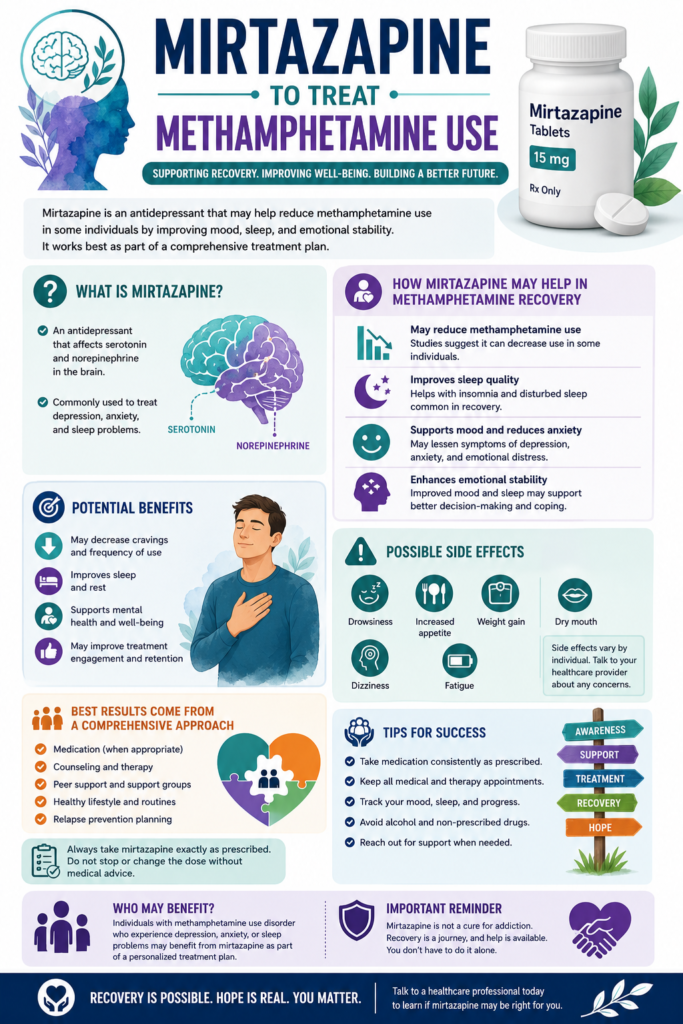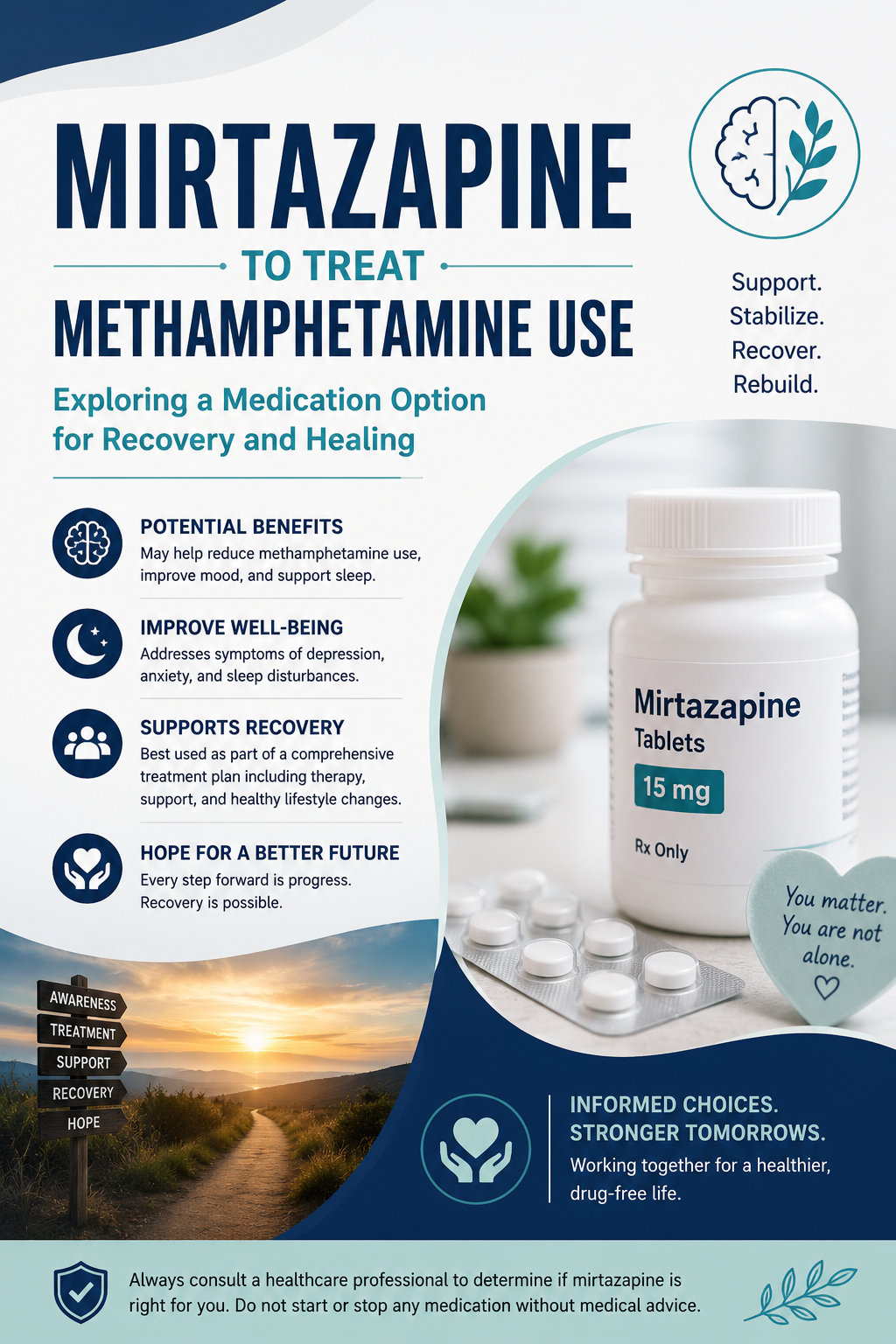
Methamphetamine use disorder is a complex and growing public health issue that affects mental, physical, and social well-being. People recovering from methamphetamine addiction often face persistent cravings, depression, anxiety, disrupted sleep, and emotional instability, all of which can make maintaining long-term recovery difficult. Because there are few approved medications specifically for treating stimulant use disorder, researchers continue to investigate new treatment options. Mirtazapine, an antidepressant commonly prescribed for depression and anxiety, has shown promise in studies for reducing methamphetamine use while improving sleep and emotional symptoms in some individuals. Learning about the potential role of Mirtazapine can help individuals, families, and healthcare providers make informed decisions about comprehensive, evidence-based approaches to methamphetamine recovery.
Mirtazapine for Methamphetamine Use Disorder: Exploring a Potential Treatment Approach
Methamphetamine use disorder remains a significant public health concern worldwide due to its association with addiction, psychiatric symptoms, physical health complications, and increased risk of overdose and infectious disease transmission. Despite the growing need for effective treatment, there are currently limited approved medications specifically designed to treat methamphetamine addiction. As researchers continue exploring pharmacological options, Mirtazapine has emerged as a medication of interest because of its potential effects on mood, sleep, cravings, and substance use behaviors. Understanding the possible role of Mirtazapine in methamphetamine treatment may help healthcare professionals and patients evaluate additional recovery support strategies.
Understanding Methamphetamine Use Disorder
Methamphetamine is a powerful stimulant that affects the central nervous system by increasing dopamine release in the brain. Repeated use may lead to:
- Intense cravings
- Dependence and addiction
- Anxiety and depression
- Sleep disturbances
- Cognitive impairment
- Psychosis and emotional instability
Recovery from methamphetamine addiction can be especially difficult because withdrawal symptoms often involve fatigue, depression, irritability, and strong psychological cravings.
What Is Mirtazapine?
Mirtazapine is an antidepressant commonly prescribed to treat major depressive disorder. It works differently from many other antidepressants by influencing norepinephrine and serotonin activity in the brain.
The medication is also known for:
- Improving sleep
- Reducing anxiety
- Increasing appetite
- Supporting mood stabilization
Because many individuals with methamphetamine use disorder experience depression, insomnia, and emotional distress, researchers have investigated whether Mirtazapine may provide additional benefits during recovery.
How Mirtazapine May Help Treat Methamphetamine Use
1. Reducing Methamphetamine Use
Some clinical studies suggest that Mirtazapine may help reduce methamphetamine use in certain populations. Researchers believe this effect may be related to improvements in mood, sleep quality, and emotional regulation.
Although results remain mixed, some participants receiving Mirtazapine reported lower rates of methamphetamine use compared to placebo groups.
2. Improving Sleep Disturbances
Sleep problems are common during methamphetamine withdrawal and recovery. Insomnia and disrupted sleep patterns can increase relapse risk and emotional distress.
Mirtazapine is known for its sedating effects, which may help individuals:
- Fall asleep more easily
- Improve sleep quality
- Reduce nighttime anxiety
Better sleep may contribute to improved emotional stability and recovery outcomes.
3. Managing Depression and Anxiety
Many individuals with stimulant addiction experience co-occurring mental health conditions such as depression and anxiety. These symptoms may worsen during withdrawal and increase relapse vulnerability.
As an antidepressant, Mirtazapine may help:
- Improve mood
- Reduce anxiety symptoms
- Support emotional regulation
- Increase treatment engagement
Mental health stabilization is often an important component of long-term recovery.
4. Supporting Recovery Motivation
Improved mood, reduced stress, and better sleep may help individuals remain engaged in counseling, behavioral therapies, and support programs.
Recovery success often depends on consistent participation in treatment and the ability to manage emotional challenges without returning to substance use.
Research Findings on Mirtazapine and Methamphetamine Use
Research investigating Mirtazapine for methamphetamine use disorder has shown promising but still limited findings. Some studies have reported:
- Reduced methamphetamine-positive drug tests
- Lower frequency of use
- Improved sleep and mood
- Better treatment retention
However, more large-scale clinical trials are needed to confirm effectiveness across broader populations.
Currently, Mirtazapine is not officially approved specifically for methamphetamine addiction treatment, but it may be prescribed off-label in some clinical situations.
Combining Medication with Behavioral Treatment
Medication alone is usually not sufficient for treating methamphetamine addiction. Comprehensive treatment often includes:
- Cognitive behavioral therapy (CBT)
- Contingency management
- Support groups
- Mental health counseling
- Lifestyle and recovery planning
Combining medication with behavioral therapies may improve long-term recovery outcomes.
Potential Side Effects of Mirtazapine
Like all medications, Mirtazapine may cause side effects, including:
- Drowsiness
- Increased appetite
- Weight gain
- Dry mouth
- Dizziness
- Fatigue
Individuals should discuss risks and benefits with qualified healthcare providers before beginning treatment.
Limitations and Considerations
Although Mirtazapine shows potential, several limitations remain:
- Research findings are still evolving
- Results may vary between individuals
- Medication does not address all behavioral factors related to addiction
- Recovery often requires long-term support and relapse prevention strategies
Healthcare providers must carefully evaluate each individual’s medical and psychiatric needs when considering treatment options.
Conclusion
Mirtazapine represents a promising area of research in the treatment of methamphetamine use disorder, particularly because of its potential effects on mood, sleep, anxiety, and substance use behaviors. While it is not currently a definitive or universally effective treatment for methamphetamine addiction, some evidence suggests it may support recovery when combined with comprehensive behavioral and psychological care.
Recovery from methamphetamine addiction is a complex process that requires medical support, emotional healing, and long-term lifestyle changes. Continued research into medications such as Mirtazapine may help expand treatment options and improve outcomes for individuals affected by stimulant use disorders.
Self-Management Strategies to Understand Mirtazapine for Treating Methamphetamine Use
Methamphetamine use disorder is a serious condition that affects physical health, emotional well-being, relationships, and daily functioning. Recovery from methamphetamine addiction often requires a combination of medical care, behavioral therapy, emotional support, and lifestyle changes. Because there are currently limited approved medications specifically for stimulant addiction, researchers have explored medications such as Mirtazapine as potential treatment options. Alongside medical treatment, self-management strategies can help individuals better understand their recovery process, strengthen coping skills, and improve long-term outcomes while using Mirtazapine as part of treatment.
Understanding Methamphetamine Use Disorder
Methamphetamine is a powerful stimulant that affects dopamine and other neurotransmitters in the brain. Repeated use may lead to:
- Addiction and dependence
- Intense cravings
- Anxiety and depression
- Sleep problems
- Mood instability
- Difficulty concentrating
Recovery can be challenging because withdrawal symptoms often involve emotional distress, fatigue, irritability, and strong psychological cravings.
The Importance of Self-Management in Recovery
Self-management refers to the ability to actively participate in one’s own recovery by monitoring behaviors, managing emotions, and developing healthy coping skills. In addiction recovery, self-management can help individuals:
- Recognize triggers
- Reduce relapse risk
- Improve treatment adherence
- Strengthen emotional resilience
- Build healthier daily routines
Combining self-management strategies with medical treatment may improve overall recovery success.
Self-Management Strategies for Understanding Mirtazapine in Recovery
1. Learn About the Medication
Understanding how Mirtazapine works can help individuals feel more informed and engaged in treatment. Learning about:
- Expected benefits
- Possible side effects
- Proper medication use
- Interactions with substances
may improve confidence and treatment participation.
Individuals should ask healthcare providers questions and follow medical instructions carefully.
2. Monitor Mood and Emotional Changes
Methamphetamine recovery often involves emotional ups and downs. Keeping track of mood changes while taking Mirtazapine may help individuals identify:
- Improvements in depression or anxiety
- Emotional triggers
- Stress patterns
- Warning signs of relapse
Mood journals or recovery tracking apps may support self-awareness and communication with healthcare providers.
3. Prioritize Healthy Sleep Habits
Sleep problems are common during stimulant withdrawal and recovery. Since Mirtazapine may improve sleep, individuals can strengthen these benefits by practicing healthy sleep routines such as:
- Maintaining regular sleep schedules
- Reducing screen time before bed
- Avoiding caffeine late in the day
- Practicing relaxation techniques
Improved sleep may reduce cravings and improve emotional stability.
4. Identify and Manage Triggers
Methamphetamine cravings are often connected to emotional stress, environments, or social situations. Self-management strategies can help individuals recognize triggers such as:
- Anxiety or loneliness
- Substance-using environments
- Conflict or stress
- Boredom
Developing coping plans for high-risk situations may strengthen relapse prevention efforts.
5. Build Healthy Coping Skills
Recovery involves replacing substance use with healthier coping methods. Helpful strategies may include:
- Exercise and physical activity
- Mindfulness or meditation
- Creative hobbies
- Support groups
- Counseling
- Journaling
Healthy coping skills may reduce emotional distress and improve long-term recovery outcomes.
6. Stay Engaged in Behavioral Treatment
Medication alone is usually not enough to treat methamphetamine addiction. Individuals may benefit from continuing:
- Cognitive behavioral therapy (CBT)
- Contingency management programs
- Peer support groups
- Mental health counseling
Self-management includes actively participating in treatment and applying learned coping skills in daily life.
7. Track Medication Side Effects
Like all medications, Mirtazapine may cause side effects such as:
- Drowsiness
- Increased appetite
- Weight gain
- Dry mouth
- Fatigue
Monitoring side effects and discussing concerns with healthcare providers may help improve medication safety and adherence.
8. Develop Long-Term Recovery Goals
Recovery is a gradual process that often requires patience and long-term planning. Setting realistic goals may improve motivation and emotional resilience.
Examples include:
- Maintaining sobriety milestones
- Improving physical health
- Rebuilding relationships
- Returning to school or work
- Strengthening mental wellness
Small successes can reinforce recovery progress and self-confidence.
Benefits of Combining Self-Management and Medication
When self-management strategies are combined with Mirtazapine treatment, individuals may experience:
- Better emotional awareness
- Improved treatment engagement
- Reduced stress and relapse risk
- Greater confidence in recovery
- Healthier lifestyle habits
Active participation in recovery often improves long-term stability and wellness.
Limitations and Considerations
Although Mirtazapine may help some individuals, it is not a guaranteed cure for methamphetamine addiction. Recovery outcomes vary depending on:
- Motivation for change
- Mental health conditions
- Social support
- Treatment participation
- Consistency in self-management practices
Individuals should work closely with healthcare professionals to develop safe and personalized treatment plans.
Conclusion
Mirtazapine may offer potential benefits for individuals recovering from methamphetamine use disorder, particularly in improving mood, sleep, and emotional stability. However, long-term recovery often requires more than medication alone. Self-management strategies such as trigger awareness, healthy coping skills, emotional monitoring, treatment participation, and lifestyle changes can strengthen recovery efforts and support lasting wellness.
Recovery from methamphetamine addiction is a gradual journey of healing, personal growth, and rebuilding healthy habits. By combining medical treatment with active self-management, individuals may develop greater resilience, emotional balance, and hope for long-term recovery success.
Family Support Strategies to Understand Mirtazapine for Treating Methamphetamine Use
Methamphetamine use disorder is a serious condition that affects emotional health, physical well-being, relationships, and daily functioning. Recovery from methamphetamine addiction often requires a combination of medical treatment, behavioral therapy, emotional support, and lifestyle changes. Because there are limited approved medications specifically for stimulant addiction, researchers and healthcare providers have explored medications such as Mirtazapine as possible treatment options. Family support can play an important role in helping individuals understand treatment, manage recovery challenges, and remain engaged in long-term healing while using Mirtazapine as part of care.
Understanding Methamphetamine Use Disorder
Methamphetamine is a powerful stimulant that affects dopamine and other neurotransmitters in the brain. Repeated use may lead to:
- Addiction and dependence
- Intense cravings
- Anxiety and depression
- Sleep disturbances
- Emotional instability
- Cognitive difficulties
Recovery from methamphetamine addiction can be especially difficult because withdrawal symptoms often include fatigue, irritability, emotional distress, and strong psychological cravings.
Why Family Support Matters in Recovery
Family involvement can significantly influence recovery outcomes. Supportive family environments may help individuals:
- Feel emotionally encouraged
- Stay engaged in treatment
- Reduce feelings of isolation
- Strengthen motivation for recovery
- Improve emotional stability
In contrast, conflict, criticism, or misunderstanding may increase stress and relapse risk. Families who understand addiction and treatment approaches can provide healthier and more supportive recovery environments.
Family Support Strategies for Understanding Mirtazapine in Recovery
1. Learn About Methamphetamine Addiction and Treatment
Families benefit from understanding that methamphetamine addiction is a medical and psychological condition rather than simply a lack of willpower. Learning about:
- Addiction recovery
- Withdrawal symptoms
- Mental health effects
- Medication-assisted treatment
can reduce stigma and improve empathy.
Education also helps families understand how Mirtazapine may support recovery.
2. Understand the Role of Mirtazapine
Families should understand that Mirtazapine is not a “cure” for addiction but may help manage symptoms such as:
- Depression
- Anxiety
- Sleep problems
- Emotional distress
Understanding the purpose of medication may improve support and reduce unrealistic expectations about recovery progress.
3. Encourage Medication Adherence
Consistent medication use is important for individuals prescribed Mirtazapine. Family members can help by:
- Encouraging healthy routines
- Supporting medical appointments
- Helping reduce treatment barriers
- Offering reminders when appropriate
Supportive encouragement should be balanced with respect for the individual’s independence and privacy.
4. Promote Healthy Sleep and Daily Routines
Sleep disturbances are common during methamphetamine recovery. Because Mirtazapine may improve sleep, families can help strengthen recovery by encouraging:
- Consistent sleep schedules
- Reduced household stress
- Healthy meals
- Physical activity
- Calm nighttime environments
Stable routines may improve emotional regulation and reduce relapse risk.
5. Practice Supportive Communication
Open and respectful communication is essential during addiction recovery. Family members can support healing by:
- Listening without judgment
- Avoiding criticism or shame
- Encouraging honesty
- Expressing empathy and patience
Positive communication may reduce stress and improve emotional safety within the home.
6. Recognize Emotional and Relapse Triggers
Families can help individuals identify triggers linked to methamphetamine cravings, such as:
- Stress or conflict
- Loneliness
- Substance-using peers
- Emotional distress
- Sleep deprivation
Understanding triggers allows families to support healthier coping strategies and recovery planning.
7. Encourage Participation in Behavioral Treatment
Medication alone is usually not enough to treat methamphetamine addiction. Families can encourage continued involvement in:
- Cognitive behavioral therapy (CBT)
- Support groups
- Counseling
- Recovery programs
- Mental health treatment
Behavioral therapies often strengthen long-term recovery outcomes when combined with medication.
8. Watch for Medication Side Effects
Families should be aware that Mirtazapine may cause side effects such as:
- Drowsiness
- Increased appetite
- Weight gain
- Fatigue
- Dry mouth
Encouraging communication with healthcare providers about side effects may improve medication safety and treatment success.
9. Support Long-Term Recovery Goals
Recovery is a gradual process that requires patience and encouragement. Families can support progress by recognizing:
- Sobriety milestones
- Emotional improvements
- Healthy lifestyle changes
- Treatment participation
- Personal achievements
Positive reinforcement may strengthen motivation and self-confidence.
Benefits of Family Support in Medication-Assisted Recovery
Strong family support may help individuals:
- Remain engaged in treatment
- Improve emotional stability
- Reduce stress and isolation
- Increase recovery motivation
- Develop healthier coping skills
Supportive family systems often contribute to stronger long-term recovery outcomes.
Limitations and Considerations
Although Mirtazapine may help some individuals, recovery outcomes vary depending on:
- Treatment participation
- Mental health conditions
- Social support
- Motivation for change
- Consistency in recovery efforts
Families should recognize that setbacks may occur and recovery often requires ongoing medical, emotional, and behavioral support.
Conclusion
Mirtazapine may offer potential benefits for individuals recovering from methamphetamine use disorder by helping improve mood, sleep, and emotional well-being. Family support strategies such as education, healthy communication, routine support, trigger awareness, and encouragement of behavioral treatment can strengthen recovery efforts and improve treatment engagement.
Recovery from methamphetamine addiction is a long-term process that involves healing emotional, physical, and social challenges. Through informed family involvement and compassionate support, individuals may feel more empowered to maintain recovery, develop healthier coping skills, and work toward long-term wellness and stability.
Community Resource Strategies to Understand Mirtazapine for Treating Methamphetamine Use
Methamphetamine use disorder continues to be a major public health challenge due to its effects on mental health, physical well-being, relationships, and community safety. Recovery from methamphetamine addiction often requires comprehensive treatment that includes medical care, behavioral therapy, emotional support, and long-term recovery planning. Because there are limited approved medications specifically for stimulant addiction, healthcare providers and researchers have explored medications such as Mirtazapine as possible treatment options. Community resources play an important role in helping individuals and families understand treatment approaches, access healthcare services, and strengthen long-term recovery outcomes while using Mirtazapine as part of care.
Understanding Methamphetamine Use Disorder
Methamphetamine is a powerful stimulant that affects dopamine and other neurotransmitters in the brain. Repeated use may lead to:
- Addiction and dependence
- Anxiety and depression
- Sleep disturbances
- Cognitive impairment
- Emotional instability
- Increased relapse risk
Recovery from stimulant addiction is often difficult because withdrawal symptoms may include fatigue, emotional distress, and strong psychological cravings.
The Importance of Community Resources in Recovery
Addiction recovery is often more successful when individuals have access to supportive community services. Community resources help individuals:
- Access healthcare and counseling
- Reduce social isolation
- Learn coping skills
- Strengthen recovery motivation
- Improve emotional well-being
Communities that provide education and treatment support may improve understanding of medications such as Mirtazapine and reduce stigma surrounding addiction treatment.
Community Resource Strategies for Understanding Mirtazapine in Recovery
1. Community Education Programs
Educational programs offered through:
- Public health agencies
- Community health centers
- Schools
- Addiction treatment organizations
- Mental health programs
can help individuals and families understand methamphetamine addiction, treatment options, and the role of medications such as Mirtazapine.
Education may reduce misconceptions about addiction and encourage treatment participation.
2. Access to Mental Health and Addiction Services
Many individuals with methamphetamine use disorder experience co-occurring mental health conditions such as depression, anxiety, or trauma-related disorders. Community resources can improve recovery by increasing access to:
- Counseling services
- Psychiatric care
- Medication management
- Behavioral therapy
- Dual-diagnosis treatment programs
Integrated treatment approaches may strengthen recovery outcomes and emotional stability.
3. Support Groups and Peer Recovery Programs
Peer support programs provide emotional encouragement, accountability, and shared recovery experiences. Community recovery groups may help individuals:
- Reduce feelings of isolation
- Learn coping strategies
- Discuss treatment experiences
- Build healthy relationships
Some support groups may also provide education about medication-assisted recovery and mental health management.
4. Healthcare Provider Collaboration
Community healthcare systems can improve recovery outcomes by encouraging collaboration between:
- Primary care providers
- Psychiatrists
- Addiction specialists
- Counselors
- Social workers
Coordinated care helps individuals receive comprehensive treatment and proper monitoring while taking Mirtazapine.
5. Housing and Social Support Services
Stable housing and social support are important protective factors during addiction recovery. Community organizations may assist individuals with:
- Transitional housing
- Employment services
- Food assistance
- Transportation
- Case management
Reducing environmental stress may improve treatment engagement and reduce relapse risk.
6. Recovery-Focused Wellness Programs
Community wellness initiatives may help individuals strengthen emotional and physical health through:
- Exercise programs
- Stress-management workshops
- Mindfulness training
- Nutrition education
- Creative therapies
Healthy lifestyle support may complement medication treatment and improve long-term wellness.
7. Public Awareness Campaigns
Public education campaigns can help communities better understand stimulant addiction and treatment options. Awareness programs may:
- Reduce stigma surrounding addiction
- Promote mental health education
- Encourage early intervention
- Improve understanding of medication-assisted care
Accurate information about medications such as Mirtazapine may help individuals feel more comfortable seeking treatment.
8. Online and Telehealth Recovery Resources
Digital resources can expand access to recovery support for individuals without local services. Helpful online tools may include:
- Telehealth counseling
- Virtual support groups
- Mental health education websites
- Recovery apps
- Medication management support
Online resources can help individuals remain connected to treatment and recovery communities.
Benefits of Community-Based Recovery Support
Community resources may help individuals:
- Stay engaged in treatment
- Improve emotional stability
- Build healthier routines
- Reduce relapse risk
- Strengthen coping skills
- Increase social support
Strong community involvement can create safer and more supportive recovery environments.
Limitations and Considerations
Although Mirtazapine may offer benefits for some individuals, it is not a guaranteed cure for methamphetamine addiction. Recovery outcomes depend on several factors, including:
- Treatment participation
- Mental health support
- Social environment
- Motivation for change
- Long-term recovery planning
Communities should promote balanced, evidence-informed education about medication-assisted treatment while encouraging comprehensive care.
Conclusion
Mirtazapine may provide potential benefits for individuals recovering from methamphetamine use disorder, particularly in improving mood, sleep, and emotional well-being. Community resource strategies such as education programs, mental health services, peer support groups, wellness initiatives, and public awareness campaigns can strengthen understanding of treatment and improve access to recovery support.
Recovery from methamphetamine addiction is a long-term process that involves medical care, emotional healing, and social support. By developing informed and supportive communities, individuals may feel more empowered to seek help, remain engaged in treatment, and work toward lasting recovery and improved quality of life.
Frequently Asked Questions
Here are some common questions:
1. What is Mirtazapine?
Mirtazapine is an antidepressant medication commonly prescribed to treat depression and anxiety. It also has effects that may improve sleep and emotional stability.
2. Why is Mirtazapine being studied for methamphetamine use disorder?
Researchers are exploring Mirtazapine because some studies suggest it may help reduce methamphetamine use, improve mood, decrease anxiety, and improve sleep during recovery.
3. Is Mirtazapine officially approved to treat methamphetamine addiction?
No. Mirtazapine is not specifically approved for methamphetamine use disorder. It may sometimes be prescribed “off-label” as part of a broader treatment plan.
4. How might Mirtazapine help during recovery?
Potential benefits may include:
- Improved sleep
- Reduced anxiety
- Better mood stabilization
- Lower emotional distress
- Possible reduction in methamphetamine use
These effects may help individuals stay engaged in treatment and recovery programs.
5. Can Mirtazapine reduce methamphetamine cravings?
Some research suggests it may help reduce cravings or frequency of use in certain individuals, although results vary and more research is still needed.
6. Does Mirtazapine help with sleep problems?
Yes. Mirtazapine is known for its sedating effects and may help individuals who experience insomnia or disrupted sleep during methamphetamine withdrawal and recovery.
7. Can Mirtazapine treat depression and anxiety during recovery?
Yes. Because it is an antidepressant, Mirtazapine may help improve symptoms of depression and anxiety that commonly occur in methamphetamine recovery.
8. Is medication alone enough to treat methamphetamine addiction?
No. Recovery usually requires a comprehensive approach that may include:
- Counseling
- Cognitive behavioral therapy (CBT)
- Support groups
- Mental health treatment
- Lifestyle changes
- Relapse prevention planning
Medication is often only one part of treatment.
9. What are the common side effects of Mirtazapine?
Common side effects may include:
- Drowsiness
- Increased appetite
- Weight gain
- Dry mouth
- Fatigue
- Dizziness
Individuals should discuss side effects with healthcare providers.
10. Is Mirtazapine addictive?
Mirtazapine is generally not considered addictive in the same way as stimulant drugs. However, it should still be used only under medical supervision.
11. How long does it take for Mirtazapine to work?
Some effects, such as improved sleep, may occur relatively quickly. Mood improvements and emotional stabilization may take several weeks.
12. Can everyone with methamphetamine use disorder take Mirtazapine?
No. Treatment decisions depend on individual medical history, mental health conditions, other medications, and healthcare provider evaluation.
13. What should individuals avoid while taking Mirtazapine?
Individuals should avoid:
- Using methamphetamine or other illicit substances
- Drinking alcohol excessively
- Changing medication doses without medical advice
Healthcare providers may also discuss potential medication interactions.
14. Can Mirtazapine improve emotional stability?
It may help improve emotional regulation by reducing symptoms of depression, anxiety, and sleep deprivation that can affect mood and decision-making.
15. What role do families play during treatment?
Families can support recovery by:
- Learning about addiction and treatment
- Encouraging treatment participation
- Providing emotional support
- Promoting healthy routines
- Helping reduce stress and isolation
16. Are support groups important during recovery?
Yes. Peer support groups and counseling programs may help individuals:
- Stay motivated
- Build coping skills
- Reduce isolation
- Strengthen accountability
- Learn relapse prevention strategies
17. Can Mirtazapine prevent relapse?
Medication alone cannot guarantee relapse prevention, but improving mood, sleep, and emotional stability may support long-term recovery efforts when combined with behavioral treatment.
18. What self-management strategies support recovery while taking Mirtazapine?
Helpful strategies may include:
- Keeping regular sleep schedules
- Monitoring mood changes
- Attending therapy appointments
- Exercising regularly
- Building healthy coping skills
- Avoiding high-risk environments
19. What should someone do if they experience side effects or worsening symptoms?
Individuals should contact their healthcare provider promptly if they experience severe side effects, worsening depression, suicidal thoughts, or other concerning symptoms.
20. What is the overall goal of using Mirtazapine in methamphetamine recovery?
The goal is to support emotional stability, improve sleep and mental health symptoms, reduce substance use behaviors, and strengthen participation in long-term recovery and behavioral treatment programs.
Conclusion
Mirtazapine represents a promising area of research in the treatment of methamphetamine use disorder, particularly because of its potential effects on mood stabilization, sleep improvement, anxiety reduction, and decreased substance use behaviors. Although it is not currently a definitive or universally effective treatment for methamphetamine addiction, some evidence suggests it may provide meaningful support when combined with behavioral therapy, counseling, and long-term recovery planning. Successful recovery from methamphetamine addiction often requires a comprehensive approach that addresses emotional, psychological, and social challenges in addition to substance use itself. Continued research and supportive treatment strategies may help improve recovery outcomes and provide individuals with greater opportunities for long-term healing, stability, and improved quality of life.
Video: One Pill Might Actually Help Meth Addiction #AddictionTreatment #MethRecovery #Science