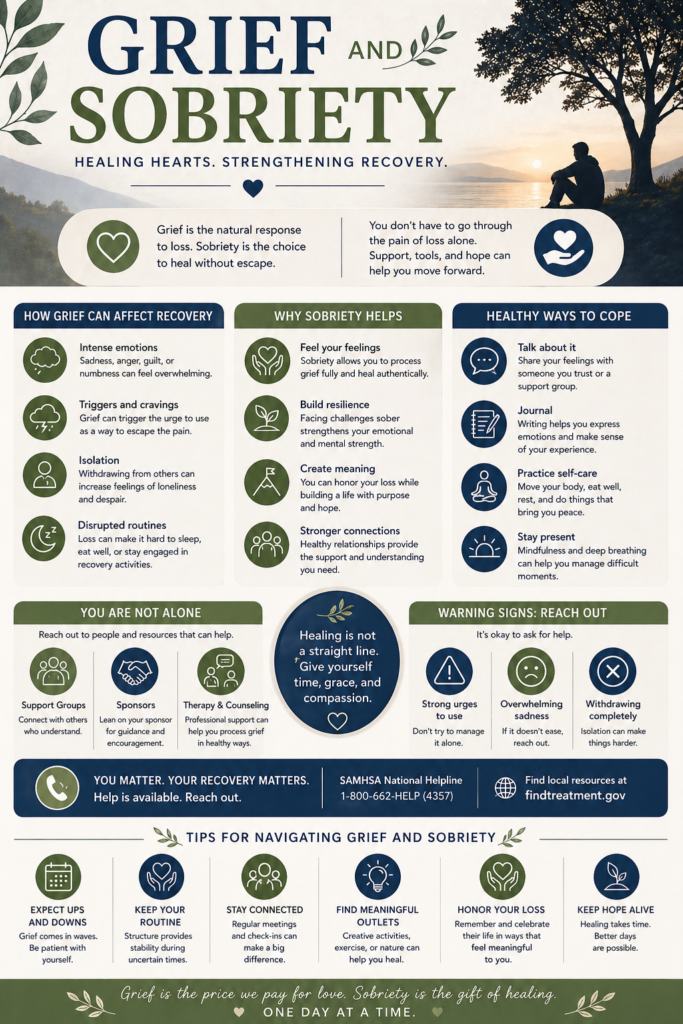
Grief and sobriety are two powerful experiences that can intersect in deeply complex ways. Loss often brings intense emotions such as sadness, anger, guilt, and confusion—feelings that may have previously been managed or avoided through substance use. In sobriety, individuals are faced with the challenge of experiencing grief fully, without the option of numbing or escaping it. This can make the grieving process feel more immediate and overwhelming, but it also creates an opportunity for genuine emotional processing and healing. Understanding how grief impacts sobriety is essential for maintaining stability and developing healthier ways to cope during times of loss.
Holding On While Letting Go: Navigating Grief and Sobriety
Grief and sobriety are two deeply personal journeys that often intersect in powerful and challenging ways. Loss—whether of a loved one, a relationship, or a version of life once known—can stir intense, overwhelming emotions. For individuals in recovery, these emotions can also trigger old coping patterns tied to substance use. Navigating grief without returning to those patterns requires strength, awareness, and intentional support. While the process is not easy, it is possible to move through grief in a way that protects and even strengthens sobriety.
Understanding the Connection Between Grief and Addiction
Grief is not just sadness—it can include anger, guilt, confusion, and even numbness. For many, substances were once used to escape or manage these difficult emotions. When sobriety removes that coping mechanism, grief can feel more intense because it is no longer being avoided.
This doesn’t mean something is wrong—it means you are feeling fully, which is a necessary part of healing. Learning to sit with these emotions, rather than suppress them, becomes a central task in recovery.
Why Grief Can Be a Relapse Trigger
Loss disrupts emotional stability and routine, both of which are critical in maintaining sobriety. Common challenges during grief include:
- Increased emotional vulnerability
- Isolation or withdrawal from support systems
- Disrupted sleep and daily habits
- A desire to “escape” painful feelings
These factors can create a higher risk for relapse, especially if coping strategies are not actively reinforced.
Allowing Yourself to Grieve
One of the most important steps is giving yourself permission to grieve. There is no “right” timeline or way to process loss. Suppressing grief can prolong pain and increase the risk of turning to unhealthy coping mechanisms.
Healthy grieving might include:
- Talking about your loss
- Expressing emotions through writing or art
- Allowing moments of sadness without judgment
Grief is not something to fix—it is something to move through.
Leaning on Support Systems
Sobriety is not meant to be navigated alone, especially during times of loss. Reaching out to trusted supports can provide stability and perspective. This might include:
- Sponsors or recovery groups
- Therapists or counselors
- Friends and family
Sharing your experience helps reduce isolation and reminds you that you don’t have to carry the weight of grief by yourself.
Maintaining Recovery Routines
During grief, it can be tempting to abandon routines—but structure is one of your strongest protections. Continuing with meetings, therapy sessions, or daily self-care practices helps anchor you during emotional upheaval.
Even small actions—like attending a meeting or checking in with someone—can reinforce your commitment to sobriety.
Developing New Coping Strategies
Grief often requires new ways of coping. Instead of turning to substances, consider:
- Mindfulness or grounding exercises
- Physical activity to release tension
- Journaling to process thoughts and emotions
- Creative outlets like music or art
These strategies don’t remove the pain, but they help you manage it in a healthier way.
Managing Waves of Emotion
Grief often comes in waves—moments of intense emotion followed by periods of calm. Learning to ride these waves without reacting impulsively is key.
When a wave hits:
- Pause and breathe
- Remind yourself that the feeling will pass
- Reach out for support if needed
Over time, these waves may become less overwhelming.
Finding Meaning in the Process
While grief is painful, it can also lead to growth and deeper self-understanding. Many people find that navigating loss in sobriety strengthens their resilience and reinforces their commitment to recovery.
Honoring your loss—through memory, reflection, or meaningful actions—can help transform grief into something that supports healing rather than hindering it.
Being Patient With Yourself
Grief and recovery are both ongoing processes. There will be difficult days, and that’s part of the journey. What matters is continuing to show up for yourself, even when it feels hard.
Self-compassion is essential. You are learning to face life fully, without avoidance—and that takes courage.
A Path Forward
Grieving while staying sober is not about avoiding pain—it’s about facing it with strength, support, and intention. While the journey may feel heavy at times, it also offers an opportunity to build a deeper, more sustainable form of healing.
By allowing yourself to grieve, staying connected to your recovery, and using healthy coping strategies, you can move through loss without losing yourself. In doing so, you create space not only for healing but also for a stronger, more grounded recovery.
Staying Steady Through Loss: Self-Management Strategies for Grief and Sobriety
Grief and sobriety are both deeply personal processes that require strength, patience, and intention. When they intersect, the emotional intensity of loss can challenge even the most stable recovery. Without substances to numb or escape painful feelings, individuals in recovery must learn new ways to cope, process, and move forward. This is where self-management strategies become essential—helping you understand your emotions, maintain stability, and protect your sobriety during one of life’s most difficult experiences.
Understanding Self-Management in Grief and Recovery
Self-management involves actively monitoring and responding to your emotional, mental, and physical state. In the context of grief and sobriety, it means recognizing how loss is affecting you and making conscious choices that support healing rather than avoidance.
Instead of reacting impulsively to pain, self-management encourages you to pause, reflect, and use coping strategies that align with your recovery goals.
Building Emotional Awareness
Grief can bring a wide range of emotions—sadness, anger, guilt, confusion, and even numbness. Developing awareness of these emotions is a key first step.
Ask yourself:
- What am I feeling right now?
- What triggered this emotion?
- How intense is it?
Naming your emotions reduces their power and helps you respond more thoughtfully rather than react automatically.
Identifying Triggers and High-Risk Moments
Certain situations can intensify both grief and cravings. These may include anniversaries, reminders of the loss, or periods of isolation.
Self-management involves identifying these triggers in advance so you can prepare. For example:
- Planning support around difficult dates
- Avoiding environments that increase vulnerability
- Having coping strategies ready when emotions rise
Awareness allows you to stay one step ahead.
Practicing the Pause
Strong emotions can lead to impulsive decisions, including urges to use substances. One of the most effective strategies is learning to pause before reacting.
During a pause:
- Take a few deep breaths
- Remind yourself that emotions are temporary
- Choose a response that supports your recovery
This small moment of reflection can make a significant difference in maintaining control.
Maintaining Structure and Routine
Grief can disrupt daily life, but structure is critical for sobriety. Self-management includes maintaining routines that provide stability, such as:
- Attending support meetings
- Keeping regular sleep and meal schedules
- Engaging in daily self-care
Even when motivation is low, consistency helps anchor you during emotional upheaval.
Using Healthy Coping Strategies
Replacing old coping mechanisms with healthier ones is essential. Effective strategies include:
- Journaling to process thoughts and emotions
- Mindfulness or meditation to stay present
- Physical activity to release stress
- Creative outlets like art or music
These approaches don’t eliminate grief, but they help you manage it constructively.
Checking in With Yourself Regularly
Self-management is an ongoing process. Regular check-ins can help you stay aware of how you’re coping.
You might ask:
- Am I feeling more overwhelmed lately?
- Have my routines changed?
- Am I withdrawing from support?
These reflections can signal when you need additional support or adjustments in your coping strategies.
Staying Connected to Support Systems
While self-management emphasizes personal responsibility, it does not mean handling everything alone. Reaching out to others is a critical part of managing grief and sobriety.
Support may include:
- Sponsors or recovery groups
- Therapists or counselors
- Trusted friends or family members
Connection helps regulate emotions and provides perspective during difficult moments.
Practicing Self-Compassion
Grief and recovery both require patience. There will be moments of struggle, and that’s part of the process. Self-management includes treating yourself with understanding rather than criticism.
Remind yourself:
- It’s okay to feel pain
- Healing takes time
- You are doing your best
Self-compassion reduces pressure and supports long-term resilience.
A Stronger, More Resilient Recovery
Using self-management strategies during grief doesn’t make the process easy—it makes it intentional. Each time you choose a healthy response over an old habit, you reinforce your recovery and build resilience.
Grief may change over time, but your ability to manage it grows stronger. By staying aware, maintaining structure, and reaching for support, you can navigate loss without losing your sobriety—emerging with deeper strength, insight, and stability.
Stronger Together: Family Support Strategies for Navigating Grief and Sobriety
Grief and sobriety are both deeply challenging experiences on their own—but when they occur together, they can feel overwhelming. For individuals in recovery, loss can intensify emotions and increase vulnerability to relapse. In these moments, family support becomes a critical source of stability, understanding, and encouragement. When families are informed and intentional in their approach, they can help their loved one navigate grief in ways that protect and strengthen sobriety.
Why Family Support Matters in Grief and Recovery
Grief can disrupt emotional balance, routines, and coping mechanisms—all of which are essential for maintaining sobriety. Individuals in recovery may experience heightened emotions without the option of numbing them through substances. This makes support from loved ones especially important.
Families can provide:
- Emotional grounding during intense moments
- Encouragement to stay connected to recovery
- A sense of safety and belonging
Their presence can make the difference between isolation and connection.
Understanding the Impact of Grief on Sobriety
Before offering support, it’s important for families to understand how grief affects recovery. Loss can trigger:
- Intense emotional pain and vulnerability
- Cravings as a form of escape
- Withdrawal from routines and support systems
- Feelings of hopelessness or overwhelm
Recognizing these challenges helps families respond with empathy rather than frustration or fear.
Creating a Safe Space for Grief
One of the most powerful ways to support a loved one is by allowing them to grieve openly. This means:
- Listening without trying to “fix” the pain
- Accepting a wide range of emotions
- Avoiding statements that minimize the loss (“It will get better soon”)
Grief is not something to rush or solve—it is something to be witnessed and supported.
Encouraging Open Communication
Healthy communication is key. Families can foster this by:
- Asking gentle, open-ended questions (“How are you feeling today?”)
- Being present without forcing conversation
- Respecting when their loved one needs space
When individuals feel safe expressing themselves, they are less likely to internalize emotions or resort to unhealthy coping mechanisms.
Supporting Recovery Routines
Grief can make it difficult to maintain structure, but routines are essential for sobriety. Families can help by:
- Encouraging attendance at meetings or therapy
- Supporting daily habits like eating, sleeping, and self-care
- Offering reminders in a supportive—not controlling—way
Consistency provides stability during emotional upheaval.
Watching for Signs of Struggle
Family members are often in a position to notice changes that may signal increased risk. These might include:
- Withdrawal from support systems
- Changes in mood or behavior
- Neglecting recovery activities
- Expressions of wanting to escape or numb feelings
Noticing these signs early allows families to intervene with care and support.
Encouraging Healthy Coping Strategies
Families can gently guide their loved one toward healthier ways of coping with grief, such as:
- Talking about memories and emotions
- Engaging in physical activity
- Participating in creative or reflective activities
- Practicing mindfulness or relaxation techniques
Offering to do these activities together can make them more accessible and less overwhelming.
Avoiding Overprotection or Control
While it’s natural to want to protect a loved one, being overly controlling can create tension or resistance. Effective support means:
- Offering help without forcing it
- Respecting their autonomy and choices
- Trusting their recovery process
Balance is key—support should feel empowering, not restrictive.
Taking Care of Yourself as a Family Member
Supporting someone through grief and sobriety can be emotionally demanding. Families should also prioritize their own well-being by:
- Seeking support for themselves
- Setting healthy boundaries
- Practicing self-care
When families are emotionally balanced, they are better able to provide steady support.
A Shared Path Toward Healing
Grief and recovery are ongoing processes, and no one should have to navigate them alone. With informed, compassionate family support, individuals in recovery can face loss without losing their progress.
By creating a space of understanding, maintaining connection, and encouraging healthy coping, families become a powerful part of the healing process. Together, they can move through grief in a way that not only protects sobriety but also strengthens resilience, connection, and hope for the future.
Connected Healing: Community Resource Strategies for Navigating Grief and Sobriety
Grief and sobriety are deeply intertwined experiences that can challenge emotional stability, coping skills, and recovery progress. While personal resilience and family support are important, community resources provide an essential layer of connection, education, and guidance. These resources help individuals understand their emotions, access support systems, and develop healthier ways to navigate loss without compromising sobriety.
Why Community Support Is Essential
Grief can be isolating, and isolation is one of the greatest risks to recovery. Community resources offer a sense of belonging and shared understanding, reminding individuals that they are not alone in their experience.
These resources provide:
- Shared experiences from others in recovery
- Structured support during difficult times
- Access to tools and services that promote healing
Being connected to a community can help stabilize both emotional well-being and sobriety.
Engaging in Peer Support Groups
Peer support groups, such as recovery meetings or grief support circles, are among the most powerful community resources. These spaces allow individuals to:
- Share their experiences openly
- Hear how others cope with grief in sobriety
- Learn practical strategies for managing emotions
Listening to others who have faced similar challenges can normalize feelings and reduce the urge to cope through substances.
Accessing Grief Counseling and Specialized Services
Community-based counseling services often offer grief-specific support tailored to individuals in recovery. These professionals can help:
- Process complex emotions related to loss
- Identify triggers that may threaten sobriety
- Develop coping strategies that align with recovery goals
Specialized support ensures that both grief and addiction are addressed together rather than separately.
Utilizing Recovery-Oriented Programs
Many communities offer programs that integrate grief and recovery, focusing on building resilience and emotional regulation. These may include:
- Workshops on coping with loss
- Group therapy sessions
- Holistic programs incorporating mindfulness or wellness practices
These structured environments provide both education and accountability.
Leveraging Online Communities and Digital Resources
Digital health tools have expanded access to community support. Online forums, virtual meetings, and recovery apps allow individuals to connect with others anytime, anywhere.
These platforms are especially helpful when:
- In-person resources are limited
- Immediate support is needed during emotional distress
- Individuals prefer a more private or flexible form of engagement
However, it’s important to choose reputable and supportive platforms that encourage healthy recovery practices.
Learning Through Shared Experiences
Community resources offer more than support—they provide collective wisdom. Hearing how others have navigated grief without relapsing can help individuals:
- Recognize common emotional patterns
- Understand that setbacks and struggles are normal
- Gain confidence in their ability to cope
This shared knowledge transforms personal challenges into opportunities for growth.
Encouraging Consistent Engagement
One of the most effective strategies is regular participation in community resources. Consistency helps:
- Maintain accountability
- Reinforce healthy routines
- Build meaningful connections over time
Even when motivation is low, staying engaged can provide stability during periods of intense grief.
Overcoming Barriers to Access
Some individuals may face challenges such as stigma, transportation issues, or a lack of awareness about available resources. Addressing these barriers is key to effective support.
Strategies include:
- Exploring virtual options
- Seeking recommendations from healthcare providers
- Connecting with local community centers or organizations
Expanding access ensures that more individuals can benefit from community support.
Balancing Community Support With Personal Needs
While community resources are valuable, it’s important to balance them with personal reflection and self-care. Not every resource will be the right fit, and individuals should feel empowered to choose what aligns with their needs.
Effective use of community support involves:
- Trying different resources to find the best fit
- Setting boundaries when needed
- Integrating community support with personal coping strategies
A Collective Path to Healing
Grief and sobriety are not journeys that should be faced alone. Community resources provide connection, knowledge, and support that strengthen resilience and reduce the risk of relapse.
By actively engaging with these resources, individuals can navigate loss with greater understanding and stability. In doing so, they not only protect their sobriety but also build a deeper sense of connection and meaning—transforming grief into a pathway for growth, healing, and long-term recovery.
Frequently Asked Questions
Here are some common questions:
1. Why is grief harder to deal with in sobriety?
In sobriety, you no longer have substances to numb or avoid painful emotions. This means grief can feel more intense and immediate—but it also allows for genuine healing rather than delayed or suppressed emotions.
2. Can grief trigger relapse?
Yes. Grief can increase emotional distress, disrupt routines, and create a desire to escape pain—all of which can trigger cravings. That’s why having coping strategies and support is especially important during loss.
3. Is it normal to feel overwhelmed while grieving in recovery?
Absolutely. Grief involves a wide range of emotions—sadness, anger, guilt, confusion—and experiencing them fully can feel overwhelming. This is a normal part of both grieving and healing.
4. How can I cope with grief without using substances?
Healthy coping strategies include:
- Talking with a trusted person
- Attending support groups
- Journaling or creative expression
- Practicing mindfulness or relaxation techniques
- Staying physically active
5. Should I avoid thinking about my loss to protect my sobriety?
Avoidance can actually make grief stronger over time. Processing your loss—at your own pace—is healthier and reduces the risk of turning to substances later.
6. How important is routine during grief?
Very important. Maintaining routines like sleep, meals, meetings, and therapy helps provide stability and reduces relapse risk during emotional upheaval.
7. What are the signs that grief is affecting my recovery?
Watch for:
- Increased cravings
- Skipping meetings or therapy
- Withdrawing from others
- Changes in mood or behavior
- Neglecting self-care
These may signal a need for additional support.
8. Is it okay to ask for help while grieving?
Yes—asking for help is essential, not a weakness. Reaching out to sponsors, therapists, friends, or support groups can make a significant difference.
9. How long does grief last in sobriety?
There is no set timeline. Grief is a personal process that unfolds differently for everyone. Over time, the intensity may lessen, but the experience of loss can remain meaningful.
10. Can staying sober actually help with healing from grief?
Yes. Sobriety allows you to process emotions fully, build resilience, and find healthier ways to cope—leading to deeper and more lasting healing.
11. What should I do during intense waves of grief?
- Pause and breathe
- Remind yourself that the feeling will pass
- Reach out to someone you trust
- Use a coping strategy (walk, journal, meditate)
Managing the moment is key.
12. How can I support someone who is grieving in recovery?
- Listen without judgment
- Encourage them to stay connected to support
- Be patient with their emotions
- Avoid trying to “fix” their grief
Your presence matters more than perfect words.
13. Does grief ever go away completely?
Grief often changes rather than disappears. Over time, it may become less overwhelming and more integrated into your life as a meaningful part of your story.
14. Can grief strengthen my sobriety?
Yes. Facing grief without substances can build emotional strength, resilience, and confidence in your ability to cope—reinforcing your commitment to recovery.
15. What if I feel like I might relapse?
Take it seriously and act quickly:
- Contact a sponsor, therapist, or trusted person
- Go to a meeting
- Remove yourself from triggering environments
- Focus on staying sober one moment at a time
Immediate support can help you stay on track.
Conclusion
Ultimately, navigating grief while maintaining sobriety requires patience, support, and intentional coping strategies. Although the process can be difficult, it also strengthens emotional resilience and reinforces the foundation of recovery. By allowing space for grief, staying connected to support systems, and prioritizing self-care, individuals can move through loss without compromising their progress. Grief does not have to derail sobriety—it can instead become a meaningful part of the healing journey, fostering growth, self-awareness, and a deeper commitment to long-term recovery.
Video: Sobriety Through the Hardest Times #griefandloss #recovery