Medetomidine: A Deadly Street Drug

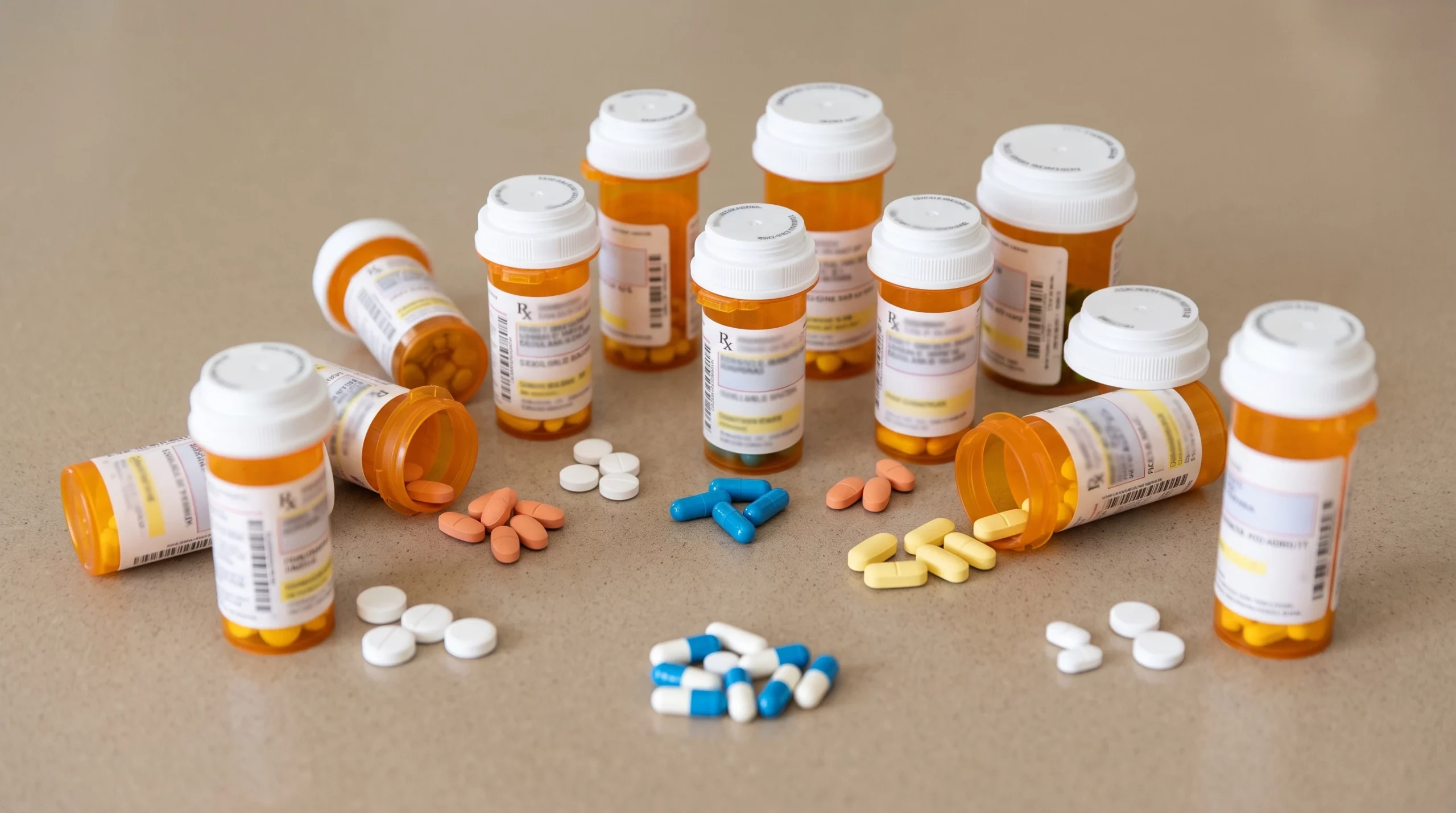
Medetomidine is an emerging and highly concerning substance that has recently been detected in the illicit drug supply, often mixed with fentanyl and other dangerous drugs. Originally developed as a veterinary sedative and anesthetic agent, medetomidine is not approved for human use. Its powerful sedative effects can cause extreme drowsiness, slowed breathing, low blood pressure, … Read more

Local Anesthesia for BUP-XR

Extended-release buprenorphine (BUP-XR) therapy has become an important treatment option for individuals with opioid use disorder by providing long-lasting medication delivery that helps reduce cravings, prevent withdrawal symptoms, and support recovery. Because BUP-XR is administered as a subcutaneous injection by a healthcare professional, some patients may have concerns about injection-related discomfort and whether local anesthesia … Read more

Access Matters in Recovery

Mental health conditions and substance use disorders affect millions of people worldwide, yet many individuals struggle to obtain the medications that could significantly improve their health, stability, and quality of life. Effective treatments are available for conditions such as depression, anxiety, bipolar disorder, schizophrenia, alcohol use disorder, and opioid use disorder, but access is often … Read more

Medicaid’s Mental Health Coverage

Medicaid plays a vital role in the United States healthcare system by providing access to essential mental health and substance use disorder (SUD) services for millions of individuals. Mental illness and addiction can significantly impact a person’s physical health, relationships, employment, and overall quality of life, making access to affordable treatment critically important. As one … Read more

Understanding Addiction Medicine

Addiction medicine is a specialized field of healthcare dedicated to preventing, diagnosing, and treating substance use disorders through evidence-based, patient-centered care. Recognizing addiction as a chronic but treatable medical condition, addiction medicine combines medications, behavioral therapies, mental health care, and long-term recovery support to address the physical, psychological, and social aspects of the disease. Rather … Read more

Mobile Addiction Treatment Programs

Mobile addiction treatment programs are expanding access to evidence-based care by delivering healthcare services directly to people in their communities. Operating from specially equipped vans or mobile clinics, these programs offer medical assessments, medications for opioid use disorder, counseling, mental health screenings, overdose prevention education, and referrals to additional health and social services. By overcoming … Read more

Nitazenes and Overdose Risk

Nitazenes are a group of highly potent synthetic opioids that have emerged as a growing public health concern due to their increasing presence in the illicit drug supply. Originally developed decades ago for research purposes but never approved for medical use, these substances can be significantly more potent than fentanyl, depending on the specific compound. … Read more

Fentanyl Laced with Medetomidine

The illicit drug supply continues to evolve, creating new dangers for individuals with opioid use disorder and for the healthcare professionals who treat them. One emerging concern is the presence of medetomidine, a potent veterinary sedative, mixed with illegally manufactured fentanyl. Like xylazine, medetomidine is an alpha-2 adrenergic agonist that is not approved for human … Read more

PTSD and Substance Use Disorder

Post-traumatic stress disorder (PTSD) and substance use disorder (SUD) are closely connected conditions that often occur together and can have profound effects on a person’s physical health, mental well-being, relationships, and overall quality of life. PTSD develops after experiencing or witnessing a traumatic event, such as military combat, childhood abuse, sexual assault, domestic violence, serious … Read more

Trauma-Informed Addiction Care

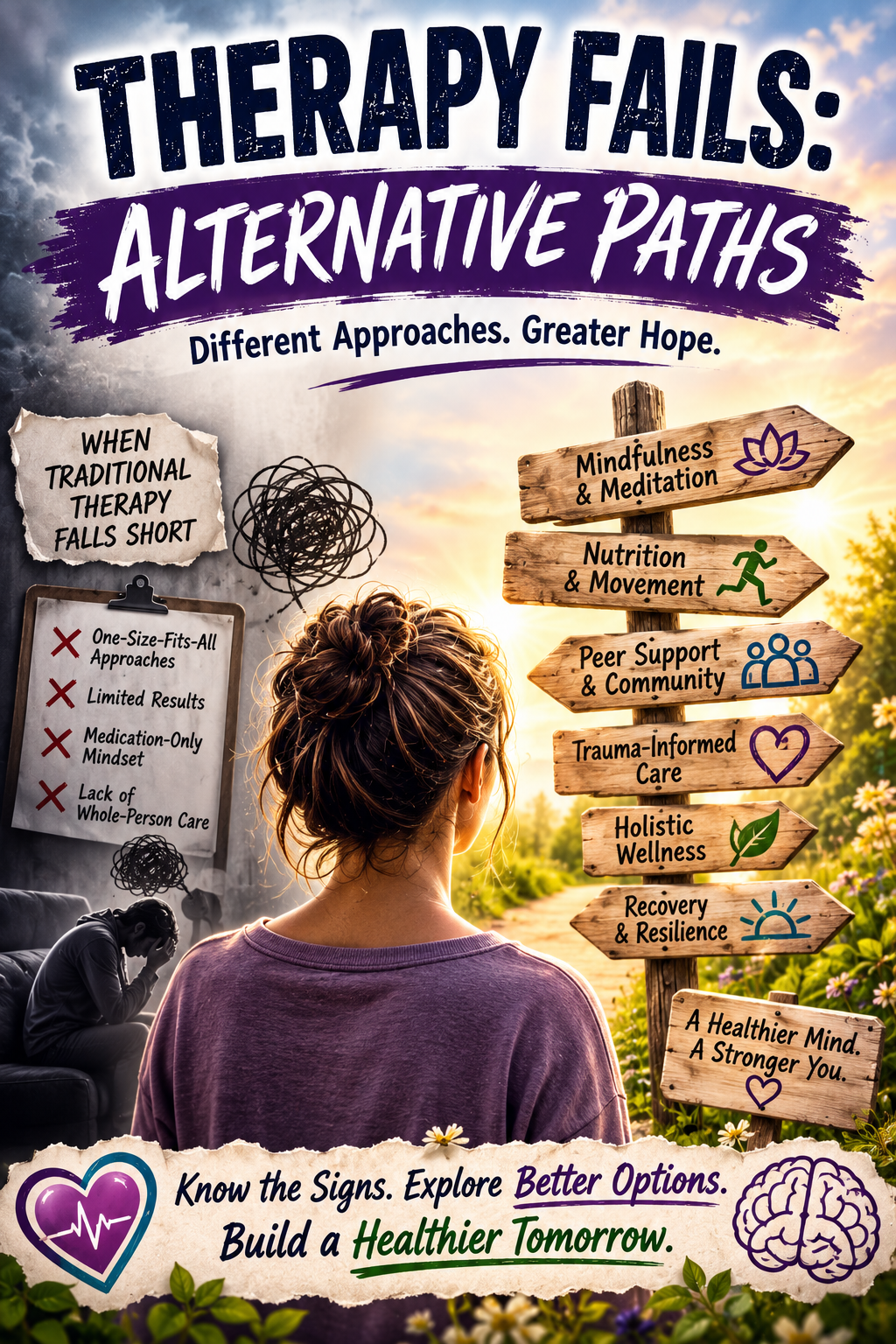
Trauma and addiction are closely connected, with many individuals using alcohol or drugs as a way to cope with the emotional pain caused by adverse life experiences. Trauma may result from childhood abuse or neglect, domestic violence, sexual assault, military combat, serious accidents, natural disasters, community violence, or the loss of a loved one. These … Read more