Opioids are a topic that comes up more and more, especially for teens. Whether you hear about them in the news, from friends, or in school health classes, they can sound a bit confusing or overwhelming. Knowing the facts is really important for making smart choices and looking out for yourself and your friends. I’m here to break down what opioids are, how they affect teens, why they can be risky, and how you can stay informed without the drama or panic.
What Are Opioids?
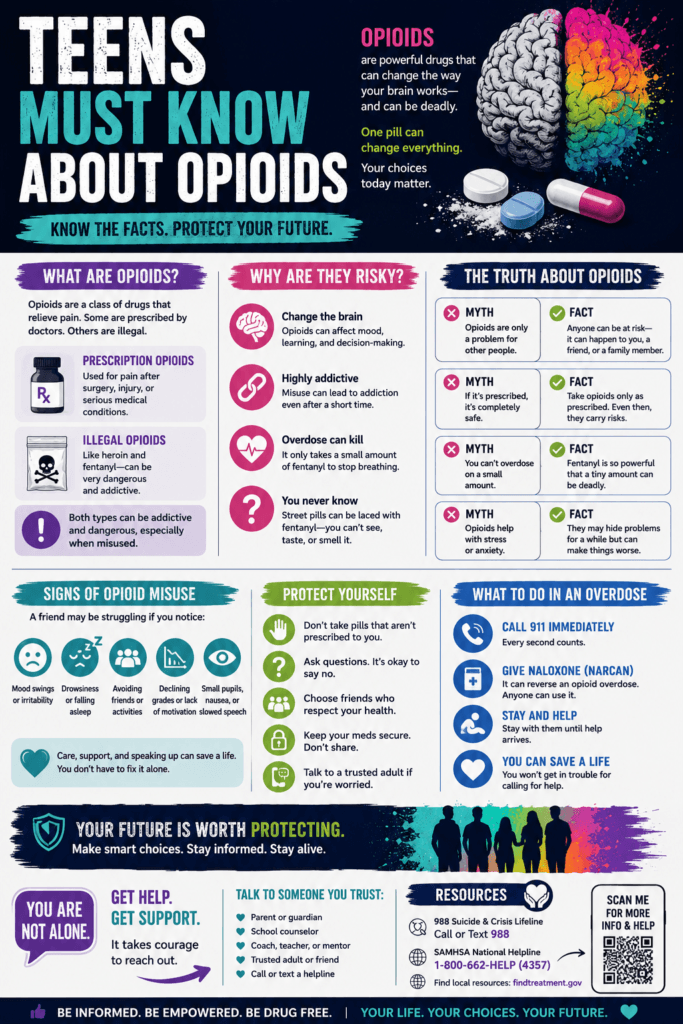
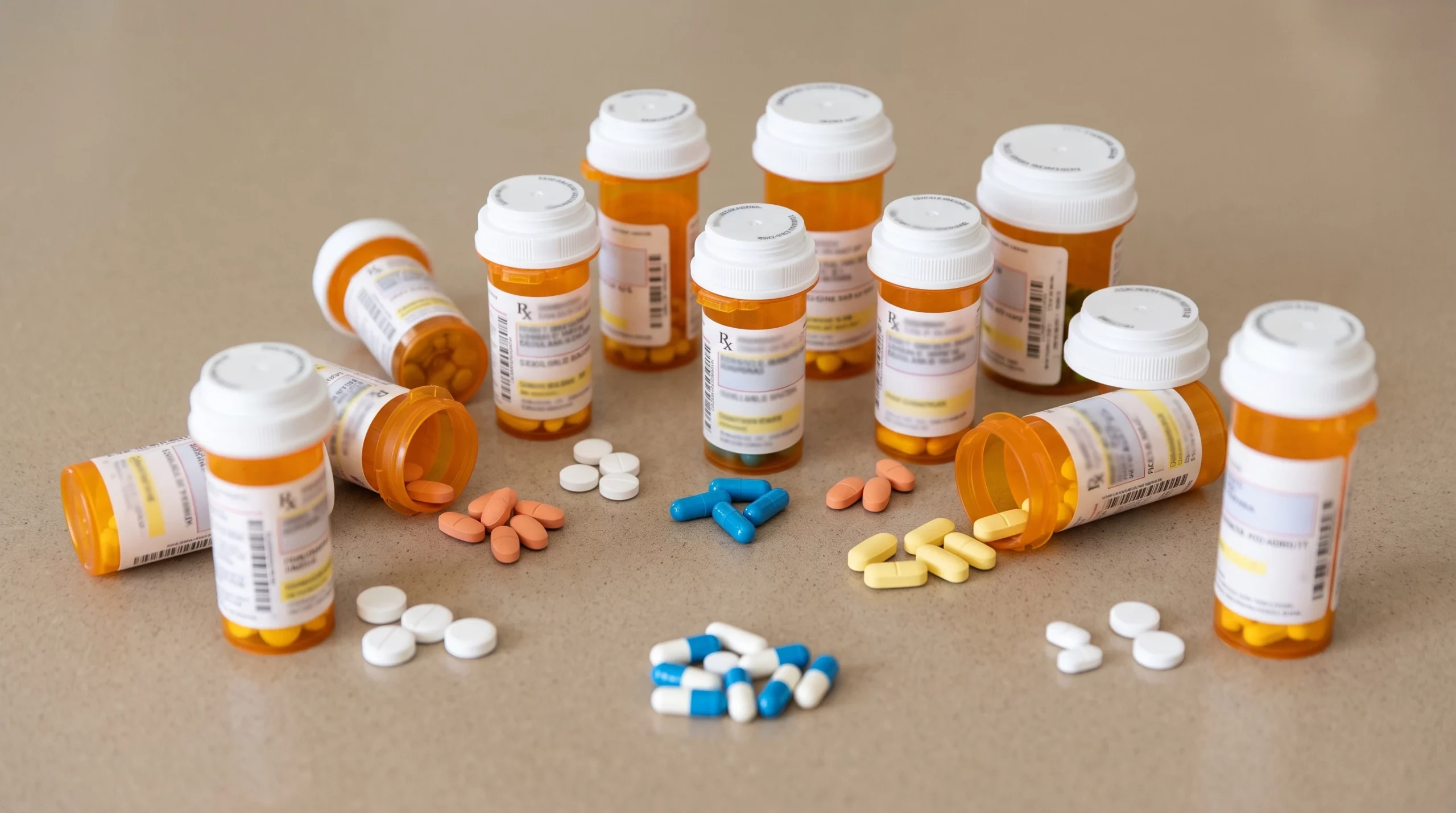
Opioids are a group of drugs that include strong painkillers like morphine, oxycodone, and fentanyl, as well as illegal drugs like heroin. They’re made to dull pain, which is why doctors sometimes prescribe them for serious injuries or surgeries. Some come from natural sources, like the opium poppy, and others are made in labs.
People use opioids for more than just pain, though. They can give a feeling of intense relaxation or euphoria. Prescription opioids might sound safe because they come from a doctor, but taking them without a prescription, or in a way not intended, can be risky. Heroin and illegally made fentanyl are especially dangerous.
Why Should Teens Pay Attention to Opioids?
Teens are in a unique spot when it comes to opioids. The brain keeps developing until your mid-twenties, so anything that messes with the brain’s chemistry, like opioids, can have long-term effects. I’ve noticed that misinformation and curiosity often drive the conversation. Sometimes someone offers you a pill at a party, or you see posts online talking about “chill” experiences. It’s super important to have real info to separate the myths from reality.
According to the Centers for Disease Control and Prevention (CDC), opioid misuse among teens hasn’t gone away, even though there’s more talk about the risks. Overdose rates among teens have increased, mostly because of strong synthetic opioids like fentanyl showing up in pills that look like regular medication.
The Basics: How Opioids Affect the Body and Brain
Opioids work by hooking into specific receptors in the brain and nervous system. These receptors are basically little “docks” that shut down pain signals and boost feelings of pleasure when opioids connect to them. While this sounds nice, it’s also what makes them super addictive. After a while, your brain can depend on these drugs to feel good, or even just to feel normal.
Here’s what tends to happen if someone misuses opioids:
- Euphoria at first: There might be a rush of good feelings or a strong sense of calm.
- Physical side effects: This can include drowsiness, constipation, nausea, slow breathing, and confusion.
- Risk of addiction: Regular use, even over a short period, can quickly turn into dependence and addiction.
- Dangerous breathing problems: Because opioids slow down the body, breathing can become dangerously slow, leading to overdose or death.
What Makes Opioids Risky for Teens?
Teens often don’t get warned about how easy it can be for opioids to cause problems, even from what seems like just a onetime experience or “experimenting.” Here’s why opioids can be especially risky:
- Strong potency: Pills sold online or shared among friends can contain way more active opioid than expected, increasing overdose risk.
- Laced substances: Some street drugs and fake pills are mixed with superstrong fentanyl, which can be deadly in very tiny amounts.
- Brain development: Using opioids while the brain is still developing can affect emotional regulation, decision-making, and mental health.
- Addiction factors: Teens are more likely to develop a problem faster than adults, partly due to changes happening in the teen brain.
I hear from students who say they thought prescription pills were safer, only to find out later the risks aren’t any less because something came from a pharmacy or had a label. Additionally, teens may not realize that even medications left in the family cabinet can pose a temptation or risk. Simple curiosity, especially when information about opioids is limited or filled with myths, can open the door to problems that last well beyond the initial experiment.
Recognizing Warning Signs and Myths About Opioids
There are a lot of myths about opioids, so clearing those up is really helpful if you want to stay safe. Here are a few I hear often:
- “It’s just a pain pill, not a street drug.” Prescription opioids can be just as dangerous as heroin or other illegal opioids if misused.
- “If it’s from a doctor, it can’t hurt me.” Taking someone else’s prescription or taking pills in a way not intended can lead to overdose and addiction.
- “Trying it once isn’t a big deal.” Even a single use can sometimes lead to overdose, especially with fake pills laced with fentanyl.
- “Only people with problems get addicted.” Addiction can happen to anyone, even those using opioids just to try them out.
It’s pretty smart to know actual warning signs that a friend or classmate could be struggling with opioid misuse. These signs include sudden mood swings, nodding off at odd times, poor school performance, and disappearing pills or money.
Being able to spot changes in behavior, like avoiding friends or neglecting hobbies, can be crucial. Listen for complaints about health or mood changes that seem out of the blue. It’s useful to pay attention to your own feelings, too—if you notice you’re uncomfortable or pressured around substance use, that’s a signal to step back and talk to someone you trust.
Practical Steps for Teens to Stay Safe
Knowing how to handle situations where opioids might turn up helps you feel confident and less likely to get caught off guard. Here’s what I’ve found helpful for teens who want to stay safe:
- Learn to say no, your way: Practice responses like “No thanks, not into that” so it feels natural when you need it.
- Avoid taking unknown pills: If you’re ever offered or find pills, never take anything that isn’t prescribed to you personally by a healthcare provider.
- Ask questions when prescribed pain meds: If a doctor prescribes opioids after surgery or an injury, ask if there are other options and how to take them safely.
- Look out for friends: If you think someone might be misusing opioids, talk to a trusted adult or encourage your friend to get help.
- Stay informed: Follow credible sources like the CDC or National Institute on Drug Abuse for the latest updates about teen drug safety.
Schools and communities sometimes have resources for safe disposal of old medications, and some areas carry naloxone kits (used to reverse opioid overdoses) in case of emergency. If you’re not sure where to find these resources, check with your school nurse or guidance counselor—they might have more information than you expect. It’s also worth looking into online hotlines or support networks that provide confidential advice and tools for dealing with peer pressure or questions about drugs.
Common Challenges Teens Face About Opioids
Pressure, curiosity, and easy access are some of the biggest obstacles. Pills are sometimes easy to find at home or through classmates. Social media can also make opioid misuse look trendy or harmless. Misleading info or jokes about “getting lit” or “chilling out” with painkillers downplay real consequences.
If you ever feel pressure, keep in mind you’re not alone; lots of teens are in the same boat. It helps to have a support network, whether it’s friends, parents, a coach, or a mentor. By starting honest conversations about avoidance strategies and sharing facts—not rumors—you’ll be better prepared when facing tough choices. It’s also useful to plan ahead for high-pressure situations so your response feels straightforward and comfortable.
Access and Disposal
One thing that helps a lot: safely disposing of leftover medications. Anyone can bring old prescriptions to a drop-off box at a local pharmacy. This keeps temptation or accidents out of reach. If you’re ever unsure about what to do with leftover pain pills, ask a pharmacist or check your city’s health department website for disposal info. Some community events are specifically set up to collect these medications a few times a year, so keep an eye out for announcements in your area.
Teens, Opioids, and Emergency Help
It’s really important to know what to do if you’re with someone who might be having an overdose. Signs can include slow or stopped breathing, blue lips or fingernails, and difficulty waking up. Call emergency services immediately; it could save a life.
- If you’re in a state that has “Good Samaritan” laws, you can call for help without worrying about getting in trouble yourself.
- If your school or family has naloxone (Narcan), it can reverse an opioid overdose if used quickly.
It’s always better to play it safe and get medical help if you’re worried, even if you’re not sure what someone took. The sooner help arrives, the better the chances for recovery. Plus, learning a few basics of what to tell emergency responders, like what you saw and how long someone has been unresponsive, can be valuable and help them act quickly.
Frequently Asked Questions
Here are a few questions teens often ask about opioids, along with honest answers:
Can you get addicted to opioids even if you only use them occasionally?
Answer: Yes, it’s definitely possible. Opioids can be really habit-forming, and even occasional use can start a pattern that’s hard to stop.
How do I help a friend I think is using opioids?
Answer: Start by having a private conversation, letting them know you care and sharing your concerns. Encourage them to talk to a counselor, nurse, or trusted adult. Support is really powerful, but experts are the best people to help make a plan.
What should I do if I see someone having an overdose?
Answer: Call emergency services right away. If there’s a naloxone kit nearby and you know how to use it, step in and use it as you call for help.
Takeaways for Teens and Opioids
Being aware and well-informed gives teens a real advantage when it comes to opioid safety. Understanding the basics, recognizing risks, and having a game plan for tricky situations makes all the difference. Look out for each other, ask questions, and reach out for support when you need it. Staying safe isn’t about fear; it’s about knowledge and confident choices. The more you know, the better equipped you are for handling whatever comes your way.
Video: This Is What Fentanyl Can Do to Teens 💔 #opioids #shorts