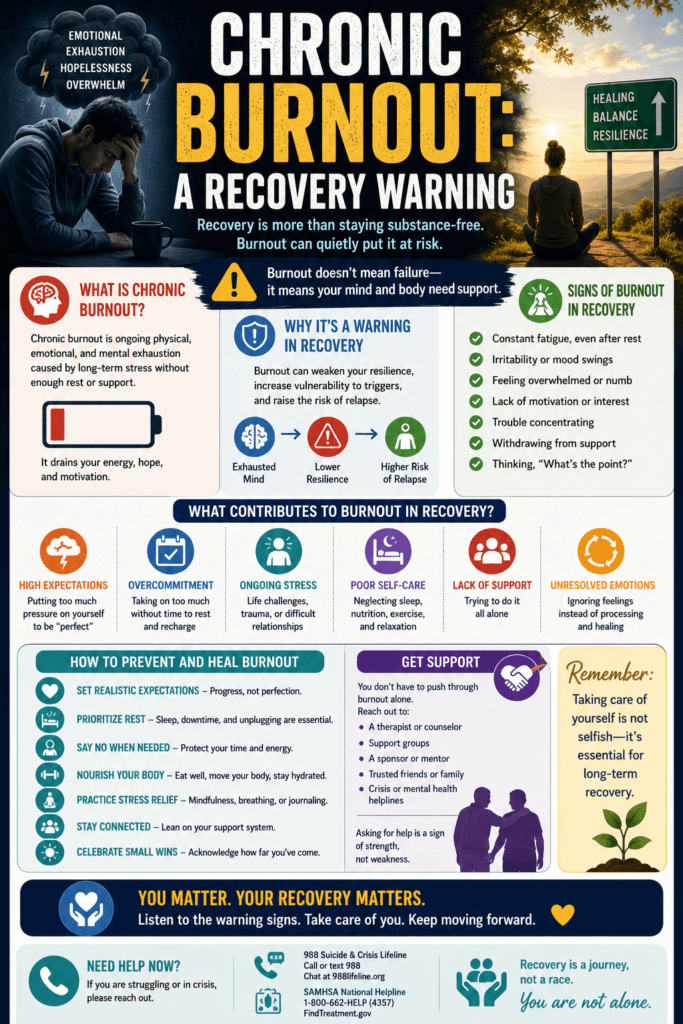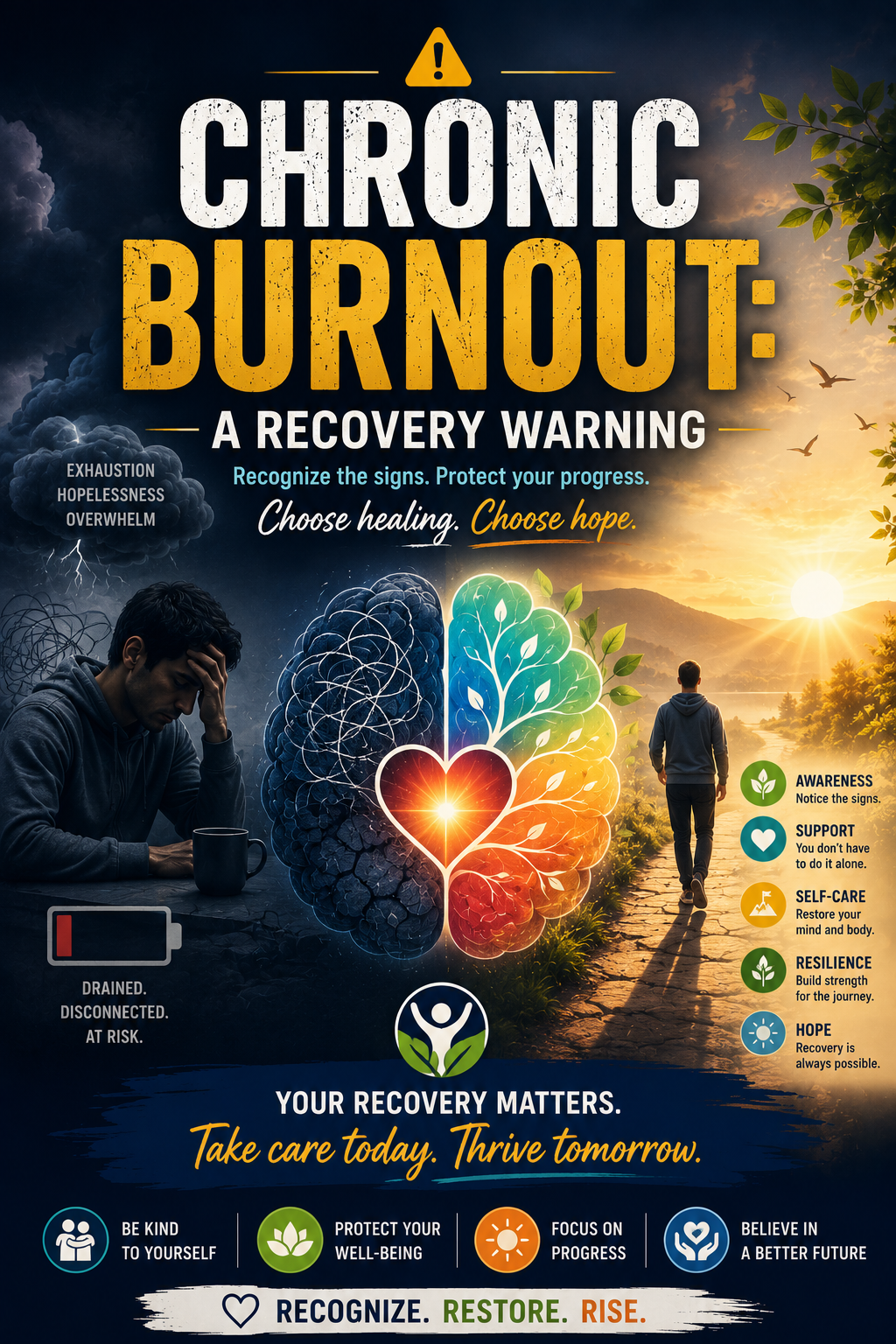
Dealing with chronic burnout, especially during recovery from things like addiction, trauma, or mental health challenges, often feels both exhausting and confusing. You might expect recovery to get easier with time, but instead you’re just worn out day after day. This isn’t just regular tiredness; it’s a big signal from your mind and body that something’s off. In this article, I’m going to get into what chronic burnout really means in recovery, how to spot it, and what you can actually do when it shows up.
Why Burnout Is a Big Deal in Recovery
Burnout can sneak up on anyone, but it hits hard during recovery. I’ve seen people put everything into getting better, only to find themselves stuck, frustrated, and totally drained. This isn’t just feeling a little tired; it’s a sense of being wiped out beyond what rest can fix. Ignoring it can slow your progress or even make things worse, such as causing relapses or new health problems.
When you’re healing from something tough, your body and mind are already working overtime. Burnout piles on extra stress, and if you push through without changing anything, recovery can stall. Health experts often talk about burnout as a sign that your approach might need tweaking, not just more effort. That’s why it’s really important to pay attention to the signs and take them seriously.
Data from mental health studies shows that people who experience long-term burnout in recovery are more likely to drop out of therapy programs or struggle with motivation. Understanding this risk isn’t about creating fear; it’s about taking steps to protect your overall well-being.
An interesting finding from recent surveys is that many people in recovery actually mistake burnout for a lack of willpower, which can bring on feelings of guilt or failure. Addressing these misconceptions can be a first step towards a healthier, kinder attitude toward yourself during the process.
Spotting the Red Flags: What Chronic Burnout Looks Like
You can’t fix burnout unless you know what it looks like. For me, it showed up as low energy, constant overwhelm, and sometimes even physical aches I could never fully explain. Burnout isn’t always dramatic. It creeps in quietly. Here are some classic signs:
- Exhaustion All the Time: You’re tired even after sleeping for hours or taking days off.
- No Motivation: Things you used to enjoy now feel like chores, even hobbies or favorite routines.
- Mental Fog: You’re forgetful, distracted, or just unable to focus on stuff that matters.
- Emotional Flatness: Instead of ups and downs, you feel kind of numb, or maybe irritable for no clear reason.
- Physical Tension: Headaches, muscle pain, and stomach issues can show up without a clear medical cause.
- Withdrawing from Others: Social stuff feels like too much, and you pull away from friends, family, or support groups.
Everyone’s version is a little different. Some people notice one or two symptoms; others get the whole package. The important thing is noticing when your normal levels of effort just aren’t working anymore.
Another red flag is a sudden loss of hope, even in areas of life that once brought you joy. You might find it harder to care about personal goals or relationships, which only adds to the sense of isolation.
Common Triggers for Burnout During Recovery
If you want to get a handle on chronic burnout, it helps to know its triggers. In my experience, these triggers show up a lot:
- Trying to Do Too Much Too Fast: Wanting quick results can push people to overcommit or set unrealistic targets, which usually backfires.
- Lack of Balance: Only focusing on recovery tasks without nurturing fun, connection, or relaxation is draining.
- Poor Sleep and Bad Nutrition: Sometimes you’re so focused on emotional work that basic self-care falls apart, making you more vulnerable.
- Not Enough Support: Feeling isolated, whether physically or emotionally, piles on extra stress.
- Constant Stress: Life isn’t on pause just because you’re in recovery. Bills, family pressure, or work deadlines can stretch you too thin.
Identifying your main triggers is pretty handy for changing up habits or routines that are making burnout worse. Another often overlooked cause is overanalyzing every step in recovery, which can turn helpful reflection into endless rumination and mental fatigue.
Practical Strategies to Break the Burnout Cycle
Getting past chronic burnout isn’t about pushing harder. It’s about working smarter and treating yourself with some compassion. If you’re deep in that rut, here’s what’s super useful:
- Pause and Check In: Stop what you’re doing, even for just a few minutes, to tune into what your body and mind are telling you.
- Connect With Others: Lean on community, support groups, or friends who “get it.” Sharing how you feel can take the edge off and remind you you’re not alone.
- Downshift Expectations: Shrink your to-do list. It’s okay to take a slower route. Progress is still progress, no matter the speed.
- Schedule Rest on Purpose: Instead of waiting until you crash, build breaks, naps, or quiet time into your day. Rest isn’t a reward; it’s a foundation.
- Set Boundaries: Say no when you need to, even to things that might help others. Protecting your recovery energy is worth it.
Mental health pros often suggest small, consistent changes over sweeping life overhauls. The little stuff, like drinking more water, taking a five-minute walk, or logging off social media early, can make a big difference.
Consider finding short, uncomplicated activities that are purely for fun and don’t directly tie to your recovery goals. Whether it’s music, drawing, or just watching a favorite show, letting yourself enjoy simple pleasures can reset your emotional state.
Burnout Pitfalls: Mistakes People Make in Recovery
I’ve noticed that a lot of folks get stuck because they believe pushing through is a badge of honor. Here are a few common mistakes to watch out for:
- Ignoring Warning Signs: Shrugging off tiredness or emotional numbness as something to “get over” only makes burnout more stubborn.
- Comparing Progress: Social media glam shots and stories can make recovery seem faster or easier for others, creating unrealistic pressure.
- Skipping Self-Care: It’s tempting to focus on the next milestone, but neglecting basics like meals, movement, and downtime slows healing.
- Waiting for Motivation: Burnout zaps motivation. Building in positive habits, even small ones, helps regain energy over time.
Everyone slips up, and that’s normal. The trick is to catch yourself, admit what’s happening, and try again, without self-blame.
How Different Approaches to Recovery Influence Burnout
Some programs or therapists emphasize structure and strict routines, while others push for openness and creativity. I’ve found that too much rigidity can add to stress, but total lack of direction can leave you feeling lost. Mixing both tends to work better. That could mean blending daily routines with room for flexible activities such as art, walks in nature, or meditation.
Some research supports building “pacing” skills—knowing when to push and when to pull back—to make recovery stickier and less draining. Experimenting with different strategies and then being honest with yourself about the results sets you up for steadier progress. Journaling about what works and what doesn’t can give you insights that are easy to miss in the day-to-day grind.
Useful FAQs About Burnout and Recovery
Plenty of people have similar questions about this topic, so I’ve gathered a few that often come up in support groups and counseling sessions:
Question: Is burnout in recovery normal?
Answer: It’s more common than most people think. If you face it, you’re definitely not alone, but you can work through it with support and changes to your routine.
Question: Can rest alone cure burnout?
Answer: Rest helps, but real recovery from burnout needs some lifestyle changes; things like setting boundaries, changing routines, and reconnecting with positive supports.
Question: Should I quit recovery activities if I’m burned out?
Answer: Sometimes you need to step back, but it’s better to adjust your pace or try new approaches rather than stopping everything. If things feel overwhelming, talking to a counselor or mentor can help you find balance.
Question: How do I talk about burnout with loved ones without worrying them?
Answer: Share your experience honestly, focusing on what support would be most helpful. Let your loved ones know you’re aware of your burnout and are taking steps to address it. This invites understanding without causing undue concern.
Finding Sustainable Recovery Without Burnout
Bouncing back from chronic burnout isn’t about being perfect or outworking everyone else. It’s about listening to what your body and mind are telling you and respecting those limits. Making small changes, keeping your support network close, and giving yourself plenty of patience pays off. When you treat burnout as feedback instead of failure, recovery actually gets more manageable, and maybe even lighter along the way.
Appreciate the warning signs your body gives you. Building a recovery plan that works for the long term means checking in with yourself regularly, making time for rest, and staying open to adjusting your approach as needed. Everyone’s adventure is unique, and it’s totally okay to create one that actually supports you, energy and all. Stick with it, trust the process, and accept that finding balance is a continued journey, not a one-time fix.
Video: Don’t Let Burnout Ruin Your Sobriety #addictionrecovery #selfcare