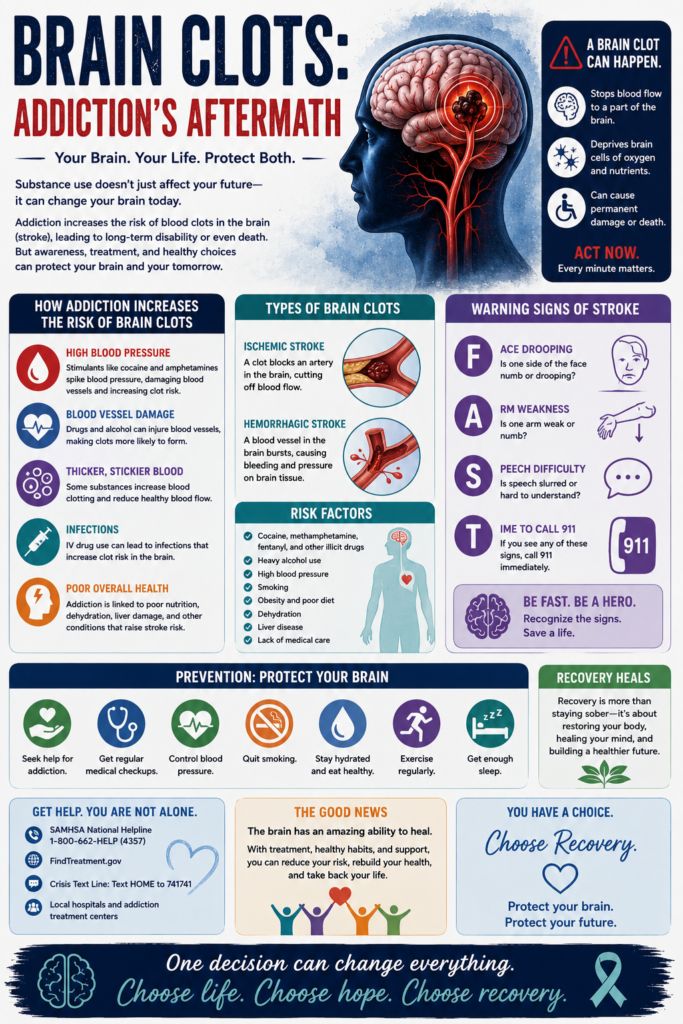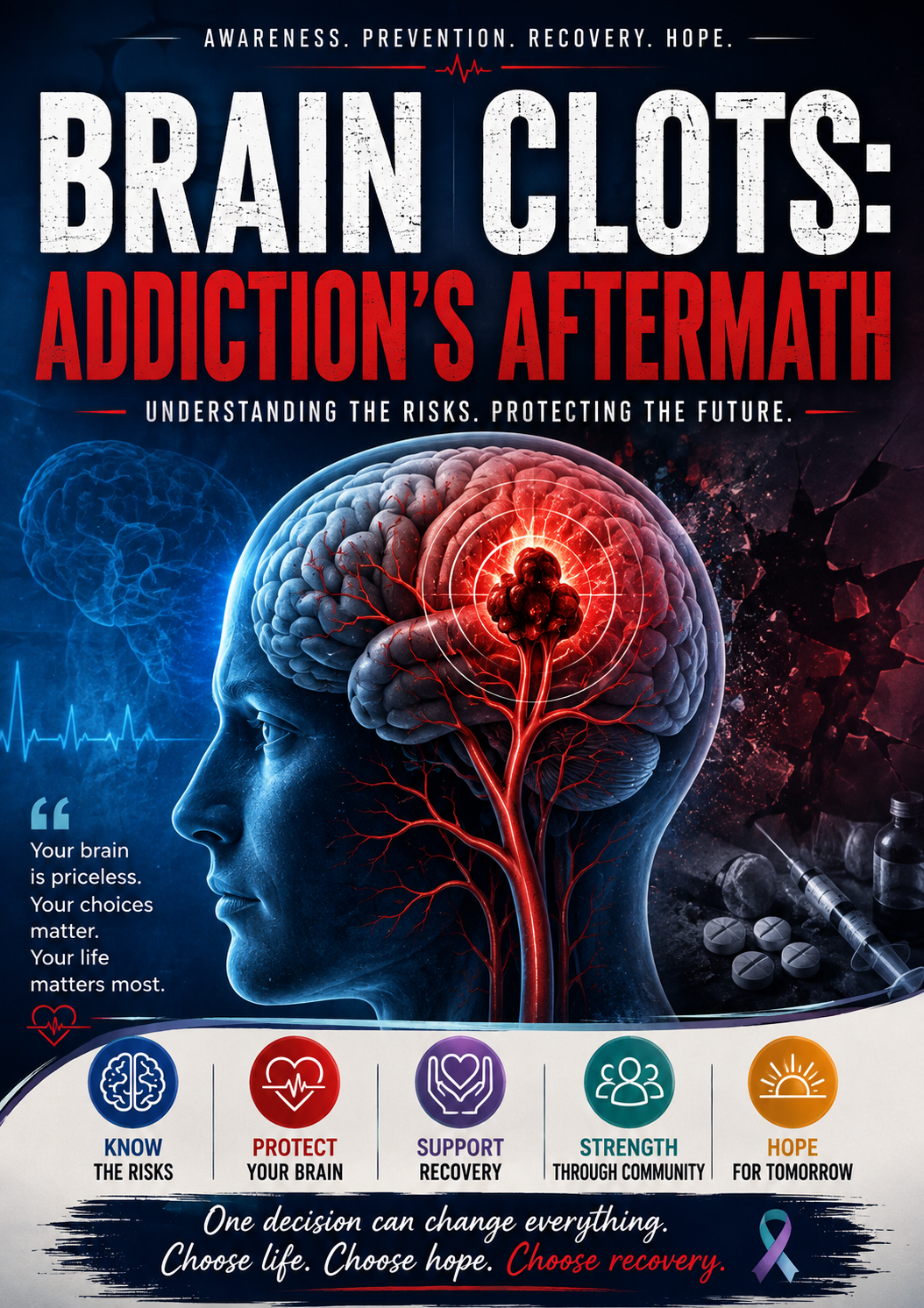
Brain clots don’t always get the spotlight when talking about addiction, but they’re a real risk that’s often overlooked. When people hear about the health problems tied to addiction, they usually think of liver disease or heart issues, not necessarily the brain. But once you know how addiction can cause trouble with blood flow in the brain, it’s hard to ignore how serious this can get. I’m going to walk you through how addiction affects the brain’s vessels, why clots are extra dangerous in this context, what warning signs to look for, and what you can actually do to reduce your risks if you or someone you care about is struggling post-addiction.
How Addiction Puts the Brain’s Blood Vessels at Risk
Drugs and alcohol put the body through a lot, even more than most people realize. Substances like cocaine, meth, heroin, and even heavy drinking put major stress on the whole circulatory system, not just the liver or heart. With long-term use, damage accumulates, making the brain’s blood vessels more prone to blockages or bleeding.
For example, stimulants (like cocaine and meth) can spike blood pressure, constrict blood vessels, and make the blood more likely to clot. Opioid abuse can also tip the body’s balance in a way that raises clotting risks, especially if someone is injecting drugs. Alcohol, when used heavily, thins blood at first but can lead to clot-promoting issues such as atrial fibrillation (an irregular heartbeat).
A brain clot, also called a cerebral thrombosis or stroke, can happen when a substance triggers one of these responses. Over time, the vessels weaken or become inflamed, or the heart becomes less efficient at pumping blood, giving clots a better chance to form. Some medical research indicates that the risks remain for months, highlighting the importance of proactive health care in recovery.
Understanding Brain Clots After Addiction: The Basics
A brain clot forms when a mass of blood cells and platelets partially or completely blocks an artery in the brain. This slows or cuts off oxygen supply, causing brain cells to start dying within minutes. This isn’t just a minor issue. It can change someone’s whole life, sometimes overnight.
Not everyone realizes just how closely addiction and stroke (which is what most brain clots cause) are connected. According to the American Heart Association, people who abuse drugs have a much higher risk of stroke than those who don’t. Injecting drugs can lead to infections (like endocarditis) that form clots which travel to the brain. Even quitting drug use doesn’t immediately eliminate the risk because blood vessels might already be damaged or inflamed.
- Ischemic Stroke: This is the most common type, caused by clots that block a blood vessel.
- Hemorrhagic Stroke: Sometimes, weakened vessels rupture rather than become blocked by a clot, but the risk factors overlap significantly.
- Transient Ischemic Attack (TIA): These are mini-strokes in which clots briefly block blood flow, but they can signal a bigger stroke is on the way.
Leaving clotting risks untreated after addiction recovery is like ignoring a ticking time bomb. Awareness goes a long way in preventing a full-blown crisis. In many cases, fast medical response can save lives and reduce long-term effects, making vigilance important.
Early Warning Signs: What to Watch for After Addiction
Spotting a brain clot early can make all the difference. Here’s what I pay special attention to, and I recommend anyone with a history of substance use does too:
- Sudden numbness or weakness in the face, arm, or leg (especially on one side)
- Trouble speaking or understanding what people are saying
- Sudden vision issues in one or both eyes
- Severe headache out of nowhere, with no obvious reason
- Dizziness, loss of balance, or trouble walking
I always say, when in doubt, call for help. The faster someone gets treated, the better their chances of bouncing back. It’s worth learning these signs and sharing them with loved ones, especially if addiction is part of your past.
Common Drugs Linked to Brain Clots
Some substances are more likely to cause clots and strokes than others. If you’re curious which ones raise the red flags, here’s a quick breakdown:
- Cocaine: Increases blood pressure and makes vessels constrict sharply.
- Methamphetamine: Similar effects to cocaine but can be even longer lasting.
- Nicotine: Yes, even regular old cigarettes damage vessel linings and make blood stickier.
- Alcohol: Heavy use promotes atrial fibrillation and clot risk, especially during withdrawal or binging.
- Opioids (especially injected): Track marks aren’t just cosmetic; they can be direct highways for clots or bacteria that start clotting pathways.
If you’re feeling the pressure to quit or have already started recovery, knowing this info helps you and your medical team stay on alert for warning signs. Being aware of which drugs contribute most to clot risk gives you an extra layer of defense in the recovery process.
How Recovery Changes Your Risk (and What to Do Next)
Finishing treatment for addiction is a huge step, but it doesn’t erase the risk immediately. Healing takes time, and blood vessels often need months or even years to recover their strength and normal function. I’ve seen plenty of cases where the main health crisis came after someone had already entered recovery, not during active use.
So, what’s worth paying attention to when you’re on the other side of active addiction? Recovery involves adopting new routines and addressing health concerns that weren’t top of mind before. It’s smart to stay vigilant and proactive.
- Follow up with health professionals: Stay up to date with doctor’s visits, and always mention your history of substance use. This puts you on their radar for extra monitoring.
- Adopt healthy routines: Eating a balanced diet, gentle exercise, and not skipping blood pressure or cholesterol checks help a lot. Small lifestyle tweaks can make a real difference.
- Know your numbers: Keeping tabs on your blood pressure and heart rate gives early hints if something’s off. These can be checked regularly at home or during medical visits.
- Medication adherence: If your doctor prescribes blood thinners or other stroke-prevention meds, don’t skip them. Taking your medicine as directed can be the difference between staying well and facing an emergency.
Getting Diagnosed: How Doctors Find Brain Clots
If someone with an addiction history starts showing possible symptoms, doctors usually act fast. Time is super important; delays mean more brain cells are at risk.
Diagnostics often include:
- CT or MRI scans: These show blockages, bleeding, and any signs of brain swelling.
- Blood tests: These screen for infection, clotting disorders, or side effects from substances.
- Heart checks: EKGs or echocardiograms may be used, especially if irregular heartbeat is suspected.
- Blood vessel scans: Ultrasound or dye-based tests can quickly spot blood flow problems.
Acting quickly during this phase matters for possible treatments that can literally save lives or prevent serious disability. The more details doctors have, the better they can help you recover.
Everyday Strategies for Lowering Your Odds
There’s no magic bullet for avoiding brain clots, but everyday changes really add up, especially if you’ve got a past history with substances. Here’s what I usually suggest as practical steps you can start right away:
- Stay hydrated: Dehydration thickens blood and increases the risk of clotting. Water is your friend here.
- Quit smoking (anything): Whether it’s regular cigarettes, vapes, or other inhaled substances, cutting them out gives your vessels a better shot at healing.
- Keep moving: Even simple stretches or short walks help maintain healthy circulation. Just aim for physical activity most days of the week.
- Manage stress: High stress spikes blood pressure. Mindfulness, hobbies, or counseling can really help manage it.
- Take medicine seriously: If your provider recommends aspirin or another blood thinner, stick to the advice and don’t self-medicate unless you clear it with your doctor.
Building these habits doesn’t require perfection—just consistent effort. Over time, they can make a big difference in overall health and help you feel more in control of your recovery and future.
Real-Life Experiences: Why Awareness Really Helps
I’ve talked with a lot of people in support meetings and medical settings who never realized their addiction could impact their brain health this much. Many thought they were “in the clear” once the substance was out of their system, then found themselves faced with sudden stroke symptoms or scary ER visits months later.
Understanding the connection between brain clots and addiction encourages more open conversations at clinics and rehab facilities. People are more likely to ask for help when they know what to look for, and loved ones are better prepared to act quickly if symptoms show up. There’s a lot of relief in just knowing you’re not alone; doctors can often help, and there’s always something you can do to lower your risks. Support groups and therapy can be valuable tools in this ongoing process.
Frequently Asked Questions
Question: Is brain clot risk higher even if I’m only using drugs occasionally?
Answer: Yes, even occasional or binge use can raise clot risk, especially with stimulants or heavy drinking. Risks add up, and they’re higher if you have other health issues like high blood pressure.
Question: What’s the first thing to do if I notice stroke symptoms in myself or someone else?
Answer: Call emergency services right away (911 in the US). Even if symptoms pass quickly, they need to be checked professionally because a bigger stroke could be coming.
Question: Does going through rehab or quitting drugs lower my stroke risk?
Answer: Cutting out substance use absolutely helps reduce risk over time. However, some blood vessel damage may linger, so regular health checks and preventive care are really important even after quitting.
Key Takeaways for Moving Forward
Staying mindful of how addiction affects brain health, especially clot risks, can help prevent some of the most serious outcomes. Building healthy routines, understanding warning signs, and keeping in touch with medical professionals gives you a much better shot at long-term recovery and lower risks. Brain clots are serious, but a little awareness and smart habits go a long way in keeping you or your loved ones protected.
Video: Why Substance Abuse Can Lead to a Stroke #shorts #AddictionEducation #StrokePrevention