Antidepressants in Opioid Treatment

Opioid use disorder (OUD) frequently occurs alongside mental health conditions such as depression, anxiety, bipolar disorder, and psychotic disorders. These co-occurring conditions can make recovery more challenging and increase the risk of relapse if left untreated. While medications such as buprenorphine, methadone, and naltrexone are the primary treatments for OUD, antidepressants and antipsychotics may also … Read more

Understanding MOUD Stigma

Stigma surrounding medications used to treat addiction remains one of the most significant barriers to recovery. Despite decades of research demonstrating the effectiveness of medications for opioid use disorder, many individuals continue to face judgment, misunderstanding, and discrimination when seeking treatment. Misconceptions such as “replacing one drug with another” or the belief that recovery must … Read more

Sobriety Without Fulfillment

Sobriety is often viewed as the ultimate goal of addiction recovery, representing freedom from drugs or alcohol and the beginning of a healthier life. However, many individuals discover that becoming sober does not automatically create happiness, emotional peace, or fulfillment. Some people continue to experience feelings of emptiness, boredom, loneliness, anxiety, or lack of purpose … Read more

Support vs. Rescue in Addiction

Understanding the difference between empathetic support and rescue is an important part of addiction recovery for individuals, families, and communities. Addiction often creates emotional pain, fear, stress, and uncertainty for both the person struggling with substance use and the loved ones trying to help. Empathetic support focuses on compassion, encouragement, healthy communication, and emotional understanding … Read more

Spiritual Strategies for Sobriety

Spiritual strategies for sobriety have become an important part of recovery for many individuals struggling with substance use disorders. Addiction often affects not only physical health but also emotional wellbeing, relationships, and a person’s sense of purpose and identity. Spiritual approaches to recovery focus on helping individuals find meaning, hope, inner peace, and emotional healing … Read more

Matrix Therapy for Stimulants

The Matrix Model is an evidence-based treatment approach designed specifically to address stimulant use disorders involving substances such as cocaine and methamphetamine. Stimulant addiction can significantly affect physical health, mental wellbeing, relationships, and daily functioning, making recovery a complex and ongoing process. Developed as a structured outpatient program, the Matrix Model combines cognitive-behavioral therapy, relapse … Read more

Housing and Addiction Recovery

Housing-First is an evidence-based approach that has become increasingly valuable in supporting people with substance use disorders (SUDs) who are experiencing homelessness or unstable housing. Unlike traditional treatment models that often require individuals to achieve sobriety before qualifying for permanent housing, the Housing-First approach provides safe, stable housing as the first step in recovery. Once … Read more

Can GLP-1 Help Prevent Addiction?

Glucagon-like peptide-1 (GLP-1) receptor agonists have transformed the treatment of type 2 diabetes and obesity by improving blood sugar control, promoting weight loss, and reducing the risk of certain cardiovascular complications. More recently, researchers have discovered that these medications may also influence the brain’s reward and motivation pathways, leading to growing interest in their potential … Read more

AI and Human Connection in Recovery

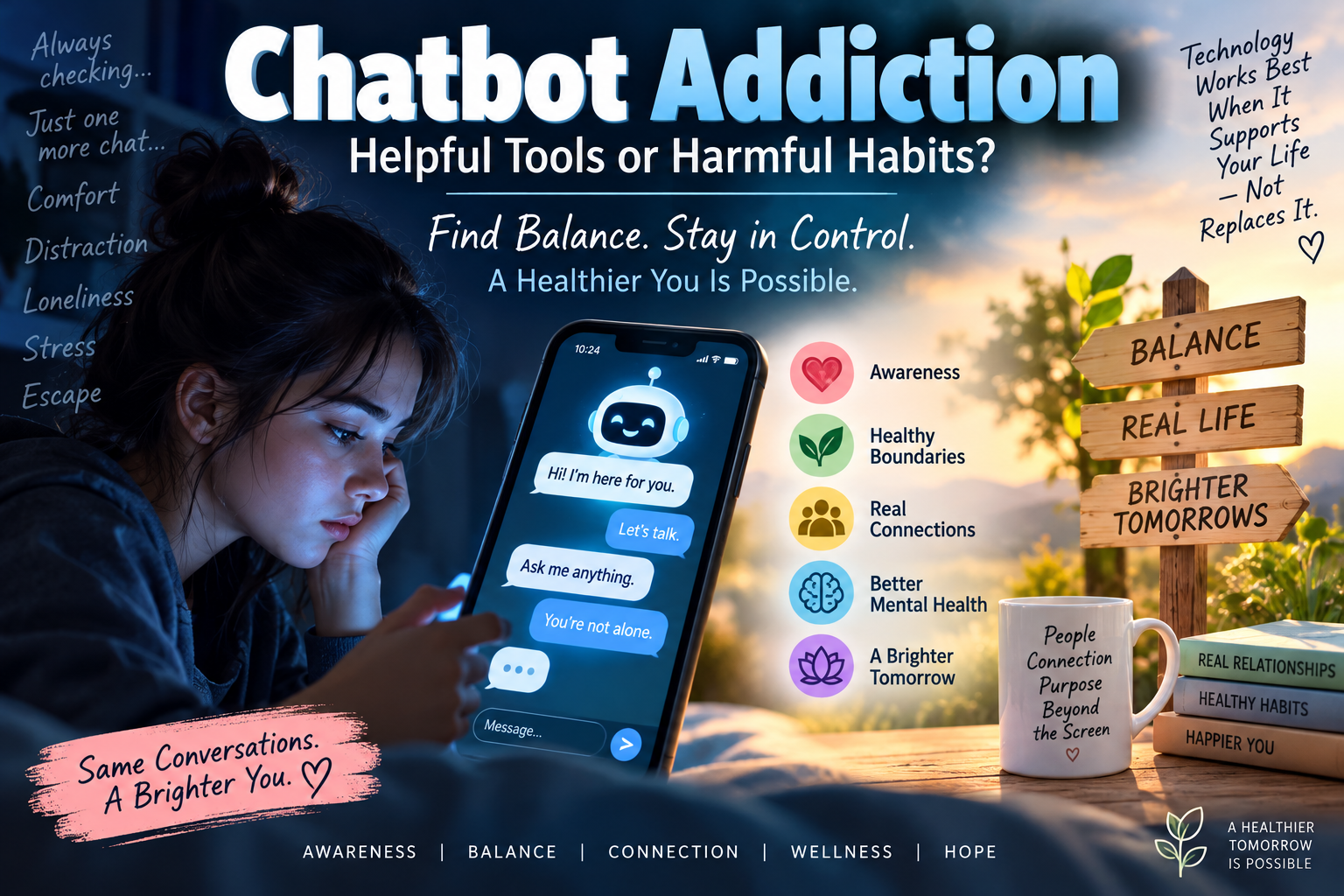
Artificial intelligence (AI) is becoming an increasingly valuable tool in addiction recovery by expanding access to education, self-management resources, and personalized support. AI can help individuals better understand addiction, recognize relapse triggers, develop coping strategies, monitor recovery progress, and reinforce healthy daily habits at any time of the day. However, while technology can improve access … Read more

Sound Waves & Addiction Recovery

The idea that sound waves can “detox” addiction has gained attention through social media, wellness programs, and alternative health practices. While sound-based therapies—including music therapy, singing bowls, binaural beats, vibroacoustic therapy, and guided sound meditation—may promote relaxation, reduce stress, and improve emotional well-being, there is currently no scientific evidence that sound waves remove drugs or … Read more