Understanding Addiction Medicine

Addiction medicine is a specialized field of healthcare dedicated to preventing, diagnosing, and treating substance use disorders through evidence-based, patient-centered care. Recognizing addiction as a chronic but treatable medical condition, addiction medicine combines medications, behavioral therapies, mental health care, and long-term recovery support to address the physical, psychological, and social aspects of the disease. Rather … Read more

Mobile Addiction Treatment Programs

Mobile addiction treatment programs are expanding access to evidence-based care by delivering healthcare services directly to people in their communities. Operating from specially equipped vans or mobile clinics, these programs offer medical assessments, medications for opioid use disorder, counseling, mental health screenings, overdose prevention education, and referrals to additional health and social services. By overcoming … Read more

PTSD and Substance Use Disorder

Post-traumatic stress disorder (PTSD) and substance use disorder (SUD) are closely connected conditions that often occur together and can have profound effects on a person’s physical health, mental well-being, relationships, and overall quality of life. PTSD develops after experiencing or witnessing a traumatic event, such as military combat, childhood abuse, sexual assault, domestic violence, serious … Read more

Trauma-Informed Addiction Care

Trauma and addiction are closely connected, with many individuals using alcohol or drugs as a way to cope with the emotional pain caused by adverse life experiences. Trauma may result from childhood abuse or neglect, domestic violence, sexual assault, military combat, serious accidents, natural disasters, community violence, or the loss of a loved one. These … Read more

Mental Health & Addiction Barriers

Mental health conditions and substance use disorders are among the most common and treatable health conditions, yet millions of individuals do not receive the care they need because of numerous barriers to treatment. These obstacles may include stigma, financial hardship, limited access to qualified healthcare providers, transportation difficulties, childcare responsibilities, insurance restrictions, cultural differences, and … Read more

Recovery for Mothers with Children

Addiction recovery facilities for mothers with children provide a unique, family-centered approach to treating substance use disorders by addressing the needs of both the mother and her children. Many women delay or avoid seeking treatment because they fear being separated from their children, losing custody, or being unable to meet their parenting responsibilities while receiving … Read more

Why Everyone Recovers Differently

Recovery from addiction is a unique and deeply personal journey that cannot be measured by a single timeline or treatment approach. Every individual enters recovery with different life experiences, health conditions, family dynamics, emotional challenges, and personal goals. Factors such as the type of substance used, the duration of addiction, co-occurring mental health conditions, available … Read more

WHO’s MPOWER Framework

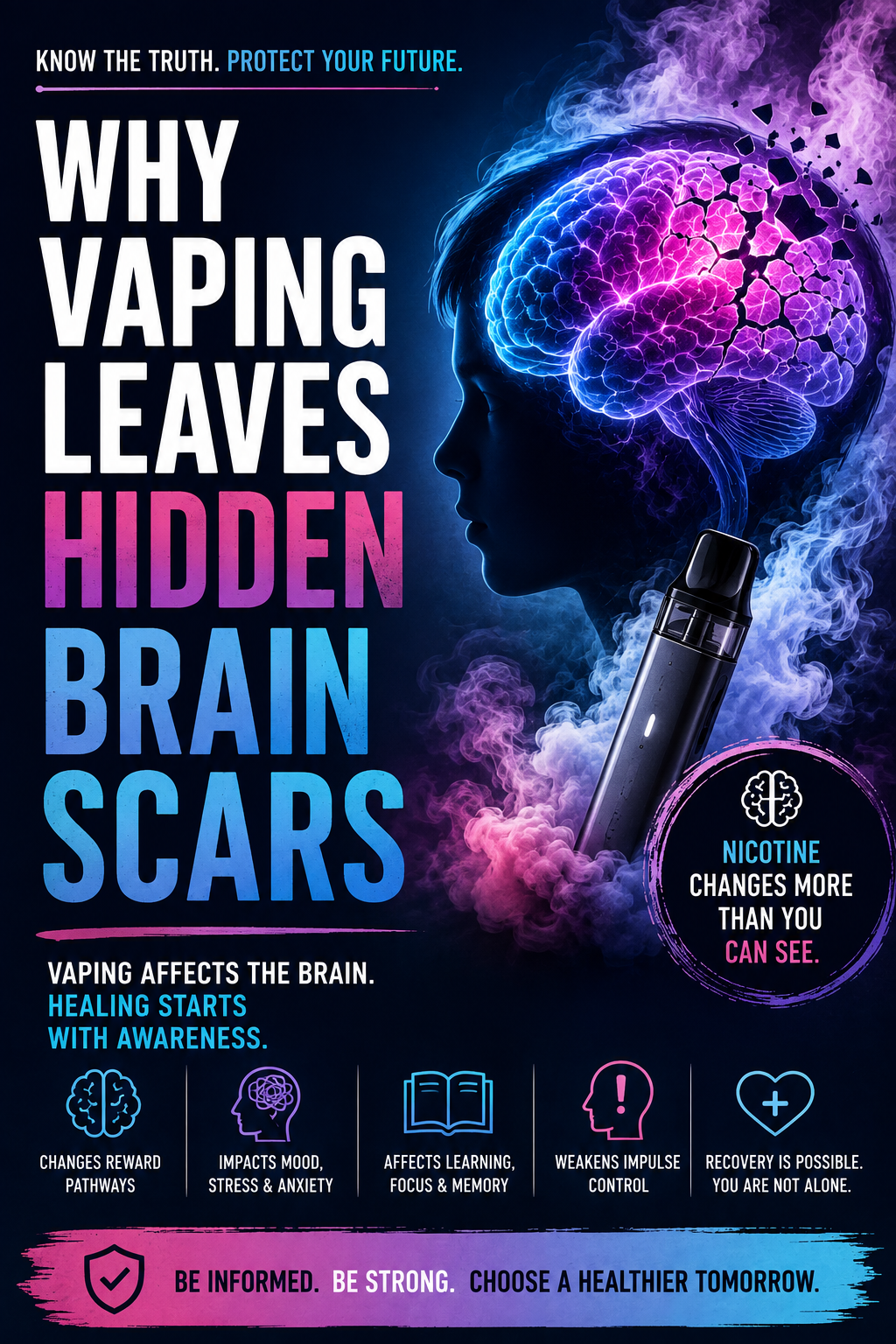
Nicotine dependency remains one of the leading preventable causes of disease, disability, and premature death worldwide. Whether delivered through traditional cigarettes, cigars, smokeless tobacco, or electronic nicotine products, nicotine is a highly addictive substance that alters the brain’s reward system and can make quitting extremely difficult. To reduce the global burden of tobacco-related disease, the … Read more

Substance Use Affects Oral Health

Substance Use Disorder (SUD) affects far more than the brain and behavior—it can have serious consequences for nearly every part of the body, including the mouth. Severe oral deterioration is a common yet often overlooked complication of substance use and may include extensive tooth decay, gum disease, dry mouth, oral infections, broken or missing teeth, … Read more

Treating Mental Health & Addiction

Dual diagnosis, also known as co-occurring disorders, refers to the presence of both a mental health disorder and a substance use disorder in the same individual. Common combinations include depression and alcohol use disorder, anxiety and prescription medication misuse, post-traumatic stress disorder (PTSD) and opioid use disorder, bipolar disorder and stimulant use disorder, or schizophrenia … Read more