Addicted Neurodivergent and Queer
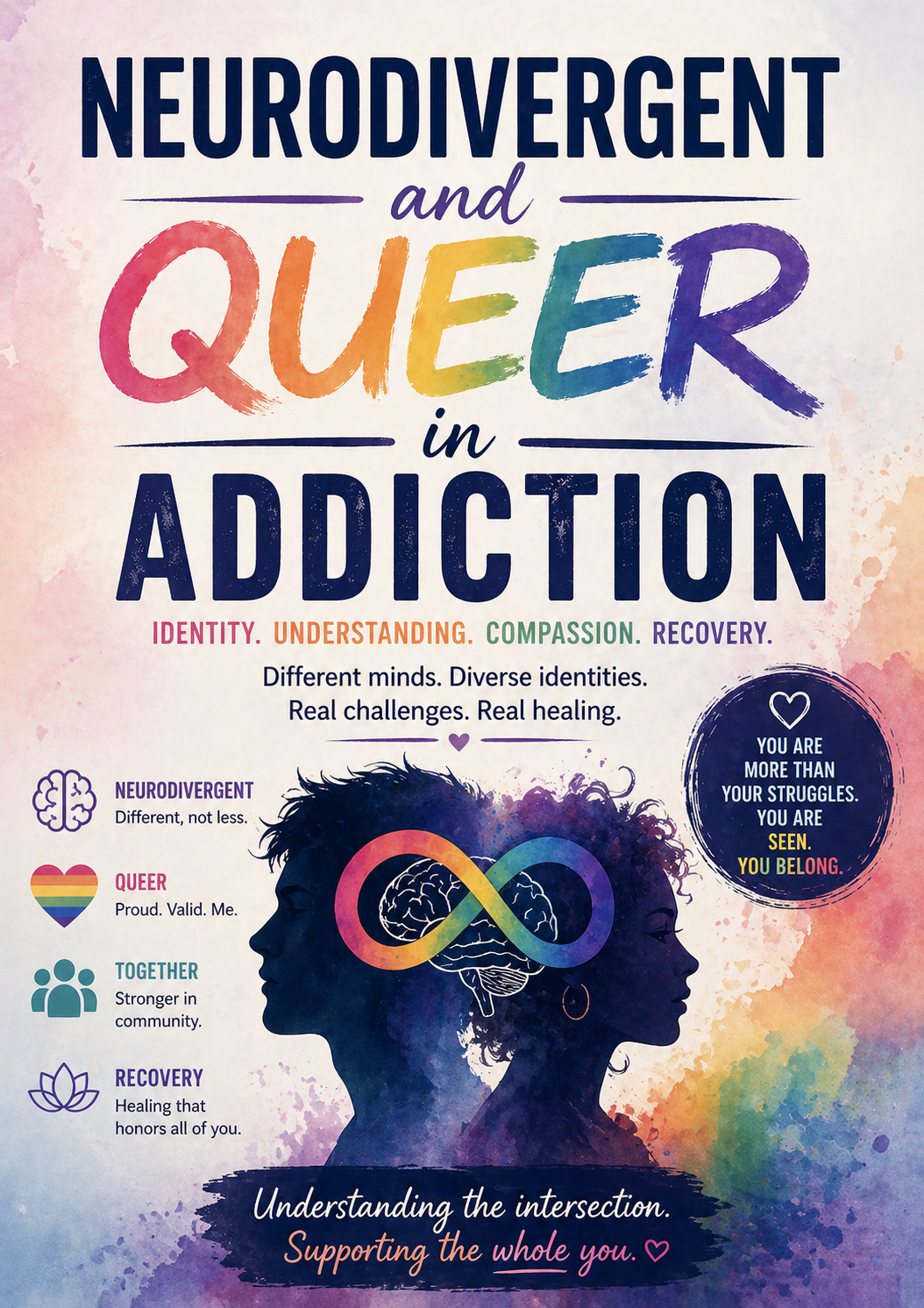
Addiction is rarely shaped by a single factor—it is influenced by identity, environment, and lived experience. For individuals who are both neurodivergent and queer, addiction often exists within a unique intersection of cognitive differences and identity-based stress. Navigating a world that may not fully understand or accommodate either identity can lead to challenges such as … Read more
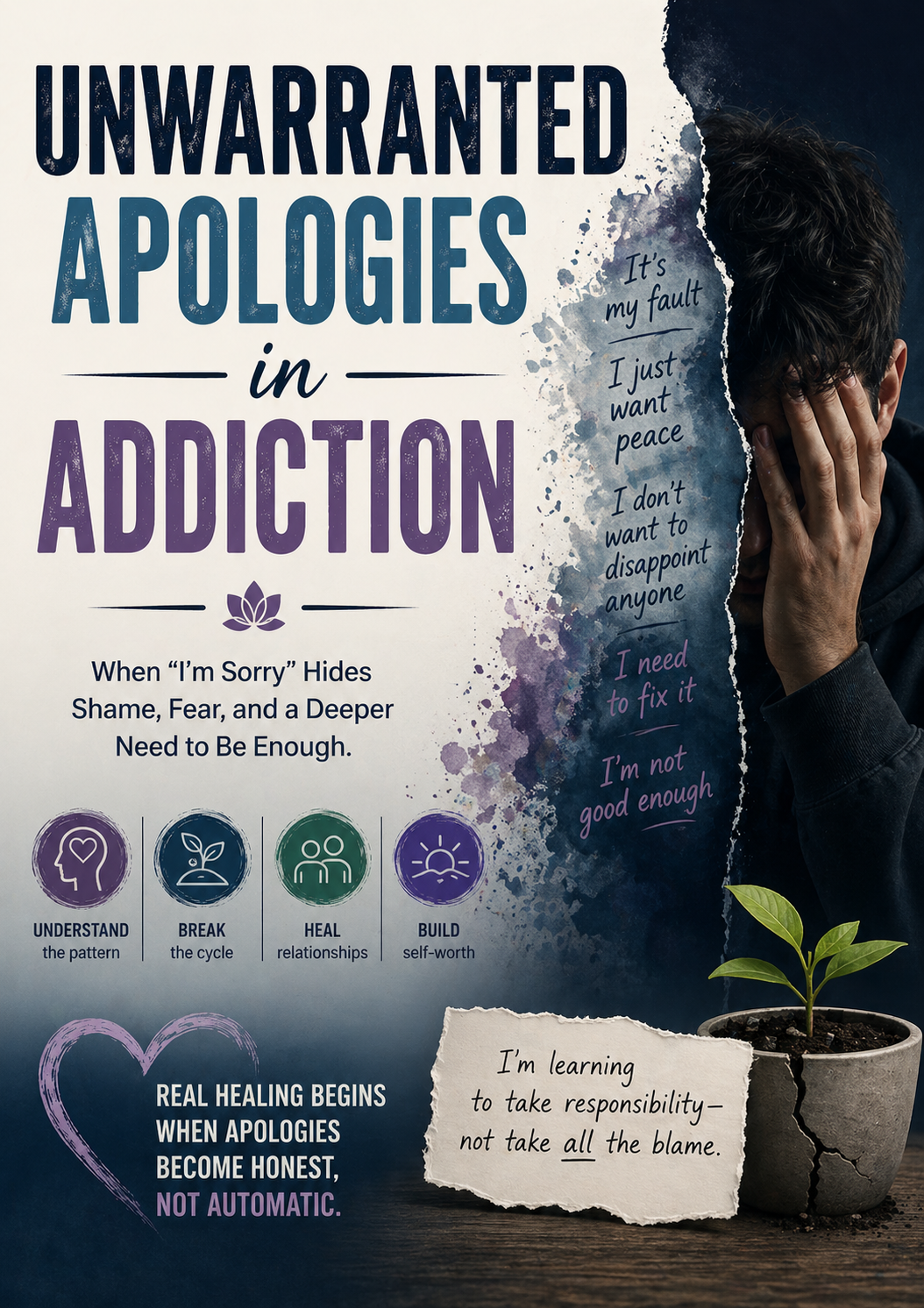
Unwarranted Apologies in Addiction

In the context of addiction and recovery, apologies are often seen as necessary steps toward accountability and repairing relationships. However, not all apologies reflect genuine responsibility. Unwarranted apologies in addiction—those given excessively, automatically, or without clear cause—can reveal deeper psychological patterns tied to shame, low self-worth, and emotional survival. Rather than signaling growth, these apologies … Read more

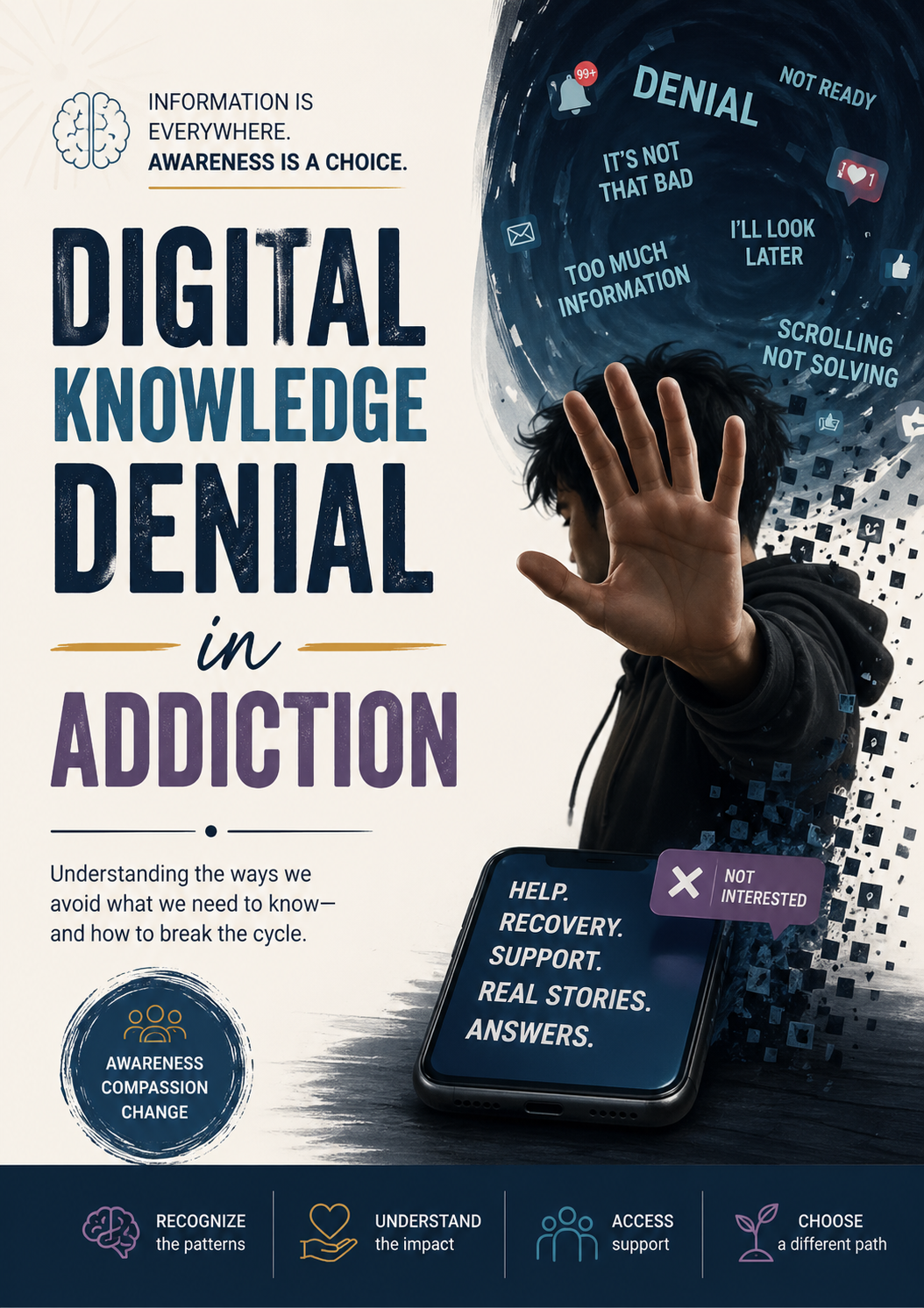
Digital Knowledge Denial

In an era where information about addiction is constantly available—through articles, social media, research, and personal stories—it might seem that awareness should come easily. Yet, many individuals struggling with addiction actively or unconsciously avoid engaging with this knowledge. This phenomenon, known as digital knowledge denial in addiction, reflects a deeper psychological process where access to … Read more

BPD and Co-Occurring Addiction

The intersection of Borderline Personality Disorder (BPD) and co-occurring addiction represents a complex relationship between emotional intensity and behavioral coping. BPD is characterized by heightened emotional sensitivity, impulsivity, and difficulty regulating feelings, while addiction often develops as a way to escape or manage that distress. When these conditions occur together, they can reinforce a cycle … Read more

HIV, Mental Health, and Addiction

The intersection of HIV/AIDS, mental health, and addiction represents a complex and deeply interconnected set of challenges that extend beyond physical health alone. An HIV diagnosis can bring emotional strain, stigma, and uncertainty, which may influence mental well-being and coping behaviors. At the same time, mental health conditions and substance use can affect treatment adherence … Read more

OCD and Addiction Recovery

Recovery from the intersection of Obsessive-Compulsive Disorder (OCD) and addiction involves addressing two deeply connected cycles of behavior and emotion. OCD is characterized by intrusive thoughts and compulsive actions, while addiction centers on repeated substance use to manage distress. When these conditions occur together, they can reinforce one another, making it more difficult to break … Read more

Choosing a Treatment Center

Choosing a treatment center is a critical step in the recovery journey and can significantly influence long-term outcomes. With a wide range of options available, it’s important to understand that not all programs are the same. Factors such as level of care, treatment approach, staff qualifications, and aftercare support all play a role in finding … Read more

Social Isolation Linked to Relapse

Social isolation—defined as a lack of meaningful relationships and supportive connections—is a key factor that increases the risk of relapse across all age groups. Recovery from addiction or unhealthy behaviors is not just an internal process; it is strongly influenced by relationships and the surrounding social environment. When individuals become disconnected from support systems, they … Read more

Naming Emotions for Mental Healing

Emotions are a natural and constant part of human experience, yet they are often misunderstood or left undefined. When feelings remain vague—described only as “stress” or “being overwhelmed”—they can intensify and become harder to manage. Naming emotions, also known as affect labeling, provides a simple yet powerful way to clarify these internal experiences. By putting … Read more

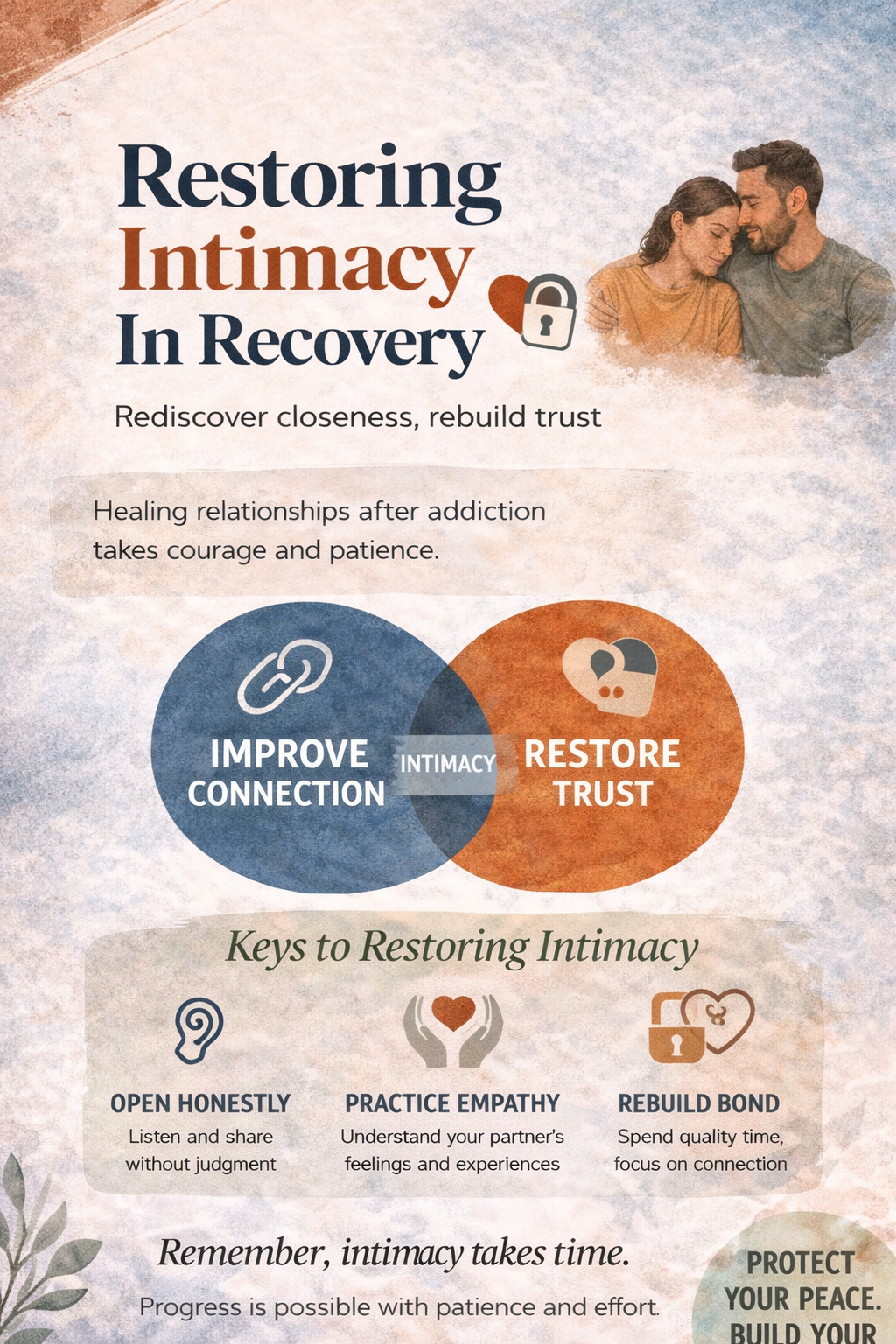
Restoring Intimacy In Recovery

Restoring intimacy can be one of the most confusing and sensitive parts of recovery, but it’s also really important for anyone hoping to rebuild connections with themselves or a partner. Intimacy isn’t just about sex; it’s about trust, honesty, and comfort with each other. Many people find their sense of closeness takes a hit during … Read more