Public Figure Relapse
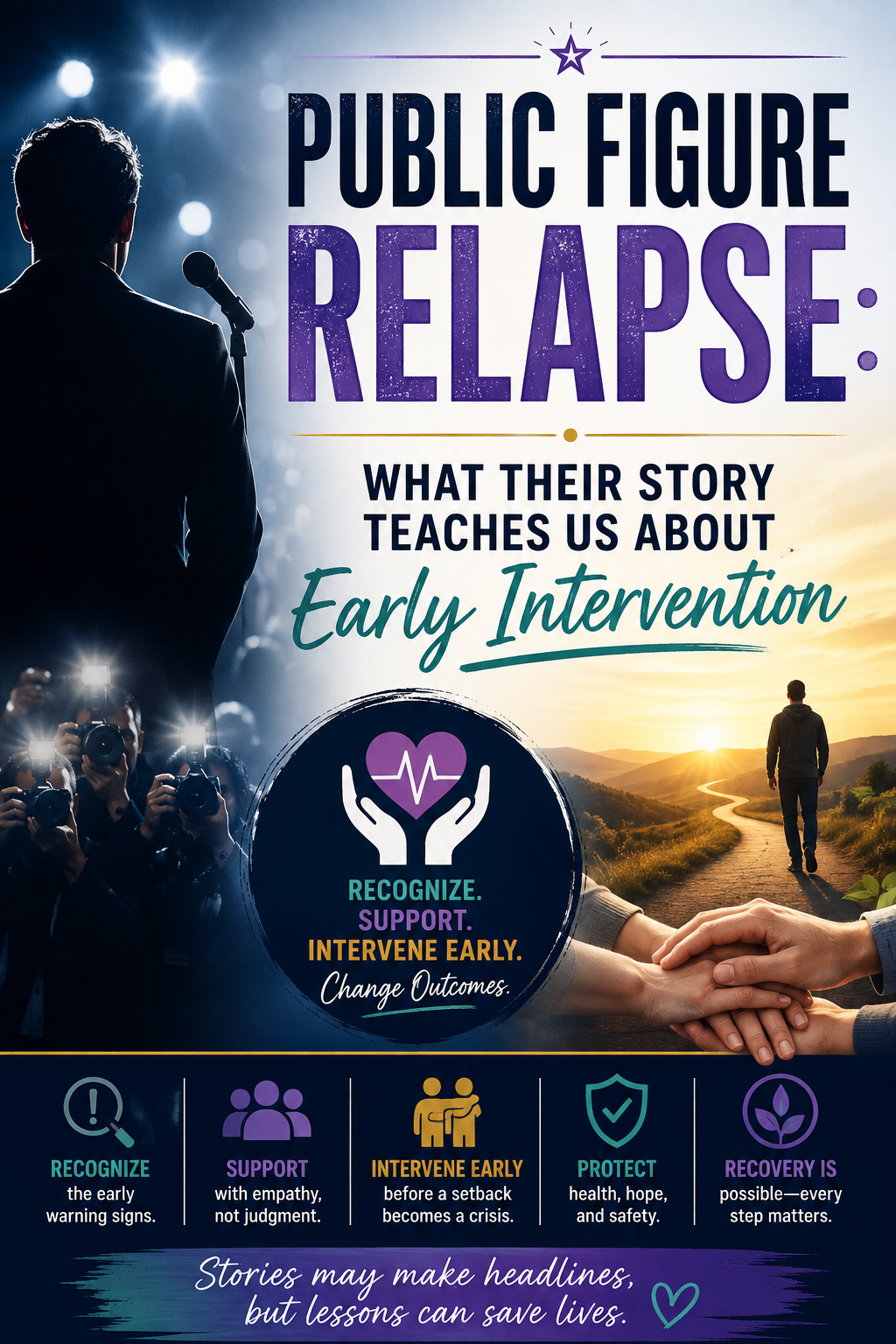
Relapse stories involving celebrities, athletes, musicians, and other public figures often attract headlines, but behind the publicity is an experience shared by many people living with substance use disorders. Recovery is rarely a perfectly straight path. A return to substance use can occur after months or even years of progress, especially when stress, cravings, untreated … Read more
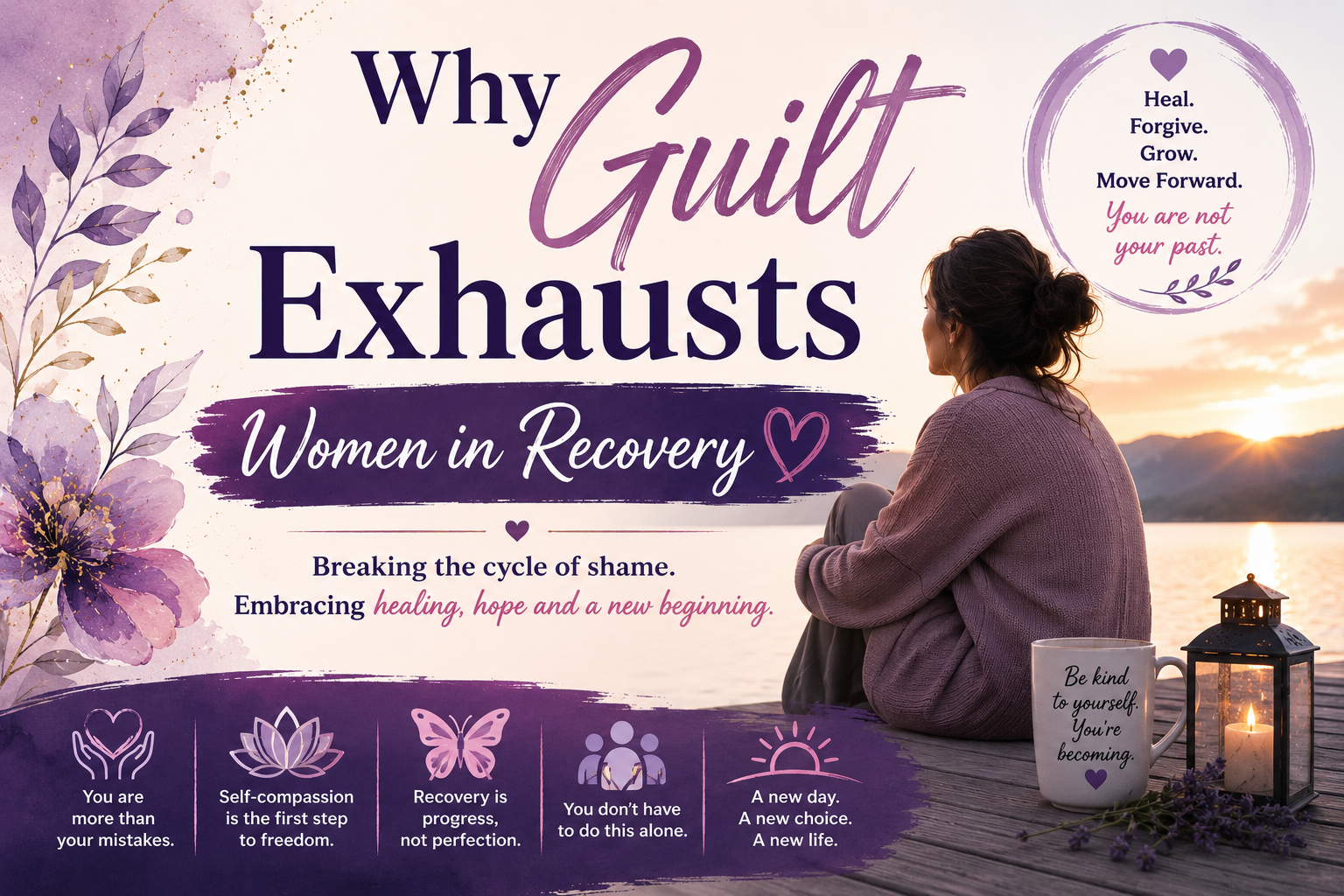
Guilt Exhausts Women in Recovery

Recovery from addiction involves much more than stopping alcohol or drug use. For many women, recovery also means confronting memories, damaged relationships, parenting concerns, financial consequences, lost opportunities, and decisions made while substance use was controlling their lives. As the mind becomes clearer, guilt about the past can become especially difficult to carry. Some guilt … Read more

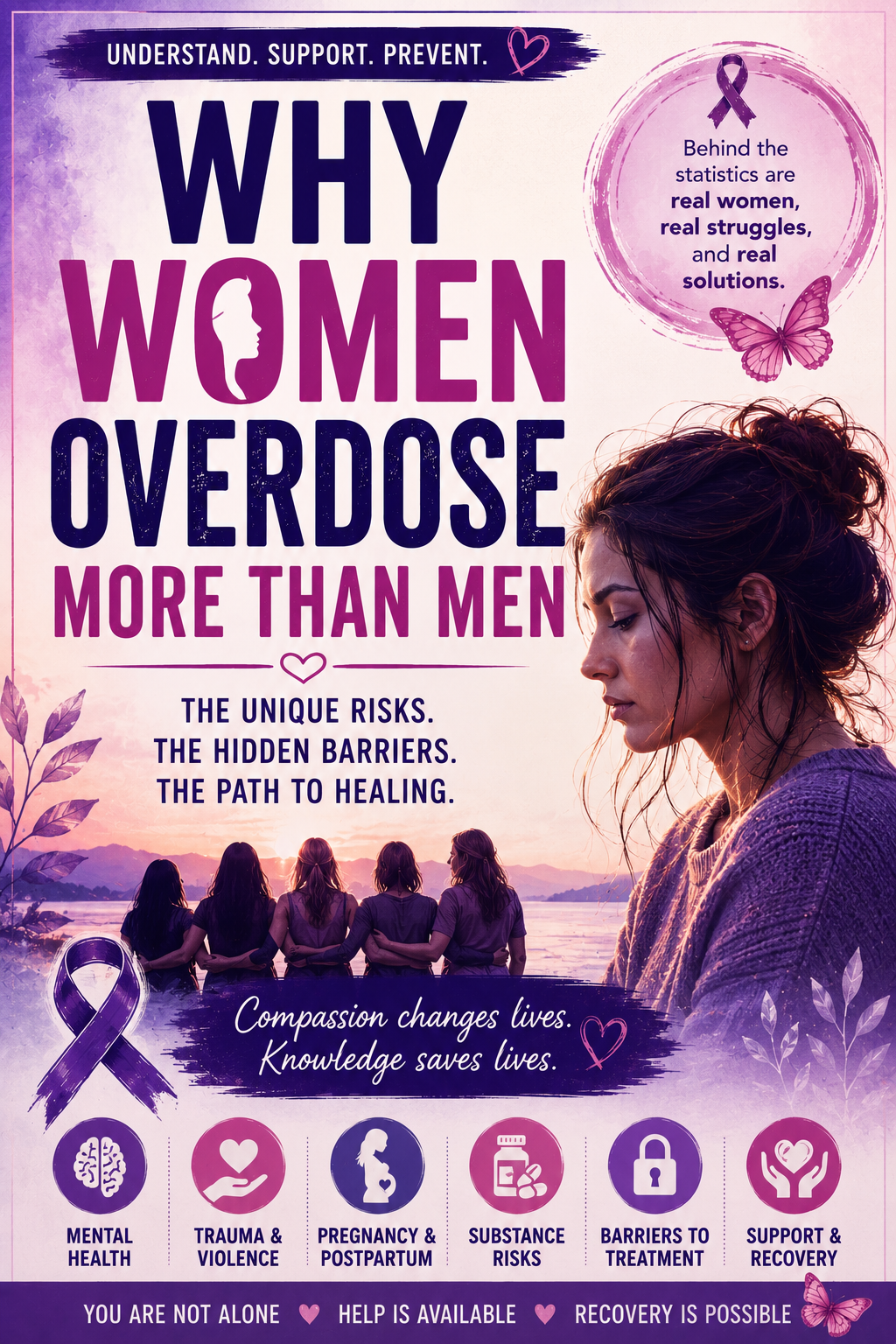
Women and Overdose Risk

Drug overdose affects both women and men, but women may experience a distinct combination of biological, psychological, medical, and social factors that influence substance use and recovery. Although men currently have a substantially higher overall overdose death rate in the United States, focusing only on that comparison can hide important risks faced by women. Trauma, … Read more

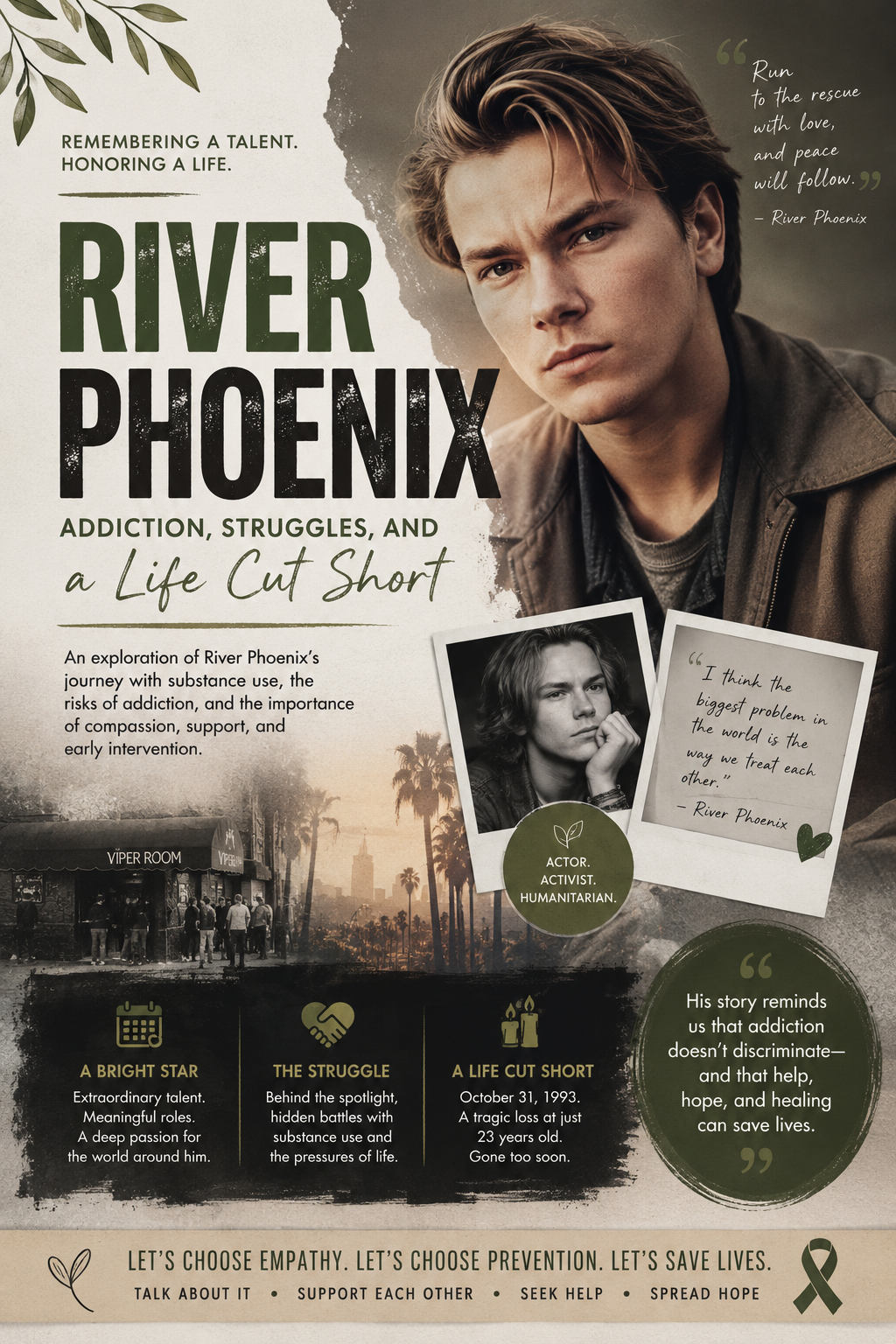
River Phoenix: Drugs & Tragedy

River Phoenix was one of the most celebrated young actors of his generation, earning recognition for memorable performances in Stand by Me, Running on Empty, and My Own Private Idaho. Beyond acting, he was known for supporting animal rights and environmental causes. Tragically, his life ended at just 23 years old after he collapsed outside … Read more

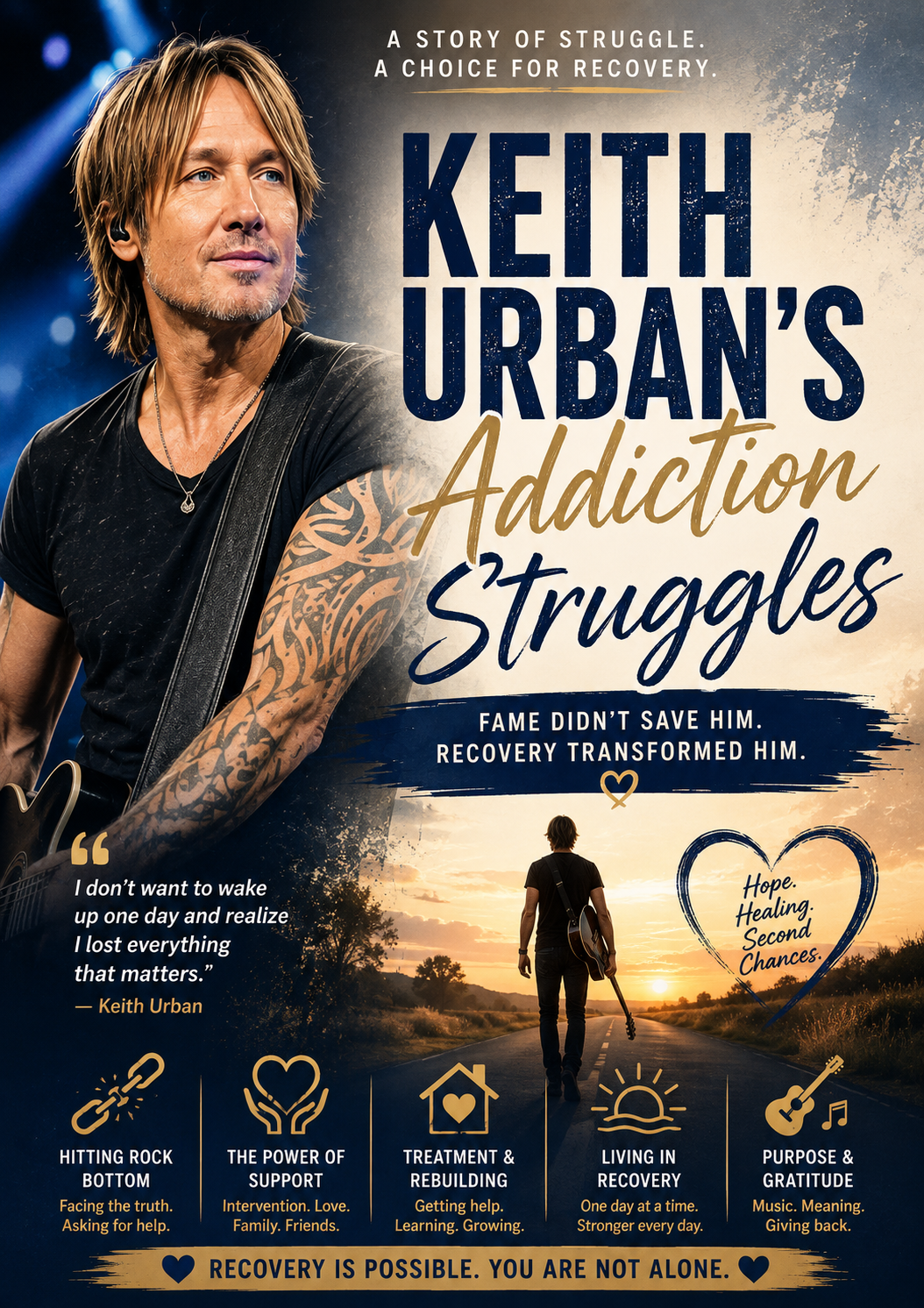
Keith Urban’s Addiction Struggles

Keith Urban is known internationally for his successful country music career, but behind his professional achievements was a long struggle with alcohol and other drug use. Urban has publicly discussed cocaine use, heavy drinking, treatment, relapse, and the work required to maintain recovery. His story demonstrates an important reality about addiction: professional success does not … Read more

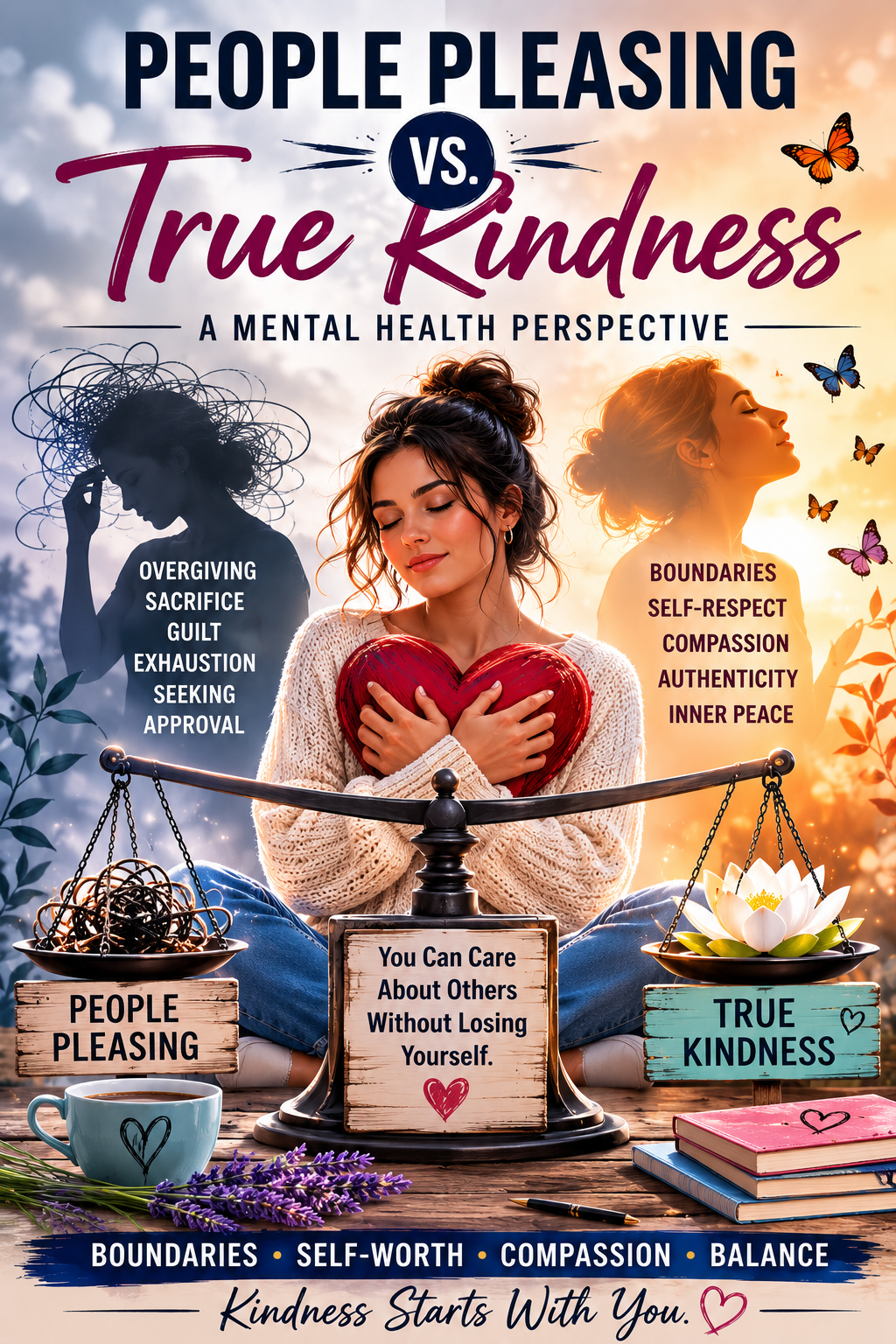
People Pleasing vs. True Kindness

Being kind and being a people pleaser can look remarkably similar from the outside. Both may involve helping others, saying yes to requests, avoiding unnecessary conflict, or putting another person’s needs first. The important difference often lies in what is happening internally. True kindness generally comes from empathy, personal values, and genuine choice. People-pleasing is … Read more

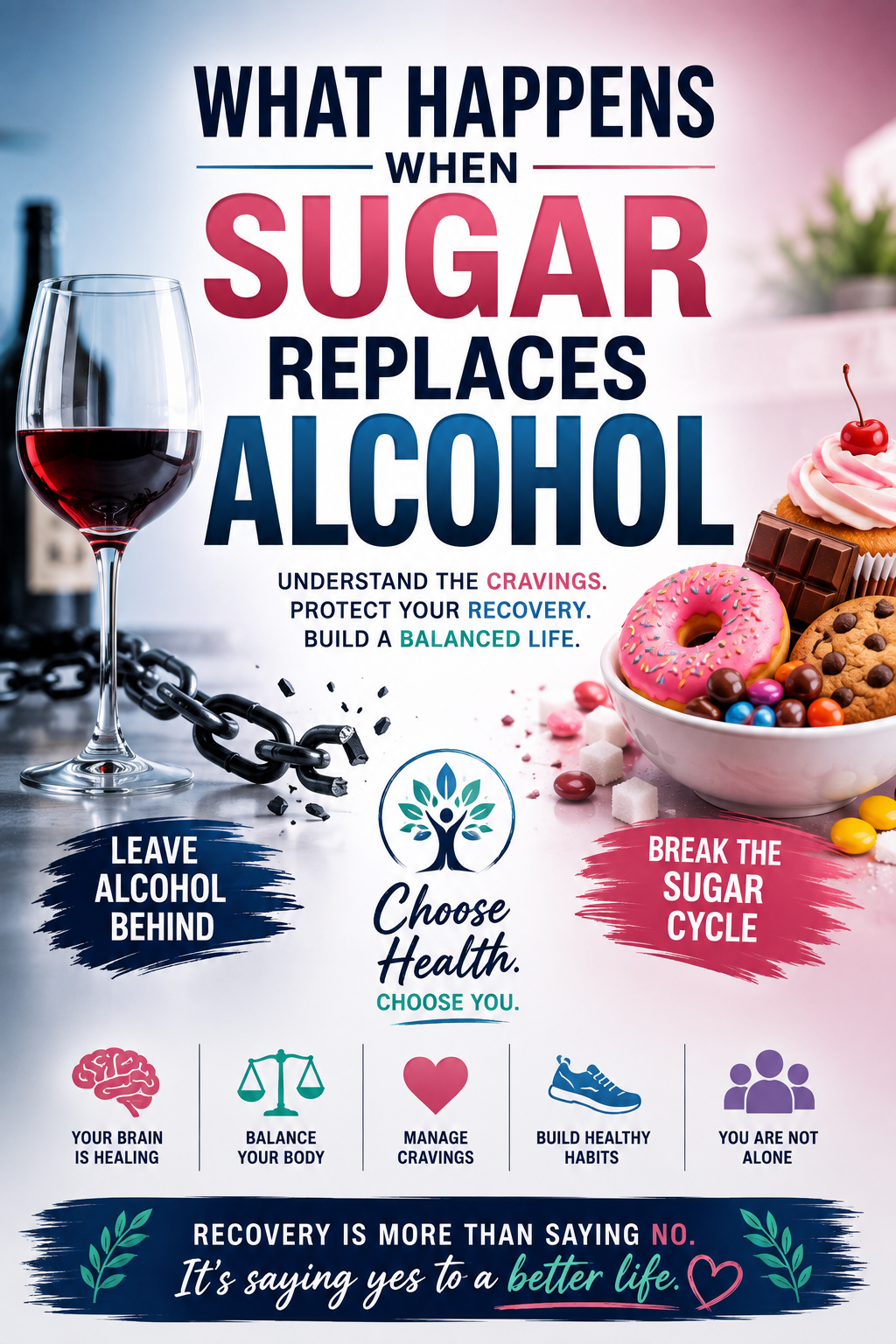
Sugar Cravings in Alcohol Recovery

Stopping alcohol can bring major improvements in physical and emotional health, but recovery sometimes comes with an unexpected change: an intense desire for sweets. Candy, cookies, ice cream, soda, and other sugary foods may suddenly become much more appealing. Some people even describe feeling as though sugar has “replaced” alcohol. This does not mean that … Read more

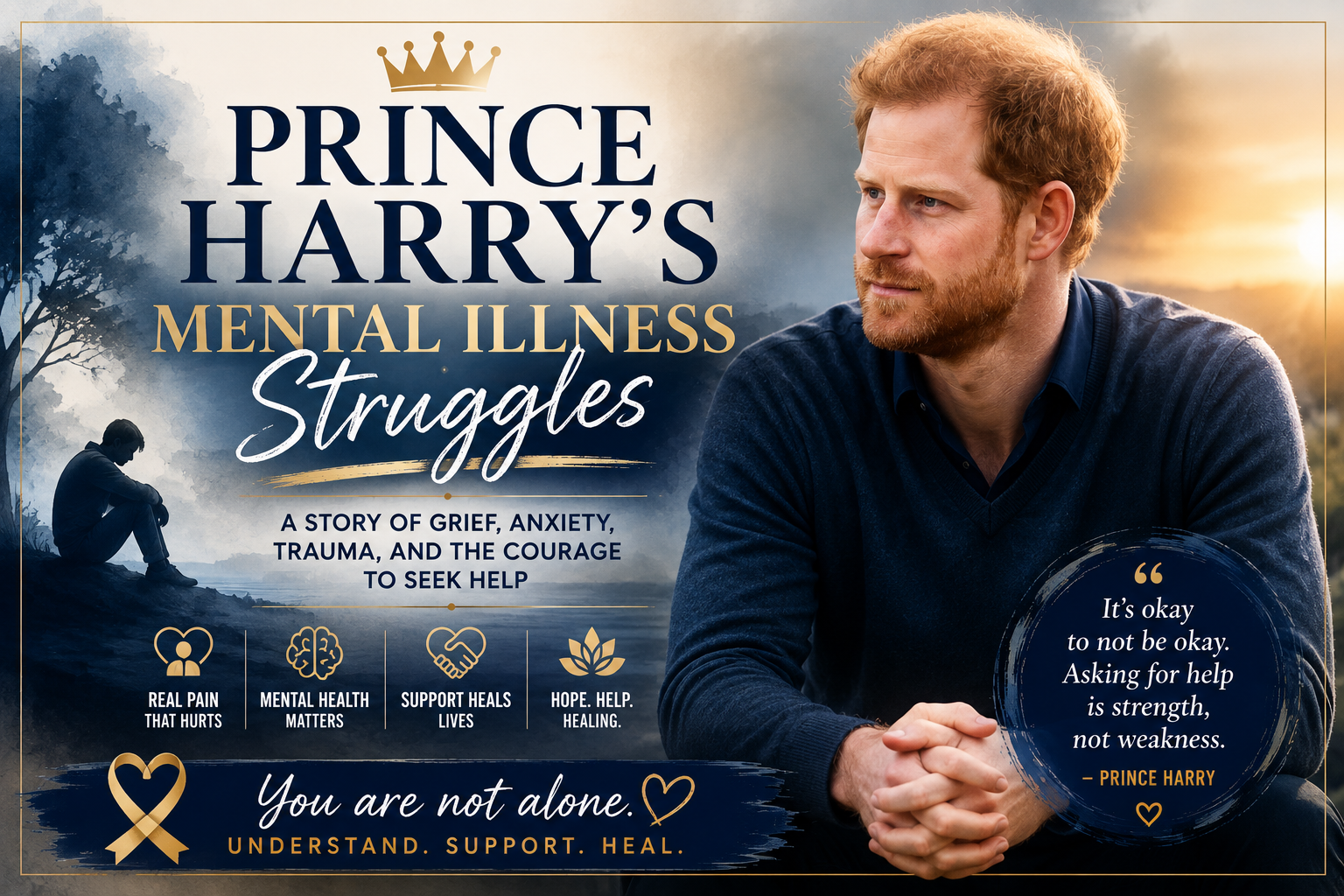
Prince Harry: Grief & Healing

Prince Harry, Duke of Sussex, has spoken publicly about experiencing significant emotional struggles following the death of his mother, Princess Diana. He was only 12 years old when she died in a car crash in 1997, an experience he has repeatedly described as profoundly affecting his life. In later interviews, documentaries, and his memoir Spare, … Read more

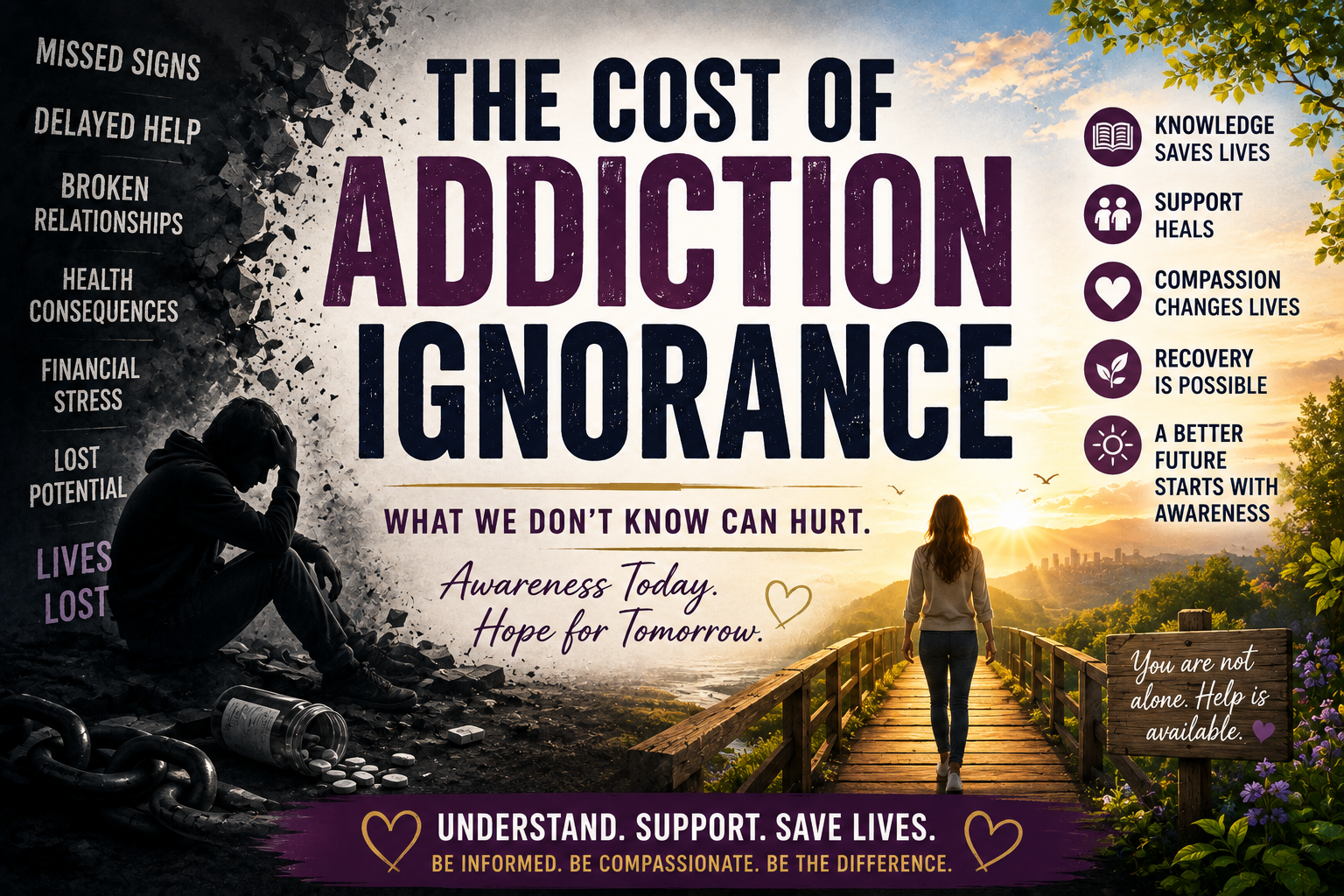
Addiction Knowledge Gap

Ignorance about substance abuse can carry a much greater cost than many people realize. Misunderstanding addiction, overlooking warning signs, believing common myths, or assuming that substance use is simply a matter of willpower can delay treatment until consequences become severe. The cost may be measured not only in dollars but also in damaged health, strained … Read more

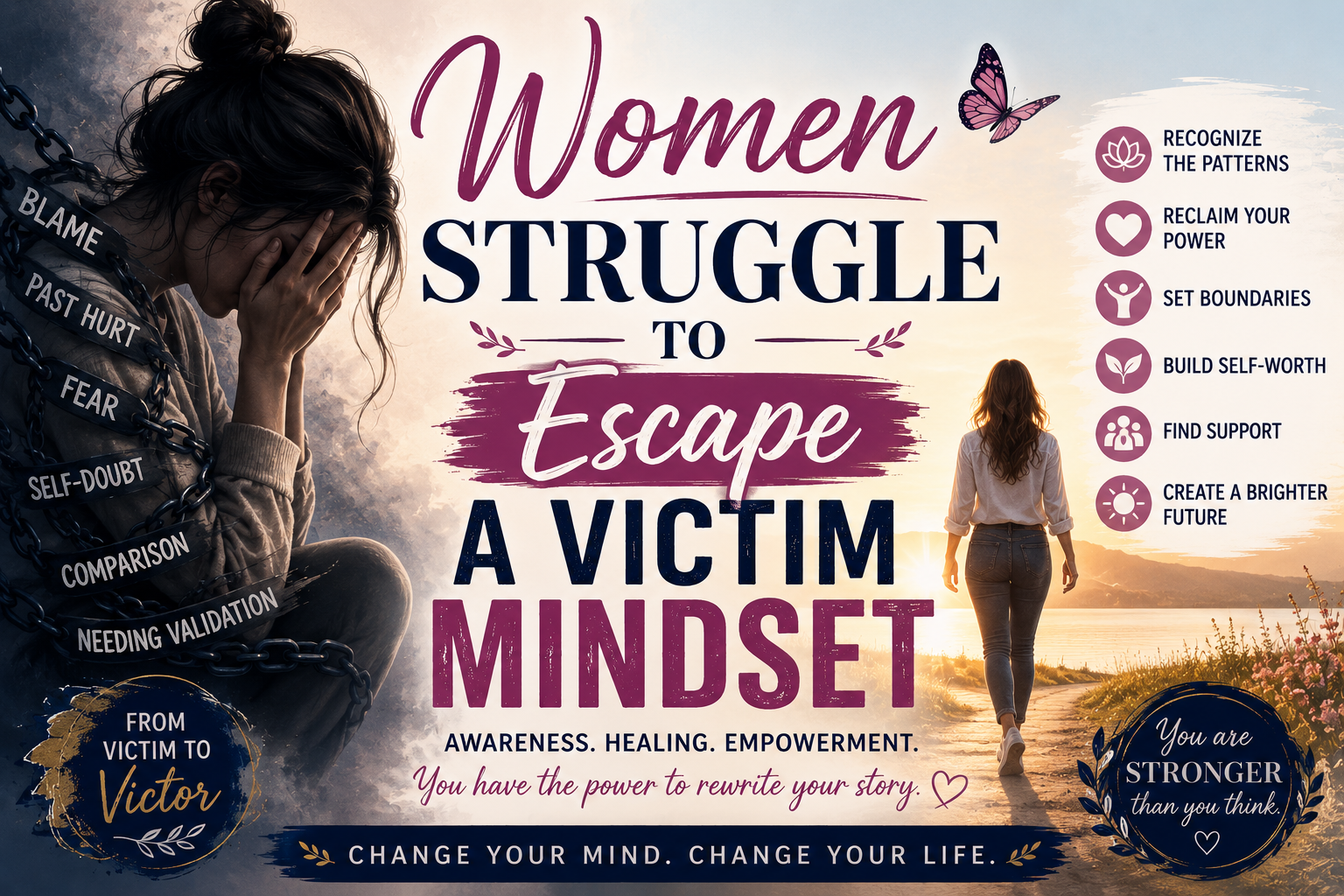
From Victimhood to Personal Power

Modern women navigate a complicated environment of career expectations, relationships, family responsibilities, financial pressures, social media, beauty standards, and competing messages about independence and success. For some women, repeated disappointments, trauma, rejection, unhealthy relationships, or chronic stress can contribute to a pattern in which they increasingly view themselves as powerless over what happens in their … Read more