Charlie Sheen: Chaos to Sobriety
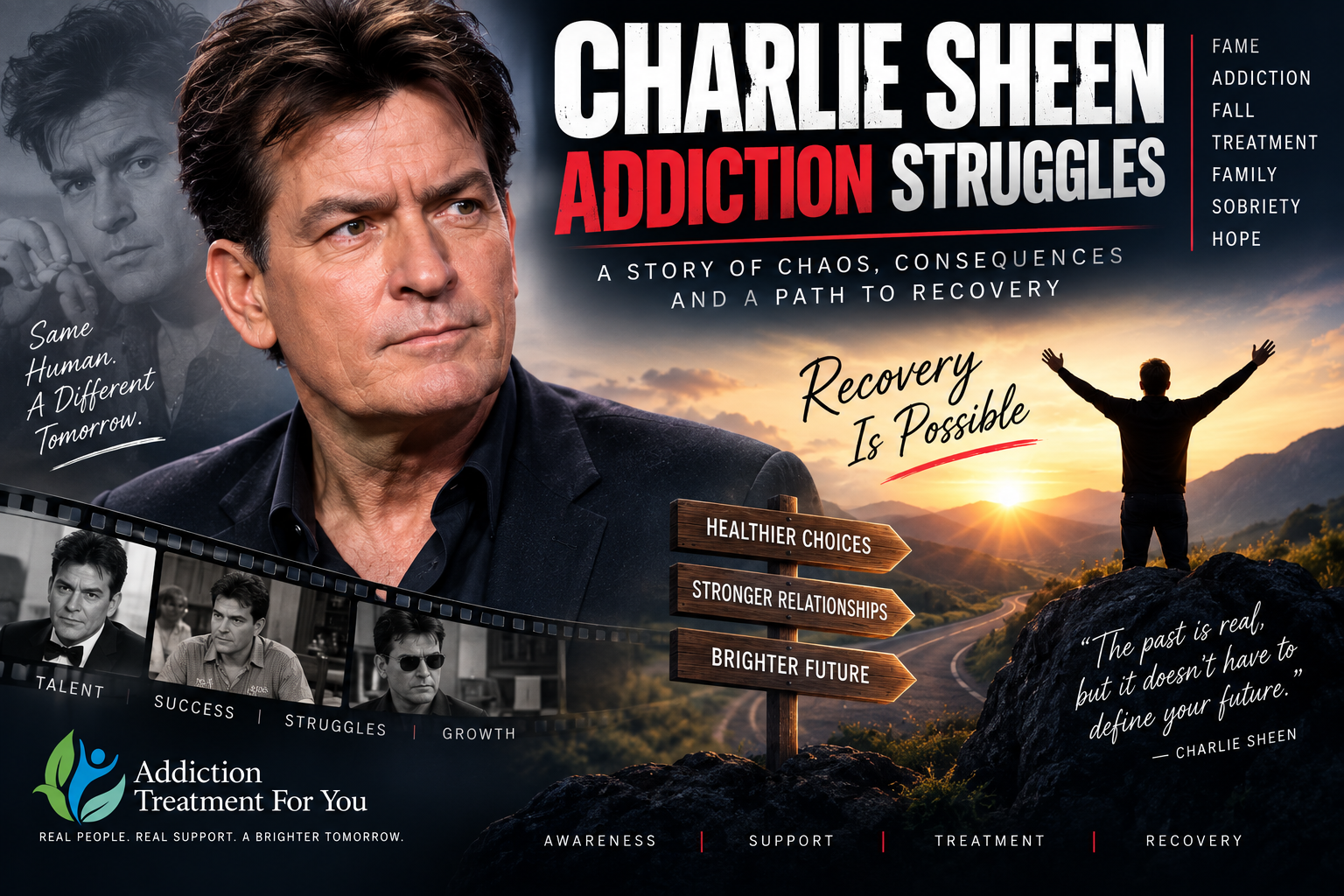
Charlie Sheen was once one of Hollywood’s highest-profile actors, known for movies such as Platoon and Wall Street and television successes including Spin City and Two and a Half Men. Behind the fame, however, Sheen experienced a long and highly publicized struggle involving alcohol, cocaine, and other drug use, repeated treatment, damaged relationships, professional consequences, … Read more