Sharon Stone is an internationally recognized actress celebrated for her performances in Basic Instinct and Casino. Behind her Hollywood success, however, Stone has faced life-threatening neurological complications, years of medical treatment, and difficult decisions about her health.
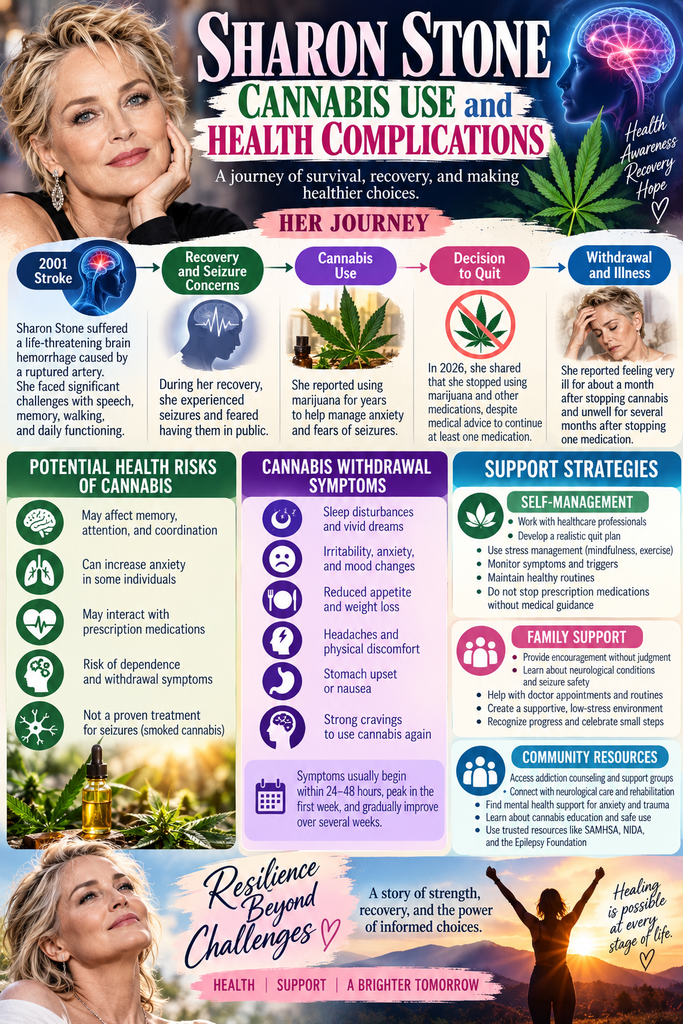
In 2001, Stone suffered a devastating stroke and brain hemorrhage that profoundly affected her physical health, career, and personal life. During her recovery, she reportedly used cannabis to help manage her fear of experiencing seizures in public.
In a 2026 interview, Stone revealed that she had stopped using marijuana and described experiencing significant illness after quitting. She also discussed her decision to discontinue certain prescription medications, despite medical advice against stopping at least one of them.
Her experiences raise important questions about cannabis dependence, withdrawal symptoms, neurological health, and the risks of discontinuing medications without medical supervision.
By examining Sharon Stone’s journey through self-management, family support, and community resources, we can better understand the challenges of substance-related behavioral changes while emphasizing the importance of safe, evidence-based medical care.
Sharon Stone’s Stroke and Long-Term Health Challenges
In September 2001, Stone experienced a ruptured vertebral artery that caused a severe brain hemorrhage. Her condition was life-threatening, and she later described facing an extremely low chance of survival.
The neurological damage significantly disrupted her life. She had difficulty walking, speaking, reading, and remembering. Her recovery required years of rehabilitation and adjustment.
Stone also discussed experiencing seizures and the emotional distress associated with living with a neurological disability.
Major challenges during her recovery included:
- Neurological impairment: Difficulties with speech, memory, coordination, and other neurological functions.
- Seizure concerns: Fear of experiencing seizures in public or professional settings.
- Emotional distress: Anxiety about her health, independence, and future.
- Career disruption: Reduced acting opportunities during her recovery.
- Family challenges: Changes in her marriage, parenting responsibilities, and custody arrangements.
- Long-term medical treatment: Ongoing neurological monitoring and prescribed medications.
Her experiences demonstrate that recovering from a serious neurological event involves more than physical rehabilitation. Emotional support, financial stability, family relationships, and access to healthcare also influence long-term well-being.
Importantly, there is no established evidence that Stone’s 2001 stroke was caused by cannabis use.
Sharon Stone’s Cannabis Use: Managing Fear and Neurological Symptoms
Following her stroke, Stone publicly discussed using marijuana because she feared having seizures in front of other people.
In a 2023 interview, she explained that she had smoked cannabis for years in an attempt to avoid experiencing seizures publicly.
Her account reflects the anxiety that can accompany chronic neurological conditions, particularly when symptoms are unpredictable or potentially embarrassing.
However, cannabis is not an established substitute for prescribed antiseizure medications. Although certain purified cannabidiol formulations have evidence-based indications for specific epilepsy syndromes, smoked cannabis has not been established as a reliable treatment for preventing seizures.
Important considerations about cannabis and neurological health include:
- Cannabis products vary considerably in THC and CBD content.
- THC may affect memory, attention, coordination, and perception.
- Frequent use can lead to tolerance, dependence, and withdrawal symptoms.
- Cannabis may interact with prescription medications.
- Some individuals experience increased anxiety, panic, or other psychological effects.
- Patients with neurological disorders require individualized medical assessment before using cannabis products.
Stone’s account illustrates why people living with chronic illness may explore different symptom-management methods. It also reinforces the importance of discussing those methods with qualified healthcare professionals.
Sharon Stone’s Decision to Quit Cannabis
In a 2026 interview, Stone described her decision to move toward a drug-free lifestyle.
She reported discontinuing several medications over time and stopping cannabis use. According to her account, she experienced substantial physical discomfort during both processes.
Stone described feeling ill for approximately four and a half months after stopping one of her prescribed medications. She also reported feeling unwell for about a month after discontinuing marijuana.
Her experiences highlight several important considerations:
- Cannabis withdrawal is real: Regular users may experience physical and psychological symptoms when they stop.
- Long-term habits can be difficult to change: Cannabis use may become associated with daily routines, emotional regulation, or perceived symptom relief.
- Withdrawal symptoms vary: Some individuals experience mild discomfort, while others report significant sleep disturbances, anxiety, and irritability.
- Medical conditions complicate cessation: People with neurological disorders may require additional monitoring.
- Prescription medication withdrawal is different: Stopping certain medications abruptly can create serious medical risks.
Stone expressed concerns about the potency and composition of modern cannabis products. Although cannabis potency has increased over time, her reported symptoms do not establish that additives caused her illness.
Her experience is consistent with the possibility of cannabis withdrawal, but the exact cause of her symptoms has not been independently confirmed.
Understanding Cannabis Withdrawal and Health Complications
Cannabis withdrawal can occur when someone who has used cannabis frequently or heavily reduces or stops consumption.
THC affects the brain’s endocannabinoid system, which helps regulate mood, appetite, sleep, and other physiological processes.
With repeated exposure, the brain adapts to THC. When cannabis use stops, temporary withdrawal symptoms may develop.
Common cannabis withdrawal symptoms
- Irritability, frustration, or anger.
- Anxiety and restlessness.
- Sleep disturbances and vivid dreams.
- Reduced appetite.
- Depressed mood.
- Headaches and physical discomfort.
- Sweating, chills, or stomach upset.
- Strong cravings to resume cannabis use.
Symptoms often begin within 24–48 hours after cessation, become more noticeable during the first week, and gradually improve over the following weeks. Sleep and mood disturbances may persist longer in some individuals.
Cannabis withdrawal is generally not life-threatening by itself, but severe symptoms, coexisting medical conditions, and withdrawal from other substances may require professional assessment.
For someone with Stone’s neurological history, medical supervision is especially important.
Self-Management Strategies: Building a Safe and Healthy Recovery Plan
Self-management involves understanding personal health risks, recognizing symptoms, and making informed treatment decisions.
Sharon Stone’s experience illustrates the importance of balancing personal autonomy with medical safety.
For individuals who want to discontinue cannabis, self-management should include a realistic cessation plan and appropriate professional guidance.
Recommended self-management strategies include:
- Consult healthcare professionals: Discuss cannabis use, neurological conditions, and prescription medications before making changes.
- Develop a cessation plan: Identify a realistic timeline and establish strategies for managing cravings and withdrawal symptoms.
- Recognize triggers: Identify anxiety, stress, boredom, sleep problems, or social situations associated with cannabis use.
- Monitor symptoms: Track changes in sleep, appetite, mood, concentration, and physical health.
- Practice stress management: Use mindfulness, relaxation exercises, gentle physical activity, and breathing techniques.
- Maintain healthy routines: Prioritize regular sleep, balanced nutrition, hydration, and appropriate exercise.
- Explore behavioral therapy: Cognitive behavioral therapy and motivational enhancement therapy may help address problematic cannabis use.
- Avoid unapproved medication changes: Never discontinue prescribed antiseizure medications or other essential treatments without medical guidance.
- Seek ongoing support: Work with clinicians, counselors, or recovery specialists when symptoms interfere with daily functioning.
For patients with a history of seizures, maintaining prescribed treatment and following a neurologist’s recommendations are essential components of safe care.
Family Support Strategies: Encouragement, Understanding, and Stability
Family support can play a significant role in helping individuals manage chronic illness and substance-related behavioral changes.
Stone has spoken about the importance of her children and the challenges she experienced while rebuilding her life after her stroke.
Although her publicly reported experiences do not establish that her family participated in a formal cannabis cessation program, her journey illustrates how supportive relationships can contribute to emotional well-being.
Helpful family support strategies include:
- Encourage open communication: Allow loved ones to discuss health concerns, substance use, and treatment decisions without fear of judgment.
- Provide emotional reassurance: Recognize that chronic illness and withdrawal symptoms can create uncertainty and frustration.
- Support medical appointments: Help organize healthcare visits, transportation, and medication schedules when assistance is welcomed.
- Learn about neurological conditions: Understand seizure disorders, stroke recovery, and the importance of medication adherence.
- Recognize warning signs: Watch for worsening neurological symptoms, significant mood changes, or difficulties with daily functioning.
- Encourage healthy activities: Participate in hobbies, exercise, creative projects, and meaningful family interactions.
- Respect independence: Support personal decision-making while encouraging safe medical practices.
- Celebrate progress: Recognize improvements in health, confidence, and daily functioning.
Family members should also learn appropriate seizure first aid when supporting someone with a seizure disorder.
A supportive environment can reduce isolation and encourage individuals to stay engaged in treatment.
Community Support Strategies: Expanding Access to Healthcare and Recovery Resources
Communities play an important role in supporting people with substance use concerns and chronic neurological conditions.
Stone’s experiences demonstrate the challenges individuals may face when managing complex medical needs while attempting to change long-standing behaviors.
Effective community programs should integrate addiction education, neurological healthcare, mental health services, and disability support.
Important community support strategies include:
- Cannabis education: Provide accurate information about THC potency, dependence, withdrawal, and potential health effects.
- Accessible addiction treatment: Offer counseling and behavioral interventions for individuals experiencing cannabis use disorder.
- Neurological healthcare services: Improve access to stroke rehabilitation, epilepsy specialists, and long-term neurological monitoring.
- Mental health support: Address anxiety, depression, trauma, and emotional distress associated with chronic illness.
- Peer support groups: Connect individuals with others who have experienced stroke, seizures, or substance-related challenges.
- Family education: Teach caregivers about medication safety, neurological warning signs, and supportive communication.
- Disability advocacy: Reduce stigma and improve workplace accommodations for individuals living with neurological disabilities.
- Integrated care: Encourage collaboration among primary care clinicians, neurologists, mental health professionals, and addiction specialists.
Helpful community resources
| Organization | Support available |
|---|---|
| SAMHSA | Substance use treatment information and referral resources |
| National Institute on Drug Abuse | Cannabis research, addiction education, and prevention information |
| Epilepsy Foundation | Seizure education, safety information, and support |
| American Stroke Association | Stroke recovery education and caregiver resources |
| FindTreatment.gov | Searchable substance use and mental health treatment services |
The Importance of Medication Safety
One of the most medically significant aspects of Stone’s recent disclosures involves her decision to discontinue prescribed medications.
She reported stopping a medication despite physicians advising her not to do so. The specific medication and its indication were not publicly established in the reporting reviewed.
This distinction is important because prescription medication dependence, medication withdrawal, and addiction are not interchangeable concepts.
Some medications produce physiological withdrawal symptoms even when they have been taken exactly as prescribed.
Other medications, including certain antiseizure drugs, can create serious risks when abruptly discontinued.
Important medication safety principles include:
- Never stop prescribed antiseizure medication without consulting the treating clinician.
- Ask whether medications require gradual tapering.
- Discuss potential interactions between cannabis and prescription drugs.
- Report new seizures, severe headaches, confusion, or neurological changes promptly.
- Use shared decision-making to evaluate treatment benefits, adverse effects, and alternatives.
- Seek a second medical opinion when concerns about long-term treatment remain unresolved.
Stone’s experience should not be interpreted as evidence that discontinuing essential medications independently is safe or advisable.
Finding Healing Through Creativity and Personal Growth
Another meaningful aspect of Stone’s recovery involves her dedication to painting.
Following years of neurological challenges and professional uncertainty, she increasingly embraced visual art as a source of personal expression.
Stone has described painting as an activity that helped her process trauma, reduce anxiety, and rediscover a sense of purpose.
Her artwork became an important part of her identity beyond acting.
Creative expression can support emotional well-being by providing opportunities for relaxation, self-reflection, and meaningful achievement.
For individuals managing chronic illness or substance-related concerns, activities such as painting, music, writing, gardening, and physical recreation may complement professional treatment.
However, creative activities should not replace prescribed medical care or evidence-based addiction treatment when those services are needed.
Lessons From Sharon Stone’s Journey
Stone’s experiences offer several important lessons about neurological health, cannabis use, and personal resilience.
1. Chronic illness can affect emotional well-being. Fear, uncertainty, and changes in independence may influence how individuals cope with medical conditions.
2. Cannabis use can lead to dependence. Regular exposure to THC may produce withdrawal symptoms when use stops.
3. Withdrawal experiences vary. Some individuals experience mild symptoms, while others require additional support because of symptom severity or coexisting health conditions.
4. Medication safety is essential. Do not discontinue prescription medications without appropriate medical guidance, especially when neurological conditions are involved.
5. Family support can improve coping. Understanding, communication, and practical assistance can help individuals navigate complicated health challenges.
6. Community resources strengthen recovery. Accessible neurological care, behavioral treatment, and mental health services provide important support.
7. Personal growth can continue after serious illness. Creative expression, meaningful relationships, and new goals can contribute to long-term quality of life.
Conclusion: Sharon Stone’s Journey Toward Health, Independence, and Resilience
Sharon Stone’s experiences with cannabis use, neurological complications, and her decision to discontinue marijuana highlight the complex relationship between chronic illness, substance dependence, and personal health choices.
After surviving a devastating stroke in 2001, Stone faced years of neurological challenges, emotional distress, and professional setbacks. Her reported cannabis use reflected an attempt to manage fears surrounding seizures, while her later decision to stop using marijuana resulted in a difficult period of physical symptoms.
Her experience emphasizes that cannabis withdrawal can be uncomfortable and that people with complex medical histories should receive individualized care.
Through self-management, individuals can recognize symptoms, develop healthier coping strategies, and make informed treatment decisions. Family support provides encouragement, stability, and practical assistance. Community resources expand access to medical care, behavioral treatment, rehabilitation, and disability support.
Stone’s continued involvement in acting, art, and advocacy also illustrates that meaningful personal growth can occur after life-changing medical events.
Her journey reminds us that recovery is not simply about stopping a substance. It is about protecting health, rebuilding confidence, maintaining meaningful relationships, and making informed decisions that support long-term well-being.
Frequently Asked Questions and Answers
1. Why did Sharon Stone use cannabis?
Sharon Stone has publicly discussed using marijuana following her life-threatening stroke in 2001. She described experiencing neurological complications and fear of having seizures in public. According to her account, cannabis became part of how she coped with these concerns. However, cannabis is not an established substitute for prescribed antiseizure medication.
2. Did cannabis cause Sharon Stone’s stroke?
There is no established evidence that cannabis caused Sharon Stone’s 2001 stroke. Her medical emergency involved a ruptured vertebral artery and severe brain hemorrhage. Although research has identified associations between cannabis use and certain cardiovascular and cerebrovascular risks, these findings do not establish that cannabis caused her particular medical condition.
3. What health complications did Sharon Stone experience?
In 2001, Stone suffered a life-threatening brain hemorrhage that resulted in significant neurological complications. During her recovery, she reported difficulties with speech, memory, walking, and daily functioning. She also discussed seizure-related concerns and emotional distress. Her rehabilitation lasted several years and affected both her personal life and acting career.
4. Did Sharon Stone become addicted to marijuana?
Stone has publicly discussed long-term cannabis use and feeling physically unwell after stopping. However, there is insufficient publicly verified information to establish that she was formally diagnosed with cannabis use disorder. Long-term use and withdrawal symptoms can indicate physiological adaptation, but they do not independently confirm addiction.
5. Why did Sharon Stone decide to stop using cannabis?
In a 2026 interview, Stone described moving away from marijuana and certain medications as part of her personal health decisions. She also expressed concerns about modern cannabis products. Her decision reflects changing priorities, but it should not be interpreted as medical evidence that discontinuing cannabis or prescribed medication is appropriate for everyone.
6. Did Sharon Stone experience cannabis withdrawal symptoms?
Stone reported feeling significantly unwell for approximately one month after stopping marijuana. These symptoms may be consistent with cannabis withdrawal, particularly following frequent or prolonged use. However, the precise cause of her illness has not been independently established, and her neurological history makes it important not to assume that all symptoms were caused by withdrawal.
7. What are the common symptoms of cannabis withdrawal?
Individuals who regularly use cannabis may experience withdrawal symptoms when they stop or significantly reduce consumption.
Common symptoms include:
- Irritability, anxiety, and restlessness.
- Difficulty sleeping or vivid dreams.
- Reduced appetite and possible weight loss.
- Headaches and stomach discomfort.
- Mood changes or depressed mood.
- Sweating, chills, or physical tension.
- Strong cravings to use cannabis again.
Symptoms often begin within 24–48 hours, peak during the first week, and improve over one to three weeks. Some sleep or mood disturbances may persist longer.
8. Can cannabis help prevent seizures?
Certain purified cannabidiol (CBD) medications have demonstrated effectiveness for specific seizure disorders and are approved for particular epilepsy syndromes. However, smoked cannabis and commercially available marijuana products are not established replacements for prescribed antiseizure medications. THC may have unpredictable neurological effects, and cannabis products can interact with other medications.
People with seizure disorders should consult a neurologist before using cannabis or changing treatment.
9. Is cannabis withdrawal dangerous?
Cannabis withdrawal is generally not considered medically life-threatening by itself, but it can cause significant discomfort, sleep disturbances, anxiety, and emotional distress. Individuals with complex medical conditions, severe psychiatric symptoms, or dependence on additional substances may require closer medical supervision.
Anyone experiencing seizures, new neurological symptoms, severe confusion, or sudden weakness should seek emergency medical care rather than assuming these symptoms are related to cannabis withdrawal.
10. What self-management strategies can help someone stop using cannabis?
Individuals who want to reduce or discontinue cannabis use can benefit from developing a structured plan.
Helpful strategies include:
- Discussing cannabis use with a healthcare professional.
- Identifying emotional and environmental triggers.
- Establishing realistic cessation goals.
- Maintaining consistent sleep and exercise routines.
- Practicing mindfulness and stress-reduction techniques.
- Monitoring cravings and withdrawal symptoms.
- Considering cognitive behavioral therapy or motivational enhancement therapy.
- Seeking professional treatment if cannabis use becomes difficult to control.
People with neurological disorders should coordinate their cessation plans with their treating clinicians.
11. How can family members support someone experiencing cannabis withdrawal?
Family members can provide emotional reassurance, patience, and practical assistance. Supportive communication without criticism can help individuals feel comfortable discussing withdrawal symptoms or concerns about relapse.
Families can also encourage healthy routines, assist with medical appointments when requested, and learn to recognize warning signs of neurological or psychological complications.
12. What community resources are available for cannabis dependence and recovery?
Community resources include addiction counseling, behavioral health programs, mental health services, peer support groups, and specialized medical care.
Helpful organizations include:
- SAMHSA — Substance use treatment information and referrals.
- FindTreatment.gov — Searchable behavioral health treatment services.
- National Institute on Drug Abuse — Research-based cannabis and addiction education.
- Epilepsy Foundation — Seizure education and neurological support.
- American Stroke Association — Stroke rehabilitation and caregiver resources.
13. Did Sharon Stone stop taking prescription medications?
Stone has publicly described discontinuing certain prescription medications and experiencing a prolonged period of illness after stopping one medication. She also indicated that doctors had advised her against discontinuing at least one treatment.
The public account did not clearly identify the specific medication or its clinical indication. Abruptly stopping certain medications, particularly antiseizure medications, benzodiazepines, or other drugs associated with withdrawal, can be dangerous.
Medication changes should always be discussed with the prescribing clinician.
14. How did Sharon Stone cope emotionally after her stroke?
Stone has discussed the emotional difficulties associated with neurological recovery, career changes, and personal challenges. She later embraced painting as a meaningful form of creative expression.
Activities such as painting, music, writing, mindfulness, and social connection may help individuals manage stress and improve emotional well-being. However, these activities should complement, not replace, necessary medical or psychological treatment.
15. What are the most important lessons from Sharon Stone’s experience?
Stone’s experiences highlight several important lessons about chronic illness, substance use, and recovery.
- Cannabis use can result in dependence and withdrawal symptoms.
- Neurological conditions require individualized medical care.
- Cannabis should not replace evidence-based seizure treatment.
- Do not discontinue prescription medications without medical supervision.
- Family encouragement can support emotional stability and healthier choices.
- Community resources can improve access to addiction treatment and neurological rehabilitation.
- Personal growth and meaningful activities can contribute to long-term well-being.
Video: