Doja Cat, born Amala Ratna Zandile Dlamini, is an award-winning rapper, singer, and songwriter known for her creativity, energetic performances, and chart-topping hits. However, behind her musical success, she has publicly discussed struggles with nicotine addiction and serious throat-related health complications.
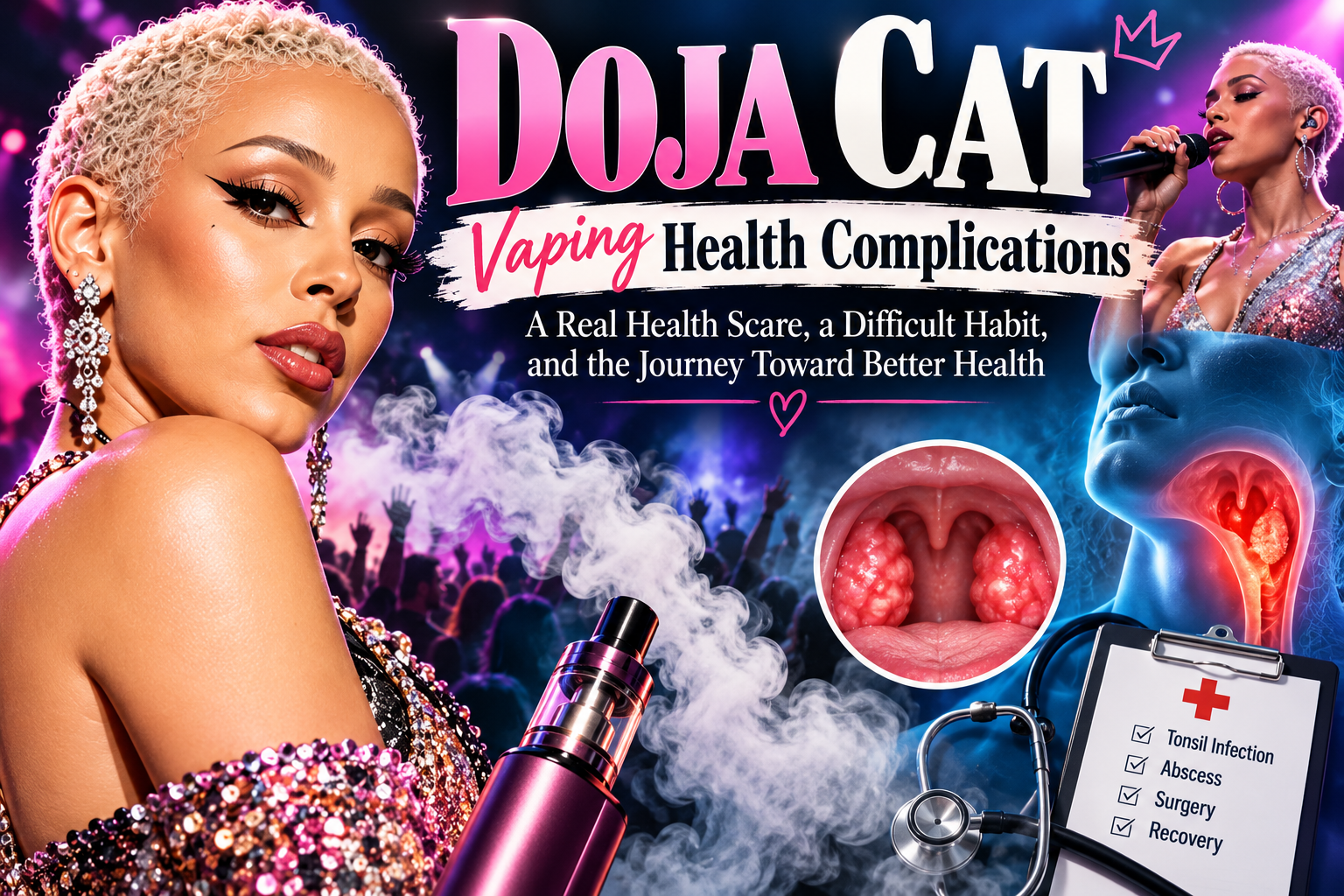
In May 2022, Doja Cat revealed that she had developed a painful tonsil infection and abscess that required medical treatment. She acknowledged that vaping and alcohol consumption occurred while she was already dealing with an infection. Her health problems eventually led to surgery and the cancellation of major performances.
Her experience highlights an important public health concern: nicotine dependence can make quitting difficult, even when someone recognizes the potential consequences for their health.
By examining Doja Cat’s experiences through self-management, family support, and community resources, we can better understand the challenges of nicotine addiction, the potential health risks of vaping, and the importance of compassionate, evidence-based cessation support.
Doja Cat’s Vaping History and Health Complications
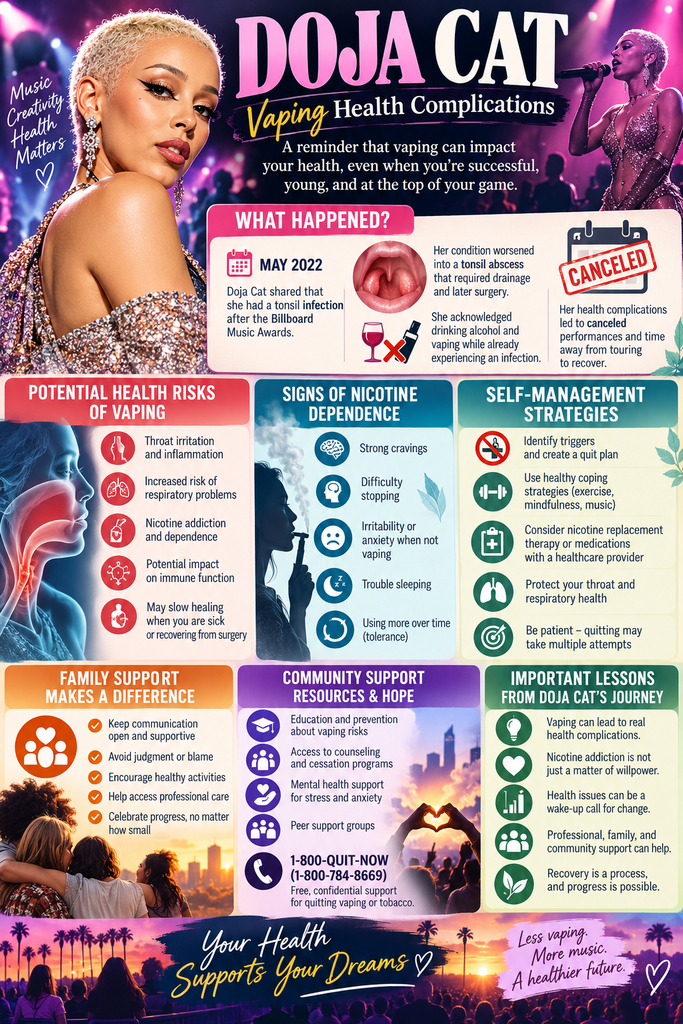
In May 2022, Doja Cat shared details about her health problems after the Billboard Music Awards. She explained that her tonsils had already become infected and that she had been prescribed antibiotics. During this period, she reported drinking wine and vaping heavily.
Her condition worsened, and she developed an abscess involving her left tonsil that required drainage. She subsequently announced plans for additional tonsil surgery and canceled scheduled festival appearances and her participation in The Weeknd’s After Hours Til Dawn Tour to allow time for recovery.
Several aspects of her experience are particularly important:
- Preexisting infection: Doja Cat reported having an infected tonsil before the worsening symptoms.
- Continued vaping: She acknowledged vaping frequently while experiencing throat problems.
- Alcohol consumption: She described drinking alcohol during the same period.
- Medical intervention: A painful tonsillar abscess required drainage, followed by further surgical care.
- Professional consequences: Her medical condition resulted in canceled performances and time away from touring.
- Nicotine dependence: She publicly described how difficult it was to stop vaping, even after experiencing health problems.
It is important to distinguish her personal account from a confirmed medical explanation. Although vaping can irritate the throat and expose tissues to potentially harmful substances, available public information does not establish that vaping directly caused her tonsillar infection or abscess.
Understanding the Health Risks of Vaping
Electronic cigarettes, commonly called vapes, deliver an aerosol that may contain nicotine, flavoring chemicals, ultrafine particles, and other potentially harmful substances.
Although vaping generally exposes users to fewer toxic combustion products than smoking conventional cigarettes, it is not harmless. For individuals who do not smoke, beginning to vape introduces avoidable health risks.
Potential health complications
- Nicotine addiction: Repeated nicotine exposure can produce dependence, cravings, tolerance, and withdrawal symptoms.
- Throat irritation: Vaping aerosols can irritate the mouth, throat, and upper respiratory tract.
- Respiratory symptoms: Some users experience coughing, wheezing, or airway irritation.
- Cardiovascular effects: Nicotine can temporarily increase heart rate and blood pressure.
- Oral health concerns: Vaping may contribute to dry mouth and inflammation of oral tissues.
- Withdrawal symptoms: Stopping nicotine may cause irritability, anxiety, restlessness, difficulty concentrating, and sleep disturbances.
Research also raises concerns about nicotine exposure and wound healing, although the degree of risk varies with the clinical situation.
For singers and performers, throat irritation and respiratory symptoms can be especially concerning because their careers depend on vocal health and physical endurance.
Doja Cat’s Struggle With Nicotine Dependence
Following her 2022 health complications, Doja Cat discussed the difficulty of quitting vaping. When fans encouraged her simply to discard her vaping devices, she explained that nicotine addiction was not that easy to overcome.
Her comments brought attention to the psychological and physical aspects of nicotine dependence.
Nicotine stimulates nicotinic acetylcholine receptors and activates reward pathways involving dopamine. Repeated exposure can reinforce nicotine-seeking behavior, while withdrawal can make abstinence uncomfortable.
This creates a cycle in which individuals may continue using nicotine despite wanting to stop.
Doja Cat initially expressed hope that her recovery period would help her discontinue vaping. However, quitting nicotine is not always a straightforward process. In September 2026, she again publicly discussed plans to quit vaping and mentioned a scheduled hypnosis session. This suggests her relationship with vaping remained challenging years after her initial health scare; it does not establish her current abstinence status.
Her experiences demonstrate that addiction is not simply a matter of willpower. Nicotine dependence can involve biological reinforcement, habitual behaviors, emotional triggers, and environmental influences.
Self-Management Strategies: Overcoming Nicotine Addiction
Self-management plays an important role in nicotine cessation. Individuals who vape regularly may develop physical dependence and behavioral routines that make quitting challenging.
Doja Cat’s experience illustrates the importance of recognizing nicotine dependence and developing a realistic plan for behavioral change.
Effective self-management strategies include:
- Identify vaping triggers: Recognize stress, boredom, social situations, and emotional discomfort that increase nicotine cravings.
- Develop a quit plan: Establish a quit date, remove vaping supplies, and prepare alternative coping strategies.
- Consider nicotine replacement therapy: Discuss patches, gum, or lozenges with a healthcare professional to help manage withdrawal symptoms. Evidence for these treatments is strongest in smoking cessation, and their use specifically for vaping cessation should be individualized.
- Explore prescription medications: Clinicians may consider medications such as varenicline or bupropion when appropriate, recognizing that evidence and regulatory indications differ for vaping cessation.
- Practice stress management: Use deep breathing, exercise, mindfulness, music, and relaxation techniques.
- Monitor withdrawal symptoms: Recognize that irritability, anxiety, cravings, and concentration difficulties may occur temporarily after quitting.
- Protect respiratory and vocal health: Avoid inhaled irritants and seek medical evaluation for persistent throat discomfort, coughing, or voice changes.
- Seek professional assistance: Work with a healthcare provider or tobacco-treatment specialist when quitting becomes difficult.
A lapse does not mean an individual has failed. Nicotine dependence often requires repeated attempts, adjustments in treatment, and ongoing support.
For people recovering from throat surgery, following postoperative instructions and avoiding vaping is particularly important.
Family Support Strategies: Encouragement Without Judgment
Family members and loved ones can influence an individual’s motivation to quit nicotine.
Although Doja Cat has not publicly detailed a specific family-based vaping cessation program, her experience offers an opportunity to examine how supportive relationships can help individuals struggling with nicotine dependence.
Family support should emphasize understanding, encouragement, and respect rather than criticism or pressure.
Helpful family support strategies include:
- Maintain open communication: Encourage honest discussions about nicotine use, cravings, and concerns.
- Avoid judgment and shame: Recognize that nicotine addiction involves biological and behavioral factors.
- Provide emotional reassurance: Offer encouragement during withdrawal symptoms or difficult moments.
- Create a vape-free environment: Reduce exposure to vaping devices and situations that trigger cravings.
- Encourage healthy activities: Participate in exercise, outdoor recreation, hobbies, and relaxing activities.
- Support professional treatment: Help loved ones access healthcare providers, cessation programs, or counseling when requested.
- Celebrate progress: Recognize meaningful achievements, including reduced use, successful quit attempts, and improved health.
- Respect personal boundaries: Avoid controlling behaviors that may increase stress or resistance.
Family members should understand that nicotine withdrawal may temporarily affect mood and concentration.
Patience, reassurance, and consistent support can help individuals remain engaged in their cessation goals.
Community Support Strategies: Improving Access to Vaping Cessation Resources
Community organizations, healthcare systems, schools, and public health agencies play important roles in addressing nicotine dependence.
Doja Cat’s public discussion of vaping demonstrates how celebrity experiences can raise awareness about nicotine addiction and the challenges associated with quitting.
However, public awareness must be supported by accessible, evidence-based services.
Effective community support strategies include:
- Vaping prevention education: Teach adolescents and adults about nicotine dependence and potential health consequences.
- Accessible cessation programs: Provide affordable counseling, behavioral therapy, and nicotine cessation services.
- Healthcare screening: Encourage clinicians to routinely ask about vaping and other tobacco or nicotine products.
- Mental health integration: Address stress, anxiety, depression, and other concerns that may complicate cessation.
- Peer support programs: Establish groups where individuals can share experiences, discuss cravings, and develop coping strategies.
- Youth-focused interventions: Provide age-appropriate education and cessation assistance for teenagers and young adults.
- Public awareness campaigns: Share accurate information about vaping without exaggerating risks or stigmatizing users.
- Digital cessation resources: Promote quitlines, text-message programs, and online behavioral support.
Helpful nicotine cessation resources
| Organization | Available support |
|---|---|
| Smokefree.gov | Quit plans, craving-management tools, and digital support |
| Smokefree Teen | Youth-focused nicotine cessation resources |
| CDC Tobacco Prevention | Education about vaping, nicotine dependence, and prevention |
| American Lung Association | Smoking and nicotine cessation education and support |
Individuals in the United States can also call 1-800-QUIT-NOW (1-800-784-8669) to connect with their state’s tobacco cessation services.
The Emotional and Psychological Challenges of Quitting Vaping
Nicotine addiction affects more than physical health. For some individuals, vaping becomes closely connected to emotional regulation, daily routines, and stress management.
People may use nicotine during periods of anxiety, fatigue, boredom, or social discomfort. Over time, these behaviors can become automatic.
When nicotine levels decrease, withdrawal symptoms may create additional distress, reinforcing the urge to vape again.
For individuals in demanding careers, such as entertainment, healthcare, or professional sports, managing stress without nicotine may require developing new coping strategies.
Healthy alternatives include physical activity, mindfulness, counseling, supportive relationships, and structured daily routines.
Behavioral interventions such as cognitive behavioral therapy can help individuals identify patterns of nicotine use, challenge unhelpful thoughts, and develop healthier responses to cravings.
Doja Cat’s public comments about the difficulty of quitting highlight why compassion and individualized support are essential.
Lessons From Doja Cat’s Vaping Experience
Doja Cat’s experience provides several important lessons about nicotine addiction, physical health, and behavioral change.
1. Nicotine dependence can develop through vaping. Electronic cigarettes may deliver substantial amounts of nicotine and reinforce repeated use.
2. Health complications can motivate change. Experiencing illness may encourage individuals to reconsider behaviors that could interfere with their well-being.
3. Quitting may require multiple attempts. Nicotine addiction can be persistent, and setbacks do not eliminate the possibility of future success.
4. Professional support can improve cessation efforts. Counseling, behavioral strategies, and appropriate medical treatment may help individuals manage cravings and withdrawal.
5. Judgment can discourage help-seeking. Compassionate communication can make it easier for individuals to discuss nicotine dependence openly.
6. Prevention and education matter. Understanding the potential consequences of vaping can help people make informed decisions before dependence develops.
7. Recovery is an ongoing process. Maintaining healthier habits may require continued attention to triggers, stress management, and emotional well-being.
Conclusion: Doja Cat’s Health Scare and the Importance of Nicotine Cessation
Doja Cat’s experience with vaping, nicotine dependence, and serious throat complications highlights the challenges of changing an addictive behavior.
Her 2022 tonsil infection and subsequent surgery disrupted her career and prompted her to reconsider vaping. Although vaping has not been established as the direct cause of her infection, her experience demonstrates how existing health concerns and nicotine dependence can complicate personal decisions about substance use.
Her later discussions about quitting also reinforce that nicotine dependence may persist despite strong motivation to stop.
Through self-management, individuals can recognize triggers, establish cessation goals, and develop healthier coping strategies. Family support can provide encouragement, understanding, and emotional reassurance. Community resources can expand access to education, counseling, medical treatment, and long-term cessation support.
Ultimately, Doja Cat’s story reminds us that nicotine addiction should be approached with understanding rather than judgment.
Quitting vaping is not always easy, but with evidence-based treatment, personal determination, and supportive relationships, lasting behavioral change is possible.
Frequently Asked Questions and Answers
1. What health complications did Doja Cat experience from vaping?
In May 2022, Doja Cat experienced a serious tonsil infection that developed into a painful abscess requiring medical intervention. She publicly acknowledged vaping heavily and drinking alcohol while already experiencing an infection and taking antibiotics. Her condition required treatment and additional tonsil surgery, leading to canceled performances. However, vaping has not been medically confirmed as the direct cause of her infection.
2. Did vaping cause Doja Cat’s tonsil infection?
Although Doja Cat associated her worsening symptoms with vaping and drinking alcohol while ill, the available medical information does not establish that vaping caused her tonsil infection. Vaping can irritate the throat and expose tissues to potentially harmful chemicals, but tonsillar abscesses are generally associated with infections. Her experience highlights the importance of avoiding inhaled irritants when recovering from throat-related illnesses.
3. Why did Doja Cat need throat surgery?
Doja Cat developed an abscess in her left tonsil that required drainage. She subsequently announced that she needed additional tonsil surgery. The infection, swelling, and recovery requirements forced her to withdraw from scheduled performances, including The Weeknd’s 2022 tour.
4. Was Doja Cat addicted to nicotine?
Doja Cat publicly acknowledged struggling with nicotine dependence and described how difficult quitting vaping could be. Nicotine is highly addictive because it affects brain reward pathways and reinforces repeated use. Individuals who develop dependence may experience cravings, irritability, anxiety, and difficulty concentrating when attempting to quit.
5. Did Doja Cat quit vaping after her surgery?
Following her 2022 health complications, Doja Cat expressed an intention to stop vaping. However, publicly expressing a desire to quit does not establish sustained abstinence. Her current nicotine use and long-term cessation status cannot be reliably confirmed from the available information.
6. Can vaping damage the throat and vocal cords?
Yes. Vaping aerosol can irritate the throat and respiratory tract. Some individuals experience dryness, coughing, throat discomfort, or changes in voice. These effects may be particularly concerning for singers, teachers, and others who depend heavily on their voices. Persistent hoarseness or throat symptoms should be evaluated by a healthcare professional.
7. What are the long-term health risks of vaping?
Vaping exposes users to nicotine and potentially harmful chemicals. Possible health concerns include:
- Nicotine addiction and dependence.
- Respiratory irritation and inflammation.
- Exposure to heavy metals and potentially carcinogenic chemicals.
- Cardiovascular effects associated with nicotine.
- Potential effects on oral and throat health.
- Withdrawal symptoms when attempting to quit.
Researchers are still investigating the full long-term consequences of vaping.
8. Is vaping safer than smoking traditional cigarettes?
For adults who already smoke cigarettes, completely switching to vaping generally reduces exposure to many harmful chemicals produced by tobacco combustion. However, vaping is not harmless, and the long-term health effects remain uncertain. People who do not use tobacco should not begin vaping. Using cigarettes and vapes together is not an effective way to protect health.
9. Why is quitting vaping so difficult?
Most vaping products contain nicotine, which stimulates brain reward pathways and reinforces repeated use. Over time, the brain adapts to nicotine exposure, creating physical dependence. When nicotine levels decrease, individuals may experience cravings, irritability, anxiety, restlessness, and difficulty concentrating. Behavioral habits and emotional triggers can make quitting even more challenging.
10. What self-management strategies can help someone quit vaping?
Effective self-management begins with identifying nicotine triggers and developing a realistic cessation plan.
Helpful strategies include:
- Establishing a quit date.
- Removing vaping devices and supplies.
- Identifying stressful situations that trigger cravings.
- Practicing relaxation and mindfulness.
- Exercising regularly and maintaining healthy sleep.
- Discussing nicotine replacement therapy or other medications with a healthcare provider.
- Seeking counseling or behavioral support.
- Recognizing progress without viewing setbacks as failure.
Medication and counseling may be helpful, although the evidence for specific vaping-cessation treatments is still developing.
11. How can family members support someone struggling with vaping addiction?
Families can provide emotional encouragement, maintain open communication, and avoid criticizing individuals who struggle with nicotine dependence. Creating vape-free environments, encouraging healthy activities, and supporting professional treatment can also help. Family members should recognize that nicotine withdrawal may temporarily affect mood, concentration, and sleep.
12. What community resources are available for vaping cessation?
Communities can support nicotine cessation through healthcare services, counseling, education, and peer support programs. In the United States, individuals can access free assistance through 1-800-QUIT-NOW (1-800-784-8669).
Additional resources include Smokefree.gov, the CDC’s Tobacco Prevention resources, and the American Lung Association.
13. Can vaping interfere with recovery after throat surgery?
Vaping may irritate healing tissues and expose the respiratory tract to nicotine and other substances. Nicotine exposure may also affect aspects of wound healing. Patients recovering from tonsil surgery or other throat procedures should follow their surgeon’s instructions and avoid vaping during recovery.
14. What warning signs indicate that vaping may be affecting someone’s health?
Warning signs may include persistent coughing, throat irritation, wheezing, shortness of breath, chest discomfort, or recurring voice changes. These symptoms can have multiple causes and should not automatically be attributed to vaping.
Severe throat pain accompanied by difficulty swallowing, drooling, muffled voice, or breathing difficulty requires urgent medical evaluation because it may indicate a serious infection or airway complication.
15. What lessons can we learn from Doja Cat’s vaping experience?
Doja Cat’s experience demonstrates that nicotine dependence can be difficult to overcome, even when individuals recognize potential health risks. Her throat complications and canceled performances highlight the importance of seeking timely medical care and reconsidering behaviors that may interfere with recovery.
Her story also reinforces the value of self-management, supportive relationships, and accessible cessation resources. Compassionate encouragement and evidence-based treatment can help individuals develop healthier habits.
Video: