Talking Recovery With a Narcissist
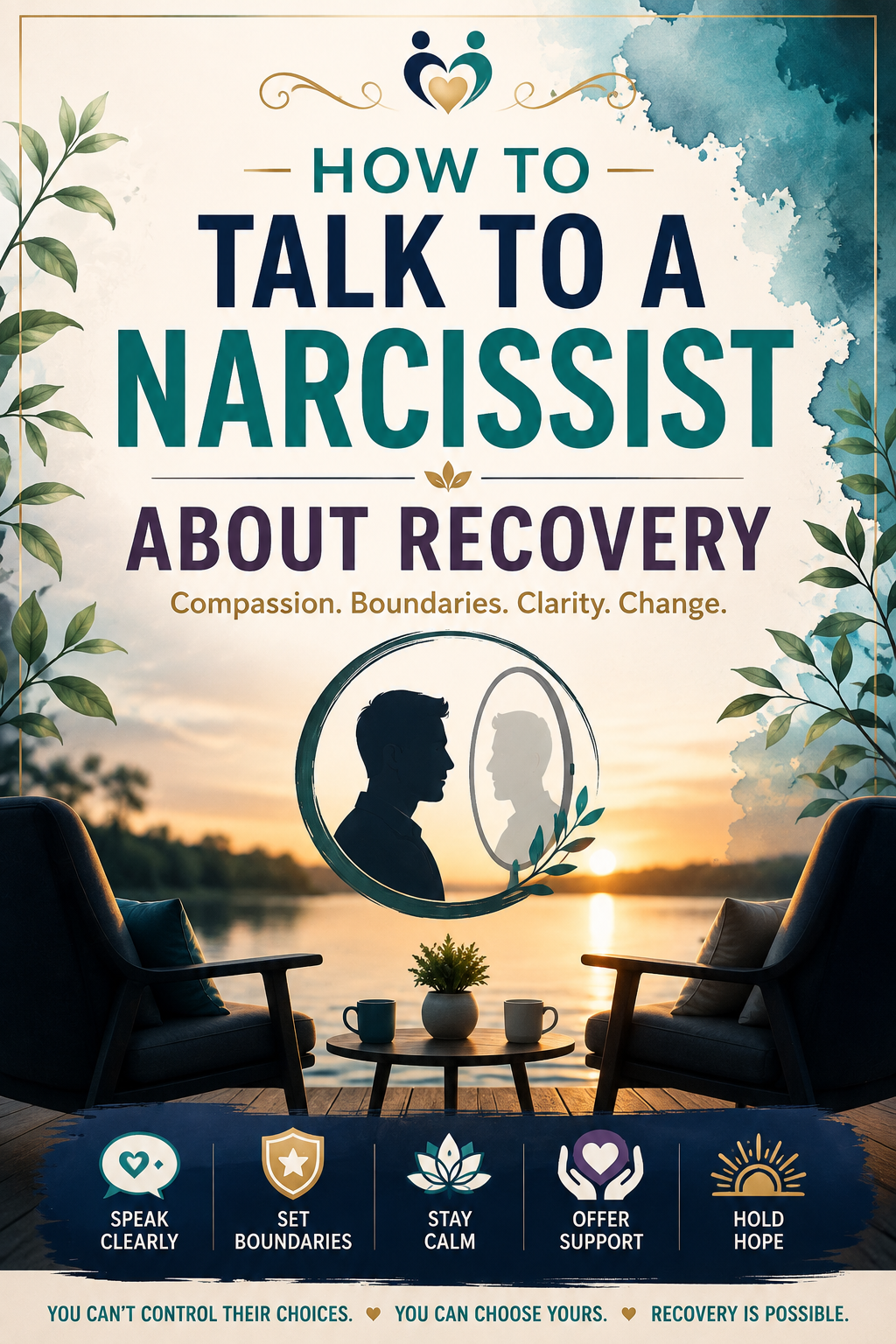
Talking about addiction recovery with someone who shows narcissistic traits can be challenging. They may become defensive when confronted, minimize the consequences of substance use, blame other people, or interpret concern as criticism. However, narcissistic traits exist on a spectrum and are not the same as narcissistic personality disorder (NPD), which requires professional assessment and … Read more

The Bachelor: Romance & Reward

Reality dating programs such as The Bachelor combine romance, competition, rejection, social status, physical attraction, and dramatic uncertainty into an emotionally intense environment. For viewers, the repeated cycle of anticipation, conflict, romantic validation, and cliffhangers can make these programs particularly engaging. But does that make The Bachelor a “recipe for addiction”? And does hypergamy—the preference … Read more

Power, Politics & Addiction

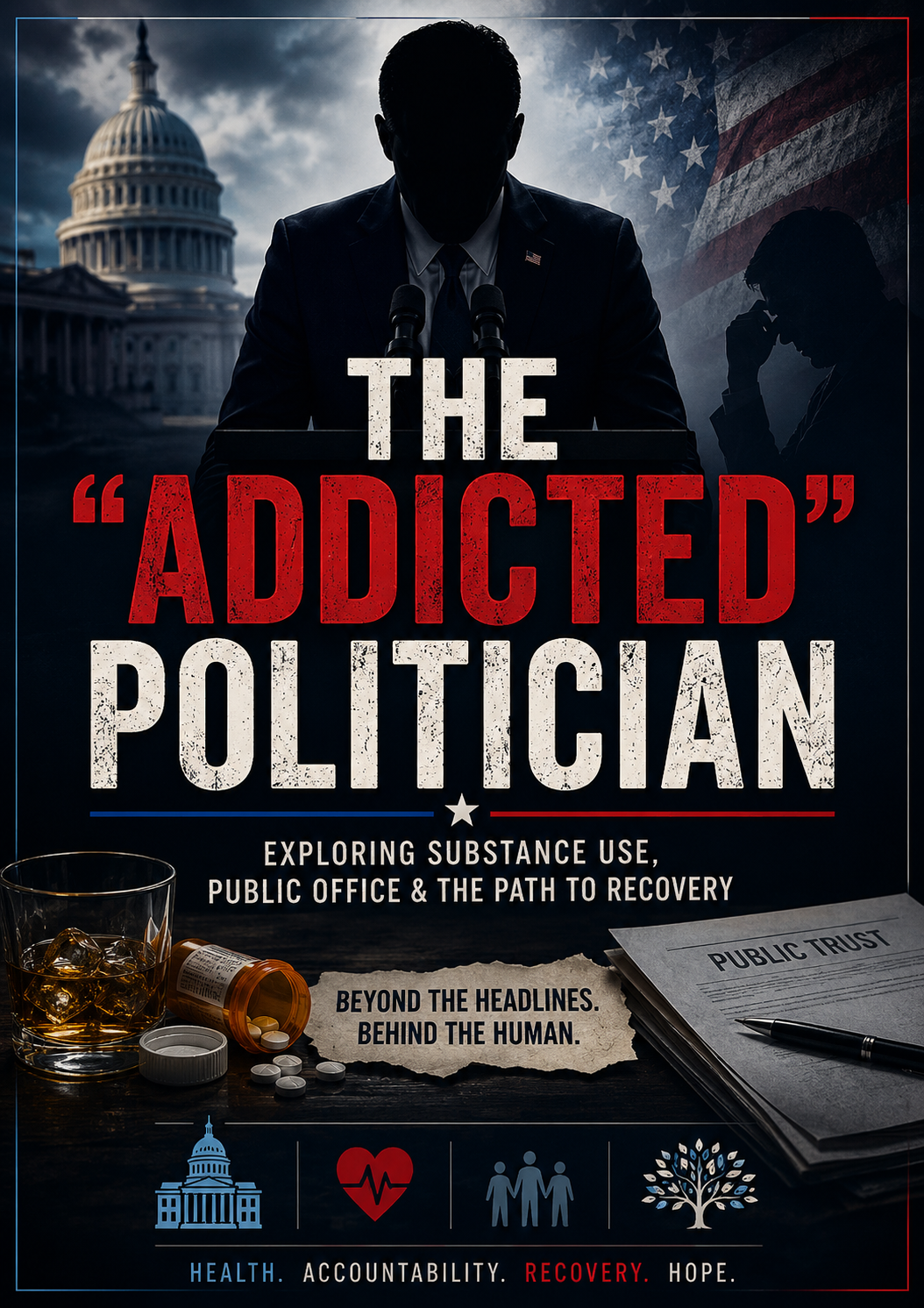
The phrase “addicted politician” can easily become a sensational label, but substance use disorder (SUD) is a health condition that can affect people in every profession and level of society—including elected officials. A politician experiencing addiction may face many of the same challenges as anyone else: cravings, impaired control, secrecy, relationship difficulties, health consequences, relapse, … Read more

Bradley Cooper: Choosing Sobriety

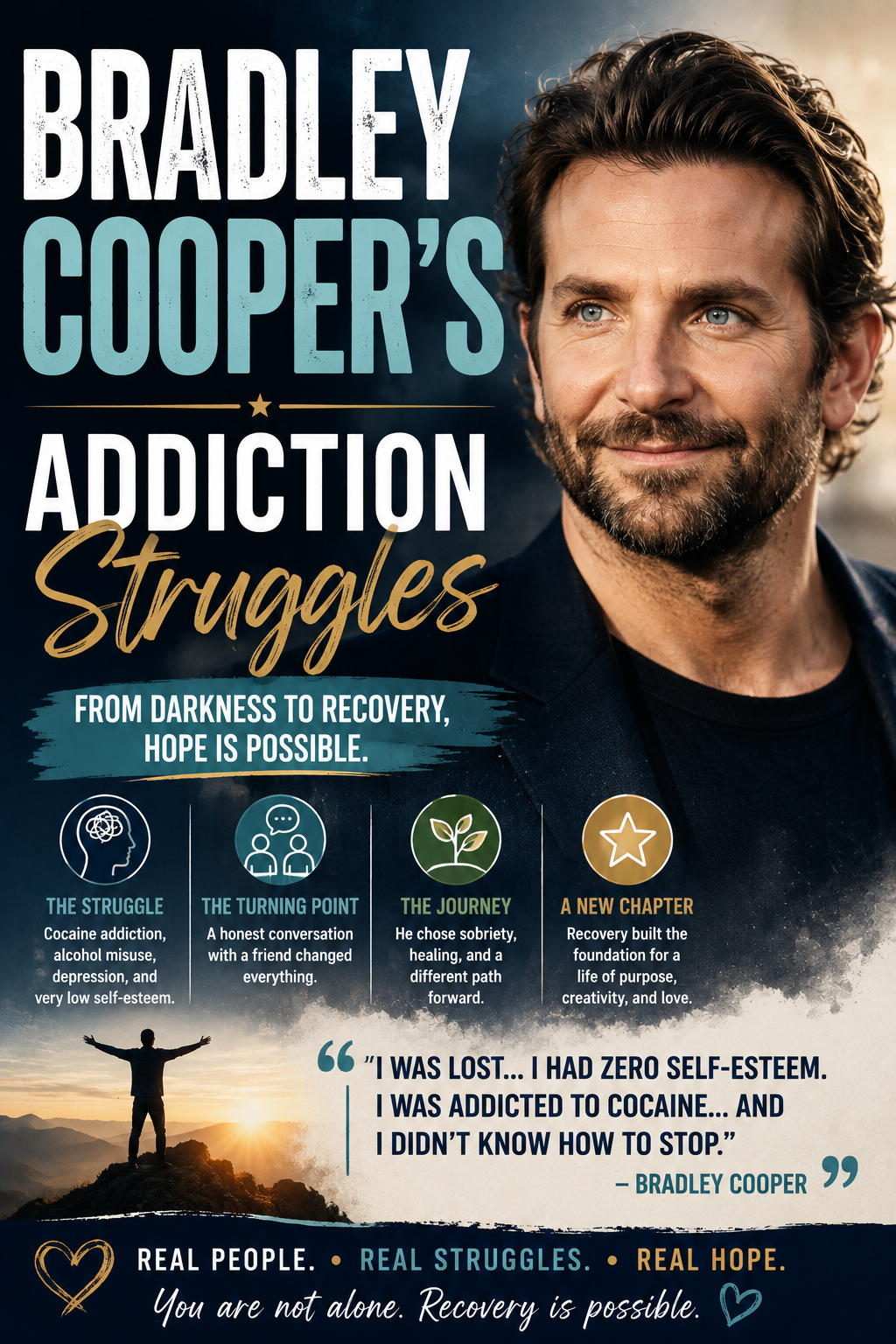
Bradley Cooper’s experience with addiction demonstrates that substance use disorders can affect anyone, regardless of talent, ambition, career potential, or eventual success. Before becoming an internationally recognized actor and filmmaker, Cooper has publicly described struggling in his twenties with cocaine addiction, problematic alcohol use, depression, and extremely low self-esteem. He has explained that professional uncertainty … Read more

GLP-1 Use for Alcohol Addiction

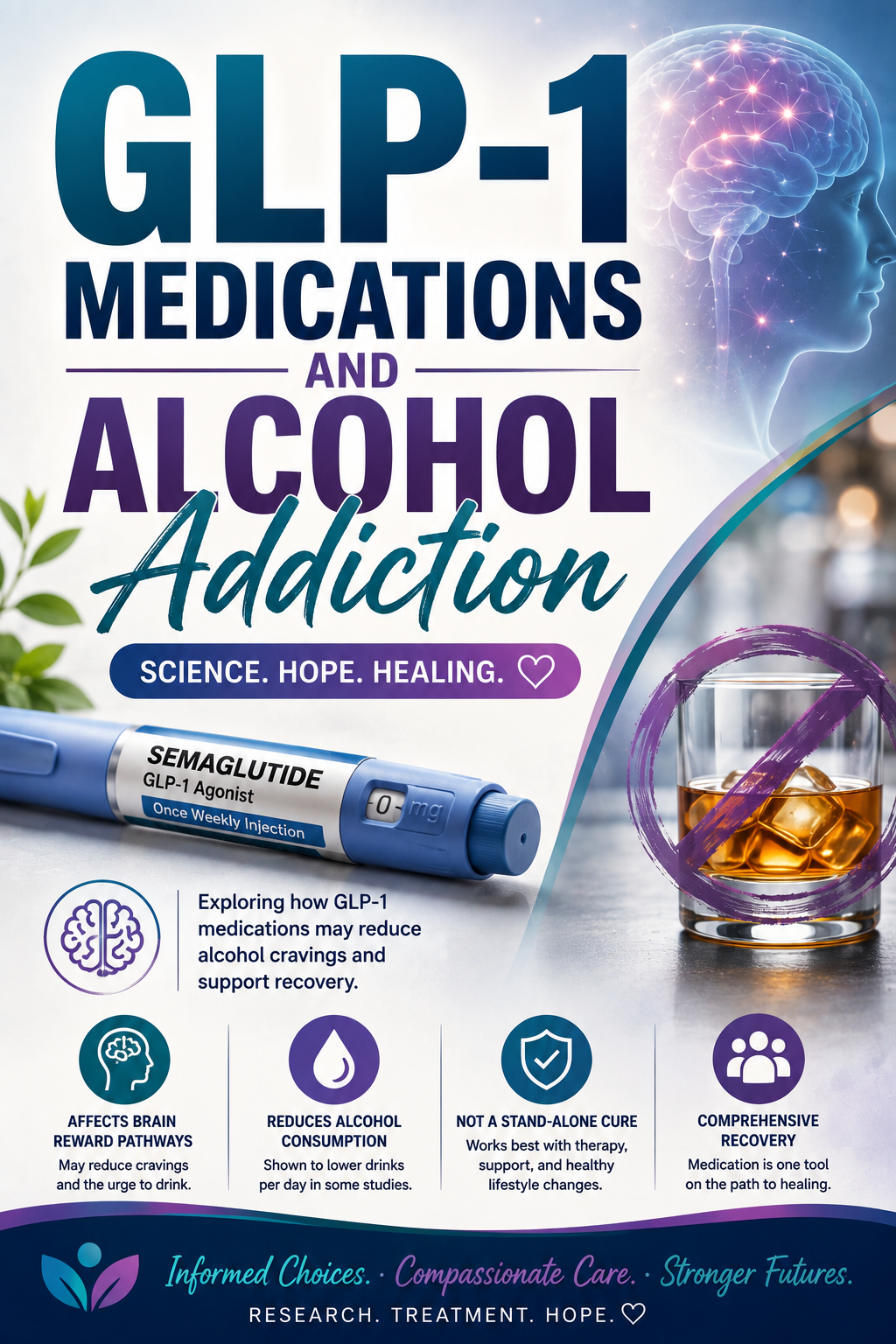
GLP-1 receptor agonists, including medications such as semaglutide, have gained attention not only for treating type 2 diabetes and obesity but also for their potential role in alcohol use disorder (AUD). Researchers are investigating whether these medications may influence brain pathways involved in reward, motivation, and craving, potentially reducing the desire for alcohol or the … Read more

PHPs for SUD & Mental Health

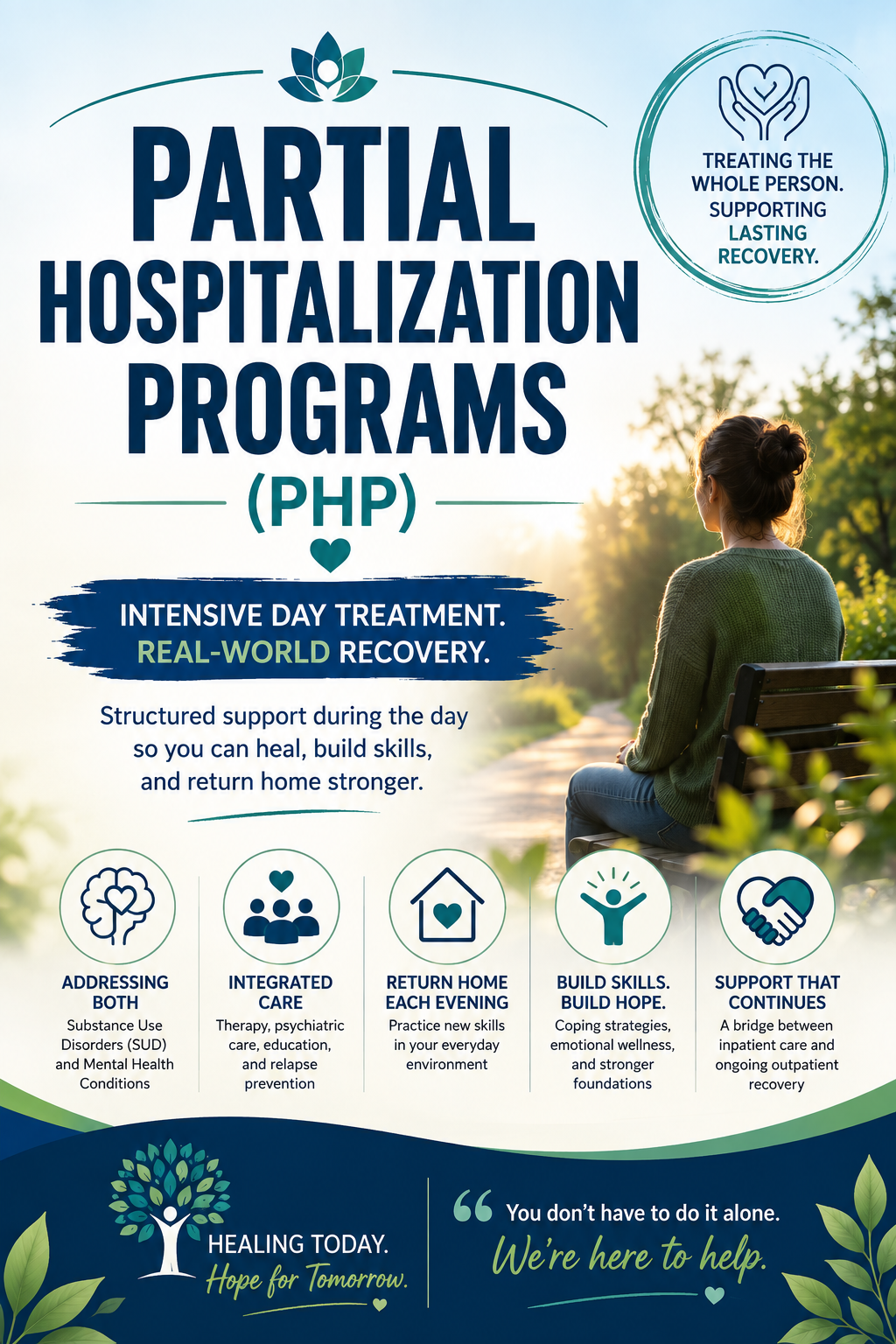
Partial Hospitalization Programs (PHPs) provide an important level of care for individuals managing substance use disorders (SUDs) and co-occurring mental health conditions. These programs offer intensive, structured treatment during the day while generally allowing participants to return home or to supportive housing in the evening. PHPs can combine addiction treatment, individual and group therapy, psychiatric … Read more

John Belushi: A Deadly Addiction

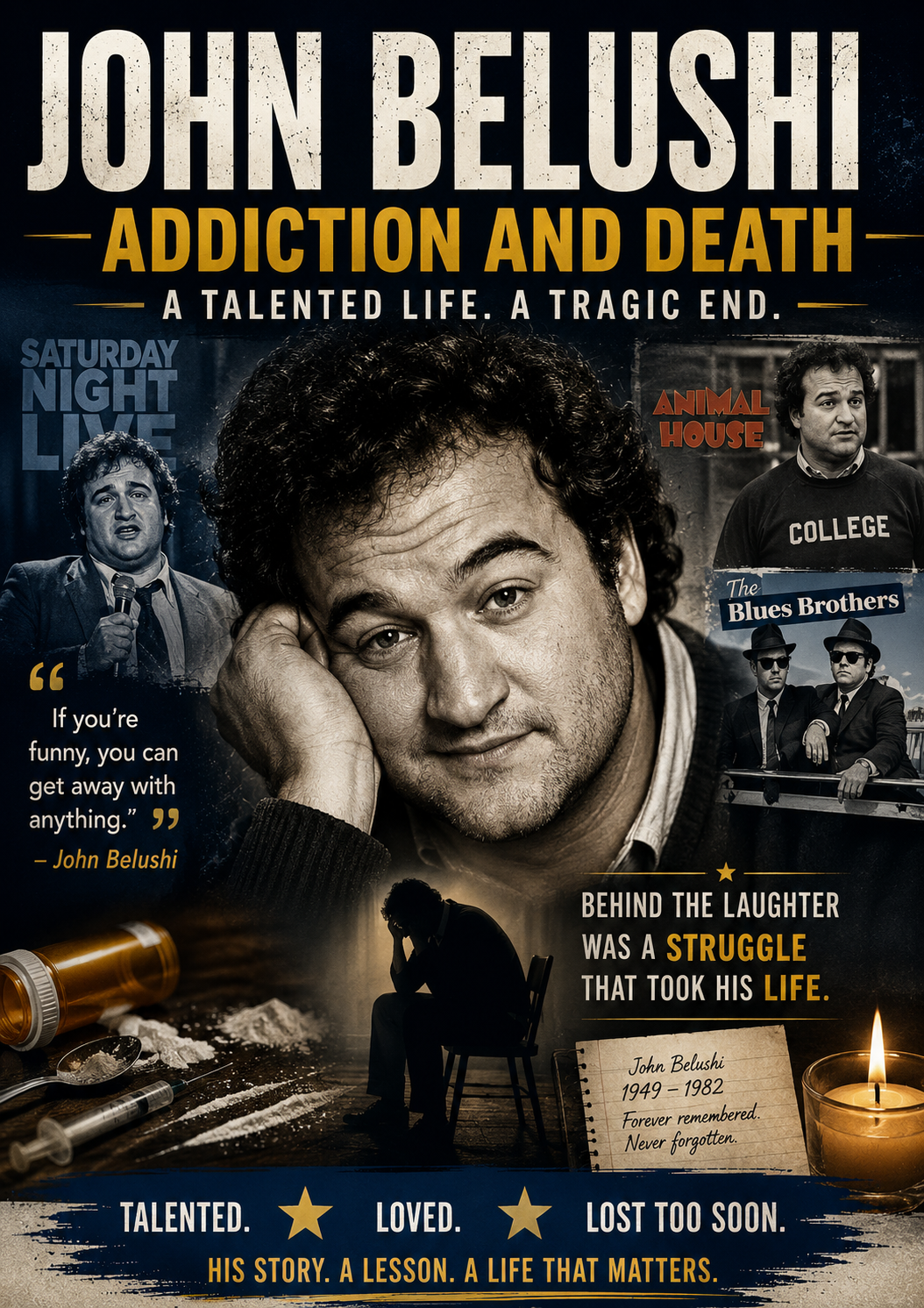
John Belushi was a remarkably talented comedian and actor whose rapid rise to fame was accompanied by increasingly serious struggles with substance use. Best known for his work on Saturday Night Live, Animal House, and The Blues Brothers, Belushi became one of the most recognizable comedians of his generation. Behind his professional success, however, cocaine, … Read more

Robin Williams: Sobriety & Relapse

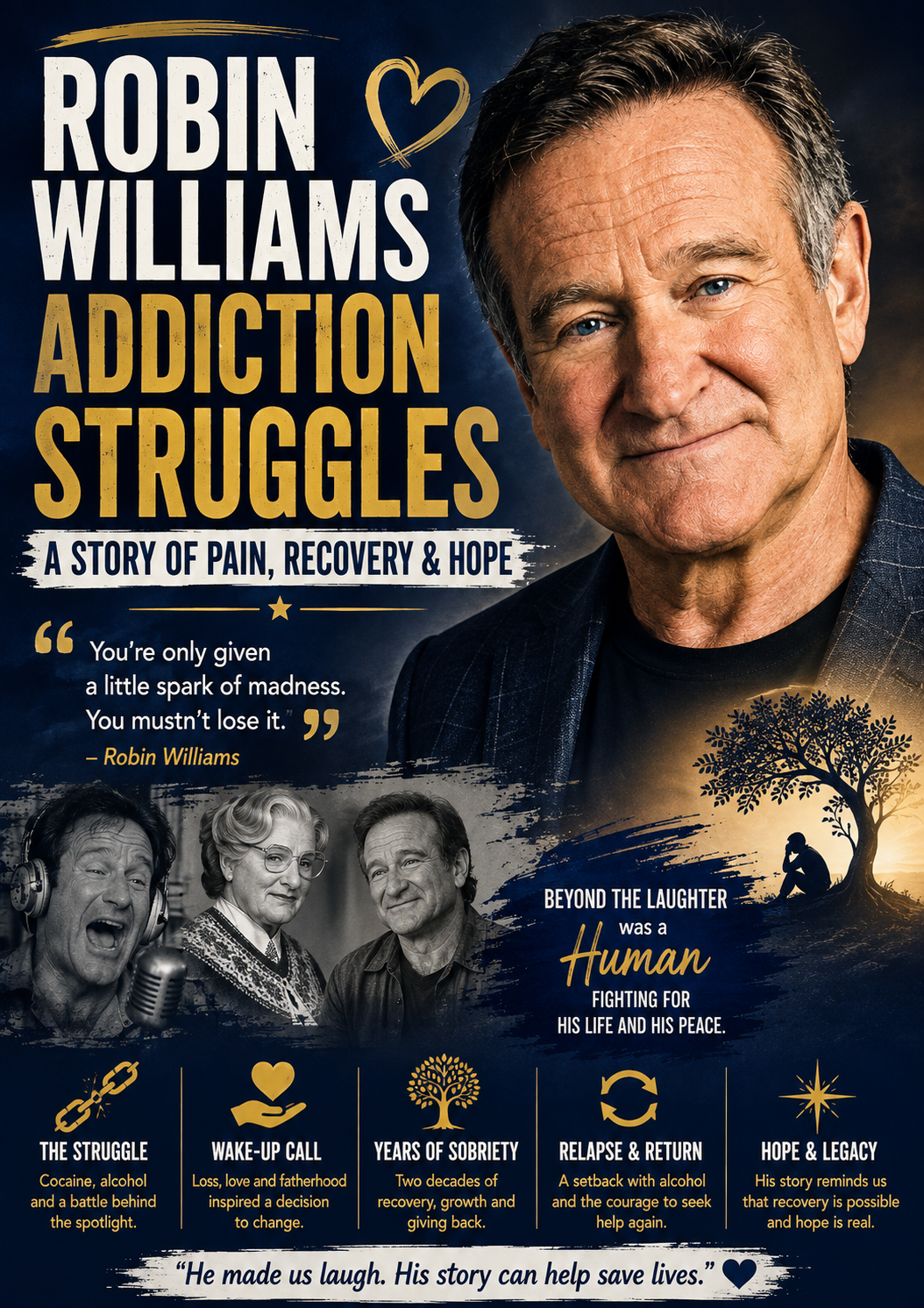
Robin Williams was an internationally celebrated actor and comedian whose extraordinary creativity and humor were matched by personal struggles with substance use. During the late 1970s and early 1980s, Williams experienced problems with cocaine and alcohol before achieving approximately two decades of sobriety. He later returned to alcohol use and sought professional treatment, demonstrating that … Read more

Steven Tyler: The Road to Sobriety

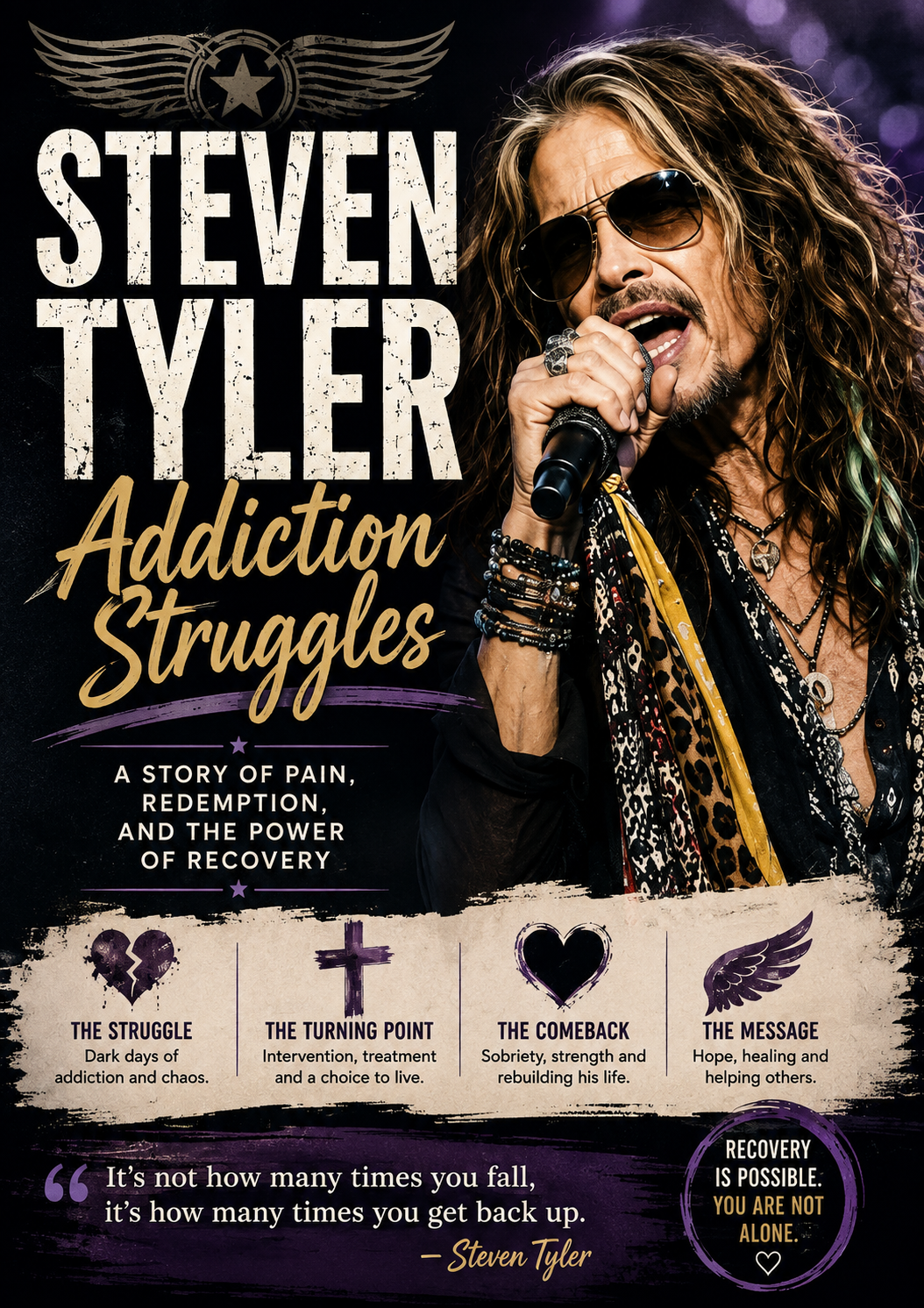
Steven Tyler, the legendary lead singer of Aerosmith, has publicly discussed a long history of struggles with alcohol and drug addiction that developed during the height of his music career. During the 1970s and 1980s, substance use became deeply intertwined with the rock-and-roll lifestyle surrounding the band and eventually affected his health, relationships, performances, and … Read more

Is It Love or Dependency?

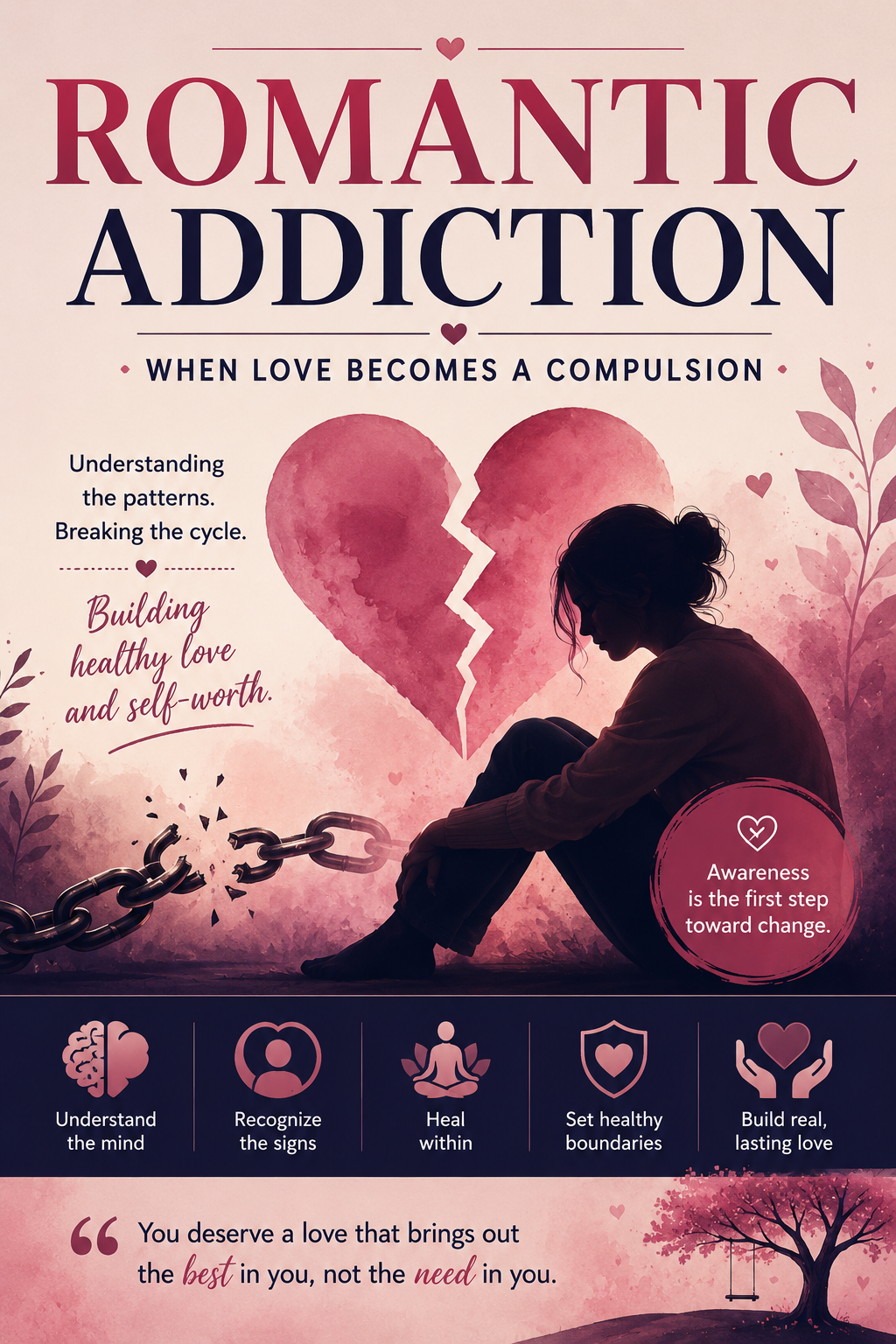
Romantic addiction, also referred to as love or relationship addiction, describes an unhealthy pattern in which the need for romantic attention, connection, or emotional reassurance becomes increasingly difficult to manage and begins affecting a person’s emotional well-being and daily life. Although romantic addiction is not an official diagnosis in the DSM-5-TR, the term is sometimes … Read more