Decision Paralysis and Addiction

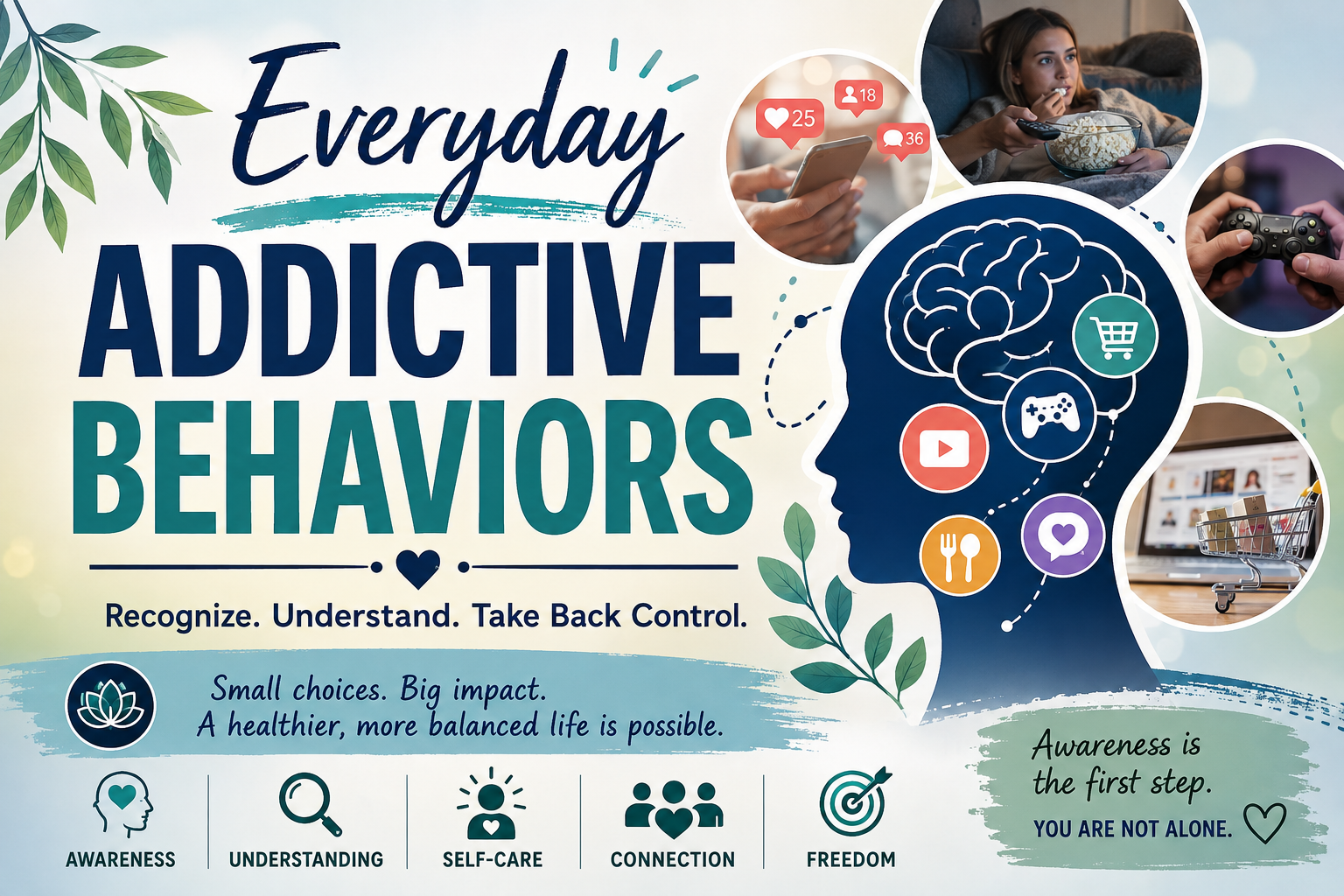
Feeling stuck between choices happens to everyone at some point, but for some, decision paralysis can run so deep that it starts affecting everything, including how they cope with stress. One thing I’ve noticed is that this freeze in decision-making can sometimes make people reach for substances like alcohol, drugs, or even prescription meds as … Read more

Why Vaping Feels Like Pure Escape

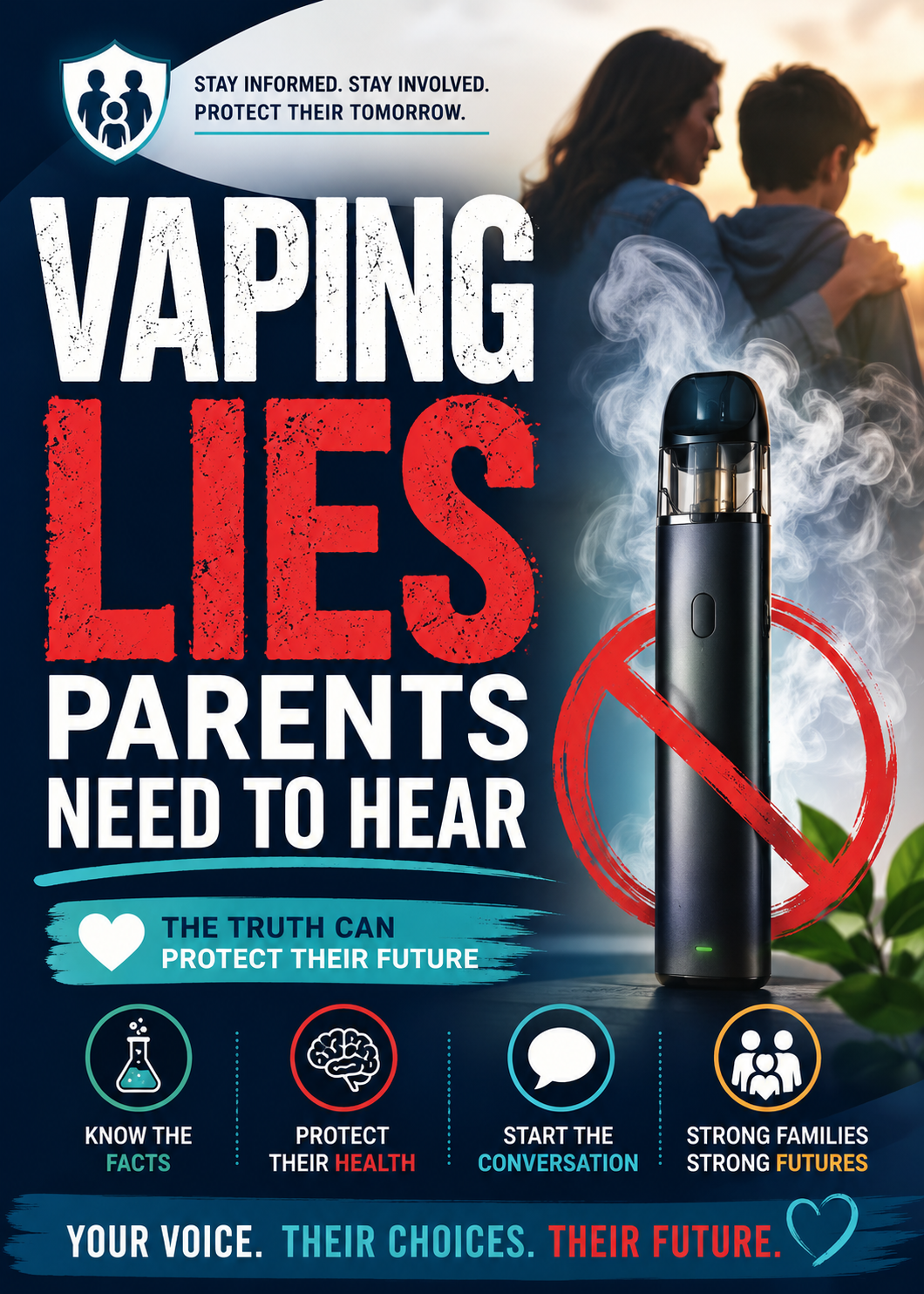
If you’ve ever felt like you wanted to hit pause on everyday worries, vaping can feel like the quick getaway you’re after. There’s something about clouds of vapor and the steady rhythm of a vape session that just melts away stress. I’ve seen plenty of people, including myself, turn to vaping for those moments when … Read more

Hands Reveal About Cravings

Your hands can reveal surprising clues about your cravings, often before you consciously recognize them. Because the hands are closely connected to the brain and nervous system, they frequently reflect physical and emotional responses to stress, anxiety, hunger, fatigue, or substance cravings. Subtle behaviors such as fidgeting, nail biting, clenching your fists, picking at your … Read more

OUD Recovery: Medication & Therapy

Opioid Use Disorder (OUD) is a chronic and complex medical condition that affects brain function, behavior, emotional well-being, and overall quality of life. Because addiction involves both physical dependence and psychological factors, effective treatment often requires a comprehensive approach that addresses multiple aspects of recovery. Combined pharmacotherapy and psychotherapy have emerged as one of the … Read more

Harm Reduction & Addiction

Harm reduction is a practical, evidence-based approach that seeks to minimize the negative consequences associated with substance use while recognizing that recovery is a personal and often gradual process. Rather than requiring immediate abstinence, harm reduction focuses on improving health, preventing overdose, reducing the spread of infectious diseases, and increasing access to healthcare and treatment … Read more

Your Guide to Outpatient Treatment

Choosing the right level of addiction treatment is one of the most important decisions an individual can make on the path to recovery. Outpatient addiction treatment offers a flexible approach that allows individuals to receive professional care while continuing to live at home, work, attend school, and maintain family responsibilities. For many people, outpatient programs … Read more

Understanding MOUD Stigma

Stigma surrounding medications used to treat addiction remains one of the most significant barriers to recovery. Despite decades of research demonstrating the effectiveness of medications for opioid use disorder, many individuals continue to face judgment, misunderstanding, and discrimination when seeking treatment. Misconceptions such as “replacing one drug with another” or the belief that recovery must … Read more

Sobriety Without Fulfillment

Sobriety is often viewed as the ultimate goal of addiction recovery, representing freedom from drugs or alcohol and the beginning of a healthier life. However, many individuals discover that becoming sober does not automatically create happiness, emotional peace, or fulfillment. Some people continue to experience feelings of emptiness, boredom, loneliness, anxiety, or lack of purpose … Read more

Support vs. Rescue in Addiction

Understanding the difference between empathetic support and rescue is an important part of addiction recovery for individuals, families, and communities. Addiction often creates emotional pain, fear, stress, and uncertainty for both the person struggling with substance use and the loved ones trying to help. Empathetic support focuses on compassion, encouragement, healthy communication, and emotional understanding … Read more

Spiritual Strategies for Sobriety

Spiritual strategies for sobriety have become an important part of recovery for many individuals struggling with substance use disorders. Addiction often affects not only physical health but also emotional wellbeing, relationships, and a person’s sense of purpose and identity. Spiritual approaches to recovery focus on helping individuals find meaning, hope, inner peace, and emotional healing … Read more