If you’re on a recovery adventure, you might notice that some friends seem to have a knack for showing up with “just one drink” or not-so-gentle reminders of the old days. It’s a tough situation, and it’s surprisingly common. Friendship is usually a source of strength, but in the context of relapse, those closest to us can sometimes reinforce old patterns in unhelpful ways. I want to break down why well-meaning friends might set the stage for relapse, the psychology behind it, and what you can do to protect your recovery.
Understanding Enabling Behaviors Among Friends
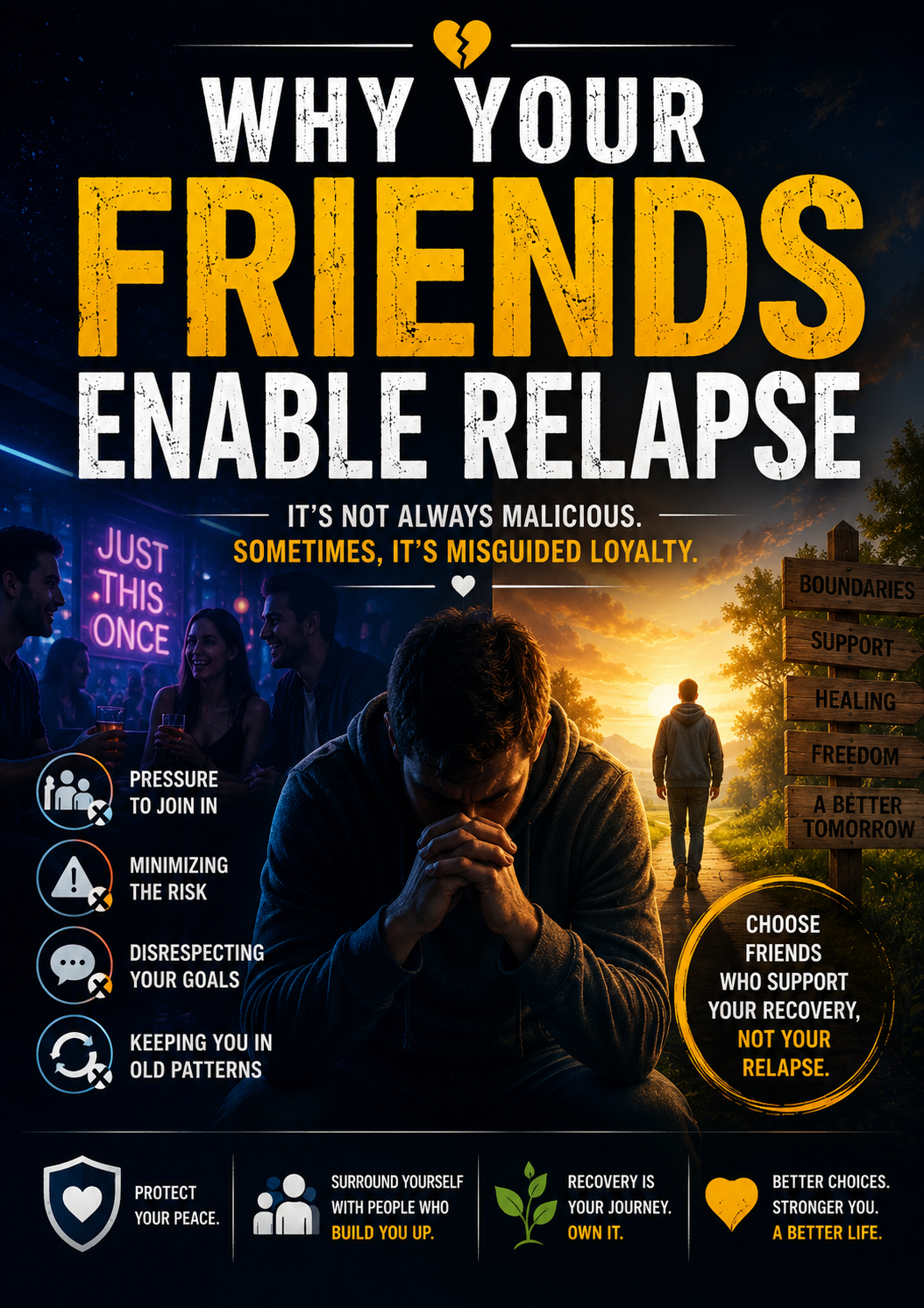
Enabling is when someone, either intentionally or unintentionally, makes it easier for another person to continue unhealthy behaviors. This usually isn’t done out of malice, but just the opposite—friends often make it easy because they care, or because they’re not fully aware of the impact of their actions.
I’ve seen firsthand in support groups and among people I care about how these habits play out. A friend offers a drink, thinking it’s no big deal, or downplays your need for boundaries. Over time, these patterns make sticking to recovery much harder. Some reasons behind this come from not understanding the seriousness of addiction or being uncomfortable with change in the friendship itself.
For example, if hanging out used to always involve certain habits, your friend might think the routine can just keep rolling. But recovery needs a new groove. Understanding this difference is key for everyone.
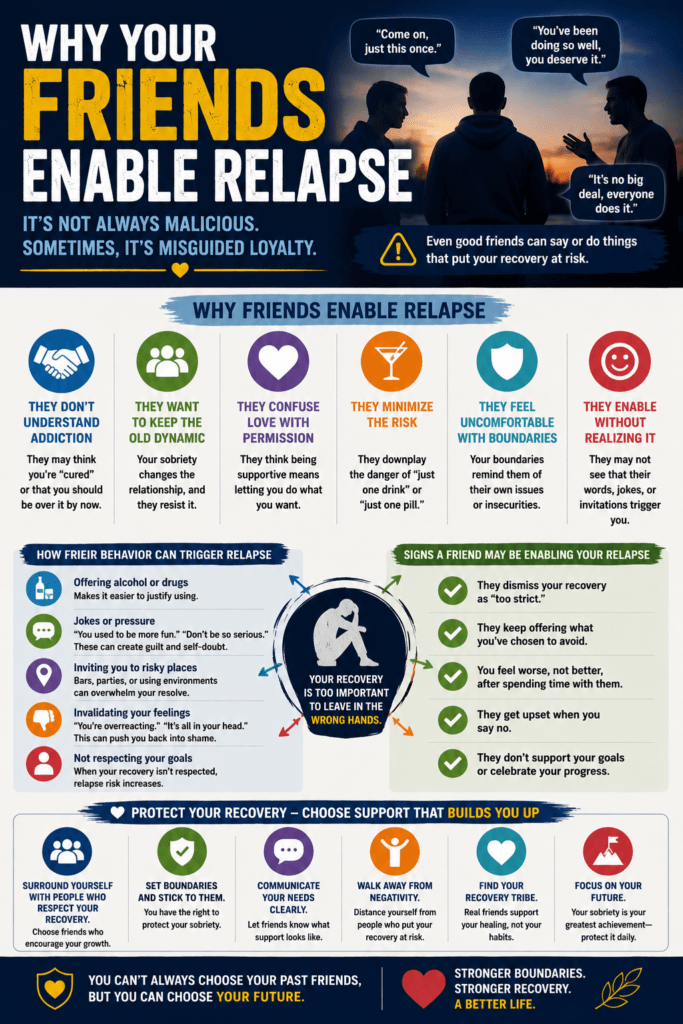
Common Ways Friends Enable Relapse
There are a few common patterns in which friends might act in ways that hinder recovery. Here are some:
- Inviting You to Triggering Places: Bars, clubs, or parties where drinking or using is the norm can spell trouble.
- Offering Substances Casually: Passing you a drink or other substances, thinking “it’s just one,” can be really risky.
- Reminiscing About the Past: Bringing up “the good old days” that make old habits seem fun, harmless, or even a little tempting.
- Minimizing Your Struggles: Comments like “you’re fine now” or “you can handle it” might sound encouraging but actually downplay what you’re working through.
Sometimes, friends genuinely believe you’re over it. Other times, they miss the dynamic you used to have. Or maybe your healthier lifestyle puts your own habits under the microscope. They might just not know how to be supportive right now.
This doesn’t mean your friends are bad people. More often than not, they need help knowing what really supports them during recovery.
Why Friends Enable: The Psychology Behind It
Digging into why people become enablers can help you spot these patterns sooner and deal with them more effectively. Here are some reasons friends might make those mistakes:
- Fear of Losing the Friendship: Friendships built around shared habits feel threatened by big changes. If using substances was the glue, your change might worry them.
- Unconscious Guilt: Watching you make positive changes can highlight their own struggles or things they’d rather avoid.
- Comfort and Familiarity: Old routines are comfortable. Change makes people uneasy, even if it’s for the better.
- Misunderstanding Recovery: Not everyone gets how addiction works. Some may think you’re “cured” or that it’s just about willpower—which isn’t the case.
Group settings also matter—a crowd can trigger social pressure without anyone meaning to cause harm. Friends might push for “one more night out.” That can be hard to resist if you’re not prepared.
Starting Your Recovery with Healthy Boundaries
When I first started supporting others on this path, I found that laying down good boundaries with friends makes a huge difference. People who like to please others especially struggle with this. Saying “no” sometimes feels like you’re letting people down—but it really keeps you safe. Even if friends don’t get it at first, you’re protecting your progress.
- Be Honest and Direct: Telling friends about your recovery helps right away. It shows who’s truly supportive and who’s not quite ready to support your next chapter.
- Limit Triggering Situations: Say no to risky invites or suggest other ways to hang out.
- Be Ready for Reactions: Some people might feel hurt or push back. That means they need time. It’s not a sign your boundaries are wrong.
Consistently keeping these boundaries makes it easier for your friends to adjust. Some people who seem unsupportive at first may surprise you down the road.
It’s not just about saying “no”—it’s about creating new ways to connect and letting friends get used to your new way of living. That patience can pay off with more reliable, supportive friendships over time.
Things to Consider If Your Friends Are Enabling
Spotting enabling doesn’t always mean you have to end friendships, but here are a few things worth thinking about:
- How Often Does It Come Up? If it’s an every-time thing, you might want to step back a bit for now.
- Are They Open to Change? Supportive friends usually change their routines when you explain your needs.
- How Do You Feel Afterward? If you always feel tempted or uneasy after meeting, you may need to mix up how often you see that friend or take a longer break.
Check-Ins and Self-Reflection That Work
I’ve always found that journaling or talking to a sponsor or mentor helps me work through feelings about specific friendships. By putting things on paper or voicing them out loud, patterns become easier to spot. Noting your emotions after seeing certain people gives you good insight into where boundaries might need to stay firm.
Building Up a Strong Support System
Replacing enabling friends with truly supportive ones doesn’t mean cutting everyone from your old circle. Focus instead on connections that lift you up, respect your boundaries, and celebrate your achievements. Peer support groups, recovery mentors, and online communities make a big difference while you’re growing a healthier network.
Practical Strategies for Handling Enabling Friends
Dealing with enabling behaviors can be tough, but with a plan and some confidence, it’s doable. Here are a few practical ideas:
- Practice Your Responses: Before you hang out, prepare sentences like, “I’m good, thanks,” or “I’m focusing on healthier habits these days.”
- Bring a Recovery Partner: Go out with someone who’s in your corner to help keep things on track.
- Suggest Different Activities: Invite friends to do things that don’t involve drinking or substances. Go for a walk, pick up a new hobby, or host a movie night instead.
- Use Breaks as Needed: If things get iffy or uncomfortable, it’s okay to step back or duck out early.
With time, the friends who want to stay will shift right with you. If they don’t, that’s a reflection of where they’re at—not a failure on your part.
Helpful Answers to Common Questions
These are some real-world questions people in recovery often ask about enabling friendships—and useful answers for you to keep on hand.
Question: What if my oldest friends are the biggest enablers?
Answer: That’s a tough spot, especially when history runs deep. Give them time to catch up, but don’t risk your progress. Sometimes, space is the safest bet. Connections can rebuild when people are ready, or you might drift apart—and that works out too.
Question: How do I balance understanding their side with sticking to my plan?
Answer: It’s good to be understanding, but your recovery never comes second. Stick to your plan, no matter how much you get where they’re coming from. It’s your adventure, and your safety matters most.
Question: Can friends change and become more supportive?
Answer: Absolutely. I’ve seen friendships grow into something even stronger when there’s open conversation. Give people the space they need to learn—just remember, your recovery is always the top priority.
Key Resources for Strengthening Your Recovery Circle
If you’re looking for actionable support, track down groups like Alcoholics Anonymous or Narcotics Anonymous. If family or friends want guidance, Al-Anon is a dedicated resource for those who want to support someone in recovery the right way. A sponsor, therapist, or even an online peer group can really smooth the way when you’re easing away from enabling relationships.
Making a whole new circle of friends isn’t always fast or painless, but actively seeking out people who get it can help you stay steady in your recovery. Keep searching until you find folks who help you grow and respect your boundaries—that’s when you really start to thrive for the long haul.
Video: Stop Letting Friends Destroy Your Progress