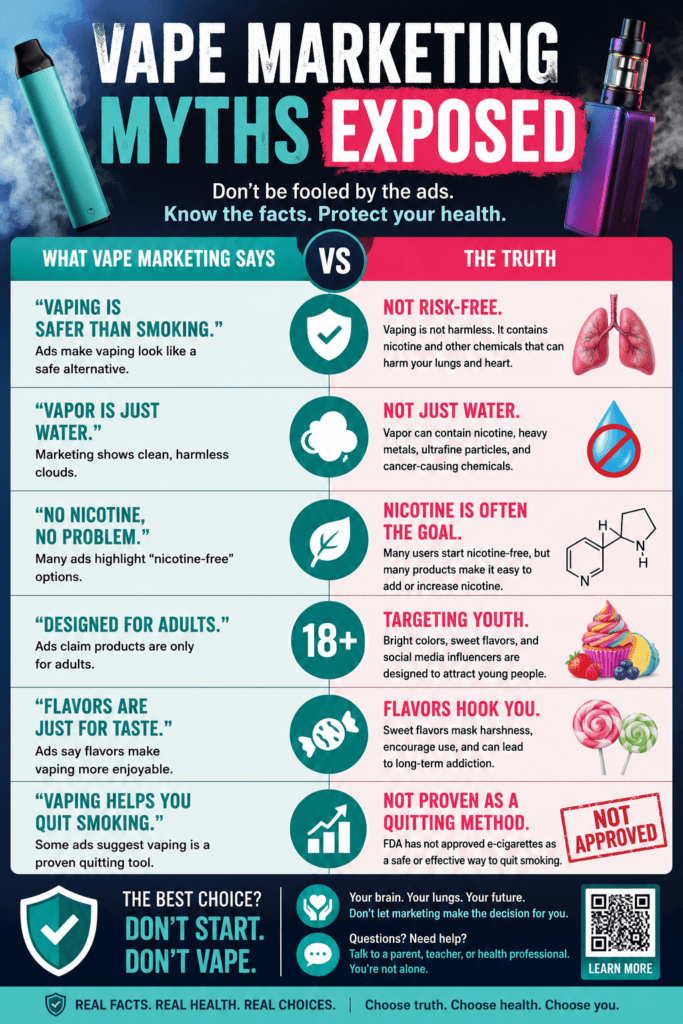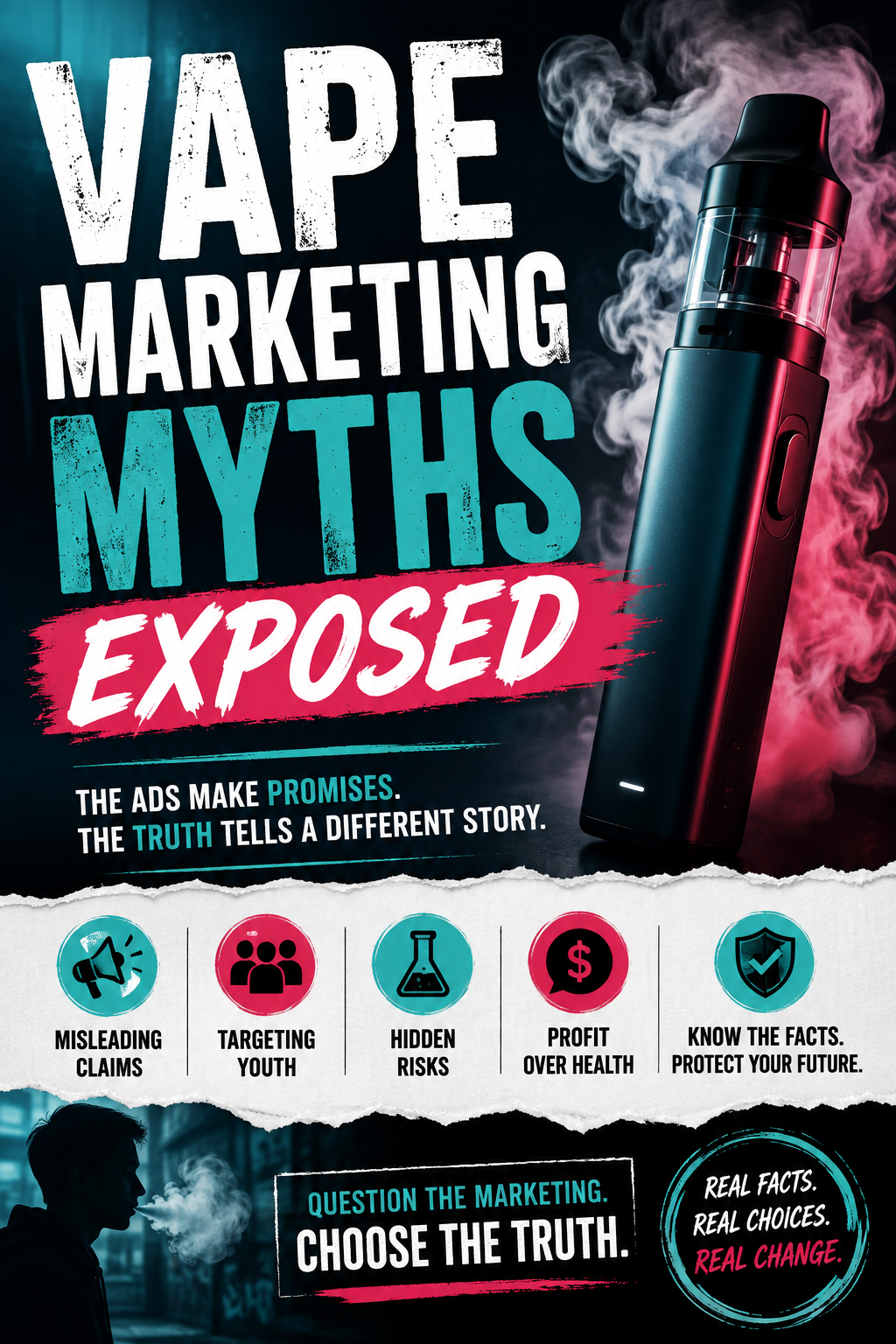
Vape advertising has exploded over the last decade. You’ve probably seen everything from flashy social media campaigns to quirky billboards claiming vaping is safer than smoking, comes in irresistible flavors, or gives you more freedom than traditional cigarettes. It can feel hard to separate reality from all the hype, especially since some vape ads stretch the truth or leave out facts altogether. If you’re thinking about vaping or just curious about the messages being pushed, peeling back the advertising layers is a smart move. Here’s what’s really going on with vape advertising myths and what you should actually know before buying in.
The Glow-up of Vape Advertising
The rise of vaping wasn’t exactly subtle. Ads always played a major part. Early e-cigarettes borrowed a lot of tricks from the tobacco playbook, with cool actors and trendy settings. Then came candy flavors, influencer partnerships, and hashtag-heavy campaigns. As the market grew fast, vape brands kept finding newer ways to grab attention, sometimes making vaping look safer or even cooler than it really is. Eventually, eye-catching flavors and slick packaging became a big draw.
Regulations on vape ads were slow to keep pace with the science. Big promises about quitting smoking or other health benefits got into ads without much oversight. As research caught up, health groups and regulatory agencies started pushing for stricter rules. Still, misleading ads slip by, especially online. The advertising switch-up also impacted consumer perceptions, blurring the lines between facts and marketing claims.
Myth #1: “Vaping Is 100% Safe”
This myth shows up everywhere. Brands often use clean, modern imagery to play down any risks. While vaping does avoid some of the chemicals in cigarettes, it’s far from risk-free. Studies, such as those from the CDC and National Cancer Institute, show vaping brings its own set of risks:
- Nicotine Addiction: Most vapes include nicotine, which is highly addictive and can impact developing brains in teens and young adults.
- Lung Health Problems: Vaping is linked to lung injuries and breathing issues. The long-term effects are still being studied, but early results don’t point to vaping as completely harmless.
- Unknown Chemicals: Flavorings and additives can break down into other harmful compounds when heated. Vitamin E acetate, found in some vaping products, is linked to severe lung disease.
While vaping may avoid tar, it still carries enough risk to deserve caution. Dismissing concerns by saying vaping is totally safe just isn’t accurate. Always double-check claims with reliable, unbiased sources. For extra peace of mind, ask your doctor before trying any new vaping product.
Myth #2: “Vaping Helps Everyone Quit Smoking Instantly”
It’s easy to find vape ads promising a painless switch from smoking to vaping, sometimes calling it an “easy quit” or an “instant solution.” The reality is, quitting smoking is tough, and vaping isn’t approved by the U.S. FDA as a quit aid. Some adult smokers do switch fully from cigarettes to vaping, but vaping can also keep users hooked on nicotine, making quitting even harder for some.
According to research from Cochrane Reviews, vaping may help some smokers, but only when paired with quit support. It’s not a one-size-fits-all fix. For people who didn’t smoke before, vaping just introduces nicotine addiction they never had. So, the next time you stumble upon a vape ad promoting itself as an easy ticket off cigarettes, know that it’s overselling things. Only with extra help or counseling do some people find vapes useful for quitting.
Myth #3: “Flavored Vapes Are Innocent Fun”
Bright juice bottles, candy flavors, and playful names make vapes look more like snacks than anything else. Many ads claim that flavors are just for variety or that they make vaping more appealing to adults. What’s often left out is that these flavors attract teenagers and young adults most. Research from the CDC reports that flavors like mango, mint, and bubblegum fuel rising rates of vaping among youth.
While some adults genuinely prefer flavored products, the marketing focus on flavors is pretty handy for getting younger, new customers on board. Regulators in some areas have started restricting or banning certain vape flavors for this reason. Ads that make flavors look completely harmless don’t address how much of a magnet these sweet options are to teens, making it more likely that teens will get hooked early.
Common Marketing Tricks Used in Vape Ads
Vape brands use lots of sneaky tactics to stand out, and spotting these tricks can help break the spell. Here are some strategies you’ll spot again and again:
- Influencer Partnerships: Many brands team up with social media personalities to promote products, sometimes without clearly labeling posts as ads.
- Minimal Disclaimers: Warnings about age or health risks are often in the tiniest font or hidden away at the bottom of an ad. It’s important to give the details a once-over and not skip the fine print.
- Healthy Lifestyle Imagery: Ads often show athletes or outdoor settings, making vaping seem like a fun part of an active life—even though health experts say otherwise.
- Misleading Testimonials: “Real user” stories brag about positive experiences but rarely show side effects or challenges with quitting.
Just because a product has a clever ad campaign doesn’t mean it’s safe. Any time you see vape marketing that seems too good to be true, it probably is. Question what’s shown, especially when it’s only the best-case scenario.
What to Watch Out For: Red Flags in Vape Ads
Ad campaigns sometimes rely on a handful of misleading tactics. Watch out for these red flags when checking out vape ads:
- Miraculous Claims: If an ad promises guaranteed results, instant benefits, or “no risks,” it’s oversimplifying or omitting facts.
- Targeting Teens: Colorful packaging, cartoon characters, and pop culture references are often signs that the ad is trying to lure underage users, crossing legal and ethical boundaries.
- No Mention of Nicotine: When an ad dodges talking about nicotine, read between the lines. Most vapes contain it, and you should know how much is in them.
- Lack of References: If you can’t find links to scientific studies or official approvals, that’s a warning sign.
Whenever you encounter any of these red flags, look for background information from trusted health sources. There’s often a gap between what the ad shows and what experts know about health risks and benefits.
Taking a Closer Look: What the Science Says
Dig into independent studies, and you’ll find a more balanced story. Agencies like the U.S. FDA and the World Health Organization break down the risks of vaping in plain language. Research keeps evolving, but here’s what we know now:
- Vaping is less risky than smoking cigarettes, but it’s not risk-free.
- Nicotine exposure from vaping poses dangers to youth, young adults, and pregnant women.
- The long-term effects of the chemicals in the vapor are largely unknown for now.
Ads rarely talk about any of this. That’s why checking in with unbiased sources is really smart before deciding whether to try or continue vaping. Extra steps, such as consulting a healthcare professional, can also provide peace of mind.
Guidelines for Smarter Vape Choices
Using caution and checking reliable health info is the best way forward if you’re curious about vaping or see it as a smoking alternative. Here are a few practical steps to help you find your way through the noise:
- Do Your Own Research: Read up on the CDC, FDA, and WHO to see the bigger picture, not just what ads promise.
- Check Ingredients: Avoid brands that don’t list ingredients. Always know what you’re putting into your body.
- Watch Legal Age Requirements: Good stores and brands always ask for ID. If an ad looks like it’s after underage users, that’s a problem.
- Don’t Fall for Celeb Hype: Influencer endorsements may seem cool, but science and facts should always come first.
- Look up Reviews: Expert and user reviews that mention both positives and negatives give a fuller picture.
In addition, keep an eye out for new studies and regulations, as public health information about vaping continues to grow. Be open to changing your mind if new evidence comes out.
Frequently Asked Questions
Some questions keep coming up about vaping and advertising. Here’s a quick summary of answers most people want to know:
Question: Are all vape ads regulated?
Answer: Not really. Some online and social media ads slip through without the strict rules applied to tobacco ads. That’s why you’ll spot bolder claims online compared to TV or print.
Question: Does vaping help with quitting cigarettes?
Answer: For some smokers, vaping can help reduce cigarette use, especially with extra support. It isn’t the only answer, and not everyone finds it helpful or safe.
Question: What are the risks of vaping for teens?
Answer: Studies show teens who use vapes are more likely to get addicted to nicotine and may start smoking traditional cigarettes later on. The adolescent brain is especially sensitive to nicotine’s effects.
Wrapping Up: Moving Past the Vape Hype
Vape advertising likes to highlight just one angle. Being sharp about what you see in vape ads, reading the science, and tuning out the noise is essential for making smart choices. No product, not even the trendiest, is risk-free. Take what you see with a grain of salt and let facts—not flash—drive your decisions about vaping.
Video: The Dark Side of Vape Marketing: What They Don’t Want You to Know