Caring for someone who’s struggling with addiction often means handling whatever life throws at you, sometimes with little warning. Addiction crises can pop up fast: a relapse, a sudden health scare, or a confrontation that boils over. That’s why I think building a solid emergency plan isn’t just helpful; it’s really important for caregivers and anyone in a support network. Having these plans in place gives everyone a roadmap to follow instead of scrambling when things get tough.
Why Addiction Support Networks Need Crisis Plans
If you’re a caregiver or part of a support group, you probably know emergencies can come out of nowhere. What might look like a regular day could turn into panic mode if your loved one is in crisis. Emergency planning gives structure to what could be a chaotic, emotional situation. Not only does planning help the person in recovery, but it also boosts your own confidence as a helper.
Stats show that substance use crises are common in recovery. The Substance Abuse and Mental Health Services Administration (SAMHSA) points out that nearly one in ten adults has dealt with a loved one’s substance-related emergency. Many folks say that having a plan in place lowered their stress when something unexpected hit.
Addiction recovery is rarely a straight path, and it can involve bumps and unpredictable twists. So, having strategies on hand helps everyone — family, friends, and professionals — feel more prepared and less overwhelmed.
Breaking Down the Elements of a Good Emergency Plan
I’ve found that solid emergency plans usually follow a few key steps. You don’t have to come up with something complex, but you do want it to be practical and clear. Here’s what helps:
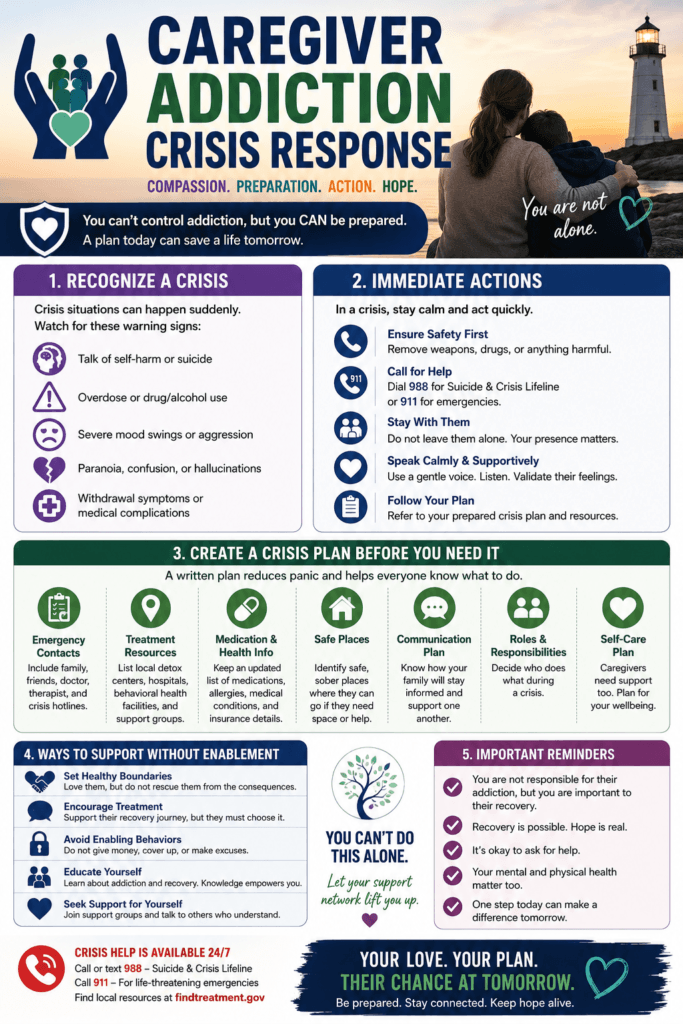
- Recognize Warning Signs: Keep a short list of physical, emotional, or behavioral changes that suggest a crisis is building. These can be things like changes in sleep, withdrawal from daily life, sudden anger, or missing medications.
- Identify Immediate Actions: Decide exactly what needs to happen first; who to call, which safe space to use, or what words to say to keep tension down. Having these steps written down can make them feel automatic in the moment.
- List Emergency Contacts and Resources: Have up-to-date numbers for medical providers, therapists, the nearest hospital, local law enforcement, and addiction support hotlines. I recommend keeping these visible in the home and saved on your phone.
- Share and Review the Plan: Everyone involved should know what’s in the emergency plan, not just the primary caregiver. Updating the plan together every few months keeps it relevant as needs and circumstances change.
Building Your Own Crisis Strategy: A Quick-Start Guide
Setting up a plan doesn’t need to feel like a huge project. Here’s a step-by-step way to get started even if you’ve never thought about this before:
- Write Down Early Crisis Signs: Ask your loved one what their personal warning signs are. Common ones include heightened anxiety, missing appointments, talking about past trauma, or seeking out old friends connected to substance use.
- Pick a Check-In System: Decide on a way you’ll keep tabs, like daily texts or weekly meetings, so you can spot issues sooner.
- Pinpoint Safe Spots: Know in advance where someone can go if they feel unsafe at home or need to avoid triggers, such as a trusted friend’s place, a community support center, or even a favorite coffee shop for a breather.
- List Who’s On the Support Team: Write out the names and numbers of people your loved one can reach out to, maybe a therapist, sponsor, or another friend in recovery.
- Practice the Plan: Do a “fire drill.” Walk through what you’d do if a problem came up to smooth out any kinks and get comfortable with the steps.
Roadblocks Caregivers Might Face, and How to Tackle Them
Helping someone through addiction isn’t easy. Crisis planning can feel like one more thing on an already full plate. I’ve run into a few common snags myself and picked up some solutions along the way:
- Stigma and Shame: Caregivers and people in recovery sometimes worry that neighbors or friends might judge them for asking for help. Reaching out to support communities or counselors, even anonymously at first, can help break down that barrier.
- Lack of Clear Medical Guidance: Sometimes it’s unclear when to call a professional or what truly constitutes an emergency. Finding a local addiction resource center to clarify what steps make sense for you is super helpful.
- Emotional Burnout: Being the one always on call gets exhausting. It’s really important to have backups — other relatives, friends, or even professional crisis teams — to lean on when you need a break.
- Changing Triggers: Triggers for relapse or crisis often switch up over time. Staying flexible and tweaking the plan regularly keeps it effective.
Stigma and Reaching Out for Help
Caregivers sometimes feel embarrassed talking about addiction struggles, but honestly, you’re not alone. Loads of communities have local or online groups specifically for families and supporters. The National Institute on Drug Abuse has a great list of confidential resources and tips for families at drugabuse.gov.
Confusion Around Medical Emergencies
Addiction crises might involve overdose symptoms, violent behavior, or severe mental health concerns. Guidelines from trustworthy sources like the SAMHSA Helpline can help you determine when calling 911 is appropriate, rather than handling the situation within the household.
Tips for Strengthening Your Support Network
The people in your support network are your backup in any emergency. Regular conversations about expectations, boundaries, and roles keep things smoother in the heat of the moment. Here are a few handy tips:
- Hold regular check-ins: Don’t wait for something to go wrong to talk about the plan. Checking in often keeps everyone on the same page.
- Rotate Responsibilities: Avoid burnout by trading off duties, like driving to appointments or following up after a crisis.
- Keep Things Confidential: Respecting privacy builds trust, making it easier for the person in recovery to reach out in a rough patch.
- Update Plans After Every Crisis: After handling any emergency, discuss what went well and what you’d change in your approach.
Practical Examples: What a Real Emergency Plan Might Look Like
Here’s a basic example of how an emergency plan could be written:
- Possible Triggers: Missed medication, financial stress, arguments at home, bad news, or anniversary dates of past trauma.
- First Step: Text or call a predetermined support buddy.
- If No Response: Go to the next on the contact list or go to a nearby safe location.
- Crisis Hotlines: 988 Suicide & Crisis Lifeline, local addiction support lines, or the person’s counselor’s direct line.
- Plan for Children or Pets in the House: A neighbor agrees to take over in an emergency, or a backup babysitter is called ahead of time and informed of possible scenarios.
This sort of list isn’t fancy, but it makes a huge difference under stress. As you build your plan, consider adding notes about local support groups, favorite calming activities, or trusted crisis responders. These details can reassure everyone and ensure nothing is missed in the heat of the moment.
Frequently Asked Questions
Answers to a few of the questions I hear from other caregivers:
Question: When should you call 911 or an emergency service?
Answer: Call 911 if someone is unconscious, having trouble breathing, showing signs of overdose (like blue lips or a slow heartbeat), or is a danger to themselves or others. When in doubt, err on the side of safety.
Question: What if the person you’re supporting refuses help during a crisis?
Answer: This can be tough. Keep calm, stick to your plan, and gently encourage the use of written or previously agreed-upon scripts; sometimes, just reading a line or two from your emergency list helps. Never put yourself in a dangerous situation.
Question: How do you involve children or other family members?
Answer: Be age-appropriate but honest. Create safety rules (like where to go or who to call) and practice simple drills, much like you would for fire safety at home.
Ready Resources for Building Your Own Plan
Plenty of great resources make crisis planning easier. SAMHSA offers downloadable documents and fill-in-the-blank plans. Many local recovery centers also run workshops for caregivers focused on creating these plans together. If you’re unsure where to track down templates or advice, try starting with the SAMHSA National Helpline or your local health department.
Putting together an emergency plan doesn’t mean you’re expecting the worst. It’s about feeling ready for anything. Believe me, knowing you’ve done a little prep can bring a lot of peace of mind, even when things start to get tough.
Still have questions? You can always check in with local professionals or look up resource guides online. Building a plan takes a team, and reaching out is a strong move for every caregiver.
Video: Don’t Wait Until It’s Too Late: Crisis Planning for Addiction #addictioncrisis #recovery