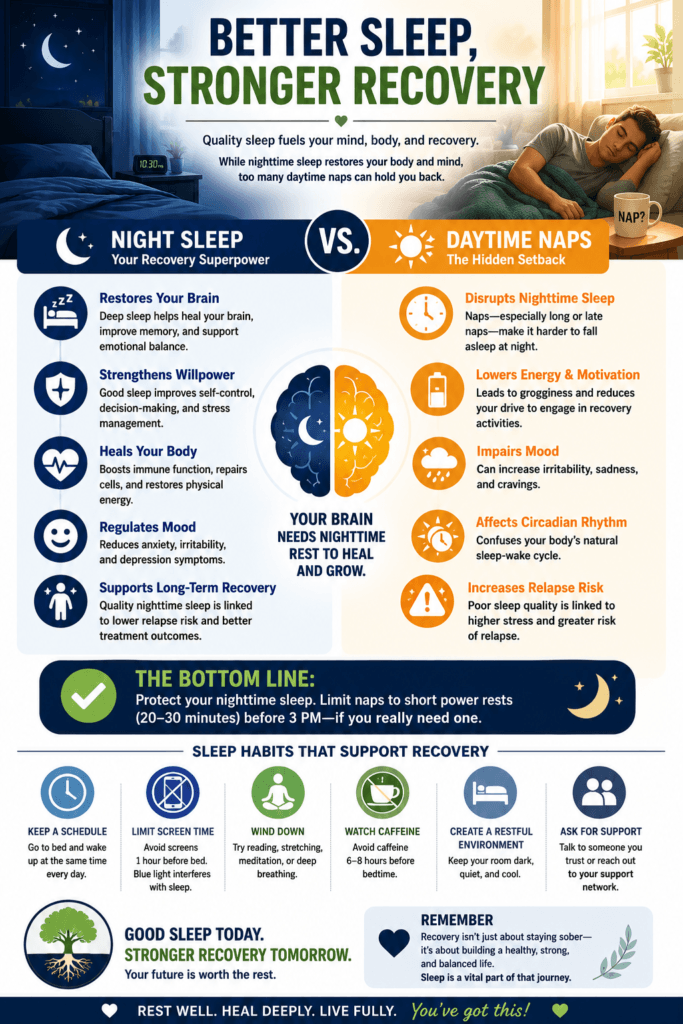
Daytime naps sound like a quick fix for tiredness, but they might not be doing your body any favors, especially if you’re trying to recover from an illness, tough workout, or ongoing fatigue. There’s a big difference between grabbing a nap and getting a solid night’s sleep. Understanding where naps fit into the sleep and recovery picture can make a real difference for anyone aiming to bounce back faster and feel their best.
How Sleep Works: Night vs Daytime Rest
Sleep is more than just shutting your eyes for a while. It’s an active process during which your body and mind repair, store memories, and prep for what’s next. Nighttime sleep follows your body’s internal clock, or circadian rhythm, providing the long, deep rest most adults need—around 7-9 hours—to stay at their best, keep muscles strong, and help your immune system do its job.
Naps, in contrast, are short bouts of rest that interrupt your normal rhythm. While they may give a burst of alertness, they often lack the benefits of a full night of deep, continuous sleep. The impact of naps depends on their timing, length, and the reason you take them. For example, napping after a bad night could give a temporary lift, but it won’t replace lost recovery time.
Why Night Sleep Supports Recovery
Setting aside time for night sleep gives your body the chance to handle essential repairs and maintenance that daytime naps alone just don’t provide. While you sleep at night, especially during deep sleep (slow-wave sleep), your body works to repair muscles, fix cellular damage, and give your brain space to reset. These processes operate best over extended, uninterrupted periods.
The immune system is most effective during these hours, as it ramps up infection-fighting cells and finishes healing that started during the day. Growth hormone, which helps with recovery and muscle repair, is released in larger amounts during your deep night sleep compared to naps. Without enough quality sleep at night, recovery can feel slow and frustrating.
When Napping Can Get in the Way
It may seem like a smart idea to fight tiredness with naps, but it isn’t that simple. Long or frequent naps tend to throw off your circadian rhythm, making it harder to fall or stay asleep later. This matters because missing out on a solid block of nighttime sleep causes your body to skip vital REM and deep sleep phases.
Eventually, these interruptions cut into the quality of your recovery. Those healing from surgery or tough workouts rely on deep sleep at night to restore the body. Too much daytime sleep tricks you into feeling refreshed and reduces the drive to sleep deeply when it matters most—a problem when you need full recovery mode at night.
Short-Term Benefits and the Catch
Taking a quick power nap (around 20 minutes) can shake off mild sleepiness and sharpen focus, especially after a restless night. But longer naps, over 30-60 minutes, can sometimes leave you feeling groggy when you wake up in the middle of deep sleep. This grogginess, or “sleep inertia,” may drag on and make it hard to get moving again.
Taking long, frequent naps usually means your night sleep isn’t hitting the mark. This can lead to a frustrating loop where daytime rest is followed by difficulty sleeping at night, and the body never quite catches up on its deep repairs.
Why Your Body Needs Consistency
Your body thrives on routine. The sleep-wake cycle works best when you stick to regular hours. If you nap at unpredictable times or sleep at odd hours, it throws off your internal clock and makes nighttime sleep even more challenging. This confuses the timing of crucial recovery activities.
For those dealing with recovery—whether from illness, surgery, a tough gym session, or high stress—predictable, regular night sleep works wonders. Skipping or mixing up that pattern leads to slower tissue repair, lowered immunity, and even mood swings that slow down progress.
Common Mistakes: Naps and Recovery
- Using naps to fix poor night sleep: Many people hope long naps will make up for lost sleep at night, but naps are more like topping off your tank than a real fill-up.
- Napping late in the day: Resting too close to bedtime can push back your nighttime sleep, disrupting your routine and throwing off your body’s natural timing.
- Overlooking underlying health issues: Needing constant naps could be your body’s way of saying something is wrong. Ongoing stress, pain, or undiagnosed sleep disorders might be the roadblocks to real recovery.
Short Naps vs. Long Naps: What’s Worse?
Napping isn’t always a problem—short naps, especially early in the day, can actually help in moderation without pushing you into deeper sleep stages. This helps you avoid missing out on vital sleep cycles at night. Long naps, however, often “borrow” from your night sleep, leaving you tired at bedtime and making deep sleep harder to come by.
Medical Recovery: What Sleep Experts Suggest
Doctors and sleep professionals almost always back night sleep as the best kind for recovery. After medical procedures, illness, or injury, it is strongly recommended to follow a steady sleep schedule and keep naps under 20 minutes if you must nap. For anyone trying to shake off a virus or recover from exercise, focusing on nighttime sleep really pays off. Unless a doctor instructs you, avoid extending naps past an hour—prolonged naps usually disrupt night rest more than they help.
Best Strategies to Recharge Without Harming Night Sleep
- Prioritize Night Sleep: Build a night routine by shutting off screens early and going to bed at the same time each night—it’s simple but powerful.
- Keep Naps Short and Early: Set a timer for 20-30 minutes if you feel the need to nap, and don’t nap past midafternoon to avoid interfering with night sleep.
- Manage Light and Noise: Make your sleep environment dark and quiet at night. If you need to nap, choose a bright space so your brain stays alert to the fact that it’s still daytime.
- Pay Attention to Your Body: If you need to nap constantly just to get by, check with your doctor. It could be a signal of a deeper problem needing attention.
- Stay Hydrated and Eat Well: Dehydration or poor eating can slow recovery. Make sure water and nutrient-rich foods are part of your daily routine.
On top of these steps, try adding gentle physical activity or stretching during the day, if your condition allows, to promote better sleep at night. Avoid caffeine late in the day and set up a calming pre-bed routine — even simple breathing exercises or reading can help signal to your body that it’s time to wind down.
Napping and Special Circumstances
Certain groups, such as shift workers or new parents, may benefit from naps when full night’s sleep isn’t an option. In these cases, keeping naps short and not too late offers some support without sabotaging night rest. However, for most, especially those in recovery, nighttime sleep remains the ultimate tool for regaining full strength.
Frequently Asked Questions on Naps and Night Sleep
Is it okay to nap every day?
Napping occasionally is harmless for most people, but when daily naps are needed, it usually means something isn’t right with your night sleep. It’s worth figuring out what’s dragging your energy down.
How long should a nap be to avoid harming my night’s sleep?
Stick to 20-30 minute naps before the afternoon wraps up. Skipping long or late naps keeps your natural sleep drive strong for nighttime.
Why do I feel worse after a long nap?
Long naps can push you into deeper sleep, making it harder to wake up. This “sleep inertia” brings on grogginess that takes time to disappear. Quick naps usually cause less trouble.
Is night sleep really more important than daytime rest?
Absolutely. Night sleep starts important healing and recovery processes that naps can’t handle. Naps might help in rare cases, but they’re no substitute for solid sleep after the sun goes down.
Night Sleep Wins for Recovery
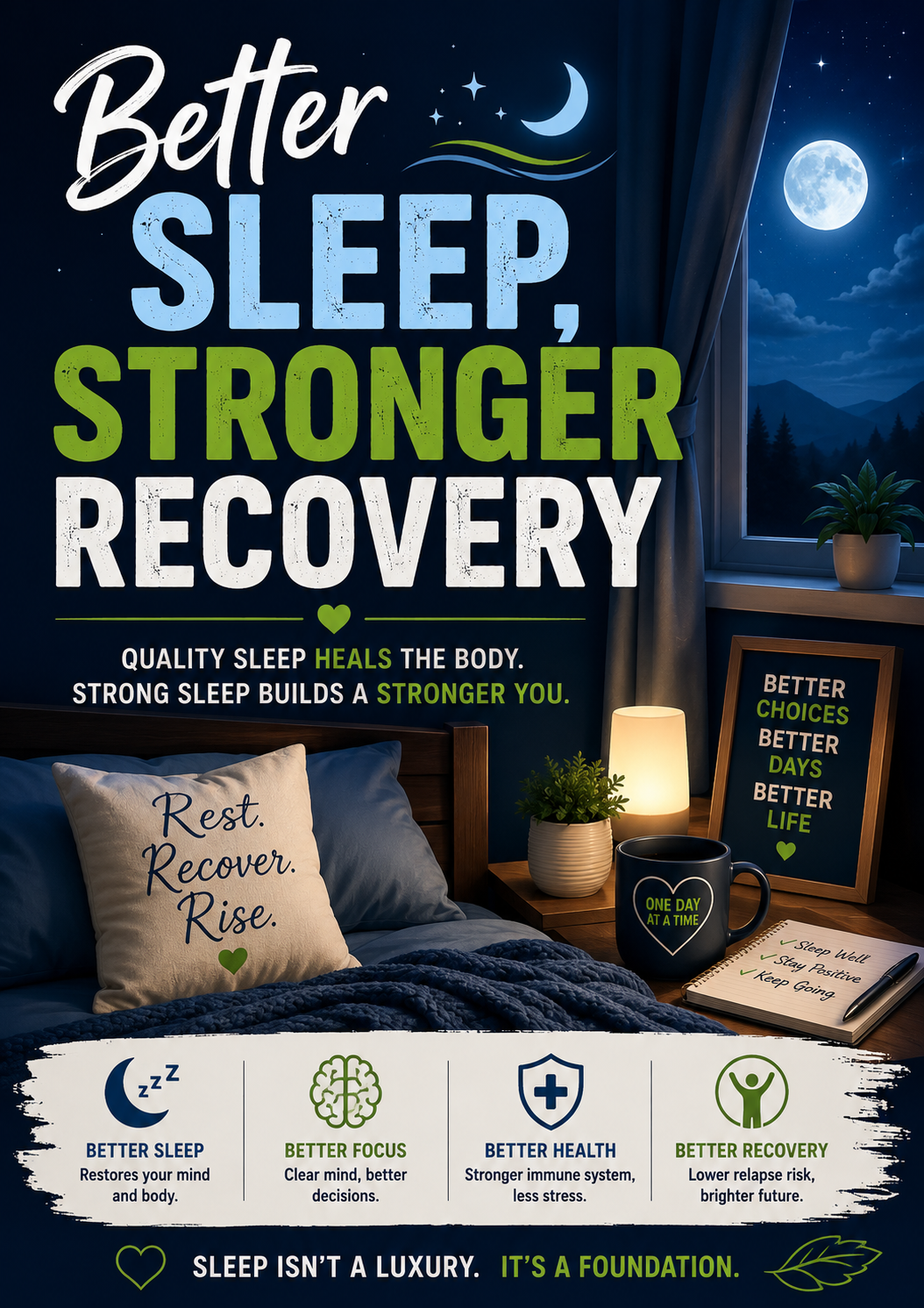
There’s simply no replacing the benefits of full, peaceful night sleep. You can’t cheat recovery—deep night hours are when your body goes into full repair and healing mode. If you feel run down, are healing, or just want more energy, making night sleep your main goal pays off much more than reaching for another nap.
Video: Fix Your Sleep: The Ultimate Guide to Daytime Napping for Addiction Recovery