Digital Addiction & Society

Digital technology has become an essential part of modern life, influencing how people communicate, learn, work, shop, and build relationships. Smartphones, social media, online gaming, streaming services, and digital platforms offer many benefits, but they have also raised concerns about excessive and compulsive technology use. The concept of the social embedding of digital addiction recognizes … Read more

Understanding Exercise Addiction

Regular exercise is an essential part of a healthy lifestyle, offering numerous benefits for physical fitness, mental health, and overall well-being. It can improve cardiovascular health, build strength, reduce stress, enhance mood, and help prevent many chronic illnesses. However, like any behavior, exercise can become harmful when it becomes excessive, compulsive, or continues despite injury, … Read more

Treating Mental Health & Addiction

Dual diagnosis, also known as co-occurring disorders, refers to the presence of both a mental health disorder and a substance use disorder in the same individual. Common combinations include depression and alcohol use disorder, anxiety and prescription medication misuse, post-traumatic stress disorder (PTSD) and opioid use disorder, bipolar disorder and stimulant use disorder, or schizophrenia … Read more

Addiction vs. Self-Medication

Many individuals living with anxiety attempt to manage their symptoms by using alcohol, cannabis, nicotine, prescription medications, or other substances without medical guidance. This behavior, known as self-medication, may provide temporary relief from feelings of worry, fear, or emotional distress, but it does not address the underlying cause of anxiety and can increase the risk … Read more

Hidden Signs of Workplace Burnout

Workplace burnout has become an increasingly common concern across many professions as employees face growing workloads, staffing shortages, constant connectivity, and prolonged job-related stress. Burnout is more than simply feeling tired after a demanding day—it is a state of physical, emotional, and mental exhaustion that develops when chronic workplace stress is not successfully managed. While … Read more

Addiction Counselor Shortage

The shortage of addiction counselors has become a significant public health challenge as the demand for substance use disorder treatment continues to grow. Rising rates of opioid use disorder, alcohol misuse, stimulant addiction, and co-occurring mental health conditions have increased the need for qualified professionals who can provide counseling, recovery support, and relapse prevention services. … Read more

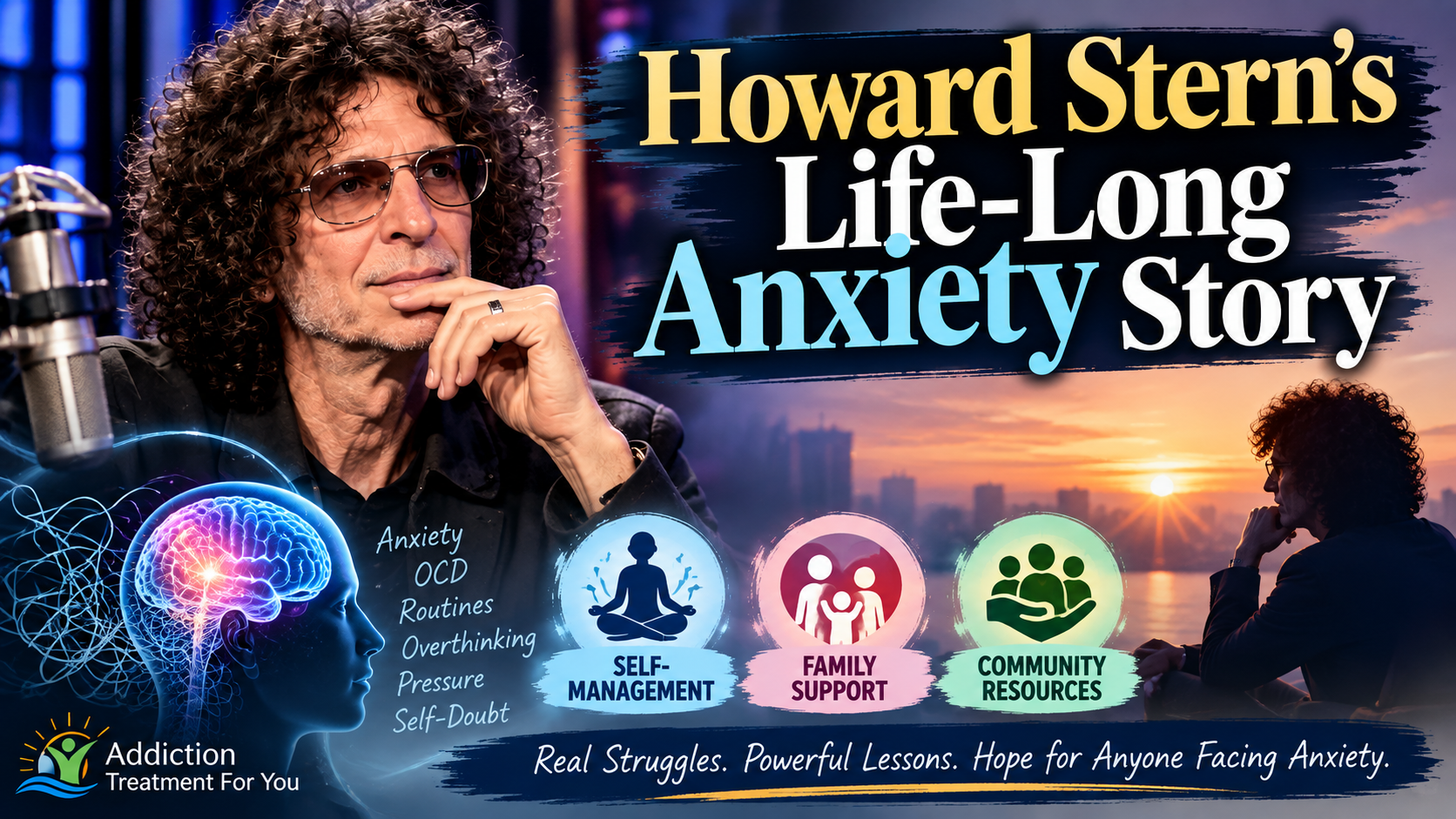
Mindfulness Rewires Anxiousness

Anxiety is one of the most common mental health concerns worldwide, affecting how people think, feel, and respond to everyday stress. When anxiety becomes chronic, it can keep the brain in a constant state of heightened alertness, making it difficult to concentrate, relax, sleep, or regulate emotions. Growing research in neuroscience has shown that mindfulness—the … Read more

Workplace Mental Health Stigma

Addiction and mental health conditions can affect anyone, regardless of their profession, education, or level of experience. Because many adults spend a significant portion of their lives at work, the workplace often becomes one of the first environments where the effects of stress, anxiety, depression, burnout, or substance use disorders become noticeable. Unfortunately, fear of … Read more

Maternal Mental Health & Addiction

Maternal mental health and addiction are critical public health issues that affect the well-being of mothers, infants, families, and communities. Pregnancy and the postpartum period bring significant physical, emotional, hormonal, and social changes that can increase a woman’s vulnerability to mental health conditions such as depression, anxiety, bipolar disorder, and postpartum psychosis. Some women may … Read more

Seven Mental Health Red Flags

Mental health is an essential part of overall health, influencing how individuals think, feel, behave, and cope with life’s challenges. While occasional stress, sadness, or anxiety are normal responses to difficult situations, persistent or worsening emotional symptoms may indicate the need for professional evaluation and treatment. Recognizing the warning signs that suggest someone may benefit … Read more