Attraction to older men is a topic that tends to spark plenty of curiosity and even debate, but there’s a lot more to it than meets the eye. This kind of attraction isn’t just about personal taste; it actually holds some really interesting clues about emotional health and even how we approach relationships. If you’ve ever wondered what draws some people to partners with more life experience, you’re definitely not alone. Here, I’ll walk through what older men’s attraction might mean for emotional health, why it happens, and some things worth considering if it sounds familiar to you.
Why Attraction to Older Men Happens
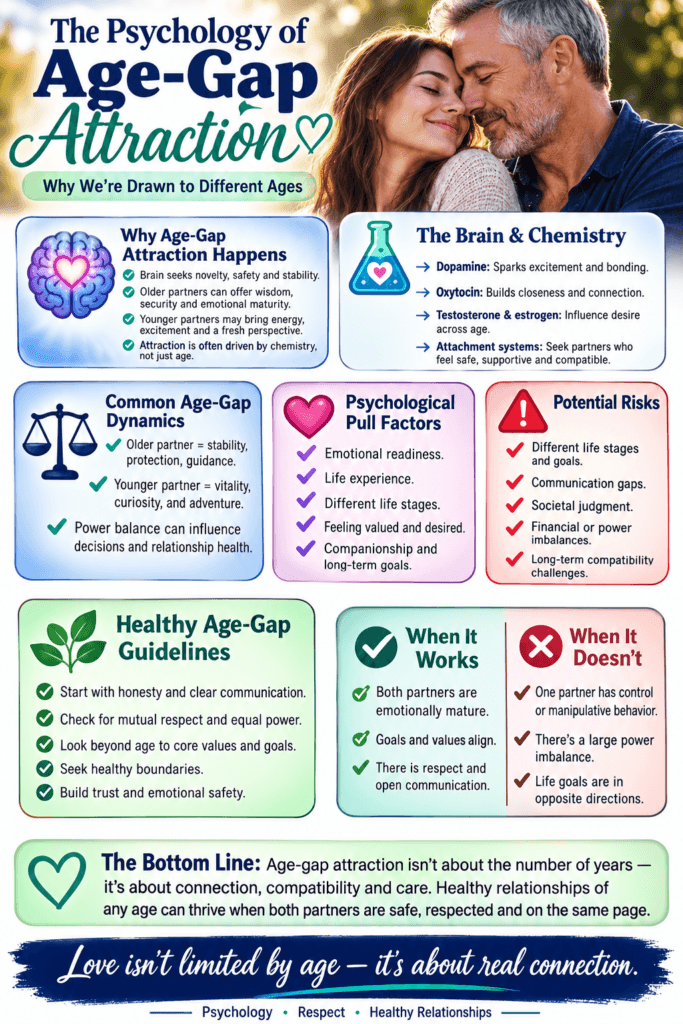
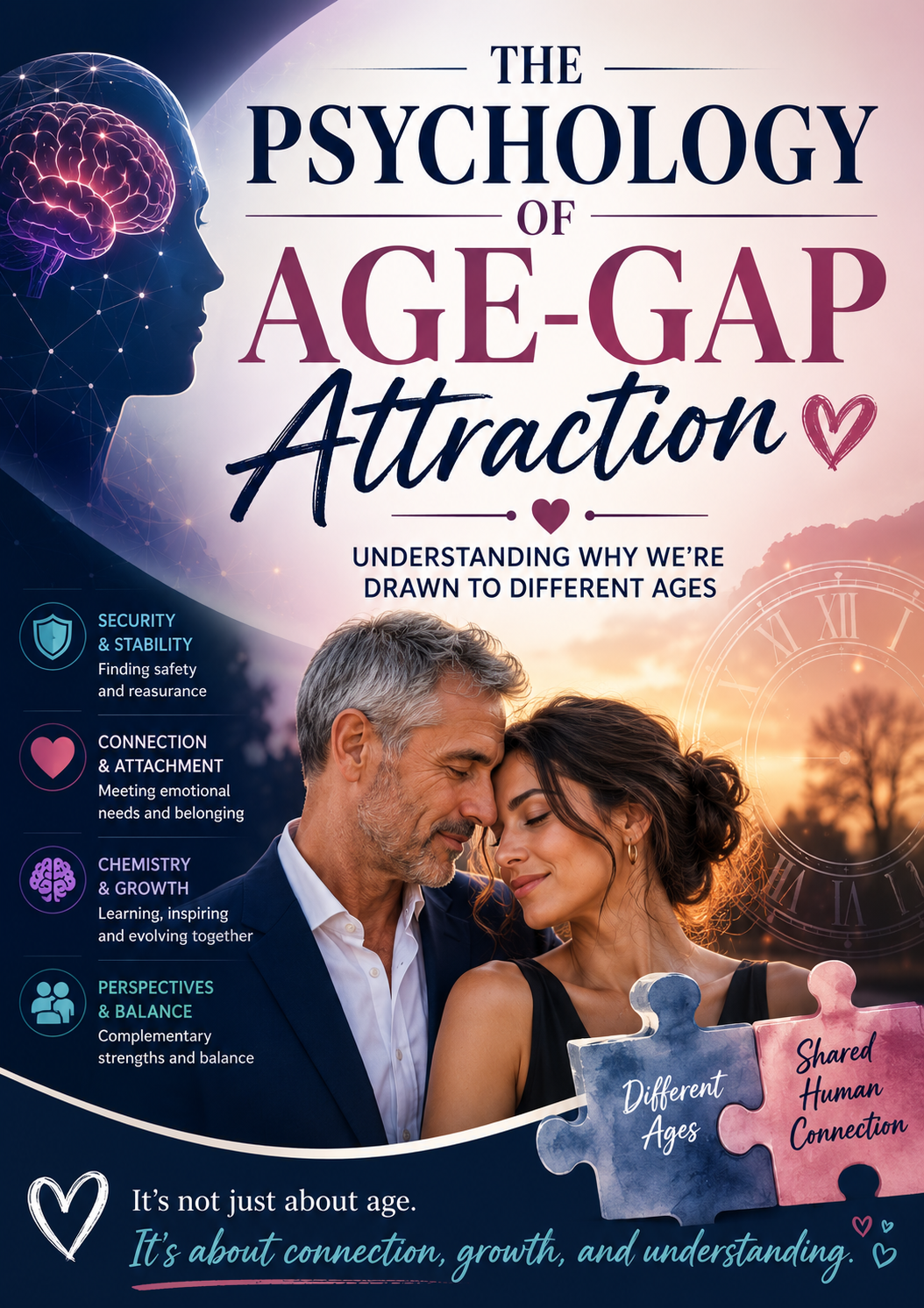
Being attracted to older men isn’t as unusual as it sounds, and it’s not just reserved for Hollywood stars or romantic comedies. Lots of people, especially women, find themselves drawn to men who are a decade (or several) older. There are quite a few reasons for this, and understanding these can actually shed a little light on emotional health, too.
One commonly mentioned reason is maturity. Older men often carry a calm, confident attitude that can make them seem emotionally stable. Life experience shapes how we respond to stress and adapt to changes, which can come across as emotional intelligence—something that is super attractive to many people.
There’s also the idea of feeling taken care of. In a world where uncertainty arises often, someone with more life experience may convey a sense of security and reliability. This comfort factor plays a big role for folks who might be looking for stability after a string of unpredictable or less satisfying relationships.
Finally, there’s curiosity about different perspectives. Sometimes, what draws people in is the promise of learning from a partner with countless stories and wisdom to share. Conversing with someone who’s been around longer can feel refreshing and even inspiring.
Another reason comes from cultural influences. Movies, books, and other stories often portray older men as wise mentors or protectors, and these portrayals can subconsciously stick with us. Some people also find that older men tend to prioritize emotional connections over surface-level interests, which can be comforting for those seeking meaningful bonds. Interestingly, societal trends today have made it easier to meet and connect with partners outside one’s age group thanks to online platforms, so these attractions may feel more visible and accepted than in past generations.
Emotional Needs Behind the Attraction
Digging a little deeper, attraction to older men sometimes points to underlying emotional needs. Many people find themselves drawn to partners who reflect what they didn’t have growing up or what they want more of now. Here are some emotional factors at play:
- Desire for Security: Seeking comfort or a break from emotional chaos? Older partners often provide a safe, predictable space, which can feel really good for someone who’s been through unstable situations.
- Looking for Guidance: If you feel like a mentor-type connection is missing from your life, older men may fill that space, consciously or not.
- Admiring Wisdom: There’s something pretty cool about being around someone with lots of stories and experience. It can be appealing for folks who enjoy learning and growth.
Of course, this doesn’t mean every attraction to an older guy has a hidden emotional motivation. Sometimes it’s just chemistry or shared hobbies! Still, reflecting on what you’re looking for and why can be insightful for self-growth and emotional awareness. Often, people find that a desire for strong boundaries, deep conversations about the future, or a respect for personal space leads them toward partners who’ve had more time to develop these qualities. Taking a moment to consider your deeper needs can bring a new level of clarity to your dating patterns.
What This Attraction Might Say About Emotional Health
Finding yourself attracted to older men does not mean anything is “wrong” emotionally. In fact, it often reveals self-knowledge and emotional maturity. Here’s how:
- Self-Awareness: Recognizing what you want and seeking relationships that meet those needs can indicate strong emotional health. It takes courage to pursue partners who fit your values, even if they aren’t conventional.
- Independence: Many people attracted to older partners are independent thinkers who resist peer pressure. Going against the grain isn’t always easy; it speaks to confidence and a firm grasp of what matters personally.
- Growth Mindset: People who crave mature partners often value personal growth. They might be drawn to opportunities for learning and reflection, which are great for emotional well-being.
There’s another side to consider, though. If someone consistently seeks out much older partners out of fear, low self-worth, or a desire to have someone “fix” things for them, that’s a sign to dig a bit deeper. Therapy or talking things out with a trusted friend can help clarify whether patterns are rooted in past hurt rather than genuine connection. Self-reflection is key; it can provide a clearer sense of whether the attraction is based on healthy reasons or is more about filling a missing piece from earlier in life.
Potential Benefits for Emotional Health
Pursuing relationships with older men can bring some positive effects for emotional health, especially if the attraction is based on shared respect and understanding:
- Relationship Stability: Relationships with older men can feel more grounded, thanks to emotional steadiness and practical life experience.
- Communication Skills: People who have been through different life stages often have strong communication habits, making it easier to handle conflicts maturely.
- Greater Empathy: Being around someone from another generation opens the door to seeing life from different perspectives. This empathy is good for personal well-being and can spill into other relationships, too.
From my own experience, I’ve noticed that having honest conversations and openly sharing feelings come more easily when my partner has learned from life’s ups and downs. This is especially noticeable when compared to relationships I had as a younger adult, where drama could sometimes overshadow honesty. With older partners, I’ve noticed a willingness to talk things over instead of brushing problems under the rug, which feels refreshing and deeply supportive.
Challenges to Think About
While there’s a lot to like about relationships with older men, it’s fair to note a few common challenges. Recognizing these upfront can help you make informed, healthy choices.
- Generation Gap: Large age differences may lead to different worldviews or preferences. This isn’t always a problem, but it can lead to misunderstandings or mismatched expectations.
- Family or Social Pressure: Not everyone gets it, and friends or family might have opinions, sometimes strongly worded ones. Handling outside opinions takes thick skin and a strong sense of what works for you.
- Different Life Stages: Practical differences can emerge, such as career priorities, health, or future plans. Honest communication and flexibility help, but these topics are worth talking about early on.
When things get tough, I find that focusing on open communication and mutual respect really helps. Even with strong attraction and good intentions, navigating challenges together builds trust and supports emotional health for both sides. Remember, every couple faces unique hurdles; having ongoing conversations helps keep both people feeling heard and valued.
Tips for Navigating Older Men’s Attraction in a Healthy Way
If you find yourself consistently attracted to older men, or are in a relationship with one, keeping your emotional health front and center is really important. Here are some practical tips to keep things balanced and positive:
- Reflect on Your Motivations: Take a little time to ask yourself what draws you to older partners. Is it confidence, security, or something else? Self-awareness goes a long way.
- Prioritize Communication: Don’t shy away from conversations about expectations, boundaries, and life goals. Being open about your needs and listening to your partner is honestly just good relationship practice.
- Stay Connected with Friends: Keep up with your own support system. Relationships thrive when both partners have their own social connections and independence.
- Address Patterns if Needed: If you notice a pattern of dating much older partners without feeling happy or secure, talking to a therapist might provide some clarity or support.
- Embrace Growth: Keep an open mind and use the relationship as a way to learn more about yourself, emotionally and otherwise.
Above all, honesty is key to stepping into any relationship. Setting boundaries and respecting your own needs while also acknowledging your partner’s experience can keep the relationship healthy and rewarding for both of you.
Frequently Asked Questions
Here are some of the most common questions I hear from folks curious about older men’s attraction and emotional health:
Is being attracted to older men a sign of “daddy issues”?
Not really. While early life experiences can shape what we’re attracted to, being drawn to older partners can reflect conscious choices about maturity, stability, or shared interests as much as anything else.
Can large age gaps work long-term?
Absolutely. Relationships with age gaps can thrive when both partners communicate openly and respect each other’s differences. Shared values matter a lot more than birthdates in the long run.
Does society judge relationships with big age differences?
Sometimes, yes. While public opinion varies, focusing on what works for you is super important. Support from friends or communities who understand helps, too.
Maturity in Relationships: How Age Can Build Emotional Health
There’s a reason so many people feel drawn to partners with more life experience; maturity tends to go hand in hand with strong communication and thoughtful decisions. These qualities support emotional health and create peaceful, fulfilling connections.
- Handling Conflicts with Care: Older partners often have years of experience managing disagreements calmly and fairly, which is especially useful during rough patches.
- Deeper Conversations: Discussions about dreams, regrets, and family come more naturally, giving the relationship a richer sense of intimacy.
- Respecting Differences: Over time, people become better at seeing things from multiple perspectives, which fosters more resilient relationships.
In my own relationships, I’ve found that the ability to tackle hard topics without drama or defensiveness makes a huge difference. This isn’t about age alone, but life experience definitely helps. Setting aside preconceived notions lets both people appreciate one another as individuals first.
Real-World Scenarios: Attraction, Health, and Happiness
Think about someone who’s been through a few rocky relationships and finally finds a partner who brings steadiness and wisdom. That sense of relief and personal growth can go hand in hand with dating an older partner. In another example, a person with big career goals may value a partner who’s experienced, supportive, and understands the unique pressures of adulthood.
- Learning from Life Stories: Sharing and listening to stories of the past can be both healing and motivating for both partners.
- Balance of Power: Healthy age-gap relationships respect each partner’s voice; an uneven power dynamic can lead to problems, but when both people feel valued, everyone grows.
- Emotional Security: When you feel truly understood and accepted, your emotional health improves, and that carries over into other parts of life, too.
Similarly, couples may find they’re able to support each other’s ambitions and personal growth in ways that weren’t possible in previous relationships. With open communication, mutual respect, and a willingness to learn from one another, age-gap relationships can become a positive, eye-catching chapter in your emotional adventure.
Video: The Truth About Age Gap Attraction: What You Need to Know #agegap #psychology