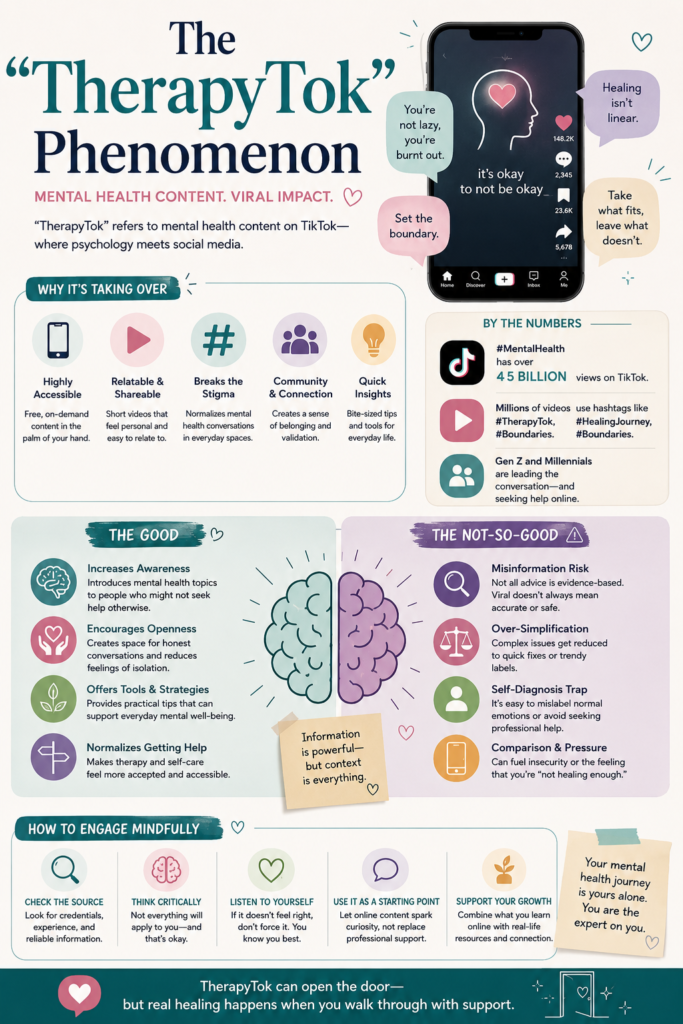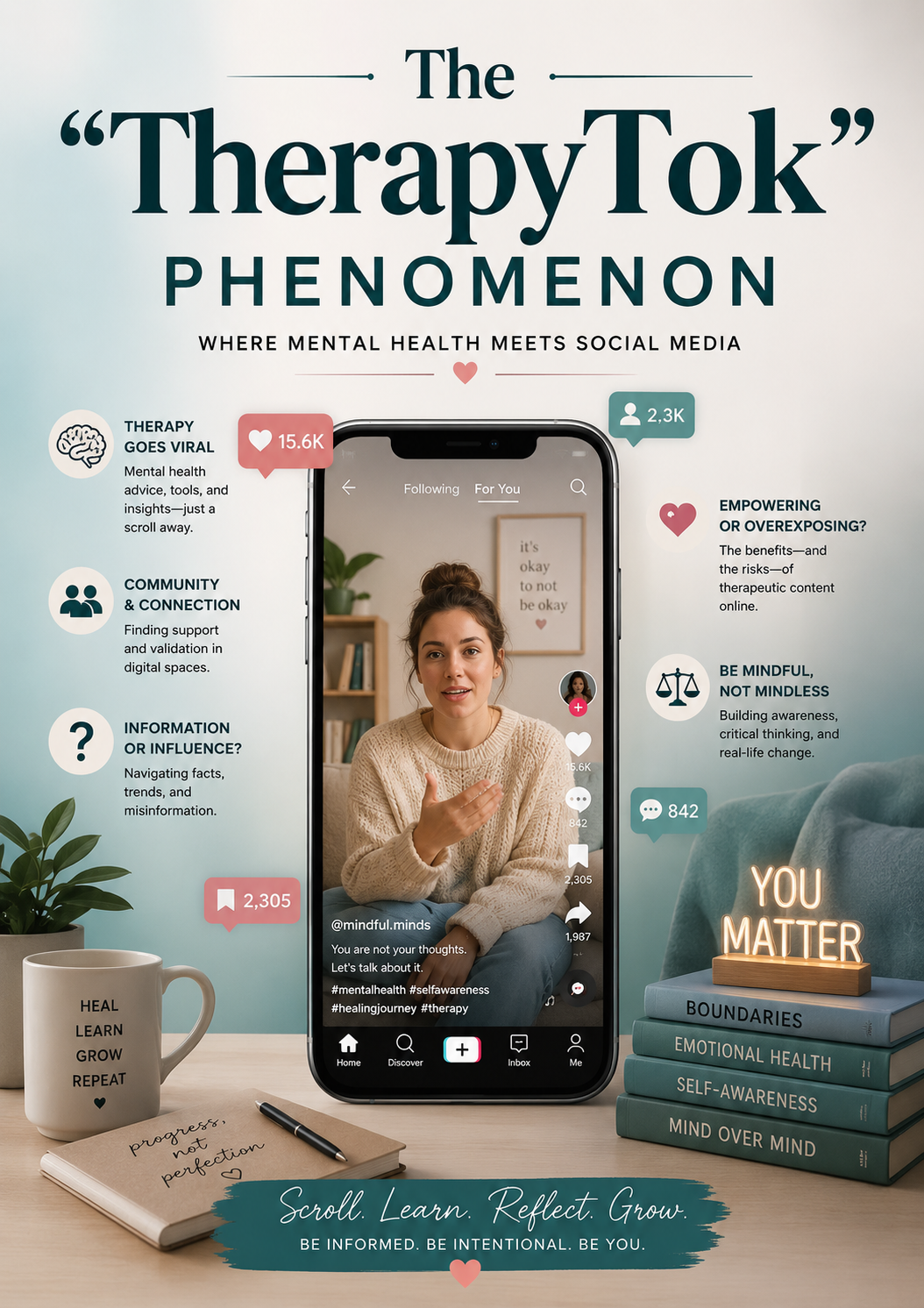
If you’ve scrolled through TikTok lately, you’ve probably noticed a surge of bite-sized therapy advice from creators claiming to know what’s best for your mental health. This wave of content is known as “TherapyTok.” The hashtag has racked up billions of views, and it seems like everyone, from licensed therapists to everyday users, has something to say about anxiety, relationships, or trauma recovery. This trend has sparked important conversations, but it also raises red flags about which advice is truly helpful and which might do more harm than good. In this article, I’ll break down the TherapyTok phenomenon and share tips for finding reliable mental health guidance online.
What is “TherapyTok”? Understanding the Trend
TherapyTok is a nickname for the therapy and mental health side of TikTok. People share short videos with advice, personal stories, and hacks that claim to help with mental health struggles. Some creators have formal training and credentials, while others are just passionate about self-improvement. Videos might cover topics like coping with panic attacks, recognizing signs of toxic relationships, or “life-changing” morning routines for productivity.
This corner of TikTok has exploded because it’s quick, relatable, and gets people talking about tough issues in an approachable way. For many, TherapyTok offers community, validation, and new self-care ideas. But as mental health content pours in from every direction, separating real information from misinformation gets tougher. It’s important to remember that while some videos are genuinely insightful, others could be more confusing or misleading.
Helpful Aspects of TherapyTok
TherapyTok has some real upsides, especially for those who may not have access to therapy or are nervous about reaching out for help:
- Reducing Stigma: Open conversations about anxiety, depression, or ADHD help people feel less alone and more accepted.
- Basic Education: Explainers on symptoms and self-help strategies give viewers a starting point for understanding mental health.
- Community Support: Comment sections often become supportive spaces where people share tips or encouragement.
- Inspiration to Seek Help: Seeing creators talk about their therapy experiences can nudge viewers to reach out to professionals.
For some people, TherapyTok serves as the first step in learning more about what mental health looks like in real life. Sometimes, just hearing that others share similar struggles makes things feel a little lighter. Even short videos talking about day-to-day coping methods can help reduce feelings of isolation and spark hope that things can get better with time and proper support.
Where Things Get Risky: Pitfalls of TherapyTok
Despite the positives, TherapyTok also has its pitfalls. I’ve noticed a few trends that are pretty problematic if you’re looking for real support:
- Poor Advice from Unqualified Sources: Some creators hand out therapy tips without any actual training. Just having personal experience doesn’t equal reliable, safe advice for everyone.
- Oversimplification: Complex mental health topics get boiled down to “5 hacks” or 30-second soundbites. Real-life problems often need more than a quick fix.
- Self-Diagnosis: Many videos encourage viewers to diagnose themselves with conditions like ADHD or trauma disorders based on TikTok checklists. This can lead to unnecessary worry or the wrong kind of support.
- TrendDriven Misinformation: Some viral advice, like “cut off all toxic people,” skips important steps for healthy relationships or ignores nuance.
- Triggering Content: Videos about serious issues can sometimes be intense, with no warnings or support, which is tough for people already struggling.
It’s really important to remember that content on TherapyTok isn’t one-size-fits-all. Advice that works for one person can actually be harmful to someone else in a different situation. Being aware of the variety of experiences in the mental health world can help you filter what might be safe or risky to try for yourself.
Tips for Spotting Solid Advice on TherapyTok
Getting value from TherapyTok starts with sorting useful content from sketchy trends. Here’s how I approach it:
- Check Credentials: Look for creators who clearly state their qualifications, such as licensed therapists, counselors, or psychologists. They’ll usually mention their role or link to their professional sites.
- Watch for Disclaimers: Reliable creators often remind viewers that videos can’t replace real therapy and recommend seeking professional help for serious issues.
- Notice Nuance: The best advice covers multiple perspectives and avoids sweeping statements (like “just manifest positivity!” or “cut off everyone causing you stress”).
- Stay Critical of Self-Diagnosis: If a video lists symptoms and encourages immediate self-labeling, it’s worth pausing and doing more research elsewhere.
- CrossCheck Information: If something sounds unusual or extreme, search for that topic elsewhere, such as on reputable health websites (e.g., NIMH or MHA).
Trust your gut; if a video feels off, you don’t have to take it as gospel. There’s no harm in scrolling past and choosing content that actually supports your goals. Think about the source’s background, the complexity of the advice, and whether the video is encouraging a balanced approach to mental health. All of this can help you pick what’s worth your time.
Common Misconceptions Fueled by TherapyTok
I see a few misconceptions floating around on TherapyTok that are worth clearing up:
- Therapy is for “serious” problems only: Therapy can help with everyday stress and personal growth, not just crises.
- Everyone has the same warning signs or symptoms: Mental health looks different from person to person. TikTok lists aren’t a substitute for a thorough assessment.
- Quick fixes actually work for chronic issues: Building new coping skills or healing from trauma usually takes more time and support than any “hack” can offer.
- Setting boundaries means cutting people off totally: Healthy boundaries are about communication, not just deleting contacts from your phone.
Believing these myths sometimes holds people back from getting the kind of care that fits their own lives. If you’ve ever skipped getting help because you thought “my problem isn’t serious enough,” it’s time to reconsider. Therapy is personal and flexible—there’s space for all kinds of support needs.
Real-World Stories: TherapyTok Wins and Fails
In my own circles, I’ve seen TherapyTok be a double-edged sword. A close friend used tips from a licensed therapist to start a daily grounding practice, which really helped her handle stress. On the flip side, another friend got convinced by a viral video that she had a personality disorder, which just made her anxiety spike until she spoke with an actual therapist who set the record straight.
Many users in the TikTok community talk about these ups and downs, too. Some stumble upon therapy or self-help books after seeing something on TikTok. Others end up stressed, confused, or even feeling worse after following advice that wasn’t meant for their situation. The difference usually comes down to how carefully they picked which advice to try and how aware they are of getting extra support when needed. It’s a reminder that everyone’s path to feeling better is unique, and there’s no single hack or tip that fits all situations.
What to Consider Before Following TikTok Therapy Advice
Jumping into therapy hacks from TikTok can seem easy, but there are a few things I suggest thinking about before acting on what you see:
- Cost vs. Value: Free tips are nice, but nothing beats the tailored help from a licensed pro if you can access it.
- Your Own Needs: Some advice isn’t harmful, but it might just be totally irrelevant for your unique situation.
- Emotional Reactions: If a post makes you feel panicked or hopeless, it might be time to mute, unfollow, or take a break.
- Realistic Expectations: Positive change takes time. Anything promising overnight results probably isn’t reliable.
Getting value from TherapyTok means staying picky and using professional help as your main guide when possible. If a video pressures you to act quickly or make big decisions on the spot, pause and double-check with someone you trust or a trained professional before moving forward.
Expert-Backed Tips for Smart TherapyTok Browsing
If you want to get the most from mental health content online, here are a few tips that have helped me and others find their way safely:
Double-Check What You Learn: Search for overlapping recommendations from actual organizations or mental health professionals. Reliable advice usually comes up in a few places.
Build a Supportive Feed: Follow creators with actual qualifications and mute or unfollow anyone whose advice doesn’t sit right with you. Your feed should make you feel understood, not pressured or confused.
Practice Mindful Consumption: Spend limited time browsing, especially if the content starts to feel overwhelming or triggering. Take breaks and focus on what lifts your mood instead of what drags it down.
Talk to a Professional: If you’re dealing with something heavy, reaching out to a therapist or counselor is the safest move rather than relying only on social media. A quick call or online message can smooth the way if you’re nervous about getting started.
Treat TikTok as a jumping-off point for learning, not the last word on what will actually help you thrive. Remember, social media is only a tool—it shouldn’t be your only source of support for your mental health.
Frequently Asked Questions
Here are a few common questions people have about TherapyTok and mental health advice on social media:
Question: Can TikTok therapy tips actually replace real therapy?
Answer: No. Short videos can share ideas or spark motivation, but therapy with a licensed professional is tailored, confidential, and goes much deeper.
Question: How do I know if a TikTok therapist is legit?
Answer: Check their profile for credentials, such as “LCSW,” “LMFT,” or “psychologist.” Most professionals also have websites or LinkedIn profiles you can check out.
Question: What should I do if a video makes me feel worse?
Answer: Take a break, mute the creator, and talk to a trusted friend or professional. Your mental health comes first, and it’s totally fine to protect your space.
Wrapping Up: Navigating the TherapyTok World Safely
TherapyTok has changed how we talk about mental health online, for better and for worse. With a little awareness and some thoughtful searching, it’s possible to find real value and community there. Just remember to check sources, trust your instincts, and reach for help in the places that offer real support, not just what’s trending. In the end, caring for your mental health is a personal adventure—there’s no shame in getting picky about who you listen to or where you get your advice.
Video: TherapyTok Actually Helped Me #mentalhealth #psychology #relatable