Crying easily can be one of those things that make everyday life feel a bit confusing, or even embarrassing, at times. If you find your eyes welling up at emotional movies, during stress at work, or while hearing certain songs, know that you’re not alone. Many people ask themselves if something might be wrong because their tears seem to come on so quickly or frequently. From my experience working in psychiatry, I want to clear things up about what’s really going on when you cry easily.
Why Some People Cry More Easily Than Others
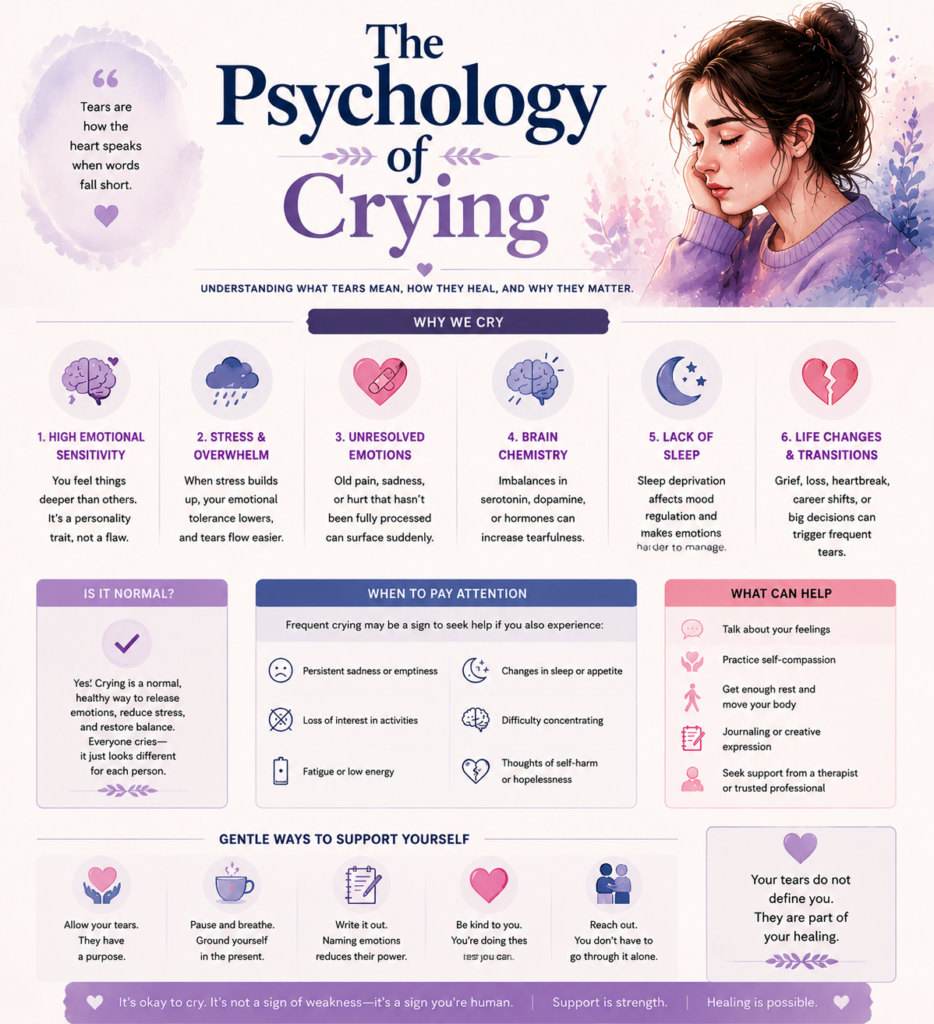
Crying means different things for different people. For some, tears arise in response to minor frustrations, touching moments, or even happy news. Others rarely cry, and that’s just as normal. Genetics can play a pretty big part; some people are simply wired to have stronger emotional responses. The biochemistry inside our bodies, such as hormone levels and neurotransmitters like serotonin and dopamine, also matters; these can influence mood regulation, which is directly tied to tearfulness.
When I meet with patients who wonder why they cry so easily, I try to reassure them. The way we express emotions isn’t a sign of weakness or instability. In fact, crying is a natural human response, and for many, it’s a healthy way to let out pent-up feelings.
Common Reasons You May Be Crying Easily
If you find yourself reaching for tissues more than others, there could be a few reasons why this happens:
- Stress and Overwhelm: Everyday pressures, such as deadlines, relationship challenges, or health worries, can leave anyone’s nerves feeling extra sensitive. People who usually don’t cry much can suddenly become teary when they’re overloaded with stress.
- Fatigue: Not getting enough rest can make emotions harder to manage. One of the first things I ask about in a therapy session is sleep, because tired brains just don’t handle feelings as smoothly.
- Hormonal Changes: Fluctuations during puberty, menstruation, pregnancy, or menopause can significantly affect tearfulness. Both men and women may find themselves more emotional during these phases of life.
- Anxiety and Depression: Mental health conditions, such as anxiety or depression, often leave emotions on edge. If tears come along with sadness, nervousness, or a feeling of losing interest in things you used to enjoy, it’s a good idea to check in with a mental health professional.
- Personality and Attachment History: People with a sensitive or empathetic personality tend to cry more. Sometimes, early attachment experiences or family attitudes toward emotion also shape how comfortable you are expressing feelings.
How Crying Actually Helps (And When It Can Feel Like Too Much)
Crying offers more than just a way to vent emotion. Studies show that tears release stress hormones and can bring a sense of relief. I’ve seen many people feel less weighed down after letting themselves cry for a bit.
- Emotional Reset: Crying can work almost like a reset button, helping you process built-up feelings and move forward.
- Physical Relief: Tears help lower levels of cortisol, which is the body’s main stress hormone. After crying, many people mention feeling physically lighter.
- Connecting with Others: Shedding tears in front of someone can build a connection by showing vulnerability and inviting support. I remind people there’s nothing wrong with seeking comfort.
While crying can be useful, there are times when it gets in the way of daily life. If you’re crying so much that it disrupts work, relationships, or makes you feel hopeless, it deserves your attention.
Everyday Triggers: What Sets Off The Tears?
I often suggest my patients keep an emotional diary if they’re worried about crying too much. There are a handful of everyday triggers that come up time and time again:
- Music and Movies: Sometimes, just one lyric or a familiar scene can bring on unexpected tears. Our brains connect certain memories to songs or images, which then spark an emotional reaction.
- Memories and Anniversaries: Anniversaries, whether happy or sad, can bring stronger emotions. This might be the date of a loved one’s passing, a major life change, or a birthday.
- Arguments or Conflicts: Not everyone fights with anger; many people show sadness and cry instead of raising their voice.
- Kind Gestures: A surprising number of people get teary when someone shows them kindness or understanding, especially if they’re not used to it.
Tracking these patterns helps people get a better sense of their emotions and gives them more control over situations that used to feel overwhelming.
What To Do When You Feel Like You Cry Too Easily
There isn’t a magic cure for crying easily, and there doesn’t have to be, since tears are a normal part of being human. But these strategies can help you handle emotional situations more comfortably:
- Pause and Breathe: If tears come, try taking a few slow, deep breaths. This sends a calming signal to your body and can help steady your feelings.
- Label The Emotion: Figuring out whether you’re sad, frustrated, anxious, or just tired helps you address what’s really going on, instead of just trying to shut down the tears.
- Talk To Someone: Sometimes all you need is a trusted friend or family member who understands. Sharing what you’re feeling out loud can reduce the urge to cry later.
- Practice Self-Compassion: Remind yourself that crying is not a sign you’re out of control or “too sensitive.” Some days just bring bigger feelings than others.
- Stay Hydrated and Rested: Regular sleep and hydration make a big difference in how well we manage emotions. This one sounds simple, but I’ve seen it help many people.
Potential Health Conditions Linked to Tearfulness
Crying easily is usually completely normal, but sometimes it can signal a physical or psychological issue that warrants attention. These are a few health factors to look out for:
- Thyroid Problems: Both overactive and underactive thyroid glands can mess with your emotions and energy. It’s something I always check for in situations of frequent tearfulness.
- Vitamin Deficiencies: Low levels of vitamins like B12 or D can sometimes contribute to mood swings or feeling extra weepy. Nutrition can really shape emotional balance.
- Mental Health Issues: Persistent sadness, trouble with motivation, or feeling anxious with frequent crying might point to depression or anxiety. If you’re feeling stuck, it never hurts to get a mental health screening.
Tips for Friends and Family: How to Respond When Someone Cries Easily
When someone gets teary, many people don’t know how to respond. Here are a few tips I share with families and couples in my practice:
- Stay Present: Just being there, without rushing to “fix” things, can be the best support you offer.
- Keep an Open Mind: Don’t judge or tease. Everyone relates to emotions in their own way.
- Ask If They Want to talk or when they finally let themselves relax after being “on” all day: A simple “Do you want to talk or just sit for a bit?” can be really comforting. Giving someone a choice lets them know their feelings are respected.
Real-Life Examples People Share With Psychiatrists
Over the years, I’ve worked with people who cry while watching commercials, at weddings during happy moments, or when someone finally says “thank you.” Others find themselves tearing up after a tough day’s work or when they finally let themselves relax after being “on” all day. In many cases, these tears are just overdue emotional housekeeping. I often tell people that a little crying here and there is a sign they’re human.
Frequently Asked Questions
Why do I cry when I’m angry or frustrated?
Anger can pack a punch, and sometimes it comes out as tears (especially if showing anger out loud feels unsafe or isn’t your style). Tears can work like a pressure valve for pent-up feelings.
Should I try to stop myself from crying?
Suppressing tears all the time can actually increase stress. If you feel the need to cry, allowing those emotions through is usually much healthier, unless you’re in a situation where you want to hold back temporarily.
Can therapy help if I cry too easily?
Absolutely. Therapy can help you understand emotional triggers and build coping skills. If your tearfulness is making life tough, talking with a mental health professional is definitely worth checking out.
When to Reach Out for Help
Crying a lot can sometimes mean there’s something bigger going on, especially if it comes with feelings of hopelessness, low motivation, or trouble functioning in daily life. If you notice major changes in your mood or if friends and family start mentioning their concerns, it’s smart to check in with your primary care doctor or a mental health specialist. I remind everyone there’s zero shame in wanting a little extra help during rough patches.
Crying is part of what makes us human. Tears help us heal, process life, and sometimes just get through the day. If you’re someone who cries easily, know that it’s okay; sometimes it’s just your body’s way of letting you know what’s important to you. If the tears get in the way of daily life, don’t hesitate to talk to someone about it—help is always within reach.
Video: The real reason crying feels so good #psychology #facts #emotional