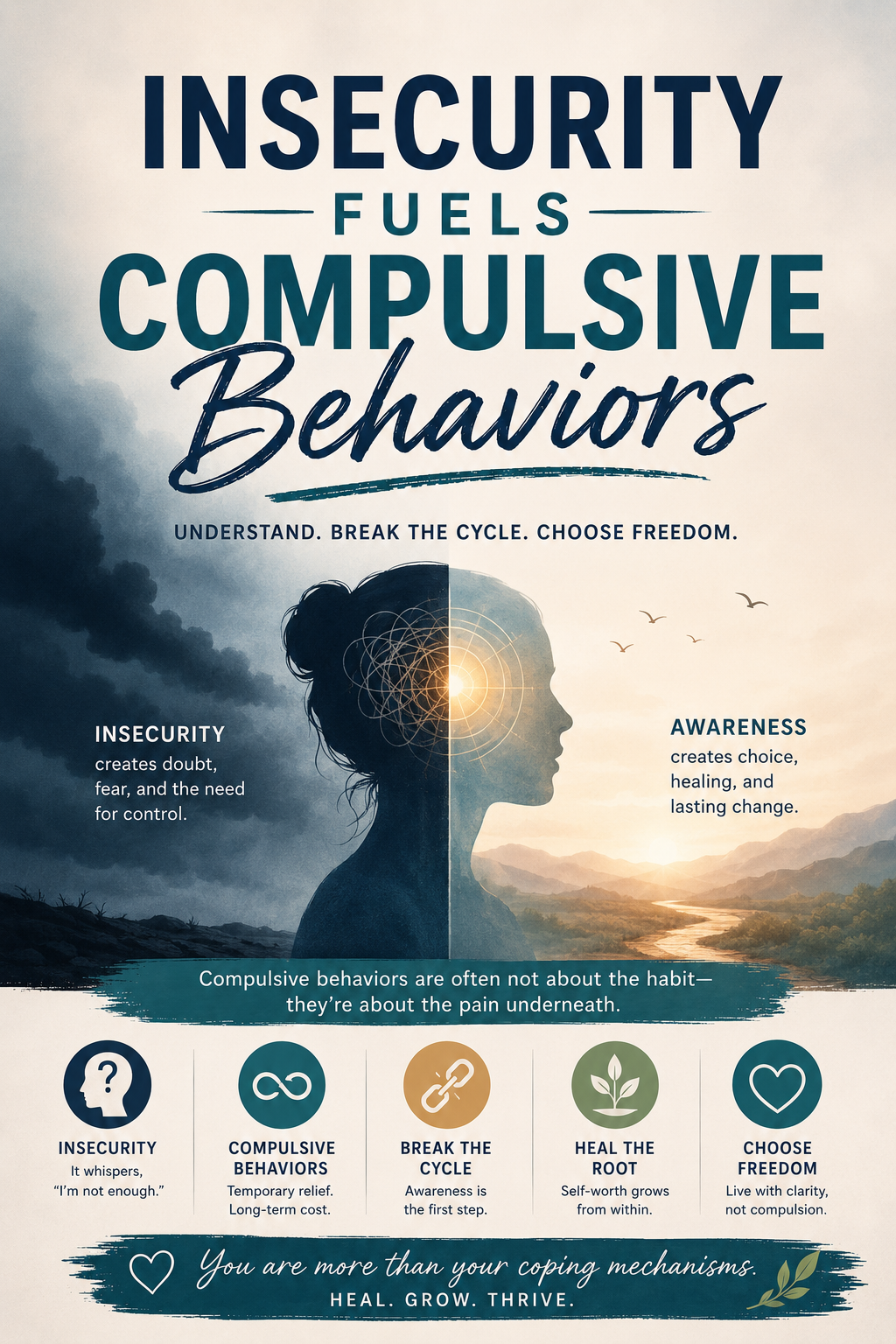
If you’ve ever found yourself stuck in patterns that don’t work for you, such as over-checking your phone, worrying endlessly, or seeking approval from others, there’s usually something deeper going on under the surface. How secure we feel in our relationships can drive why we sometimes slip into cycles we can’t seem to break. Many people call this the “attachment trap,” and understanding it can really change how you deal with compulsive behaviors.
What Does ‘Attachment Trap’ Actually Mean?
Attachment isn’t just about romance or early childhood memories. It’s the way our brains and bodies look for safety by connecting with other people. If those connections seem shaky or unreliable, insecurity can kick in, setting off coping habits that don’t always help. This so-called trap happens when old ways of seeking comfort end up fueling behaviors we feel powerless to stop.
Attachment theory has been around for decades and is backed by a mountain of research. Psychologists John Bowlby and Mary Ainsworth first pointed out that how we connect with caregivers as kids shapes the way we deal with relationships, manage stress, and even think about our self-worth as adults. Sometimes, those patterns support us and help us bounce back from tough times. But if attachment feels unpredictable, it can leave us on edge, hyper-alert, or waiting for the other shoe to drop. That kind of low-level stress makes it easy to slip into habits that numb or distract us from uncomfortable feelings.
How Insecurity Leads to Compulsive Behaviors
Think back to the last time you scrolled social media late at night or kept replaying a conversation in your mind. It’s tempting to say this is just anxiety or a bad habit, but often insecurity in relationships or a lack of emotional safety drives these actions under the surface.
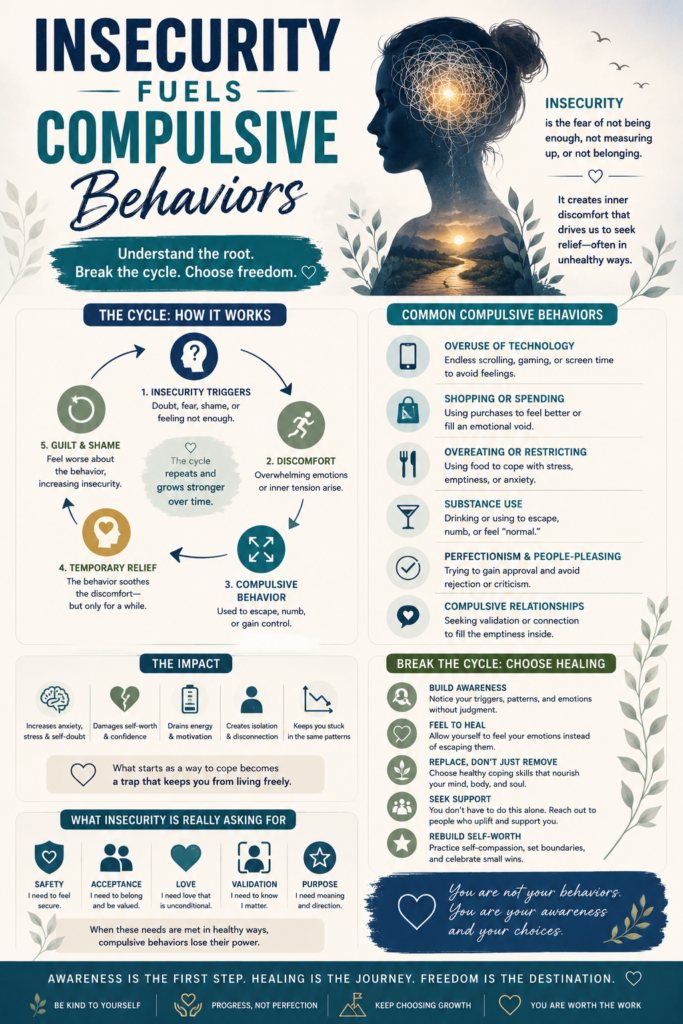
Compulsive behaviors are basically things we feel pushed to do, often to avoid tough feelings or quickly grab some comfort. They might look like:
- Checking: Constantly refreshing email, rereading messages, or looking for reassurance from others.
- Controlling: Trying to micromanage situations or people to keep anxiety at bay.
- Overconsuming: Turning to food, binge-watching shows, or using addictive apps when stress spikes.
- Withdrawing: Pulling back from connections or going silent to avoid possible hurt.
These habits work for a moment, but the guilt or sense of being stuck often follows later, making change harder the next time around.
Spotting the Cycle: Signs You’re Caught in the Attachment Trap
Picking up on these habits isn’t always easy. You might notice:
- Feeling nervous when people don’t respond quickly, and then checking your phone over and over.
- Replaying conversations, looking for mistakes, but never really feeling better afterward.
- Feeling compelled to keep others happy to avoid conflict, even if it wears you down.
- Struggling with boundaries out of fear that saying “no” will upset or push someone away.
These behaviors are rarely about a lack of willpower. Most of the time, they’re learned responses picked up over the years, often without us realizing it.
A Quick Guide to Switching Up Compulsive Patterns
Getting unstuck from the attachment trap isn’t about flipping a switch. It’s a steady process, often built from lots of small steps. The first step is to get curious about your own patterns rather than judging yourself for them. Here are a few ideas that can make a difference:
- Notice the Trigger: Try to spot what happens right before the habit kicks in. Are you feeling uncomfortable, stressed, or worried about what others think?
- Name Your Feeling: Put a label on what you’re feeling—like lonely, nervous, or frustrated. This can help slow down the automatic urge to act.
- Pause and Breathe: A short break, even just ten seconds, lets you step outside the urgency. That tiny pause gives your brain a chance to reset.
- Try Something New: When you reach for your phone, stand up and stretch instead. If your thoughts start spiraling, jot down what you wish you could say and see if anything shifts.
- Reach Out for Connection: Many compulsive urges are bids for comfort. Texting a trusted friend or spending time quietly with supportive people can help calm your nervous system.
This process isn’t about being perfect. It’s about breaking the cycle little by little and being patient during setbacks.
Challenges of Escaping the Attachment Trap
Even if you’re aware of your patterns and have new tools, it’s normal to fall back into old habits sometimes. These responses can become hardwired over the years and take time to change. Challenges can include:
- Old Triggers: Big life changes, stress, or even happy milestones can wake up insecurity and old habits you thought you’d moved past.
- Lack of Support: Trying to do this alone can feel overwhelming. Having just one supportive person—a friend, therapist, or a group—makes a huge difference.
- Critical Inner Voice: That voice telling you that you “should” be over this or that you’re “too needy” can drain confidence and energy. Self-kindness pays off over time.
When Compulsive Behaviors Show Up in Relationships
Relationships often shine a spotlight on our patterns, especially around trust and security. If you get anxious when your partner is busy or you find yourself seeking constant reassurance, that’s common with insecure attachment. It’s not about lacking trust in your partner; it’s about old experiences leaving you wired to expect unpredictability.
Talking about these patterns can feel scary, but it often brings relief and new understanding—sometimes leading to more secure routines as a couple.
Tips for Building More Secure Attachment (and Breaking the Cycle)
Change is possible, especially if you approach yourself with patience. Here are a few tips worth trying:
- Practice Self-Compassion: Remember, your attachment style isn’t your fault. Treat yourself with the same care you’d offer a friend. Kristin Neff has some great resources on self-compassion here: self-compassion.org.
- Set Gentle Boundaries: Boundaries aren’t about keeping people away; they help everyone know what’s okay and what to expect. Open and honest communication brings stability.
- Notice Small Wins: Did you pause before acting on a compulsion or ask for what you needed? That totally counts. Celebrating these wins helps support new patterns.
- Consider Therapy: An attachment-informed therapist or online resources, such as these therapy directories, can offer support and information that fast-tracks growth.
Changing the way you relate to yourself and others is often slow, but it pays off with real comfort, better routines, and a growing sense of safety over time.
Real-Life Examples of Insecure Attachment and Compulsive Patterns
Everyone’s patterns can look a little different, but here are some situations that come up often:
- The Overthinker: After a tense family dinner, you replay every detail, convinced you said the wrong thing. You text a friend for reassurance, then check again and again, waiting for a reply.
- The Helper: At work, if someone’s upset, you step in to try to fix the problem, even if it leaves you drained. If no one notices, you feel anxious and second-guess yourself about whether you did enough.
- The Avoider: When you sense a disagreement brewing with your partner, you retreat and stop replying—avoiding the hurt but causing more distance in the end.
Seeing your own experience reflected in these kinds of stories can be a relief, and it’s a reminder that you can change your own ending with time and effort.
Frequently Asked Questions
People often check in about these topics, so here are a few common questions and answers:
Question: Can someone change their attachment style?
Answer: It takes time and effort, but yes—attachment styles can become more secure. More self-awareness, new relationship experiences, and sometimes therapy can help make this happen.
Question: Are compulsive behaviors always a sign of insecure attachment?
Answer: Not always. Insecure attachment can play a role, but so can stress, trauma, and the surrounding environment.
Question: What’s the best first step if I notice these patterns?
Answer: Start by noticing your habits without judgment. Looking for resources, reading up on attachment, or trying self-compassion practices can all help you begin shifting things.
Finding a Way Forward
Taming the attachment trap starts with spotting these patterns as learned rather than permanent. Every time you approach your habits with understanding, you move closer to real change. Taking time to build healthy routines and genuine connections brings more freedom, stronger relationships, and a calmer mind—well worth the effort for a better, more secure life.
Video: Your Compulsions Are a Cry for Help #psychology #insecurity