Larry Hagman: Alcohol & Cirrhosis
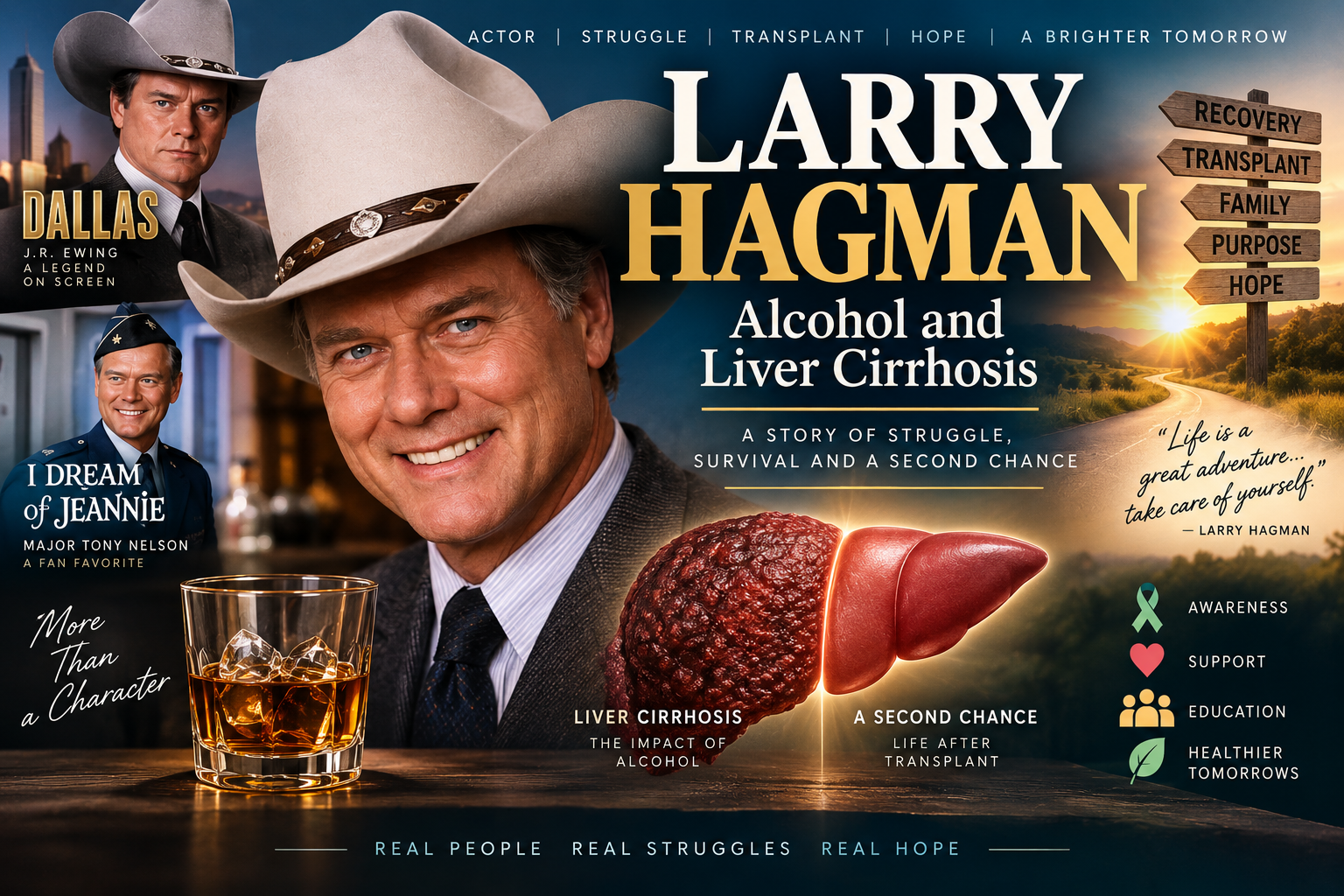
Larry Hagman became a television icon as J.R. Ewing on Dallas and Major Tony Nelson on I Dream of Jeannie. Behind his successful career, however, Hagman experienced years of heavy alcohol use that eventually contributed to serious liver disease. He was diagnosed with cirrhosis in 1992 and later developed a malignant liver tumor. In August … Read more
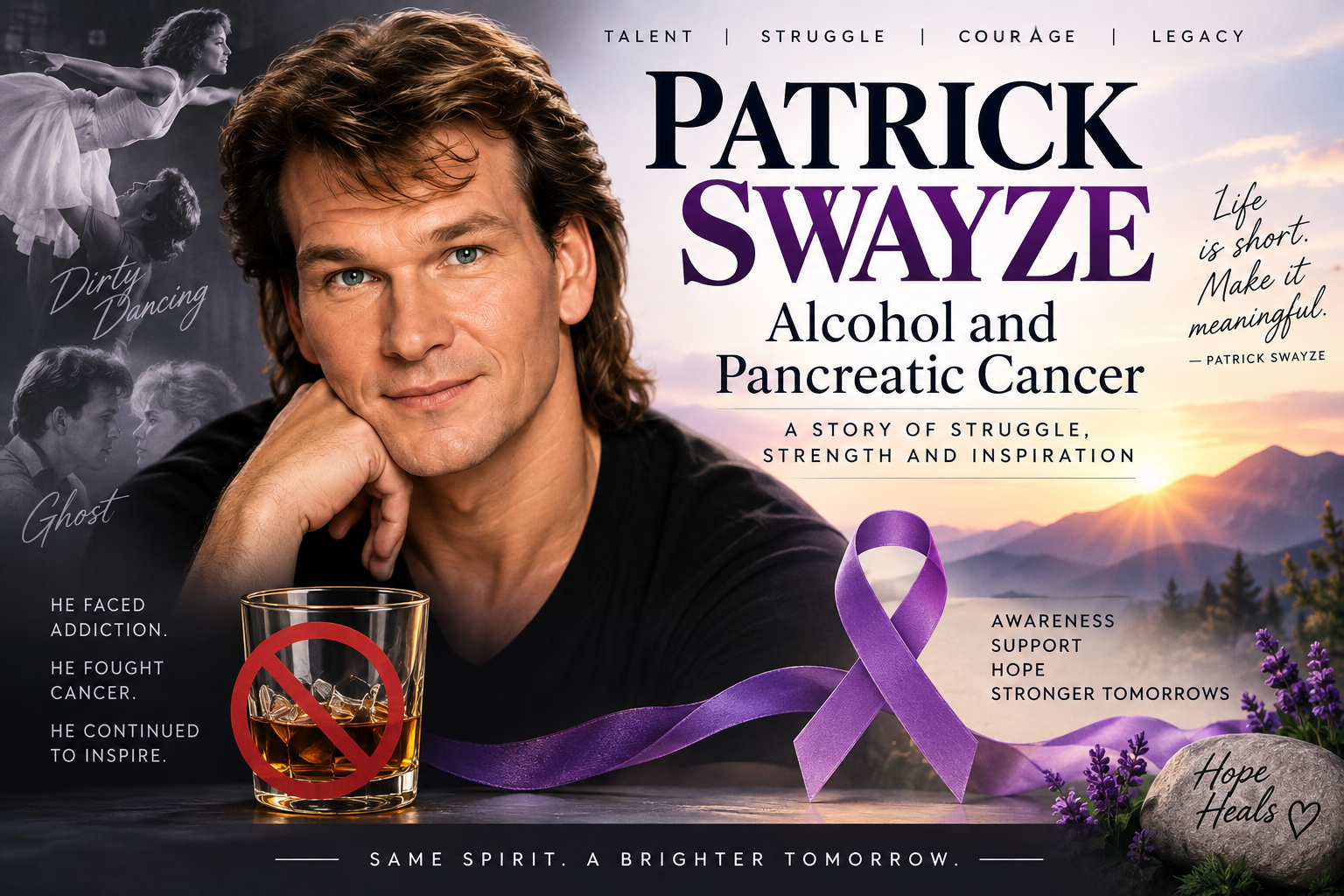
Patrick Swayze: Alcohol and Cancer

Patrick Swayze was known around the world for movies such as Dirty Dancing and Ghost, but behind his successful career were personal struggles that included problematic alcohol use and, later, a devastating diagnosis of pancreatic cancer. His experience provides an opportunity to discuss addiction, cancer risk, coping with serious illness, and the importance of family … Read more

Why Willpower Alone Isn’t Enough

“Why can’t you just stop?” is a question many people struggling with addiction hear, yet it overlooks the challenges involved in changing compulsive behaviors. To someone on the outside, quitting alcohol, drugs, nicotine, gambling, or another addictive behavior may seem like a matter of making a firm decision and sticking to it. When negative consequences … Read more

Nicole Kidman: Love After Loss

Nicole Kidman’s journey through love, marriage, divorce, and personal growth offers insight into the challenges of letting go of idealized expectations about relationships. After marrying Tom Cruise at 23, Kidman became deeply invested in their life together and later described the end of their marriage as painful and unexpected. She has reflected on how spending … Read more

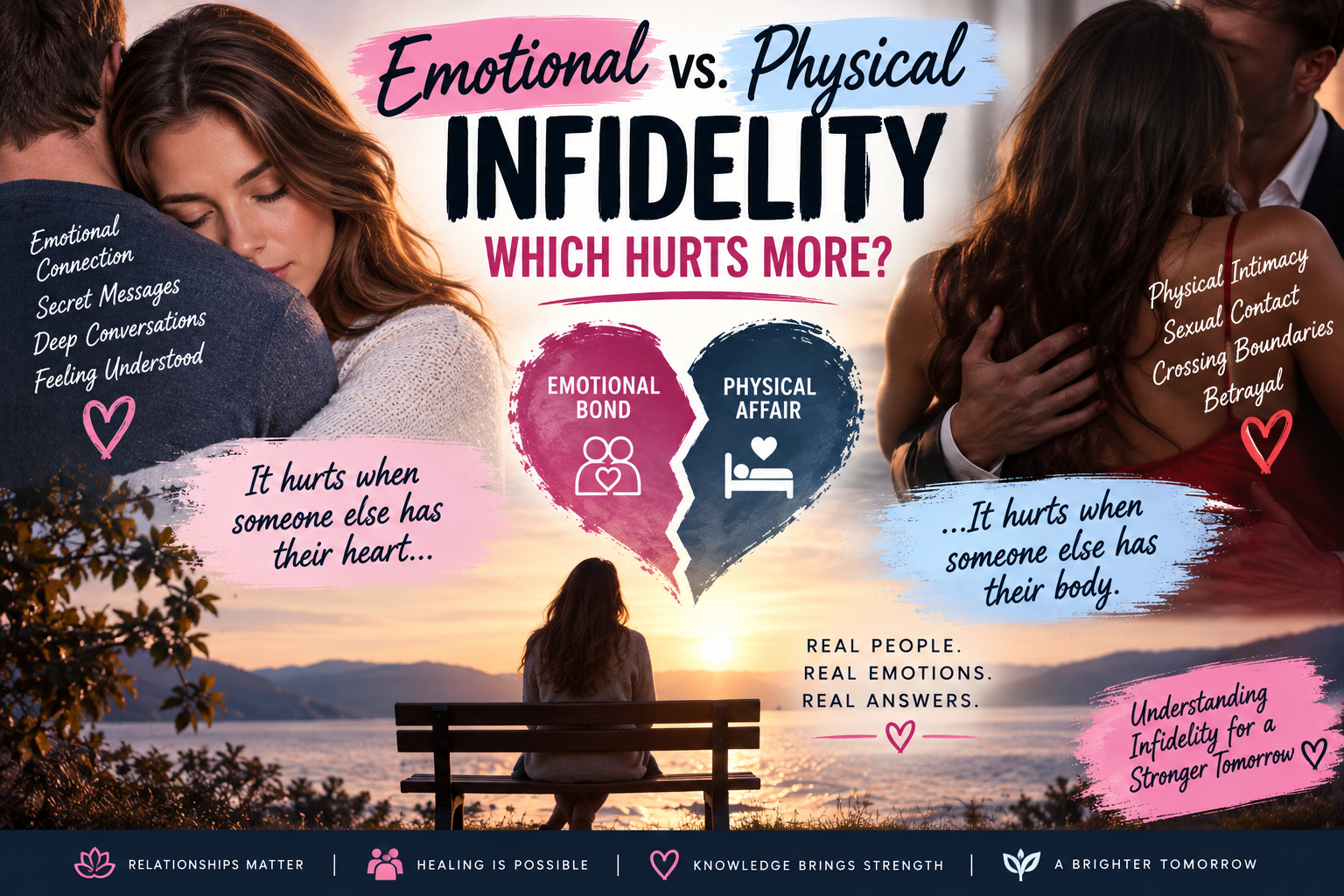
Emotional vs. Physical Infidelity

Infidelity can cause profound emotional pain, leaving individuals questioning the trust, intimacy, and security they once felt in their relationship. Physical infidelity involves sexual or intimate contact with someone outside the agreed-upon boundaries of a committed partnership, while emotional infidelity occurs when a person develops a secretive or deeply intimate emotional connection with someone else. … Read more

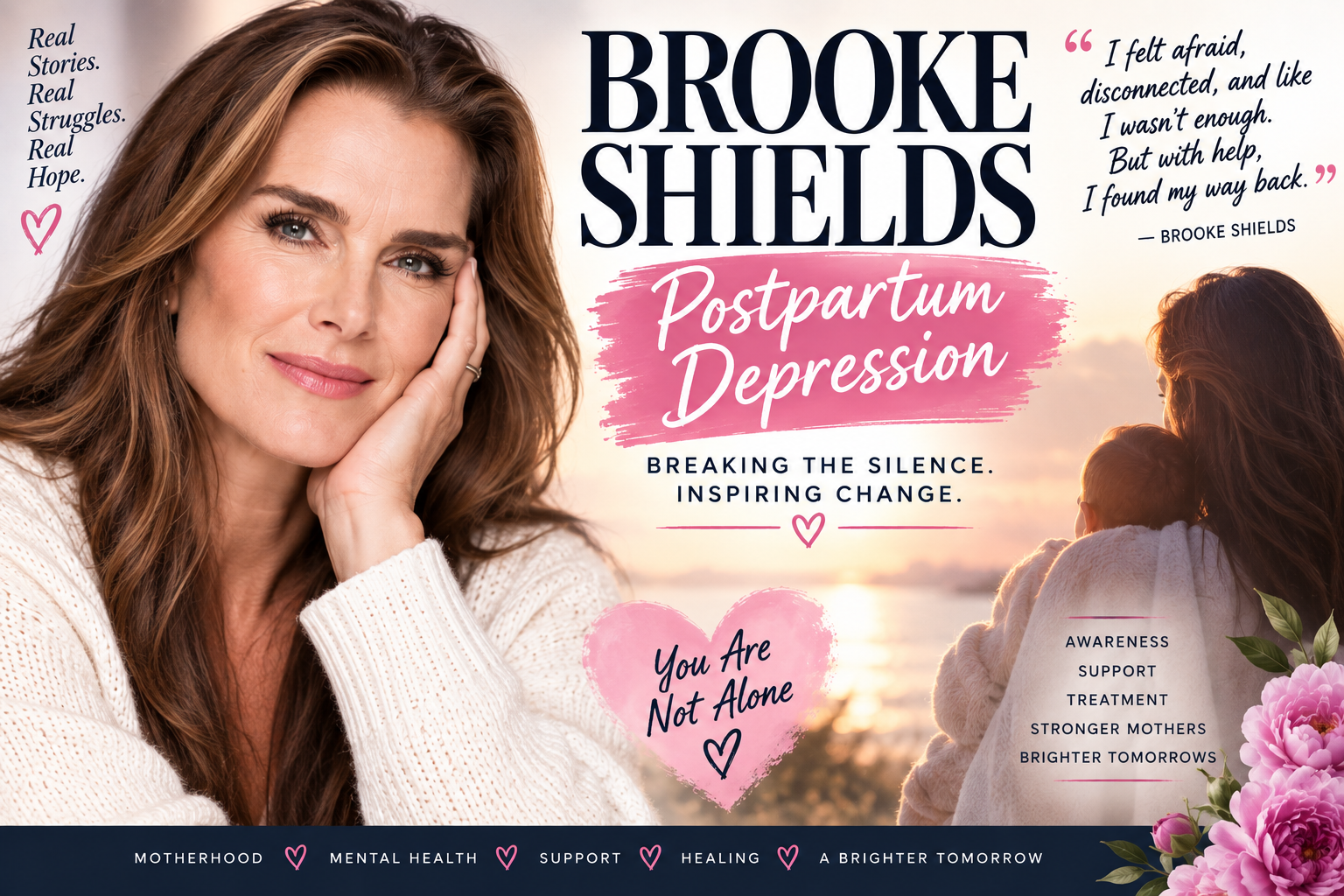
Brooke Shields: Healing After Birth

Brooke Shields has become an important public voice in conversations about postpartum depression after openly discussing the severe depression she experienced following the birth of her first daughter, Rowan, in 2003. In her memoir Down Came the Rain: My Journey Through Postpartum Depression, Shields described feelings of sadness, disconnection, fear, and difficulty bonding with her … Read more

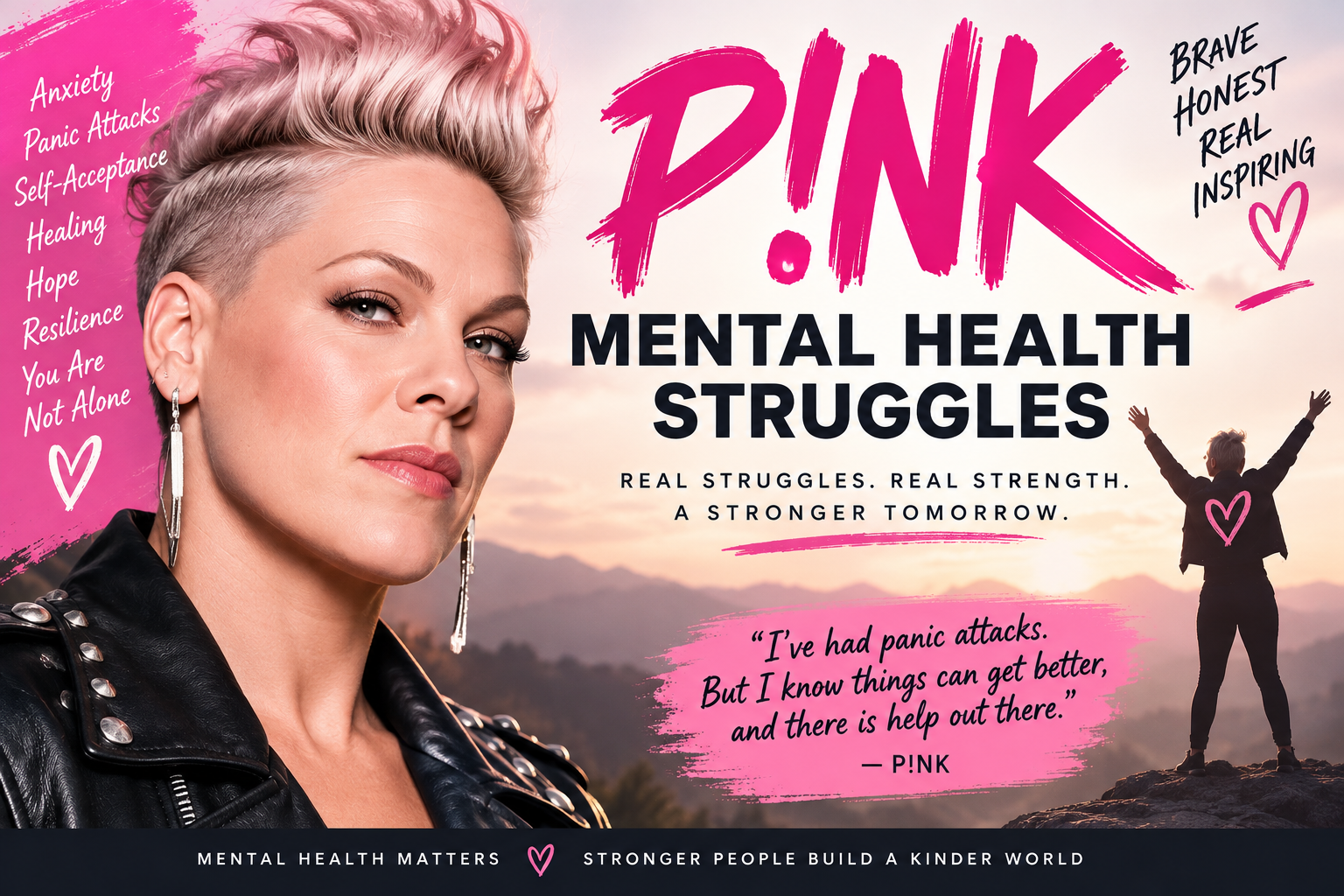
P!nk’s Mental Health Journey

P!nk, born Alecia Moore, is known for her powerful voice, fearless performances, and outspoken personality. Behind that confidence, however, she has also spoken publicly about experiencing mental health challenges, including panic attacks. By sharing her experiences, P!nk helps challenge the assumption that successful, confident people are protected from emotional struggles. In a Child Mind Institute … Read more

Self-Compassion Beats Willpower

When someone is trying to overcome addiction or change an unhealthy behavior, the advice often sounds simple: “You just need more willpower.” But recovery is rarely that simple. Substance use disorders involve changes in motivation, reward, stress responses, habits, and decision-making. Expecting willpower alone to overcome these influences can leave people feeling ashamed when they … Read more

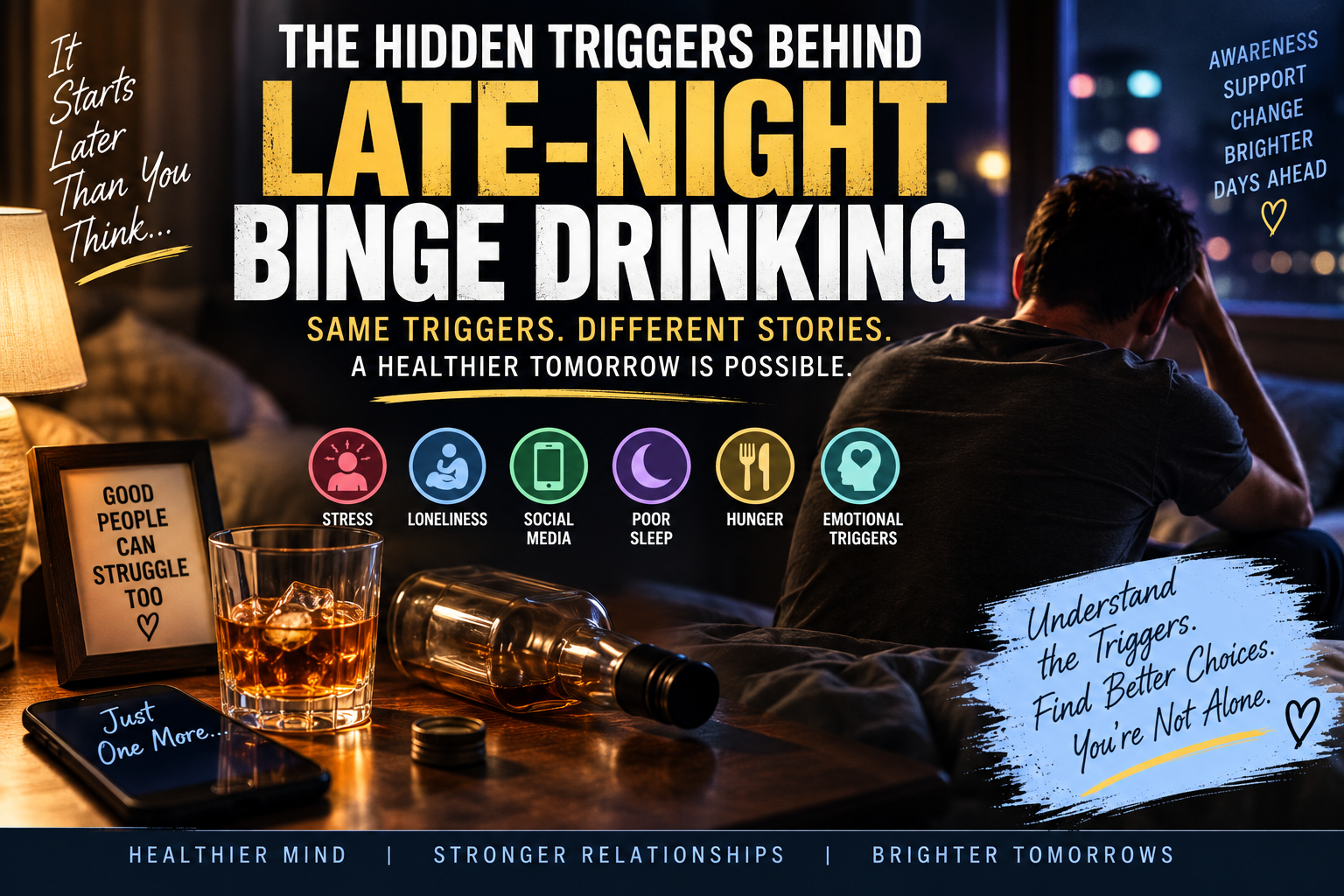
Late-Night Drinking Cycle

Late-night binge drinking can look spontaneous from the outside: someone finishes a stressful day, pours a drink to relax, and suddenly several drinks have disappeared. But excessive drinking rarely occurs in isolation. Stress, loneliness, poor sleep, emotional distress, environmental cues, social habits, and easy access to alcohol can combine to create a powerful pattern. Understanding … Read more

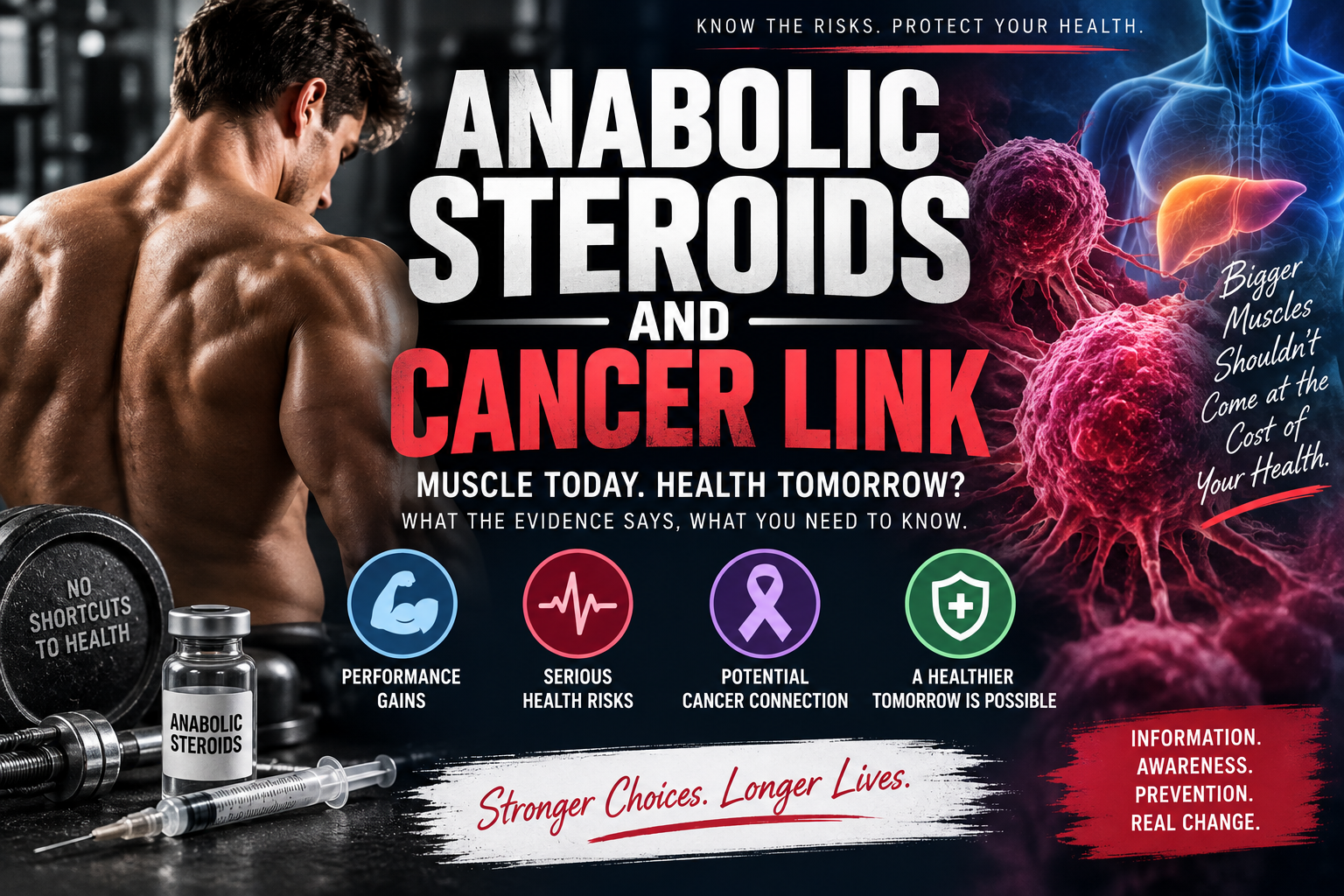
Steroid Abuse and Cancer Risk

Anabolic-androgenic steroids (AAS) are synthetic derivatives of testosterone that may be prescribed for specific medical conditions but are also misused to increase muscle mass, strength, or physical appearance. When used without medical supervision—particularly at supraphysiologic doses, for long periods, or in combinations sometimes called “stacking”—these drugs can cause serious health problems. One concern is their … Read more