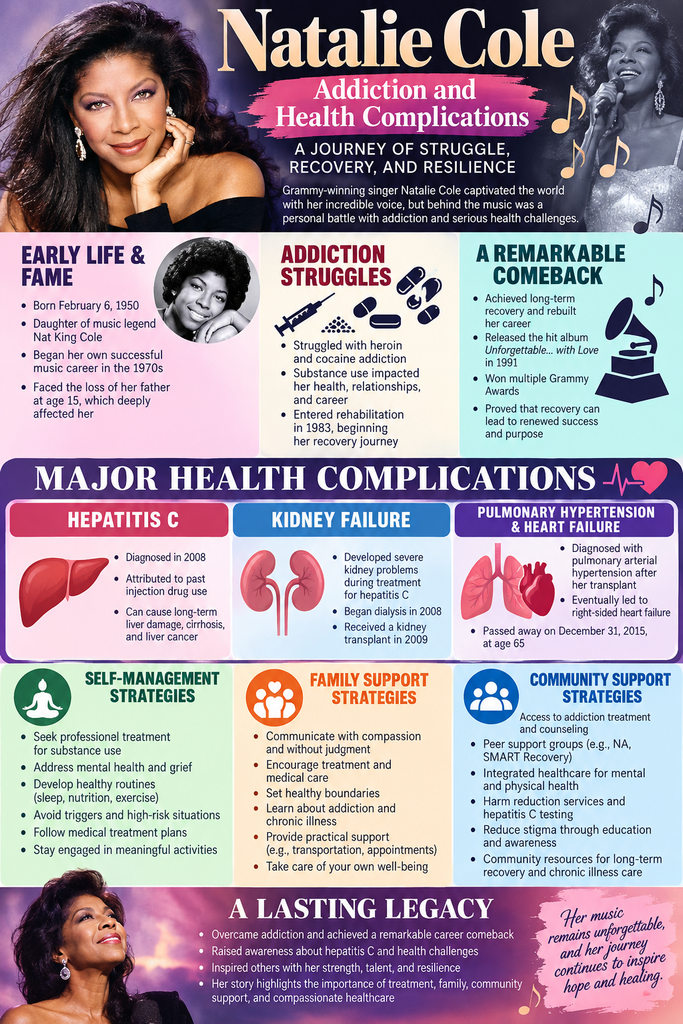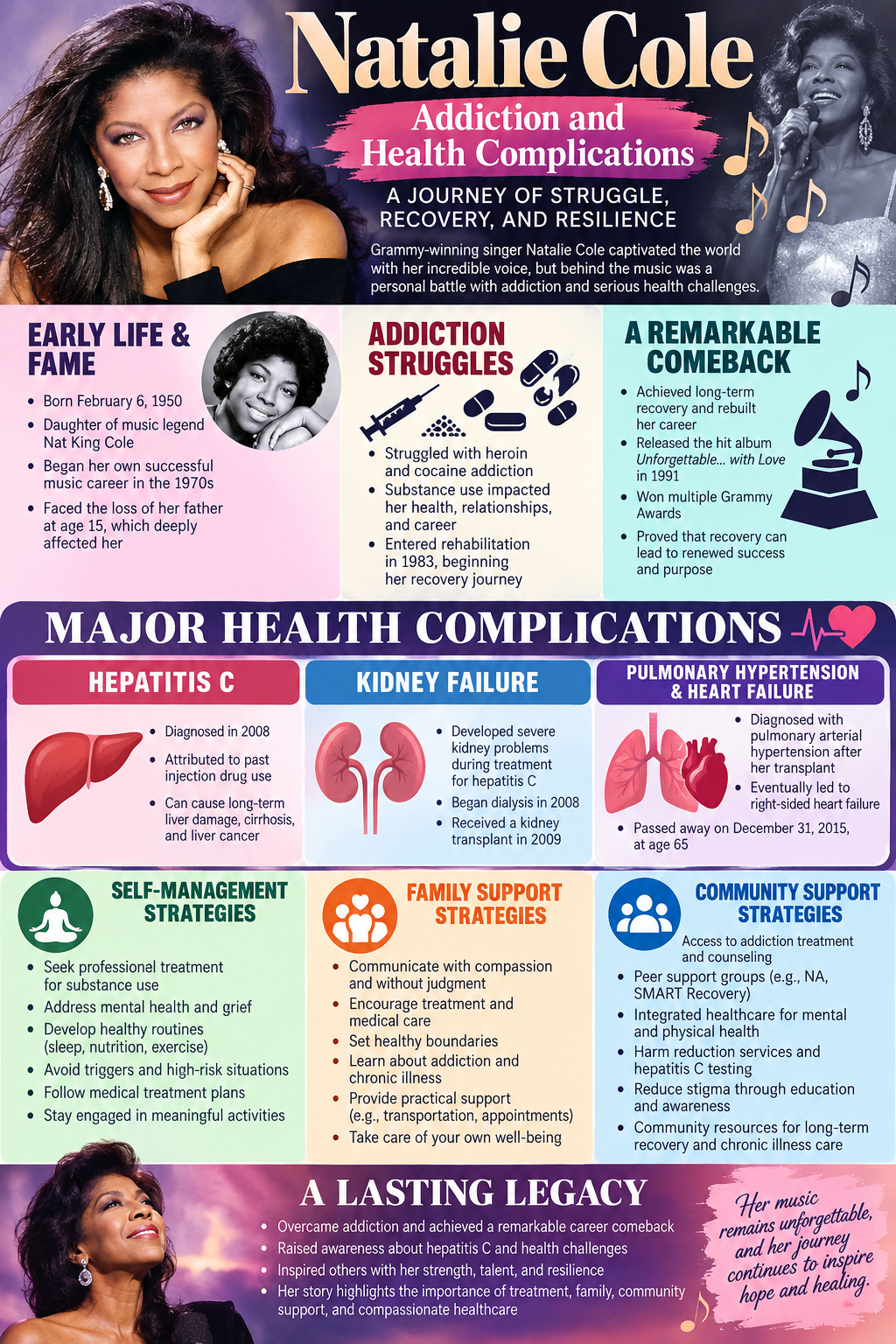
Natalie Cole, the Grammy Award-winning singer and daughter of legendary musician Nat King Cole, captivated audiences with her extraordinary voice, timeless music, and remarkable determination. Behind her success, however, was a difficult personal journey involving substance addiction, serious medical complications, and the ongoing challenges of recovery.
Cole’s experiences with heroin and cocaine addiction, hepatitis C, kidney disease, and other health problems demonstrate how substance use disorders can affect physical health, emotional well-being, relationships, and long-term quality of life.
Her story also offers important lessons about addiction treatment, personal responsibility, family involvement, and community support. Although Cole achieved significant periods of recovery, she continued to face medical challenges that shaped the final decades of her life.
Understanding her journey helps illustrate a central principle of addiction medicine: recovery involves more than stopping substance use. It also requires addressing physical health, emotional needs, relationships, and long-term support.
Natalie Cole’s Early Life and Addiction Struggles
Born on February 6, 1950, Natalie Cole grew up surrounded by musical excellence. Her father, Nat King Cole, was one of America’s most celebrated performers, and her mother, Maria Cole, was also a singer.
Despite her privileged upbringing, Natalie faced personal difficulties, including the death of her father from lung cancer when she was just 15 years old. His loss deeply affected her adolescence.
As her music career flourished during the 1970s, Cole struggled with substance use, including heroin and cocaine. Her addiction became increasingly disruptive, affecting her personal relationships, professional responsibilities, and physical well-being.
Her experiences illustrate several common risk factors associated with substance use disorders:
- Unresolved grief: The loss of loved ones can contribute to emotional distress and unhealthy coping behaviors.
- Career pressures: Public expectations and demanding schedules may intensify stress.
- Substance dependence: Repeated use can alter brain reward pathways and make stopping increasingly difficult.
- Emotional isolation: Fame does not necessarily provide meaningful emotional support.
- Delayed treatment: Addiction can progress when warning signs are overlooked or minimized.
Although these factors can increase vulnerability, they do not inevitably cause addiction. Substance use disorders develop through complex interactions among biological, psychological, and environmental influences.
The Turning Point: Seeking Addiction Treatment
During the early 1980s, Cole’s addiction had become a serious concern. She eventually entered rehabilitation in 1983, beginning an important period of recovery.
Treatment helped her address substance dependence and rebuild aspects of her personal and professional life.
Her recovery was not simply about avoiding drugs. It involved confronting destructive behaviors, developing healthier routines, and finding renewed purpose through music and relationships.
Cole subsequently experienced a major career resurgence, including the extraordinary success of her 1991 album Unforgettable… with Love.
Her experience demonstrates that recovery can create opportunities for meaningful personal growth, even after years of substance-related difficulties.
Self-management strategies inspired by her recovery
People managing substance use disorders can benefit from several practical approaches:
- Recognize the problem: Acknowledge patterns of substance use that interfere with health, relationships, or responsibilities.
- Seek professional treatment: Work with addiction specialists to determine whether medication, counseling, residential treatment, or outpatient care is appropriate.
- Identify emotional triggers: Recognize situations involving grief, anxiety, loneliness, or stress that increase the desire to use substances.
- Establish daily routines: Prioritize sleep, balanced nutrition, exercise, and meaningful activities.
- Develop relapse-prevention skills: Create a plan for cravings, high-risk situations, and setbacks.
- Monitor physical health: Attend medical appointments and follow recommended screening and treatment plans.
For opioid use disorder, medications such as buprenorphine and methadone can substantially reduce overdose risk and improve treatment retention. Detoxification alone is generally insufficient treatment.
Hepatitis C: A Long-Term Health Consequence
One of the most significant medical complications associated with Cole’s past drug use was hepatitis C, a viral infection that can cause chronic liver inflammation and serious liver damage.
In 2008, Cole publicly disclosed that she had been diagnosed with hepatitis C. She attributed the infection to intravenous drug use decades earlier.
Hepatitis C can remain undetected for years because many people experience few or no noticeable symptoms during the early stages.
Cole’s diagnosis illustrates an important medical reality: some health consequences associated with substance use can emerge long after someone has stopped using drugs.
Health risks associated with hepatitis C
- Chronic liver inflammation and scarring.
- Cirrhosis and reduced liver function.
- Increased risk of liver cancer.
- Fatigue, weakness, and reduced physical endurance.
- Potential complications affecting other organs, including the kidneys.
Today, most hepatitis C infections can be cured with modern direct-acting antiviral medications, often within 8–12 weeks. These treatments are substantially different from the interferon-based therapy Cole received.
Self-management strategies for hepatitis C
Individuals with a history of injection drug use should consider hepatitis C screening, even if they have maintained sobriety for many years.
Important preventive measures include:
- Obtain hepatitis C testing and follow-up viral testing when recommended.
- Begin antiviral treatment if an active infection is identified.
- Avoid sharing needles or other injection equipment.
- Discuss alcohol use and potentially liver-damaging medications with a healthcare professional.
- Receive hepatitis A and B vaccinations when appropriate.
- Maintain regular medical monitoring when liver damage is present.
Hepatitis C does not reflect someone’s character or recovery success. It is a treatable medical condition that deserves timely, compassionate care.
Kidney Failure and the Need for a Transplant
Cole’s health challenges intensified during treatment for hepatitis C.
In 2008, she experienced severe kidney dysfunction and began dialysis. She later underwent a kidney transplant in May 2009.
The precise causes of her kidney failure were medically complex. Cole described debilitating side effects during hepatitis C treatment, but it would be inaccurate to attribute her kidney failure solely to addiction or one medication without definitive evidence.
Kidney failure can profoundly affect a person’s daily life. Dialysis requires significant time, medical supervision, and lifestyle adjustments.
For someone with a history of addiction, managing a serious chronic illness may introduce additional emotional challenges, including anxiety, uncertainty, and concerns about physical independence.
Managing chronic illness during addiction recovery
- Coordinate medical care: Ensure addiction specialists, primary care providers, and organ specialists communicate.
- Follow medication instructions: Take prescribed medications consistently and promptly report side effects.
- Protect kidney function: Monitor blood pressure, hydration, and kidney lab results as advised by your doctor.
- Address emotional distress: Seek counseling for anxiety, depression, or fears related to chronic illness.
- Build practical support: Arrange reliable transportation, medication reminders, and assistance with daily responsibilities.
- Avoid medical isolation: Stay connected with trusted people who can offer encouragement.
Cole’s experience demonstrates why recovery programs should address chronic medical conditions alongside addiction treatment.
Pulmonary Hypertension and Heart Failure
Following her kidney transplant, Cole was diagnosed with idiopathic pulmonary arterial hypertension, a serious condition involving elevated pressure in the arteries supplying the lungs.
Over time, pulmonary arterial hypertension can place excessive strain on the right side of the heart.
Despite medical treatment, Cole’s condition eventually progressed. She died on December 31, 2015, at age 65, from heart failure associated with pulmonary arterial hypertension.
Her family confirmed the underlying condition in January 2016. Importantly, her death should not be described as a drug overdose or simply as a direct consequence of addiction.
Understanding the medical complications
| Health condition | Significance in Cole’s life |
|---|---|
| Heroin and cocaine addiction | Disrupted her health and career before rehabilitation |
| Hepatitis C | Diagnosed in 2008 and attributed to earlier injection drug use |
| Kidney failure | Required dialysis and a transplant in 2009 |
| Pulmonary arterial hypertension | Diagnosed after her transplant |
| Right-sided heart failure | The fatal complication reported by her family |
Her medical history highlights the importance of long-term healthcare for individuals recovering from substance use disorders.
Family Support: Helping Loved Ones Through Addiction and Illness
Family relationships can influence recovery by providing emotional stability, encouragement, and practical assistance.
Cole’s life included complicated family experiences, including the early loss of her father, marital difficulties, and the responsibilities of motherhood.
Her son, Robert Yancy, and other family members remained important figures in her personal story. However, the details of their private involvement in her addiction treatment should not be assumed.
For families supporting someone with addiction and chronic illness, compassion and healthy boundaries are essential.
Effective family support strategies
- Communicate without judgment: Discuss concerns about substance use and health without blame or humiliation.
- Encourage treatment: Help loved ones access qualified addiction and medical professionals.
- Establish healthy boundaries: Offer support without covering up harmful behavior or sacrificing personal safety.
- Learn about addiction: Understand that substance use disorder is a treatable medical condition rather than simply a lack of willpower.
- Support medical appointments: Offer transportation, reminders, and help understanding treatment instructions.
- Recognize caregiver stress: Encourage family members to seek counseling or peer support when needed.
- Celebrate recovery milestones: Acknowledge progress without demanding perfection.
Family members should remember that they cannot control another person’s recovery. Their role is to create conditions that encourage treatment, accountability, and emotional safety.
Community Support: Building a Foundation for Long-Term Recovery
Recovery is often more sustainable when individuals have access to supportive communities.
For someone facing addiction alongside chronic illness, community resources can reduce isolation, improve access to care, and strengthen motivation.
Cole’s public discussion of addiction and hepatitis C also helped bring attention to health concerns that are frequently stigmatized.
Community-based recovery strategies
Addiction treatment services
Communities should provide accessible treatment programs that include medical evaluation, counseling, medication when appropriate, and continuing care.
Peer recovery groups
Organizations such as Narcotics Anonymous, SMART Recovery, and other peer-support communities can help individuals build relationships with people who understand addiction.
Integrated healthcare
Hospitals, addiction clinics, and community health centers should coordinate services for substance use disorders, hepatitis C, kidney disease, and mental health conditions.
Harm reduction programs
Syringe service programs, naloxone distribution, and infectious disease testing can prevent overdose deaths and reduce transmission of bloodborne infections.
Community education
Public education can challenge misconceptions about addiction and encourage people to seek treatment without fear of discrimination.
Support for caregivers
Family education, support groups, and respite services can reduce burnout among caregivers of individuals with chronic illness.
Effective community support recognizes that recovery requires more than individual determination. It also depends on access to appropriate healthcare, stable relationships, and opportunities for meaningful participation in society.
Mental Health, Grief, and the Emotional Side of Recovery
Natalie Cole’s experiences also demonstrate the importance of emotional well-being.
Losing a parent during adolescence, navigating the pressures of fame, and living with serious medical conditions can create substantial psychological stress.
Grief and mental health difficulties do not automatically lead to addiction. However, untreated emotional distress can contribute to substance use or make recovery more challenging.
Healthy emotional coping strategies
- Participate in individual counseling or evidence-based psychotherapy.
- Practice mindfulness, relaxation exercises, or stress-management techniques.
- Develop hobbies that provide enjoyment and a sense of accomplishment.
- Maintain meaningful relationships with supportive people.
- Recognize warning signs of depression, anxiety, and emotional exhaustion.
- Seek professional support when grief becomes persistent or overwhelming.
For Cole, music remained an important source of identity and purpose throughout her career. Her artistic achievements illustrate how meaningful work and personal interests can coexist with recovery and serious illness.
Lessons From Natalie Cole’s Journey
Natalie Cole’s story offers several lessons for individuals, families, healthcare professionals, and recovery communities.
- Addiction can affect anyone. Talent, wealth, recognition, and professional achievement do not eliminate the risk of substance use disorders.
- Recovery is possible. After treatment, Cole rebuilt her career and achieved some of her most celebrated musical accomplishments.
- Past substance use may have lasting health consequences. Infectious diseases and other complications can emerge years after substance use has ended.
- Integrate physical and mental healthcare. Treating addiction without addressing chronic medical conditions may leave important needs unmet.
- Family support should combine compassion with boundaries. Encouragement is valuable, but loved ones also need to protect their own well-being.
- Community resources improve recovery opportunities. Accessible treatment, peer support, preventive healthcare, and reduced stigma can make meaningful differences.
Perhaps the most important lesson is that people recovering from addiction deserve ongoing medical care and respect, regardless of their past.
Finding Help for Addiction and Related Health Problems
People experiencing addiction or substance-related medical complications do not have to manage these challenges alone.
In the United States, several resources offer assistance:
- SAMHSA National Helpline: 1-800-662-HELP (4357), for confidential treatment referrals and information.
- FindTreatment.gov: A federal resource for locating substance use and mental health treatment providers.
- Narcotics Anonymous: Peer-based support for people recovering from drug addiction.
- SMART Recovery: Evidence-informed mutual support focused on developing practical recovery skills.
- CDC hepatitis C resources: Information about screening, prevention, and treatment.
Anyone with a history of injection drug use should discuss hepatitis C and HIV screening with a healthcare professional. Early identification and treatment can prevent serious complications.
Conclusion: Natalie Cole’s Legacy of Recovery and Resilience
Natalie Cole’s life was defined by far more than addiction and illness. She was an extraordinary singer whose achievements, determination, and musical contributions influenced generations of performers.
Her journey included the challenges of heroin and cocaine addiction, the decision to seek rehabilitation, a remarkable professional comeback, and years of serious health complications.
Although recovery helped her reclaim important parts of her life, it did not eliminate every medical consequence associated with her past or protect her from unrelated progressive illness.
Her story reminds us that addiction recovery is not measured only by abstinence. It also involves rebuilding health, strengthening relationships, developing purpose, and accessing compassionate long-term care.
For individuals facing addiction, the message is one of possibility: treatment can help create a healthier future. For families, the lesson is to offer encouragement without judgment. For communities, the responsibility is to make evidence-based treatment, healthcare, and recovery support accessible to everyone.
Natalie Cole’s enduring legacy is not simply that she overcame significant personal struggles, but that she continued creating music and contributing to the world while navigating them.
Her voice remains unforgettable, and her story continues to offer valuable lessons about addiction, recovery, and the importance of compassionate healthcare.
Frequently Asked Questions and Answers
Natalie Cole’s Addiction and Recovery
1. What substances was Natalie Cole addicted to?
Natalie Cole publicly discussed her struggles with heroin and cocaine addiction during the 1970s and early 1980s. Her substance use affected her physical health, personal relationships, and professional responsibilities. She eventually sought rehabilitation and worked toward rebuilding her life and career.
2. What caused Natalie Cole to develop an addiction?
There is no single established cause of Cole’s addiction. She experienced significant emotional challenges, including losing her father, Nat King Cole, when she was 15 years old. Career pressures, emotional distress, and exposure to drugs may also contribute to addiction vulnerability. However, substance use disorders result from complex biological, psychological, and environmental factors.
3. When did Natalie Cole enter rehabilitation?
Natalie Cole entered addiction rehabilitation in 1983. This marked an important turning point in her life, allowing her to address substance dependence and begin rebuilding her personal and professional stability.
4. Did Natalie Cole successfully overcome her addiction?
Cole achieved long-term recovery following rehabilitation in the 1980s. She returned to musical prominence and released several successful albums, including Unforgettable… with Love in 1991. Her recovery demonstrated that people with substance use disorders can rebuild meaningful and productive lives.
5. How did addiction affect Natalie Cole’s music career?
Her addiction contributed to professional instability and personal difficulties during parts of the late 1970s and early 1980s. Following treatment, Cole experienced a major career resurgence, earning Grammy Awards and renewed international recognition.
6. Did Natalie Cole experience a relapse after rehabilitation?
Cole publicly described her recovery and sustained abstinence following treatment in 1983. There is no reliable basis for claiming that she experienced a later return to heroin or cocaine use. Her subsequent medical problems should not be interpreted as evidence of relapse.
Natalie Cole’s Health Complications
7. What major health problems did Natalie Cole experience?
Natalie Cole experienced several serious medical conditions:
- Hepatitis C, diagnosed in 2008.
- Kidney failure requiring dialysis.
- A kidney transplant in 2009.
- Pulmonary arterial hypertension.
- Right-sided heart failure associated with pulmonary arterial hypertension.
These conditions required extensive medical care and affected her health during the later years of her life.
8. How did Natalie Cole contract hepatitis C?
Cole attributed her hepatitis C infection to intravenous drug use earlier in her life. Hepatitis C is a bloodborne viral infection that can spread through shared needles and other equipment contaminated with infected blood.
9. Can hepatitis C remain undetected for decades?
Yes. Chronic hepatitis C may remain asymptomatic for many years while gradually damaging the liver. Individuals with a history of injection drug use should receive hepatitis C screening, even if they stopped using drugs decades earlier.
10. Did Natalie Cole’s hepatitis C cause her kidney failure?
Cole experienced severe kidney dysfunction during treatment for hepatitis C in 2008. However, her medical situation was complex, and the precise contribution of hepatitis C, its treatment, and other factors cannot be established from public information alone.
Hepatitis C can be associated with kidney disease, but it is important not to assume that every kidney complication in a person with hepatitis C has the same cause.
11. Why did Natalie Cole need dialysis?
Cole required dialysis because her kidneys were no longer adequately filtering waste products and excess fluid from her blood. Dialysis provided essential support while she was experiencing kidney failure.
12. When did Natalie Cole receive a kidney transplant?
Natalie Cole underwent a kidney transplant in May 2009. The procedure allowed her to discontinue dialysis and continue her musical career while receiving ongoing medical care.
13. What is pulmonary arterial hypertension?
Pulmonary arterial hypertension is a serious condition characterized by increased pressure in the arteries carrying blood from the heart to the lungs.
The condition can cause shortness of breath, fatigue, dizziness, chest discomfort, and swelling. Over time, it may strain the right side of the heart and lead to heart failure.
14. Was Natalie Cole’s pulmonary hypertension caused by drug addiction?
The cause of Cole’s pulmonary arterial hypertension was reported as idiopathic, meaning no specific cause had been identified. Although certain substances can contribute to pulmonary hypertension, there is insufficient evidence to conclude that her past addiction directly caused this condition.
15. What caused Natalie Cole’s death?
Natalie Cole died on December 31, 2015, at age 65. Her family reported that she died from heart failure associated with idiopathic pulmonary arterial hypertension.
Her death was not reported as an overdose, and it should not be characterized as a direct consequence of a return to drug use.
Self-Management and Recovery Strategies
16. What self-management strategies can people learn from Natalie Cole’s recovery?
Her experience illustrates the importance of combining addiction treatment with long-term attention to physical and emotional health.
Helpful strategies include:
- Seeking professional addiction treatment.
- Identifying cravings and high-risk situations.
- Developing consistent sleep, nutrition, and exercise routines.
- Addressing grief, anxiety, and other emotional difficulties.
- Attending medical appointments and recommended screenings.
- Building meaningful activities and supportive relationships.
- Developing an individualized relapse-prevention plan.
Self-management is most effective when paired with appropriate professional care, not as a replacement for treatment.
17. Why is mental health treatment important during addiction recovery?
Mental health treatment can help individuals recognize emotional triggers, develop healthier coping skills, and address conditions that may complicate recovery.
Therapies such as cognitive behavioral therapy can support emotional regulation, stress management, and relapse prevention.
18. Can someone maintain sobriety while managing a serious chronic illness?
Yes. Many people successfully maintain recovery while living with chronic medical conditions.
Coordinated care involving addiction specialists, mental health professionals, and medical providers can help individuals manage symptoms, medication schedules, and emotional stress without compromising recovery.
19. What medical screenings are important for people with a history of drug addiction?
Screening recommendations depend on an individual’s substance use history and health risks. Relevant assessments may include:
- Hepatitis C and hepatitis B testing.
- HIV screening.
- Liver and kidney function testing.
- Blood pressure and cardiovascular assessments.
- Mental health and substance use evaluations.
People with a history of injection drug use should discuss infectious disease screening with their healthcare providers.
20. Can someone recover from addiction but still experience long-term health consequences?
Yes. Some substance-related medical complications may persist or become apparent long after substance use has stopped.
Natalie Cole’s hepatitis C diagnosis decades after her reported injection drug use illustrates why continued preventive healthcare is important during long-term recovery.
Family Support Strategies
21. How can families support someone struggling with addiction?
Families can provide emotional encouragement, practical assistance, and accountability while maintaining healthy boundaries.
Helpful approaches include:
- Listening without judgment.
- Encouraging evidence-based addiction treatment.
- Helping with transportation to medical appointments.
- Learning about substance use disorders.
- Avoiding blame, threats, and stigmatizing language.
- Supporting healthy routines and recovery goals.
- Seeking family counseling when appropriate.
22. Why are healthy boundaries important in addiction recovery?
Healthy boundaries protect the well-being of both the person experiencing addiction and their family members.
Boundaries can include refusing to provide money for substance purchases, refusing to cover harmful behavior, or setting expectations for respectful communication.
Effective boundaries are clear, consistent, and compassionate, not punitive.
23. Can unresolved family grief contribute to addiction?
Grief can increase emotional distress and may contribute to substance use vulnerability in some individuals.
Natalie Cole experienced the death of her father during adolescence, but it would be inappropriate to identify this event as the sole cause of her addiction.
Grief counseling, supportive relationships, and healthy coping strategies can help people manage loss without relying on substances.
24. How can families help someone manage addiction recovery and chronic illness simultaneously?
Families can help by encouraging treatment adherence, coordinating appointments, supporting healthy meals and routines, and recognizing signs of emotional distress.
They should also respect the individual’s independence and involve healthcare professionals when medical concerns arise.
Community Support and Addiction Education
25. What community resources can support people recovering from addiction?
Several community resources can improve access to treatment and reduce isolation:
- Narcotics Anonymous: Peer support for people recovering from drug addiction.
- SMART Recovery: Evidence-informed mutual support focused on practical coping skills.
- SAMHSA: Treatment referral information and behavioral health resources.
- Community health centers: Medical screening, preventive care, and chronic disease management.
- Harm reduction programs: Naloxone distribution, syringe services, and infectious disease prevention.
26. Why is community support important for long-term sobriety?
Community support provides social connection, accountability, practical resources, and opportunities to develop a meaningful life without substance use.
It can also reduce isolation and help individuals access assistance during periods of increased stress or medical difficulty.
27. How can communities reduce the stigma surrounding addiction?
Communities can reduce stigma by treating addiction as a medical condition, promoting respectful language, supporting evidence-based treatment, and educating the public about recovery.
Sharing accurate stories about individuals like Natalie Cole can encourage understanding, as long as their medical histories are represented responsibly.
28. What role does harm reduction play in preventing complications like hepatitis C?
Harm reduction programs aim to reduce the medical and social consequences of substance use.
Services may include sterile injection equipment, hepatitis C and HIV testing, naloxone access, vaccination referrals, and connections to addiction treatment.
These interventions can prevent infections and overdose deaths while supporting individuals who are not yet ready or able to stop using substances.
Natalie Cole’s Legacy and Lessons for Recovery
29. What makes Natalie Cole’s recovery journey inspiring?
Cole demonstrated that addiction does not have to permanently define a person’s identity or accomplishments.
After receiving treatment, she rebuilt her musical career and achieved major artistic recognition. Her experiences also brought public attention to addiction recovery, hepatitis C, and the challenges of managing chronic illness.
30. What is the most important lesson from Natalie Cole’s addiction and health complications?
The most important lesson is that recovery and long-term health require ongoing attention, professional treatment, supportive relationships, and access to appropriate medical care.
Cole’s life demonstrates that a person can achieve meaningful recovery while still facing serious medical challenges.
Her story encourages individuals to seek help early, families to offer compassionate support, and communities to provide accessible treatment and healthcare resources.
Video: