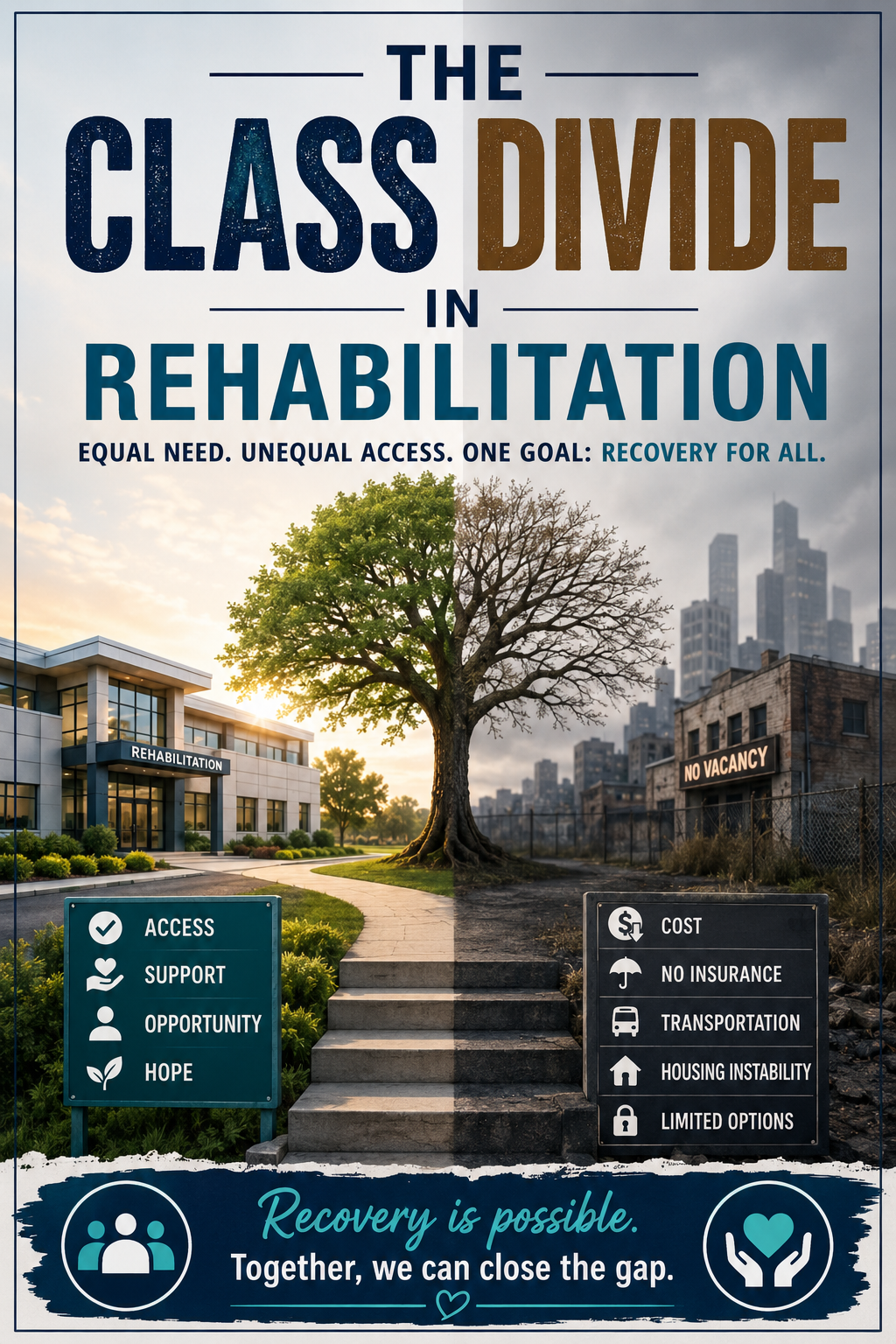
The Class Divide in Rehabilitation

The class divide in rehabilitation refers to differences in access to addiction treatment and recovery services that can arise from socioeconomic factors such as income, education, employment, insurance coverage, housing, and transportation. Although substance use disorders affect people from every social and economic background, not everyone has the same opportunities to receive timely, high-quality, evidence-based … Read more
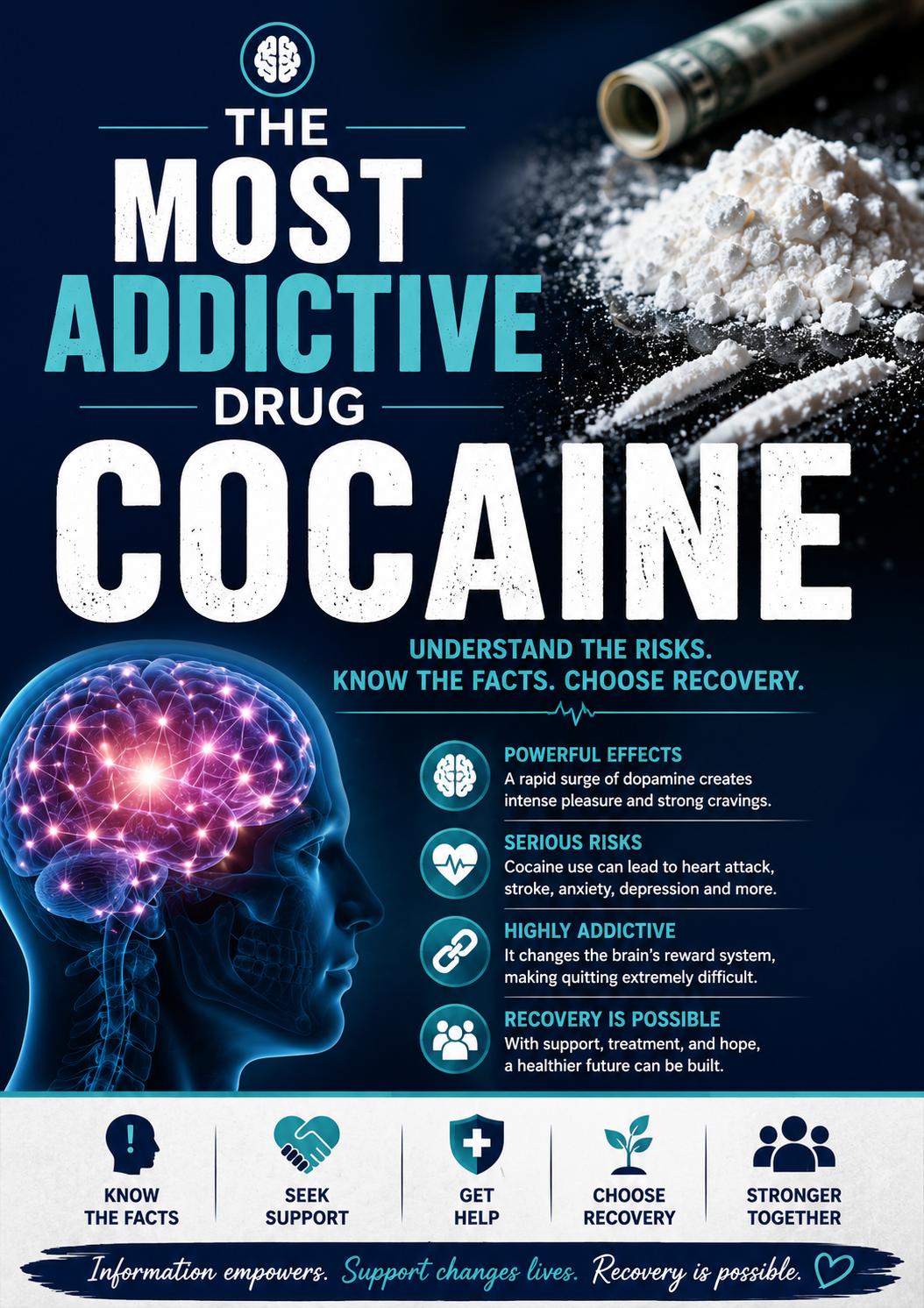
The Most Addictive Drug: Cocaine

Cocaine is a powerful stimulant that affects the brain’s reward system by causing a rapid buildup of dopamine, the neurotransmitter associated with pleasure, motivation, and reinforcement. This intense but short-lived feeling of euphoria can lead to repeated use, making cocaine one of the most addictive substances. Although no single drug is considered the “most addictive” … Read more

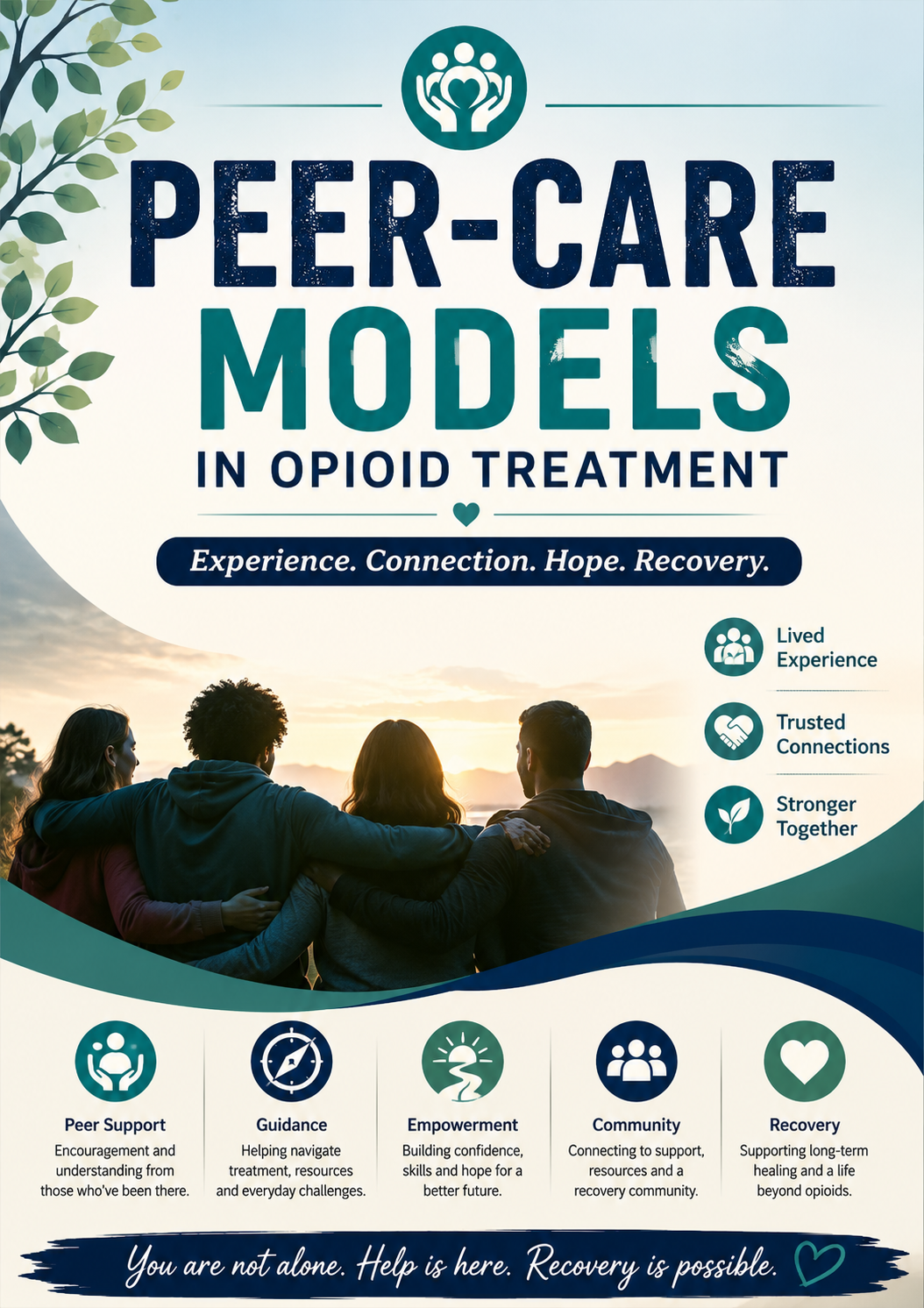
Peer Care in Opioid Treatment

Peer-care models have become an increasingly important component of comprehensive opioid use disorder (OUD) treatment by integrating the lived experiences of individuals in recovery into the healthcare system. Peer recovery specialists, recovery coaches, and peer support workers offer encouragement, practical guidance, and hope to people navigating the challenges of recovery. Their unique ability to connect … Read more

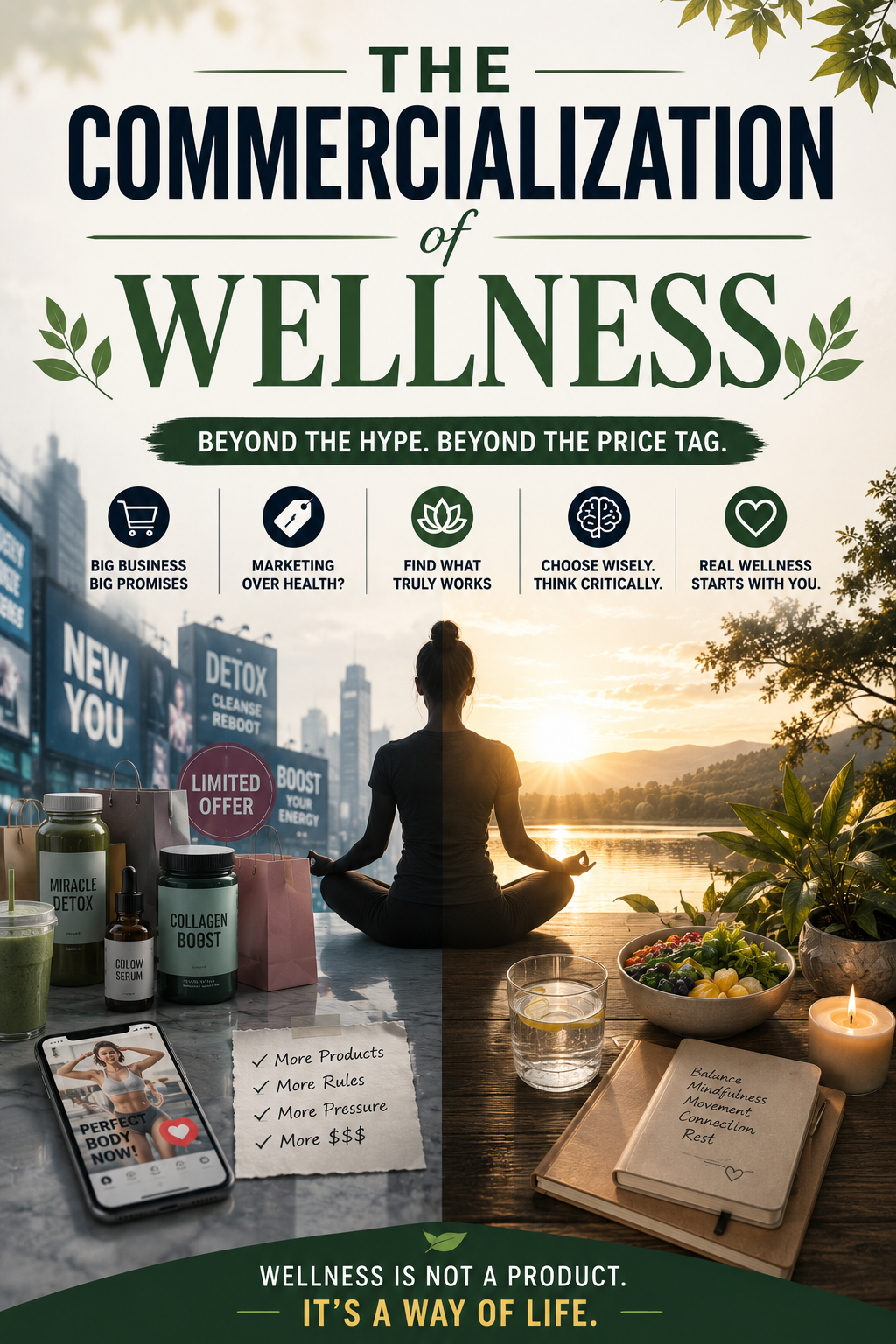
The Commercialization of “Wellness”

The wellness industry has grown into a multi-billion-dollar global market, offering a wide range of products and services designed to improve health, happiness, and quality of life. From dietary supplements and fitness programs to meditation apps and luxury wellness retreats, consumers have more choices than ever before. While many of these products and services can … Read more

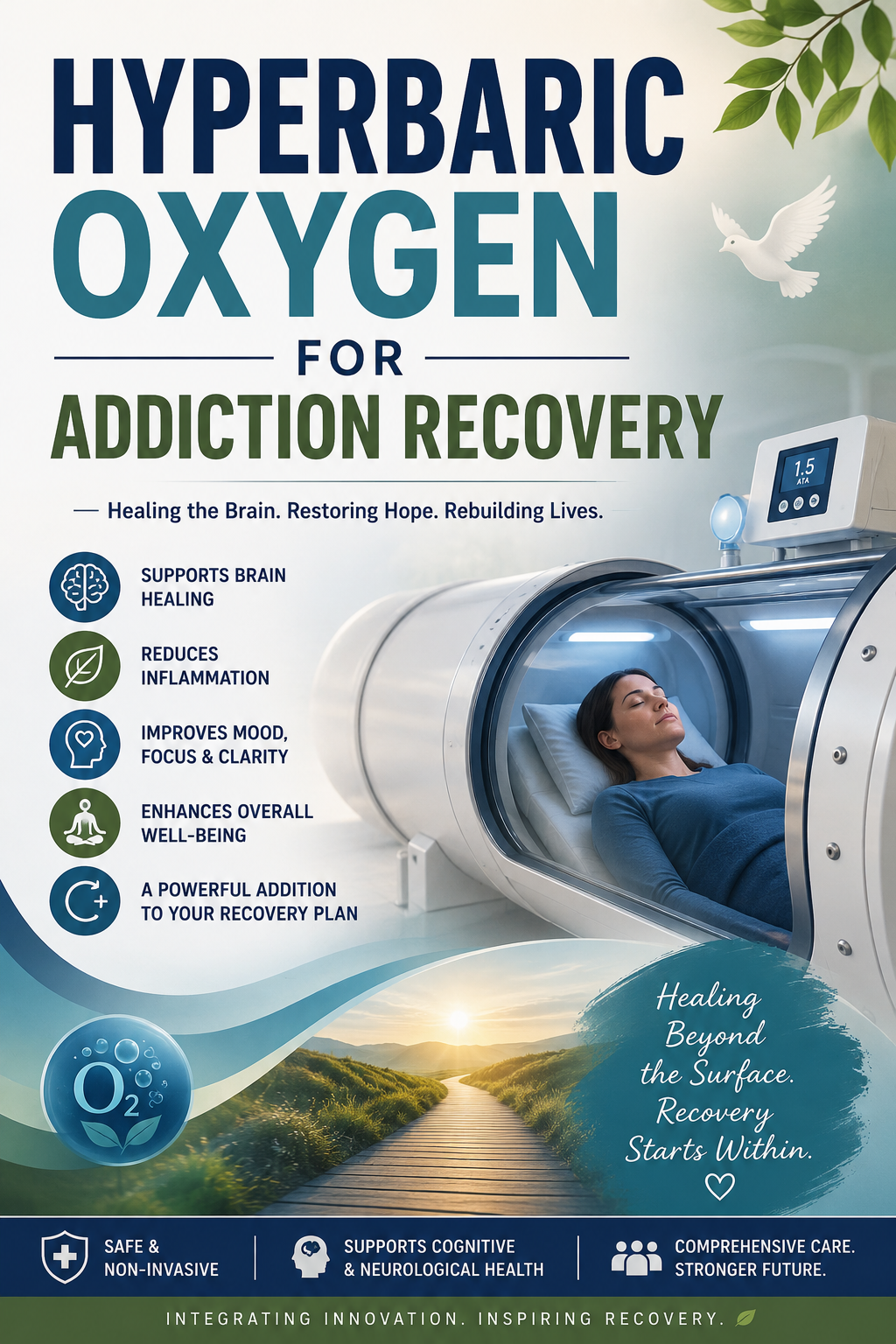
Can HBOT Help Addiction Recovery?

Hyperbaric oxygen therapy (HBOT) is gaining attention as a potential complementary treatment for individuals recovering from substance use disorders. By delivering 100% oxygen in a pressurized chamber, HBOT increases the amount of oxygen available to body tissues, which may help reduce inflammation and support the healing of damaged brain cells. Researchers are investigating whether these … Read more

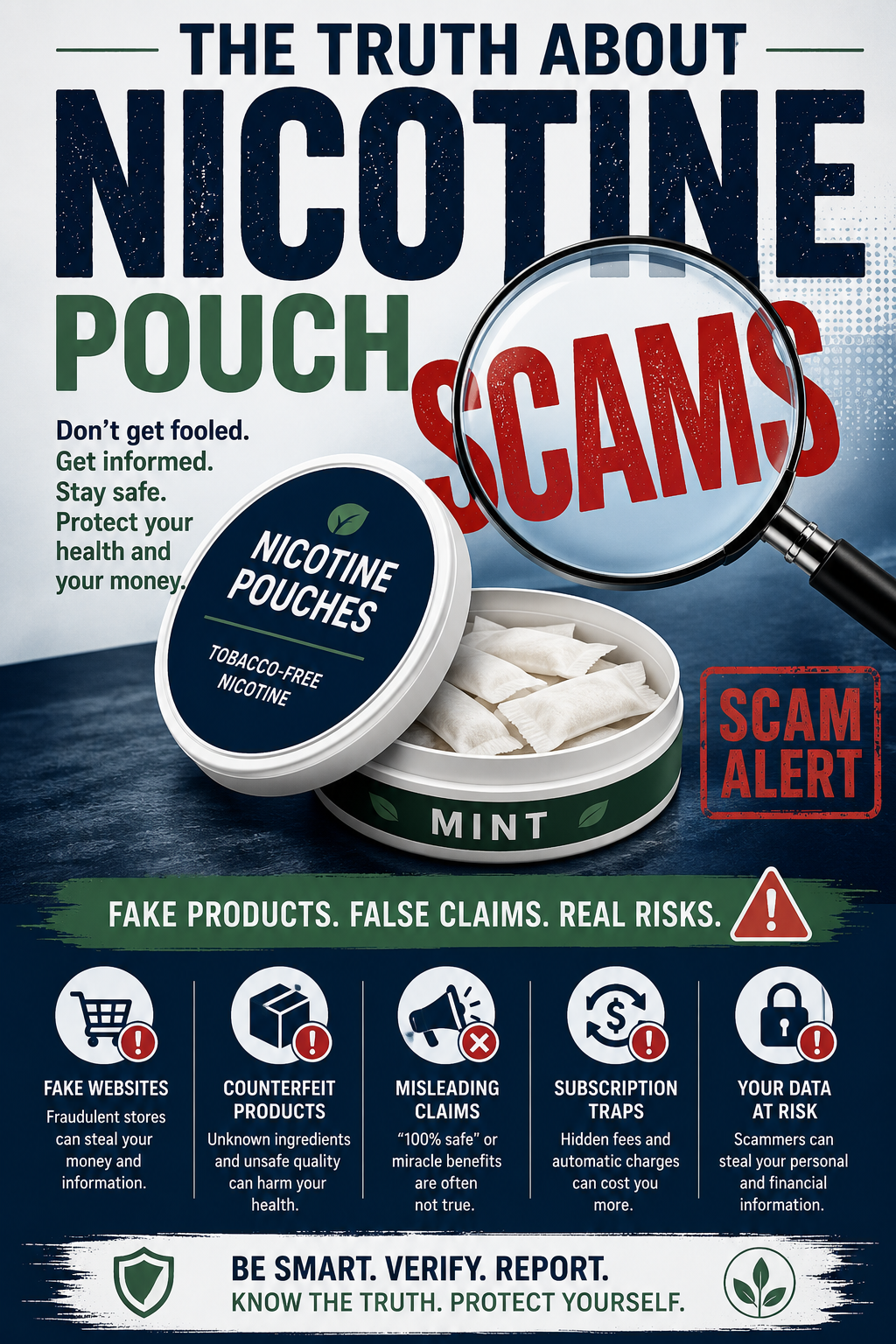
Spot Nicotine Pouch Scams

Nicotine pouches have become a popular smoke-free alternative to traditional tobacco products, but their growing popularity has also attracted scammers looking to take advantage of consumers. Fake online stores, counterfeit products, deceptive subscription offers, and misleading health claims can expose buyers to financial loss, identity theft, and potentially unsafe products. Understanding how these scams work … Read more

OUD Recovery: Medication & Therapy

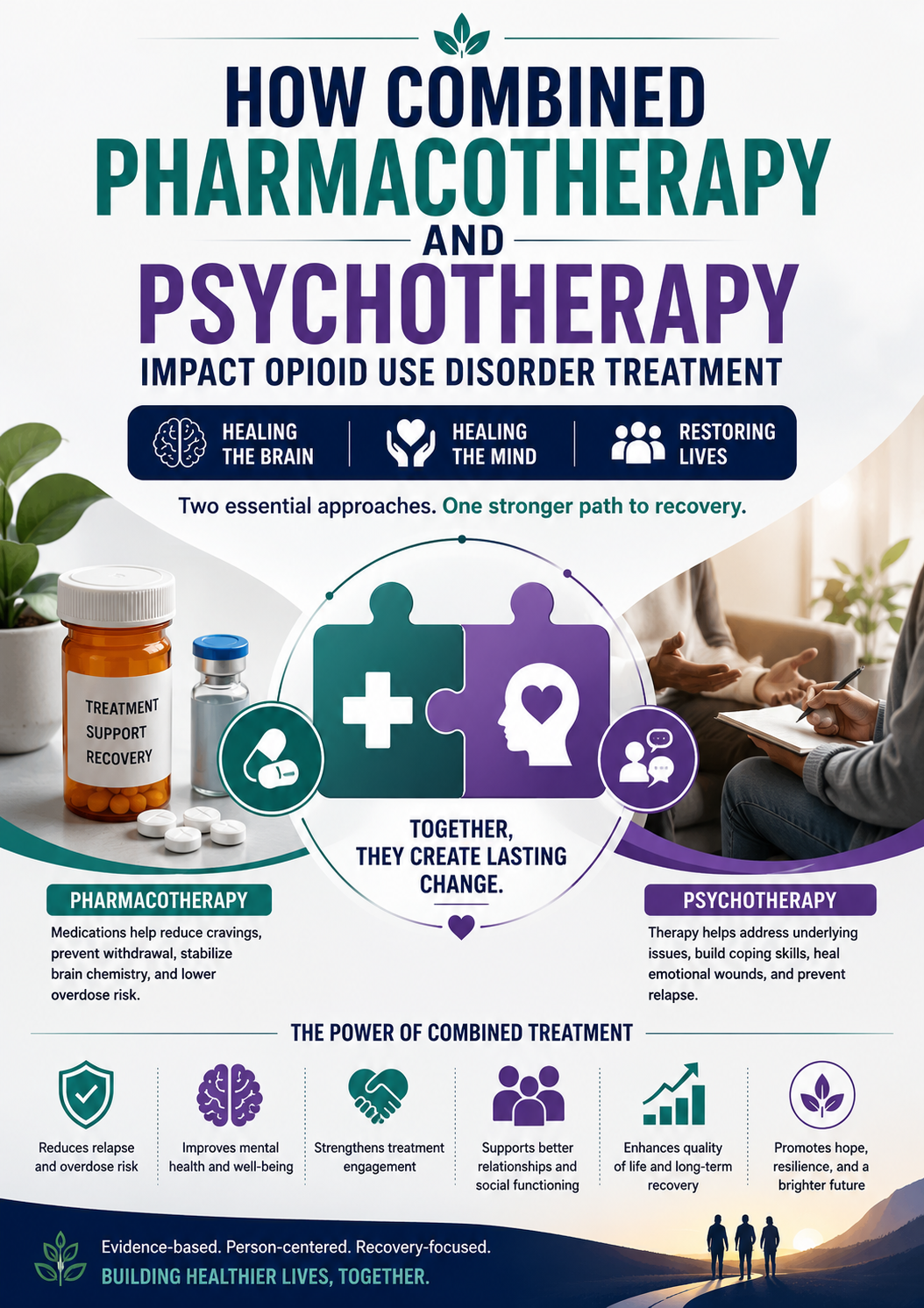
Opioid Use Disorder (OUD) is a chronic and complex medical condition that affects brain function, behavior, emotional well-being, and overall quality of life. Because addiction involves both physical dependence and psychological factors, effective treatment often requires a comprehensive approach that addresses multiple aspects of recovery. Combined pharmacotherapy and psychotherapy have emerged as one of the … Read more

ADHD and Alcohol & Cannabis Use

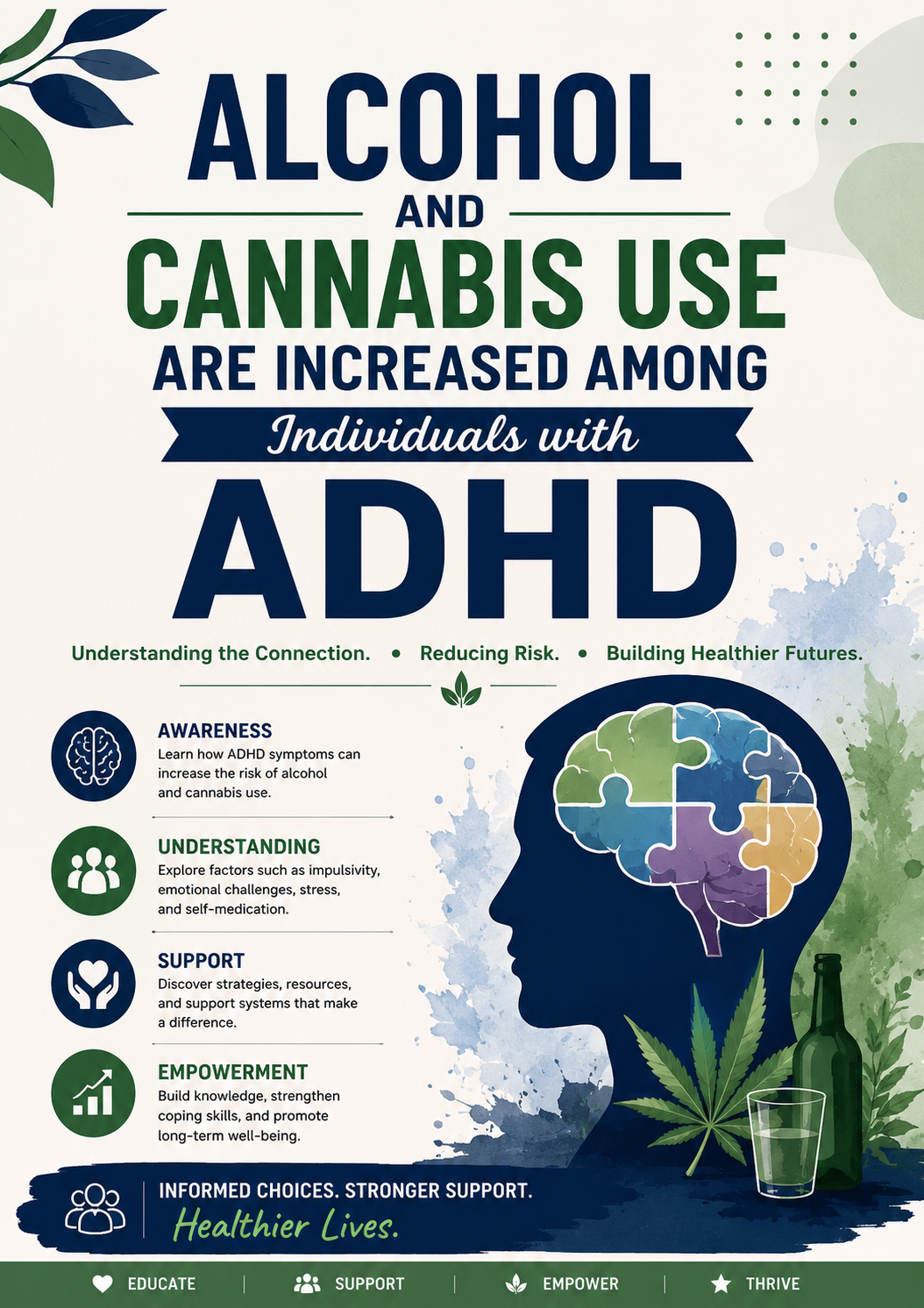
Attention-Deficit/Hyperactivity Disorder (ADHD) is a neurodevelopmental condition that affects attention, impulse control, emotional regulation, and executive functioning. Research has consistently shown that individuals with ADHD are at a greater risk of using alcohol and cannabis compared to the general population. Several factors contribute to this increased risk, including impulsivity, difficulties managing stress and emotions, sleep … Read more

Naltrexone: Treatment Challenges

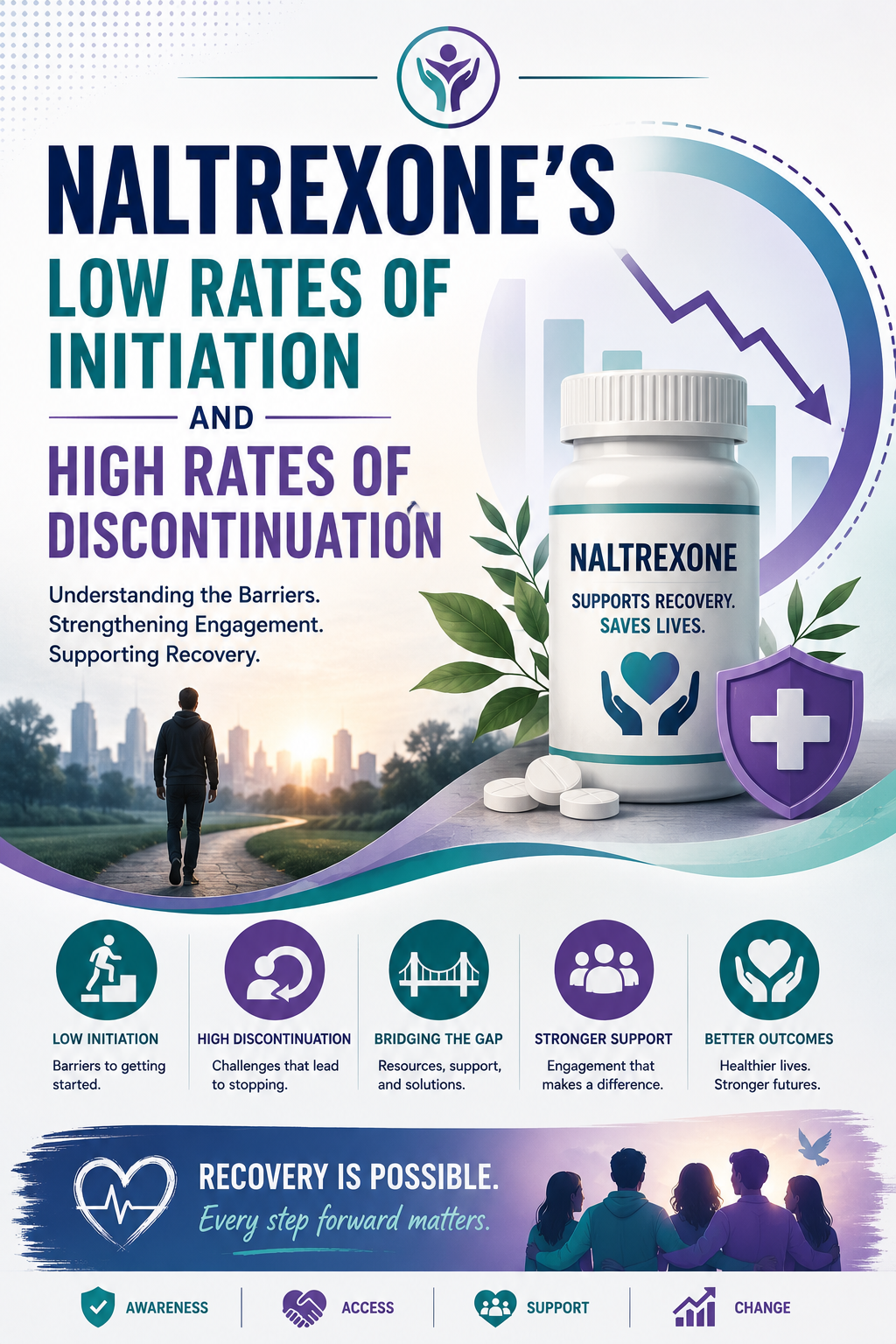
Naltrexone is an evidence-based medication approved for the treatment of both opioid use disorder (OUD) and alcohol use disorder (AUD). Unlike opioid agonist medications, naltrexone works by blocking opioid receptors, reducing the rewarding effects of opioids and alcohol, and helping support recovery. It is available in both oral and extended-release injectable forms and offers several … Read more

Harm Reduction & Addiction

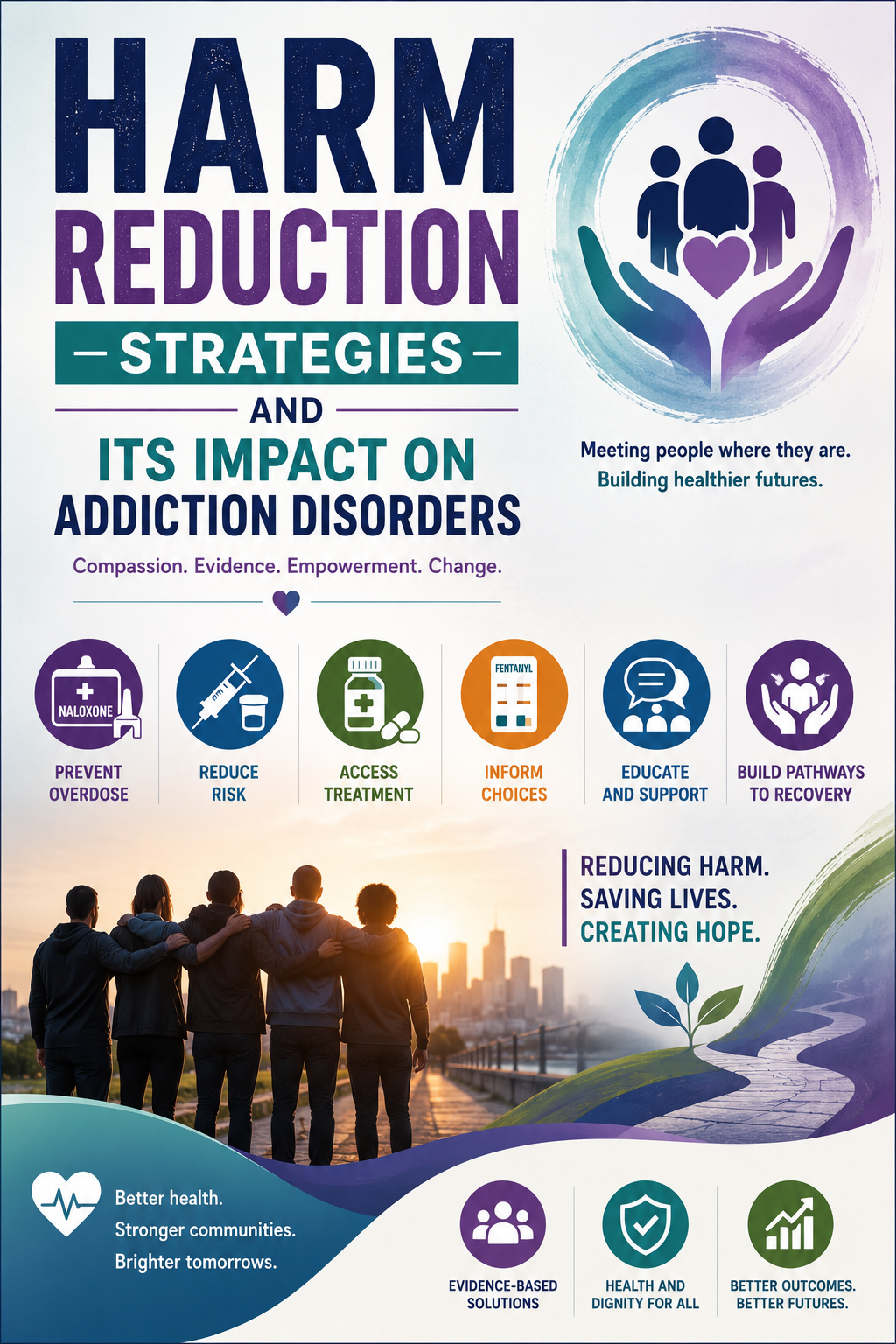
Harm reduction is a practical, evidence-based approach that seeks to minimize the negative consequences associated with substance use while recognizing that recovery is a personal and often gradual process. Rather than requiring immediate abstinence, harm reduction focuses on improving health, preventing overdose, reducing the spread of infectious diseases, and increasing access to healthcare and treatment … Read more